
The Ancient Secret of Bronze Voices in the Heart of the Vosges
Deep within the Vosges mountain range, where spruce trees trace a green boundary against the gray sky of eastern France, an art survives that defies the passage of centuries: the casting of bronze church bells. Far from the industrial roar of major metropolitan hubs, this mountainous region shelters secular workshops where fire and silence unite to shape monumental instruments capable of resounding for generations. The alchemy lies not merely in the brute force of the furnace, but in the mathematical precision of proportions and the infinite patience required to shape earth by hand.
While the modern world accelerates its digital pulse, time here is measured by cooling cycles of raw matter and the subtle tuning of harmonic overtones. The master bell founders of the Vosges operate precisely at the intersection of metallurgical engineering and sacred acoustics. Each instrument leaving their casting pits is not a mere utility object, but a unique, sound-bearing work of art loaded with collective memory, territorial identity, and a craft passed down almost secretly from master to apprentice.
The Alchemy of Matter: Copper, Tin, and the Golden Ratio
The heart of any bell-founding workshop beats to the rhythm of its reverberatory furnace. The classic alloy, known as bell bronze, demands an unyielding proportion: approximately 78% electrolytic copper and 22% pure tin. Modifying this formula by even a fraction drastically alters the mechanical strength and, above all, the acoustic behavior of the metal. Copper provides ductility and harmonic warmth, while tin grants the hardness needed to withstand the constant impact of the clapper and the brilliance of the timbre.
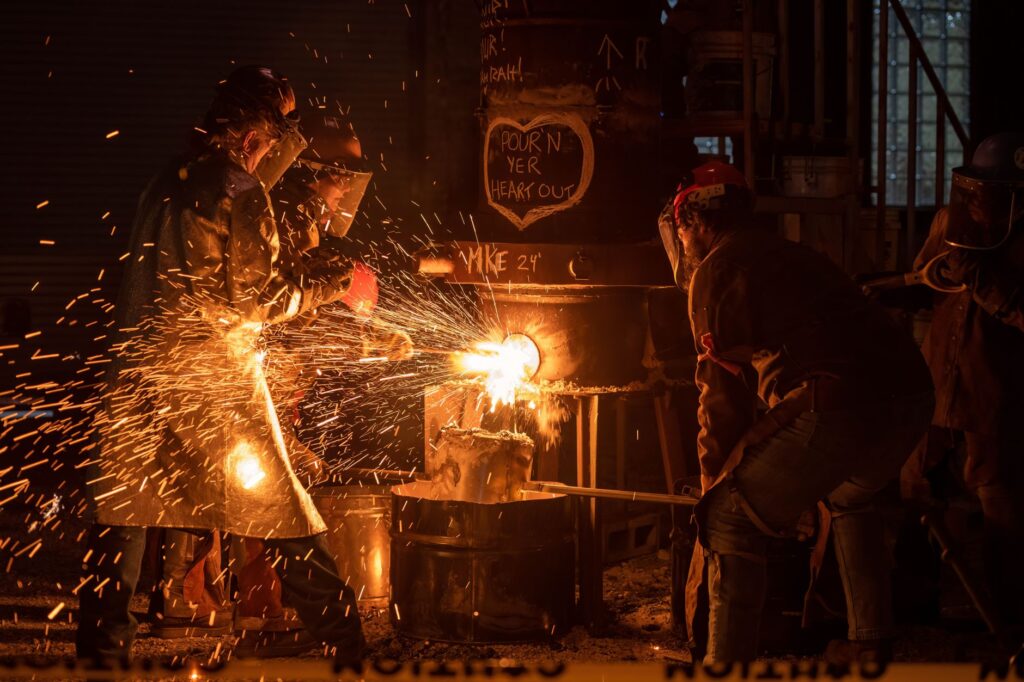
Artisans select their raw materials with pharmaceutical rigor. Inside the workshop, ingots are neatly stacked beside crucibles capable of withstanding temperatures exceeding one thousand one hundred and fifty degrees Celsius. Casting is a high-tension ritual where the master, guided by the shifting color of the flames and digital pyrometer readings, determines the exact moment when the liquid metal reaches optimal fluidity before being poured into sand-lined pits.
From Clay to Mold: Ephemeral Architecture and Sacred Geometry
Before the incandescent bronze touches the mold, it has been conceived through a painstaking artisanal process requiring weeks of patient labor. The workshop thus relies on mastery over clay, horsehair, and refractory brick. The process begins by constructing the core or inner body, reproducing the hollow silhouette of the bell. Over this, the false bell is layered—a coating of wax or soft clay where inscriptions, reliefs, and iconographic motifs that will identify the instrument are carved.
Finally, the outer mantle or cope is erected, sealing the entire assembly before applying low heat to melt and eliminate the interior wax. This three-piece mold is, by definition, an ephemeral creation: it must be smashed with mallets once the bell has cooled, precluding any possibility of an exact replica. It is precisely this destruction of the mold that grants each bell its status as an unrepeatable piece, a metallic fossil heavy with aesthetic singularity.

The bell is not merely tuned metal; it is the tangible voice of a community entrusting itself to the wind to announce joy, mourning, or harmony.
The Casting Pit: When Fire Takes Over the Workshop
Casting day transforms the serene atmosphere of the studio into a scene of intense concentration and collective effort. Pits excavated in the beaten-earth floor receive the buried molds to withstand the hydrostatic pressure of the molten metal. Around the main crucible, workers adjust clay channels through which the glowing torrent will flow, a bright serpent dazzling beneath the dim oak-beamed ceiling.
Glances meet in silence. The master gives the signal, and the iron rod punctures the clay plug. The bronze roars down the channels, devouring the air with a muffled, heavy rumble and releasing mineral vapors that cling to the stone walls. In mere seconds, tons of liquid metal fill the mold’s void. At that fleeting moment, the success or failure of months of meticulous work is decided. Tension only dissipates when the metal’s surface in the pouring basin begins to dull, darkening under a grayish crust.
The Invisible Art of Tuning: Filing Harmonics and Legends
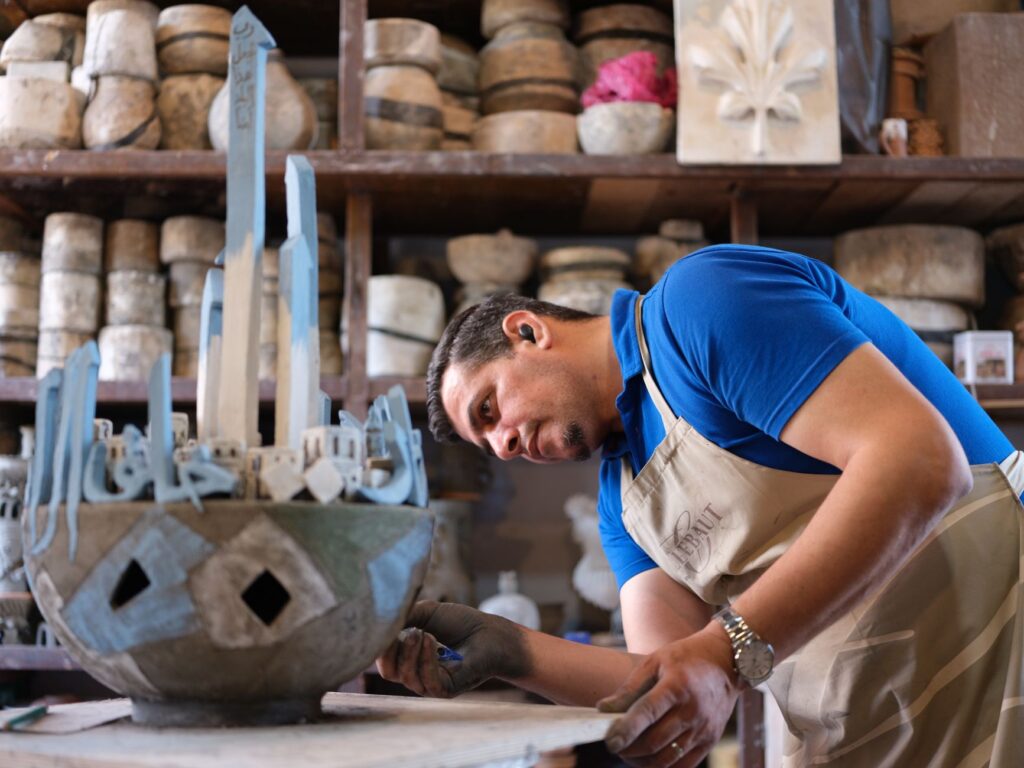
Once unearthed and cleared of earth remnants, the rough, dusty bell faces its ultimate fiery test: the tuning room. Contrary to popular belief, a bell is not tuned by arbitrarily cutting the outer rim, but by shaving the interior thickness down to the millimeter using high-precision vertical lathes. The goal is to balance the five primary harmonics that determine the instrument’s sonic personality: the fundamental note, the strike note, the nominal, and the minor and major thirds.
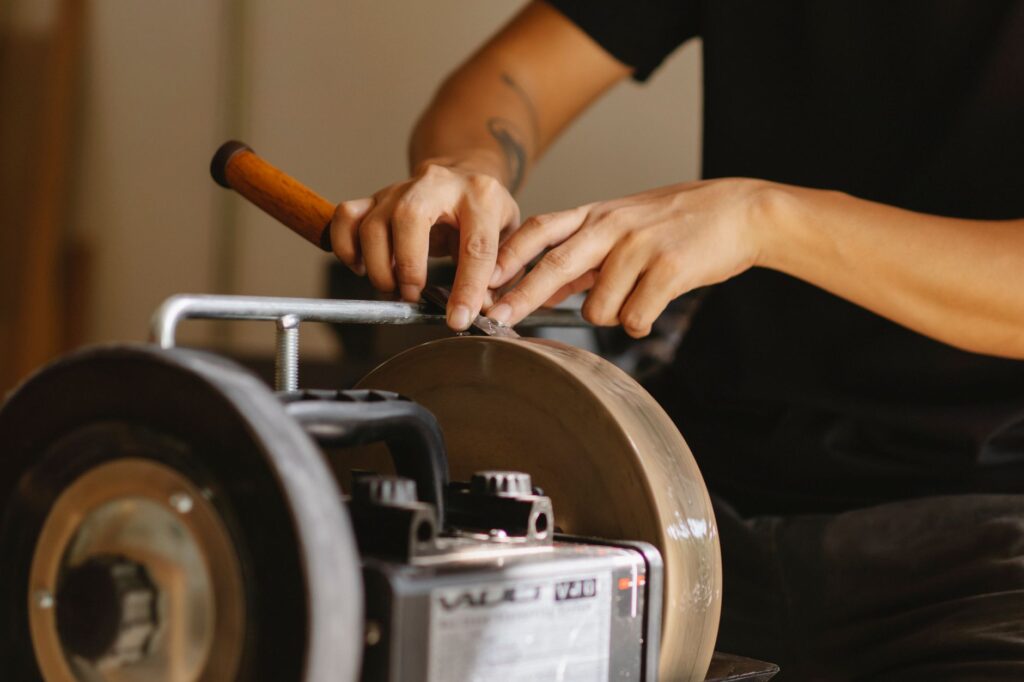
Modern tuners combine absolute pitch with digital spectrum analyzers, striving to correct any deviation that might generate jarring dissonances in the bell tower. Each pass of the steel blade across the bronze shaves off chips as fine as threads of gold. It is in this phase that the bell acquires its true soul, transforming the harsh metallic scream of the foundry into a harmonious melody capable of traveling kilometers across the forested valleys of the region.
Generational Handover: Safeguarding Intangible Heritage
The future of this artisanal craft in the Vosges hangs on a delicate balance between fidelity to tradition and adaptation to contemporary safety and environmental regulations. Young apprentices entering these workshops learn not only materials physics and technical drawing, but must also cultivate artistic sensitivity developed through years of direct observation alongside veteran masters.
European cultural institutions have begun recognizing the urgency of protecting this intangible heritage through specialized grants and systematic documentation programs for manufacturing processes. Nonetheless, the true engine of survival remains the steady demand from cathedrals, municipal councils, and private collectors worldwide who value handmade work over mass industrial standardization.
Artisanal excellence requires renouncing haste and accepting the laws of matter.
Practical Guide
How to Get There: Access to the Vosges mountain range and its main artisan hubs is easily achieved from Strasbourg or Nancy using rental cars, driving along the scenic D417 route that winds through valleys and mountain passes.
When to Visit: Spring and autumn months offer optimal weather conditions and lower tourist traffic, allowing visitors to coordinate guided workshop tours during less congested production cycles.
Reservations and Accessibility: Most historic foundries are housed in protected historic buildings with architectural restrictions. It is essential to contact local tourism offices well in advance to arrange visits to active workshops.
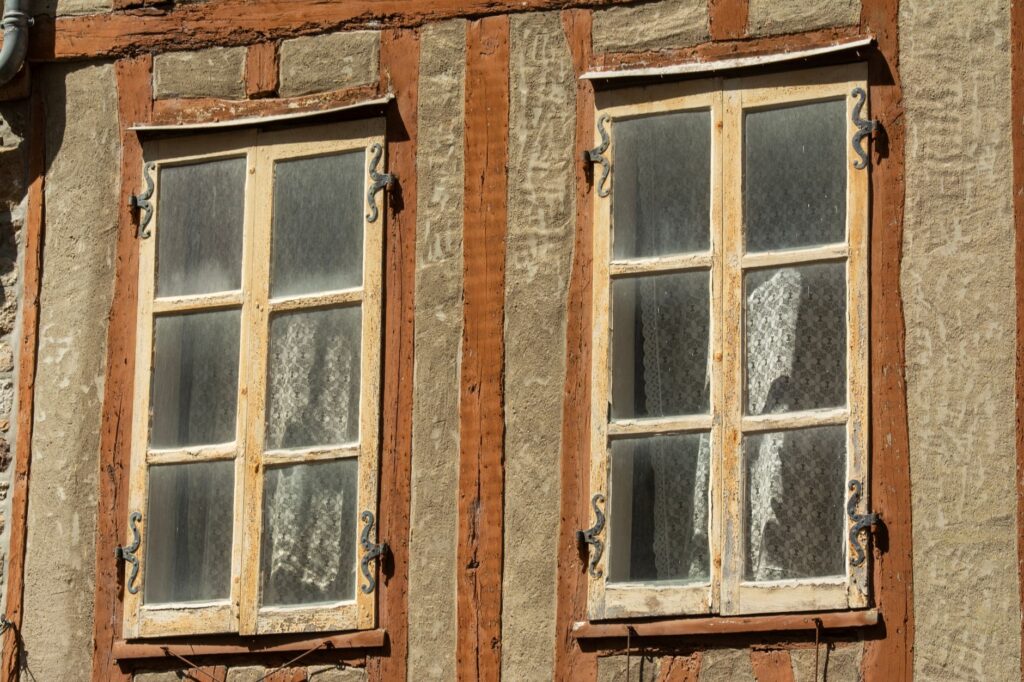
Recommended Accommodation: Small rural guesthouses restored from historic forestry lodges in the region, ideal for understanding the deep historical link between local architecture and the timber industry that once fueled the furnaces.
The Perpetual Echo on the Threshold of Time
As evening falls over the Vosges and the forge smoke dissipates among the spruce branches, the workshop recovers its secular calm. In a corner of the studio, a newly tuned bell rests on a solid wood bench, awaiting shipment to its final destination in a distant bell tower. Striking it gently with a felt-covered mallet, its initial vibration expands through the room, making the centuries-old beams resonate and reminding those who inhabit this territory that certain crafts are capable of conquering oblivion.
That sonic wave, born from fire and earth, summarizes the very essence of a craft where beauty is not a superfluous ornament, but the inevitable consequence of rigor, patience, and absolute respect for raw matter. In every vibration beats the living memory of hands that transformed heavy mineral into immortal music.