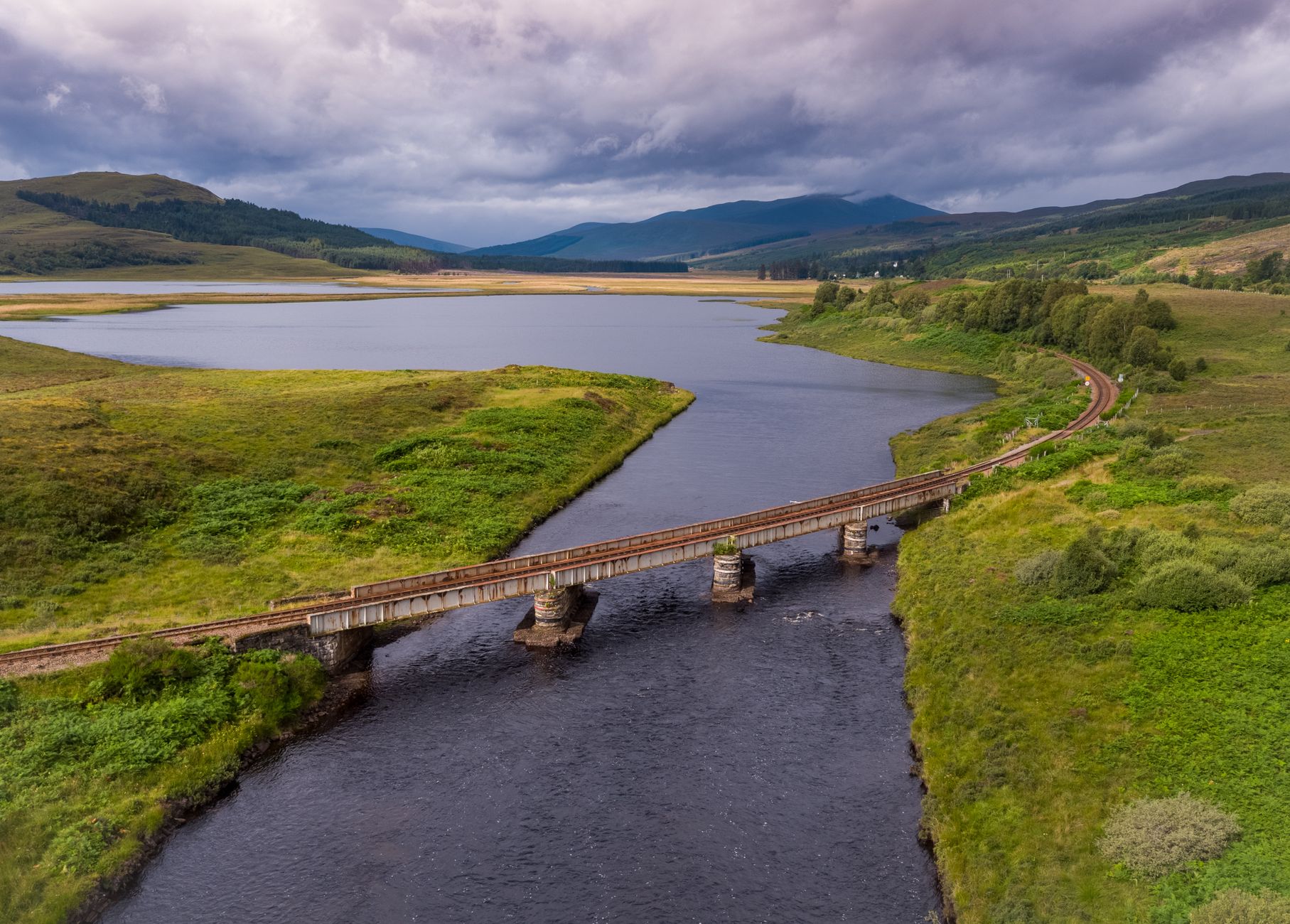

Introduction to the Boreal Outpost and Its Rail-Bound Pulse
The western highlands of Scotland are not merely a picturesque landscape to be admired from a carriage window; they constitute a geological and meteorological environment of implacable hostility where the West Highland Line acts as an irreplaceable umbilical cord. Conceived in the nineteenth century under the impetus of uniting urban civilization with the remote ports of the North Atlantic, this railway infrastructure daily defies the limits of civil engineering. Every oak sleeper and every meter of ballast laid across the bogs of Rannoch Moor represent a temporary victory against terrain that constantly threatens to swallow the trackbed.
Along its branches toward Oban and Mallaig, the network does more than transport passengers and essential freight; it sustains the social and economic fabric of isolated communities where roads are frequently rendered impassable during winter storms. Analyzing this system requires looking beyond the aesthetic romanticism of its bridges and viaducts, delving into the harsh reality of its daily maintenance, the fatigue of materials exposed to marine salinity and gale-force winds, and the constant battle waged by track maintenance crews against mudslides and rockfalls.
Heroic Engineering Facing the Infinite Quagmire of Rannoch Moor
The section crossing Rannoch Moor remains one of the greatest milestones and headaches in British railway history. Building a railway line over a peat bog several meters deep, where the ground lacks firm foundations, required unprecedented technical solutions in the Victorian era. The engineers did not excavate down to bedrock; instead, they literally floated the alignment over successive layers of brushwood, heather, birch logs, and millions of tons of gravel and stone hauled from distant quarries.
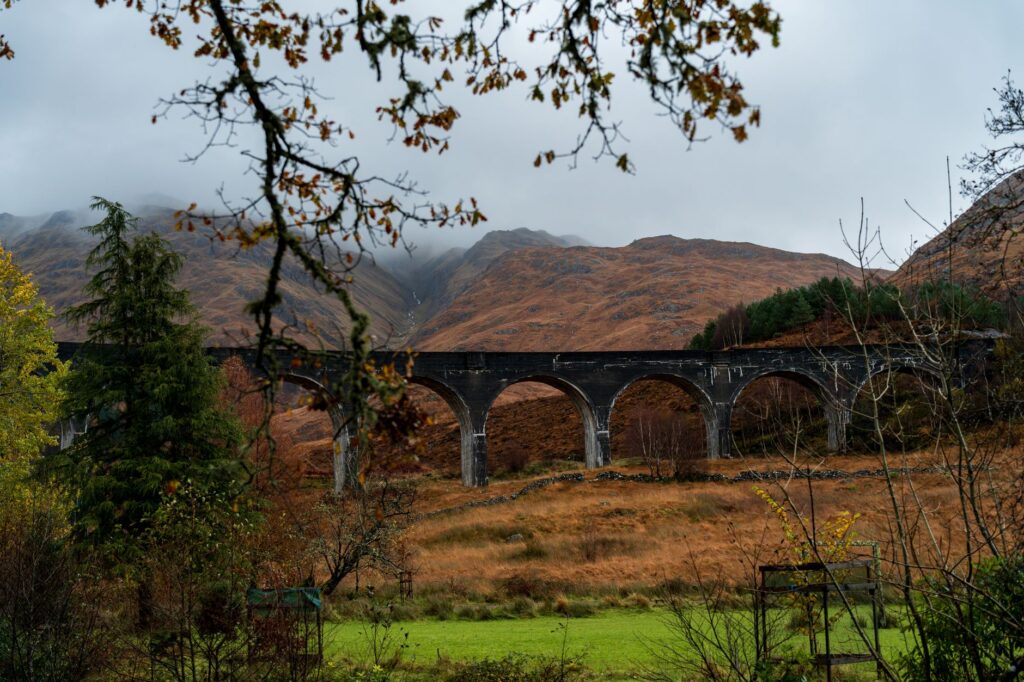
This floating mattress requires constant geometric monitoring. The ground yields millimeter by millimeter under the weight of modern diesel locomotives, forcing specialized crews to level the tracks in an almost artisanal manner during the few weeks when the weather grants a respite. The degradation of subterranean foundations due to permanent water saturation turns every kilometer of this section into a living organism demanding uninterrupted medical attention from Network Rail.
The track does not rest on firm earth, but upon the floating caprice of an ancient quagmire that assesses every ton of metal with a silent subsidence.
The Erosive Impact of Atlantic Weather on Cutting Slopes
Frequent horizontal precipitation and continuous freeze-thaw cycles act as an implacable chisel upon the slopes flanking the gorges through which the train winds. Unlike continental lines reinforced with reinforced concrete slopes, many Scottish sections rely on direct cuts into schistose rock and overconsolidated clay that fracture easily when water accumulates within their internal fissures.
When water saturation exceeds the resistance threshold, sudden landslides occur that block the rails or compromise the stability of embankments. Early warning systems, composed of tension sensors in metal mesh and local meteorological radars, allow trains to be halted before reaching high-risk zones, but structural vulnerability continues to dictate the operational tempo of the entire western route.
Diesel Logistics and the Scarcity of Workshops in Northern Outposts
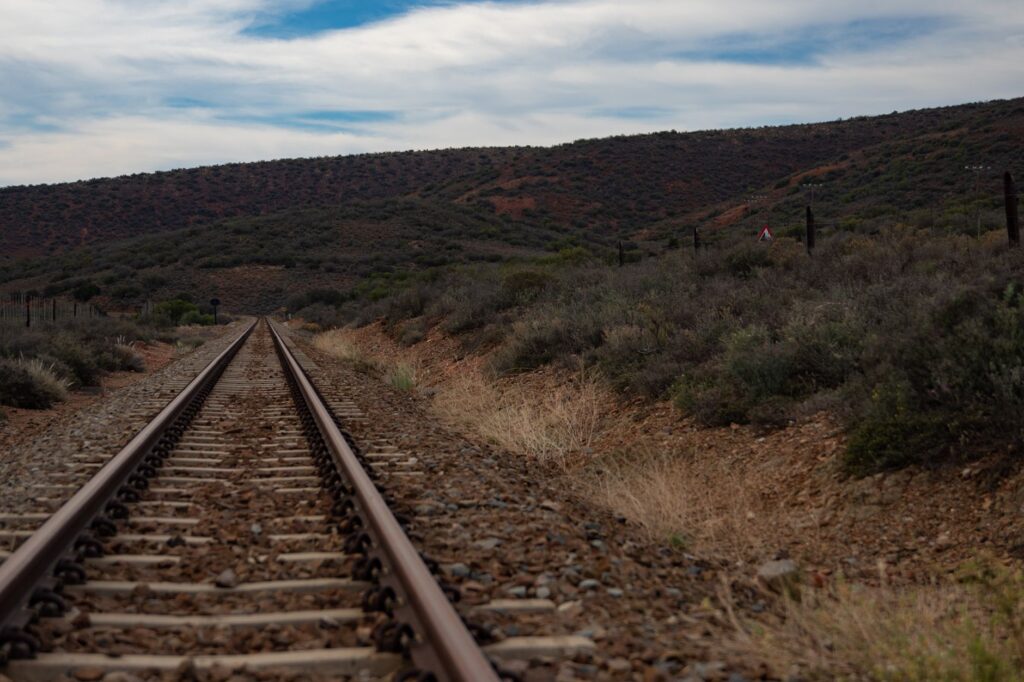
The transition toward more ecological traction technologies encounters insurmountable physical barriers here. Electrifying hundreds of kilometers of track through mountainous and depopulated terrain is financially unviable and technically complex due to the restricted clearances of historical tunnels and stone bridges protected for their heritage value. Consequently, the railway continues to rely on diesel railcars specifically adapted to withstand salty air and extreme low temperatures.
Maintaining this fleet represents a major logistical challenge. The main workshops are located hundreds of kilometers away in Scotland’s central belt, meaning any complex mechanical failure requires the slow transfer of the vehicle or the urgent dispatch of itinerant mechanics with specialized spare parts, multiplying downtime and testing the resilience of the published timetable.
The Tension Between Seasonal Tourist Traffic and Local Demand
During the summer months, the massive influx of travelers drawn by the cinematic fame of certain viaducts and landscapes overburdens train capacity. This phenomenon generates unusual pressure on rural stations designed for minimal flows, crowding platforms and forcing operators to implement complex mandatory reservation policies to prevent overcrowding on the carriages.
However, when summer concludes, the socioeconomic reality recovers its harshness. Local residents, who depend on the train to reach medical, educational, or administrative centers in Fort William and Glasgow, contend with reduced schedules and frequencies adjusted strictly to economic viability. This duality turns the railway into a chameleon-like service that must satisfy radically opposing expectations depending on the calendar.
The Human Factor: Drivers, Guards, and Emergency Crews
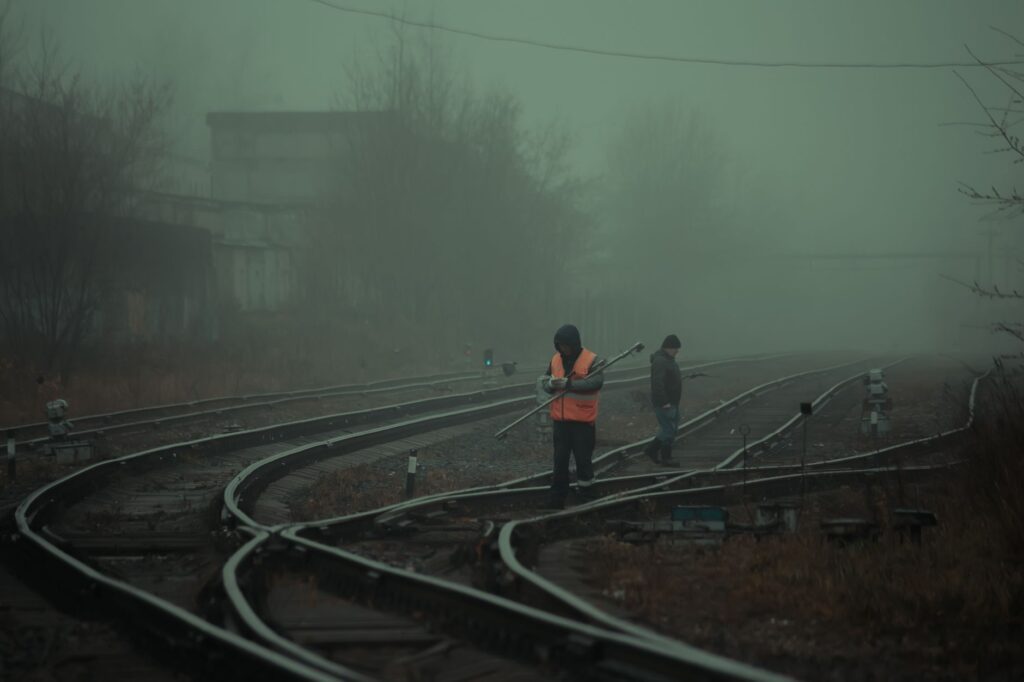
Behind every punctual arrival in Mallaig or Oban lies a network of professionals whose working days unfold in conditions of severe isolation. Drivers must memorize hundreds of mileage markers, blind curves, and antique mechanical signals operating amid blizzards where visibility drops to a few meters. Their braking skill and intuitive knowledge of metal behavior on wet rails are the primary safeguards for passengers.
Alongside them, track maintenance crews operate in adverse weather conditions, repairing rail fractures late at night under the light of portable floodlights. Their work, often invisible to the casual traveler, constitutes the true human foundation that prevents the definitive disconnection of these northern communities from the rest of the country.
The Uncertain Future of Centuried Infrastructure Facing Climate Change
Climate change scenarios project a significant increase in the frequency of severe storms and torrential downpours in northern Great Britain, raising inescapable questions about the long-term sustainability of the current network. Investments aimed at reinforcing retaining walls, expanding drainage systems, and stabilizing slopes must be multiplied exponentially merely to maintain current operational levels.
Transport planners debate whether the solution lies in intensive technological modernization or in accepting a more flexible mobility model where the railway coexists with complementary off-road bus systems capable of covering routes when natural elements prevent trains from passing. In any case, the operational margin of error narrows year after year.
Practical guide
Planning a journey along the West Highland Line requires understanding the operational particularities of an alpine and rural railway network subject to frequent meteorological contingencies. Below are the fundamental aspects for structuring the trip with safety and logistical realism.
- Main Operator: ScotRail manages regular passenger services connecting Glasgow Queen Street with Oban, Fort William, and Mallaig, alongside scenic services operated in partnership with special excursions.
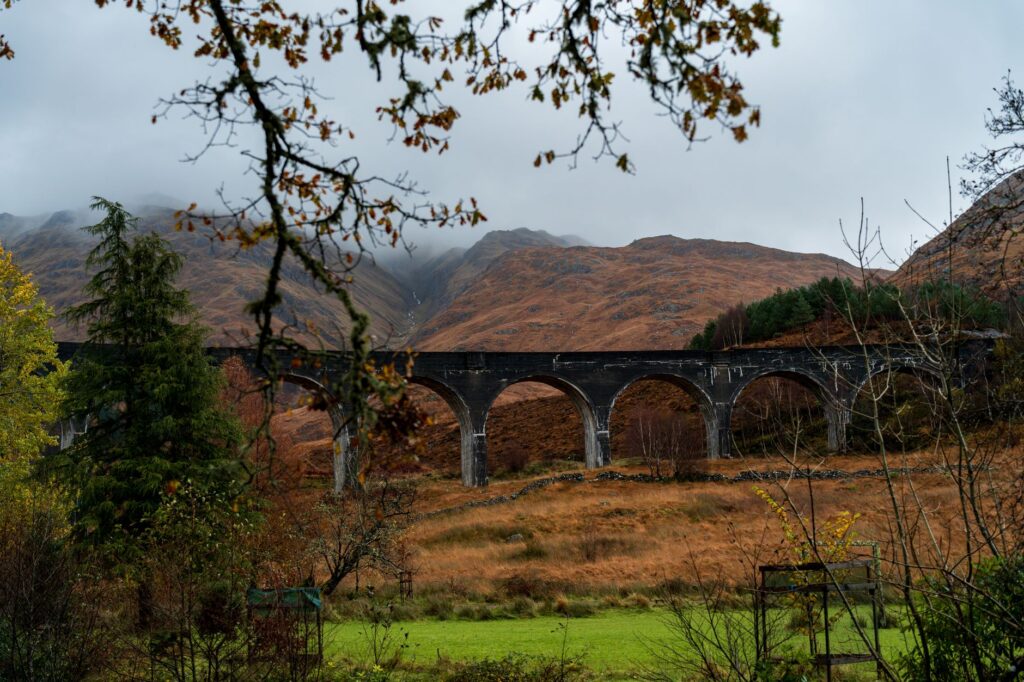
- Seat Reservations: Mandatory during the peak summer season, especially on services crossing the Glenfinnan Viaduct and connecting with ferries to the Inner Hebrides.
- Intermodal Connectivity: Terminal stations are designed to synchronize directly with CalMac ferries toward Skye and the Small Isles, though weather delays on the track can break connections.
- Baggage and Restrictions: Space for bulky luggage and bicycles is limited in diesel railcars; booking cycling space in advance through the operator’s official channels is essential.
- Weather and Cancellations: Gale warnings or local flooding are common between October and March; checking network status in real time before embarking toward remote areas is strongly advised.
- Onboard Infrastructure: Permanent snack trolleys are not available on all regional trains, so provisioning with water and food before boarding journeys exceeding three hours is prudent.
The Twilight Reflection on Rusted Metal and the Persistence of Travel
When the last train of the day slowly snakes past the dark reflections of Loch Shiel, the wail of its horn merges with the cries of seagulls and the whistle of the wind blowing down from the peaks. In that moment of twilight stillness, the railway ceases to be a mere structure of steel and timber sleepers and becomes a living metaphor for human persistence in the face of the untamed vastness of the Scottish territory. Travelers stepping down onto the solitary platforms of Mallaig, enveloped in sea mist and the scent of coal and salt, understand that arriving here is not a simple geographical displacement, but an act of communion with a geography that imposes its own rules, reminding us that travel, in its purest form, remains a challenge against time and distance.