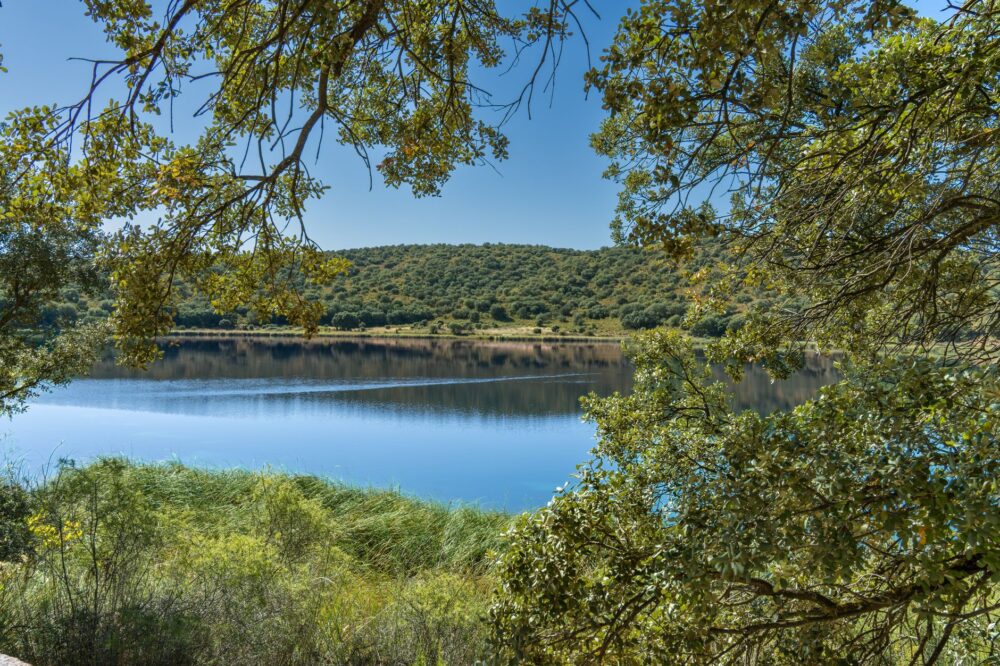
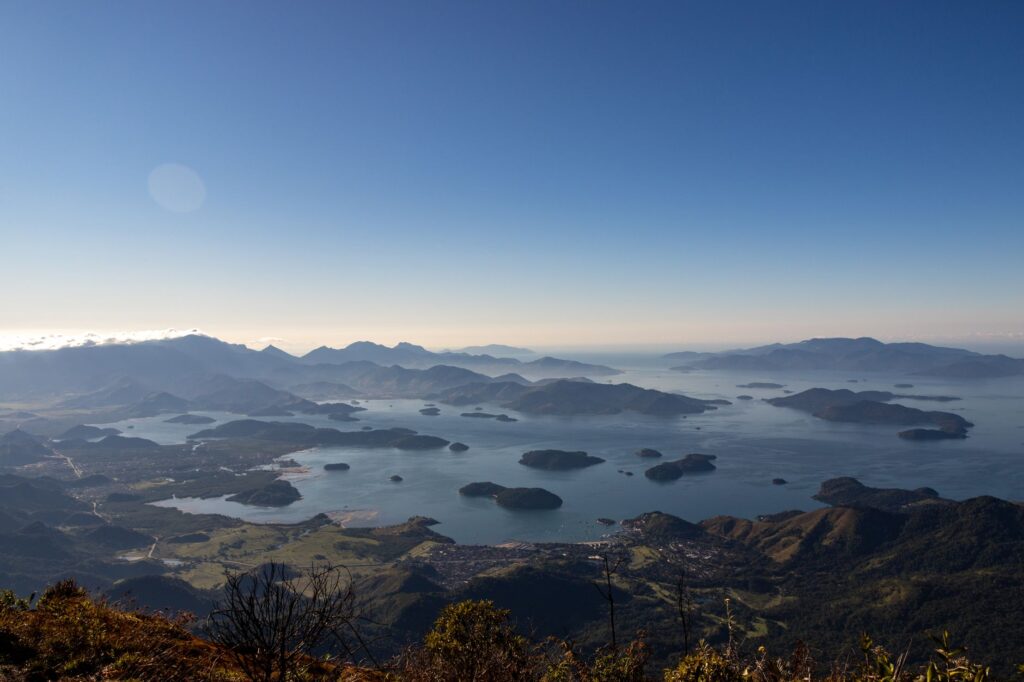
The Chiloé Archipelago, suspended at the gateway to Chilean insular Patagonia, is a territory defined by fragmentation. In this labyrinth of channels, fjords, and estuaries where the Pacific Ocean surges fiercely before settling into a domestic inland sea, mobility is not an infrastructure choice, but a condition for survival. For centuries, communities on the smaller islands of this territory—such as Apiao, Alao, Chaulinec, or Meulín—have depended on fragile native wood vessels to access basic services, markets, and healthcare centers on the main island of Castro or Quellón. This isolation, combined with the environmental impact of old diesel marine engines that contaminate the breeding waters of bivalves and migratory birds, has pushed this corner of the world to seek a solution that reconciles its vast cultural heritage with the demands of modern decarbonization.
The answer has not come from large international transport consortia or mega-concrete projects that would irreparably alter the visual and ecological landscape of the archipelago. Instead, Chiloé has looked inward, drawing on its most valuable asset: its carpinteros de ribera (traditional beach shipwrights), artisans who carry the designs of vessels in their memory without written blueprints, utilizing noble woods like coigüe, Guaitecas cypress, and larch. Today, these masters of timber have partnered with naval engineers and community cooperatives to bring to life a new generation of hybrid marine transport and networks of wooden boardwalks that act as pedestrian arteries over wetlands and intertidal zones, proving that sustainability in island transport can be an exercise in cultural sovereignty.
The crossroads of the inland sea: geography, isolation, and carbon footprint
To understand the urgency of this transformation, one must grasp the physical dynamics of Chiloé. The inland sea is a highly biodiverse ecosystem, home to blue whales, Chilean dolphins, and dense populations of shorebirds that depend on the intertidal mudflats or coipas. However, daily connectivity among the more than forty inhabited islands is carried out by traditional motor launches consuming low-quality fossil fuels, emitting tons of greenhouse gases and accidentally spilling oils into narrow channels. The constant noise of these old-piston engines also disrupts marine fauna, affecting the communication patterns of local cetaceans.
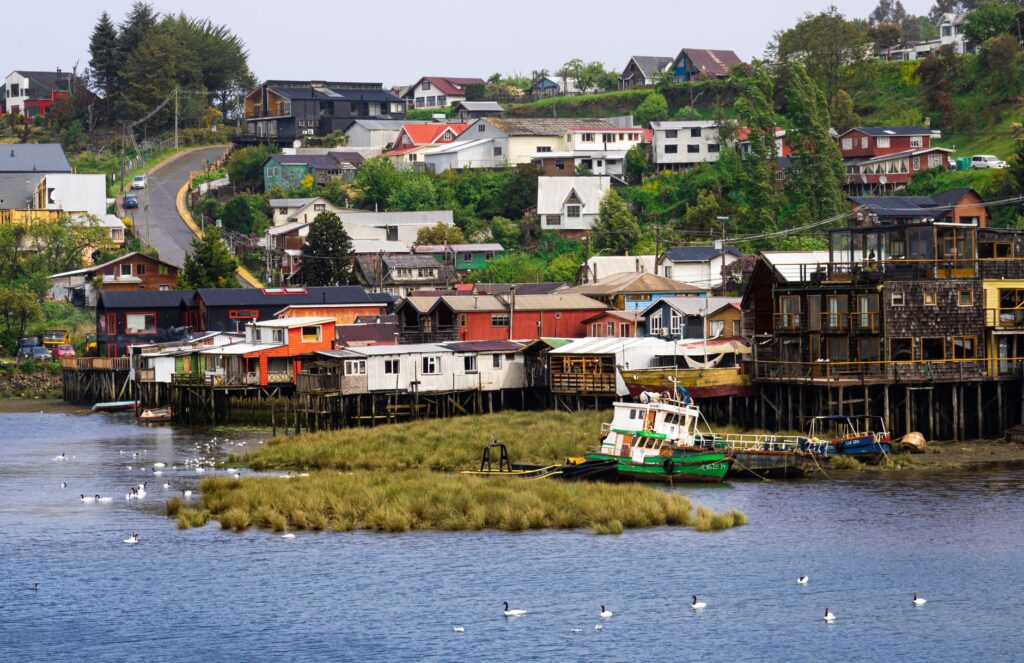
Terrestrial transport within the smaller islands presents a similar challenge. The muddy topography, shaped by constant rainfall exceeding two thousand millimeters annually, turns dirt roads into impassable quagmires during the southern winter. Conventional paving is not only economically unfeasible for communities of a few hundred residents, but it would also destroy the delicate peatlands and coastal wetlands that act as the archipelago’s natural freshwater sponges. It is at this intersection of ecological fragility and human isolation that Chilote sustainable mobility has found its own path, combining clean propulsion on the water with wooden infrastructure on land.
Shipyard wisdom: where native wood meets clean engineering
In the artisanal shipyards of San Juan and Cajón, the scent of damp sawdust blends with the salty sea breeze. Here, shipwrights shape the ribs of vessels using hand adzes, following techniques inherited from Chono navigators and Spanish colonizers. The current innovation lies in integrating hybrid propulsion systems (electric and high-efficiency diesel) into these traditional wooden hulls. Native wood, properly treated, offers a flexibility and vibration absorption that fiberglass or steel hulls cannot replicate, making it ideal for housing the delicate lithium battery banks that power the new electric motors.
“True development does not mean replacing our wooden boats with imported plastic ones, but making our own vessels sail without leaving a trail of smoke over the sea that feeds us.”
This technological conversion process respects the classic hydrodynamics of the Chilote launch, characterized by a raised bow to cut through the waves of the Gulf of Ancud and a wide stern that provides stability. The new electric motors are primarily used during docking maneuvers and navigation in protected inner channels, reducing noise and gas emissions to zero in the most sensitive areas. The auxiliary diesel engine only kicks in on the open sea or when the currents of the Chacao Channel require extra thrust, simultaneously recharging the batteries through a regenerative braking system adapted to the marine environment.
Wooden boardwalks: the subtle art of walking on water and peat
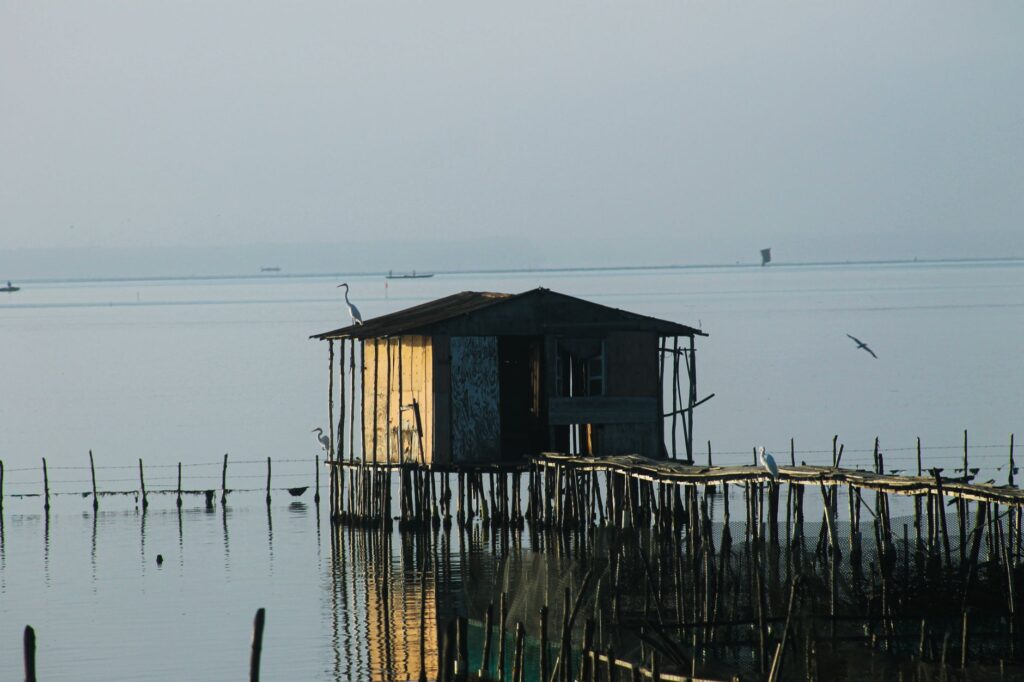
While hybrid vessels transform maritime routes, on land, mobility is resolved by rising above the ground. Chiloé’s wooden boardwalks (pasarelas) are far more than simple pedestrian paths; they are masterpieces of community architecture that allow the movement of people, handcarts, and bicycles without compacting the soil or altering tidal water flows. Built primarily from moisture-resistant woods like ulmo and oak, these structures rise on stilts, connecting scattered homes with the piers where hybrid launches dock.
In localities like Meulín or the Rilán Peninsula, these boardwalks have revitalized the concept of slow community tourism. Visitors and locals share these elevated pathways, which wind through myrtle and tepa forests, crossing salt marshes where the water rises and falls twice a day with tidal ranges that can exceed six meters. By avoiding the construction of roads for heavy vehicles, communities have managed to preserve their traditional agricultural landscape, characterized by the cultivation of ancestral native potato varieties and sheep farming, keeping the human scale of the territory intact.
The community management model: the mystique of the minga applied to transport
The viability of this transport system does not rest solely on technology or materials, but on a deep sense of social organization known in Chiloé as the minga. This tradition of collaborative work, where neighbors unite to roof a house, move a church, or sow a field, has been transferred to the management of maritime routes and boardwalk maintenance. Local sailors’ cooperatives are responsible for operating the hybrid launches, establishing schedules that adapt to the real needs of students and workers, rather than responding to purely commercial criteria.
The maintenance of the wooden boardwalks is also organized collectively. Every spring, families from different sections of the boardwalk gather to replace boards worn down by winter rains and apply natural protective oils made from local resins. This decentralized model ensures that the economic resources generated by transport remain within the communities themselves, reducing dependence on external government subsidies and strengthening the social fabric of the islands.

Toward a zero-emission future in the Chacao: the challenge of scale
Despite local successes on the smaller islands, the ultimate challenge of sustainable mobility in Chiloé lies in the high-traffic crossings, such as the Chacao Channel, which separates the main island from the South American continent. A suspension bridge is currently under construction to connect the territory permanently, a project that divides those seeking rapid integration with global markets and those who fear the loss of insular identity and uncontrolled vehicle traffic. In response, advocates of sustainable mobility propose that the lessons learned on the smaller islands—using high-capacity hybrid ferries and prioritizing multimodal public transport—be applied to the archipelago’s primary flows as well.
The integration of local renewable energy
For the electric and hybrid fleet to be truly sustainable, the electricity used to charge the batteries must come from clean sources. Chiloé has exceptional wind potential due to constant westerly winds, as well as the potential to develop tidal energy in channels where currents are extremely strong. Currently, there are pilot projects to install small community wind turbines on the docks of the smaller islands, allowing launches to recharge directly with the energy generated by the same wind that pushed the ancient Chilote sailboats a century ago.
“The wind that once filled our canvas sails is the same wind that must power the batteries of our modern launches today. Technology changes, but our relationship with nature remains the same.”
This circular approach to energy not only reduces the carbon footprint to zero but also provides energy independence to communities that frequently suffer prolonged power outages due to winter storms. In this way, the hybrid launch is not just a means of transport, but an extension of the community power grid, capable of delivering emergency energy to local health centers in the event of a disaster.
Practical guide
Traveling through deep Chiloé in a sustainable manner requires patience, adaptability, and a deep respect for the rhythms of nature and local communities. Below are the essential guidelines for planning a low-impact journey through the archipelago.
How to get there and move sustainably
To minimize your carbon footprint, it is recommended to access the archipelago by long-distance bus from Santiago or Puerto Montt, which cross the Chacao Channel aboard traditional ferries. Once on the main island (Castro or Ancud), the best option is to use the dense network of local buses that connect urban terminals with various rural docks from which launches depart for the smaller islands.
- Community maritime transport: Launches connecting islands like Apiao, Alao, and Chaulinec depart mainly from the port of Achao (on Quinchao Island). It is essential to check schedules the day before at the local tourism office or directly with the boat captains at the pier, as departures are strictly dependent on wind and tidal conditions.
- Biking and walking: The smaller islands are perfect for exploring on foot or by mountain bike. The wooden boardwalks are designed exclusively for pedestrians; if traveling with a bicycle, remember to walk it when crossing these structures to avoid damaging the native timber and to respect the priority of elderly residents.
Low-impact accommodation and dining
Opt to stay in rural tourism guesthouses managed by local families. These accommodations are typically built using traditional Chilote carpentry techniques, utilizing larch shingles and efficient heating systems based on certified local biomass. Additionally, consuming local gastronomy—based on native potatoes, hand-harvested shellfish, and organic garden vegetables—directly supports the conservation economy of the territory.

Code of conduct on boardwalks and wetlands
Chiloé’s coastal wetlands are sites of international importance for the conservation of migratory birds (such as the Hudsonian godwit). When walking along the boardwalks that cross these spaces, keep your voice low, do not collect plants or shells, and under no circumstances access tidal flats with motorized vehicles or unleashed pets that could disturb feeding birds.
The echo of adzes in the southern wind
As dusk falls over the Dalcahue Channel, the sky turns a deep violet color that is reflected in the calm waters of the inland sea. In the distance, the soft hum of a hybrid launch approaching the dock barely interrupts the crying of gulls and the murmur of the incoming tide. In the nearby shipyard, a group of young apprentices works under the guidance of an old master carpenter, adjusting the ribs of a new vessel with the same precision used to build the wooden churches declared World Heritage sites more than two decades ago.
The experience of Chiloé demonstrates that the path to sustainability does not require the surrender of identity or the blind adoption of generic solutions designed in distant urban laboratories. By uniting ancestral timber wisdom with clean propulsion technologies, the archipelago is not only saving its channels from pollution and noise, but it is also ensuring the preservation of its maritime culture for generations to come. In this labyrinth of water and wood, the future is not built by destroying the past, but by teaching it to sail with the wind of ecology in its favor.