
The Paradox of the Vertical Territory and Untamed Biodiversity
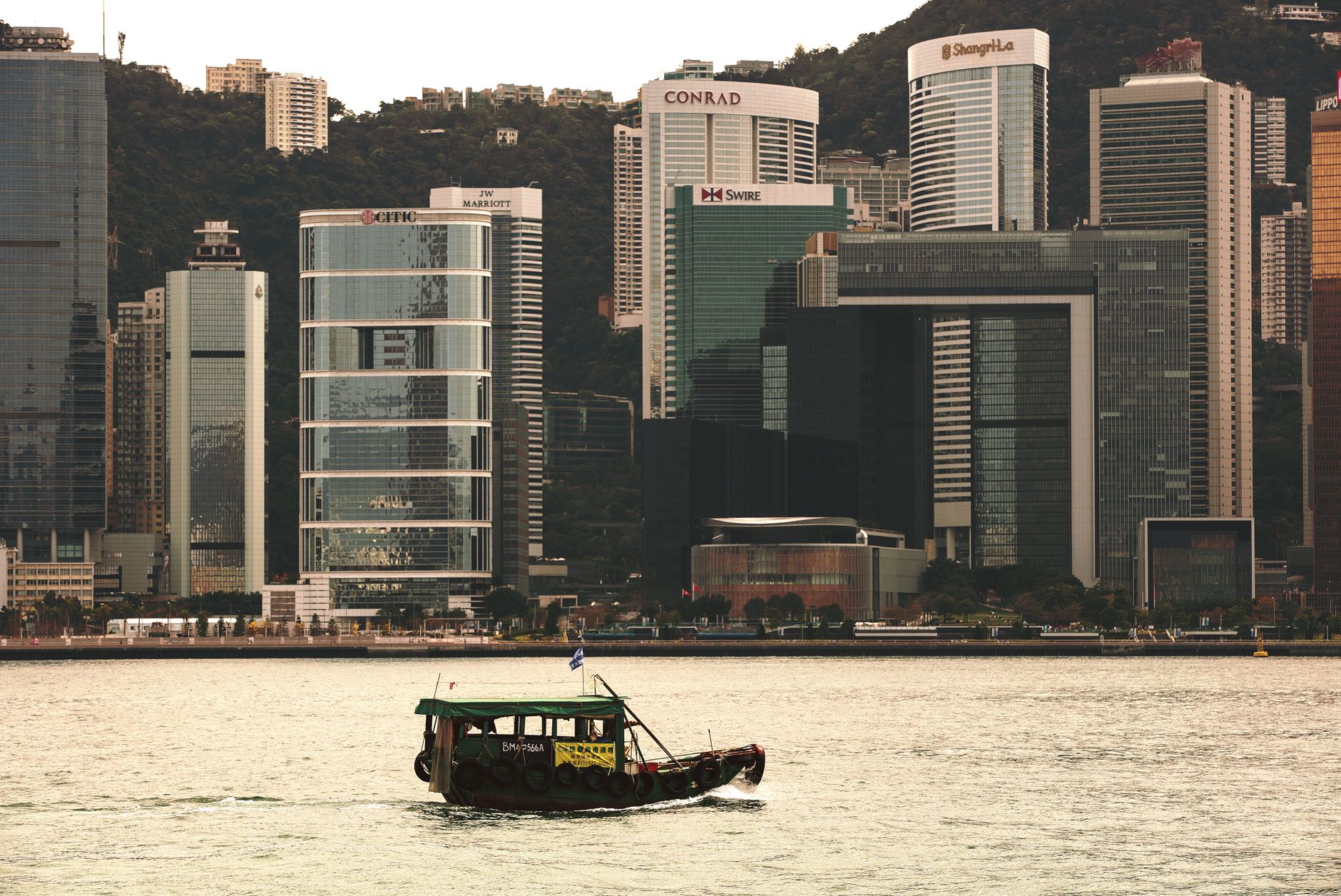
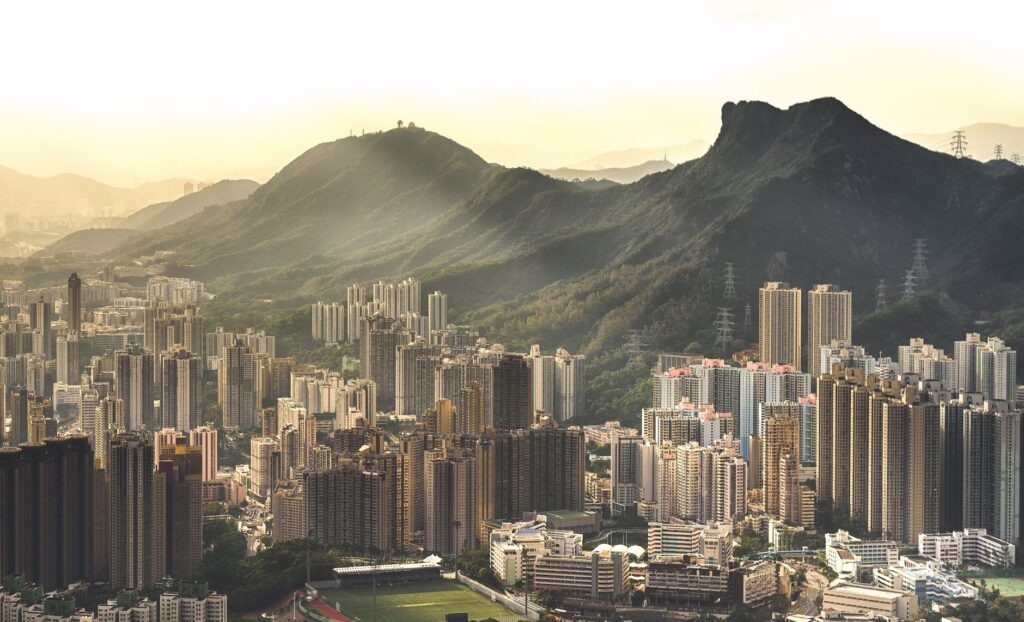
Against the colossal skyline of skyscrapers and the frantic financial activity of one of the most densely populated metropolises on the planet, a geographical reality persists that surprises locals and visitors alike: approximately three-quarters of Hong Kong’s territory consists of open country, subtropical forests, and coastal strips of undeniable ecological value. This radical contrast is not an urban planning accident, but the result of historical conservation policies that preserved large forest reserves and national parks right next to the asphalt. However, the current model shows clear fractures under the growing pressure of both local and international visitors.
The urgency to rethink ecological tourism in the region does not stem from a passing fad, but from the targeted saturation of its most fragile enclaves. While urban areas like Central or Kowloon manage massive flows with pinpoint precision, peripheral trails, northern wetlands, and isolated islands face complex operational challenges. The post-restriction surge in visitor numbers has highlighted the urgent need to modernize access infrastructure, regulate massive flows, and rethink the relationship between outdoor leisure and the integrity of natural habitats.
Authoritative voices in the environmental and academic sectors have pointed out that simple prohibition or unchecked free access are obsolete strategies. The local administration stands at a historical crossroads: transform ecotourism into a real vector of environmental education and financial protection, or allow the progressive degradation of the green lungs that define the territory’s geographic identity.
Between Mangroves and Peaks: Mapping Vulnerable Ecological Treasures
Hong Kong’s natural map is remarkably diverse for its small surface area. From the Mai Po mangroves, vital for migratory birds along the East Asian-Australasian Flyway, to the rugged peaks of Mount Tai Mo Shan, the region harbors biodiversity that defies urban clichés. Nonetheless, the concentration of hikers in iconic spots such as the UNESCO Global Geopark in Sai Kung generates accelerated erosion and disturbs native wildlife.
Traditional routes, originally designed for experienced hikers, have grown exponentially in popularity thanks to social media. This has caused visitors without proper preparation or required environmental sensitivity to access areas of high ecological fragility. Experts recall that managing these spaces requires a delicate balance: allowing direct contact with nature without compromising the carrying capacity of ecosystems.
The phenomenon goes beyond simple trail wear. Litter accumulation, noise pollution, and the disruption of reproductive cycles in local species are tangible problems repeatedly denounced by rangers and non-governmental organizations. Planned reserve expansion and strict visitor limitations in critical areas are emerging as inevitable solutions.
The Pressure of the Masses: The Impact of Overcrowding on Hotspots
On weekends, thousands of residents leave the concrete behind to seek respite in rural trails. This massive exodus, while healthy from the perspective of human welfare, overburdens rural public transport services, saturates local parking lots, and generates congestion at the most coveted panoramic viewpoints. Overcrowding not only degrades the traveler’s experience but also leaves an unsustainable carbon footprint and physical pressure on fragile subtropical soils.
Tour operators and local authorities have noticed a shift in the visitor profile. They are no longer just traditional hikers, but international tourists seeking nature experiences and photographers drawn by the digital fame of certain landscapes. This diversified demand requires more sophisticated management tools that go beyond the classic placement of warning signs.
The institutional response, as demanded by various conservation groups, must involve the implementation of quotas and mandatory digital reservation systems—measures already successfully applied in other international-level natural parks but advanced in a fragmented and uncoordinated manner in Hong Kong.
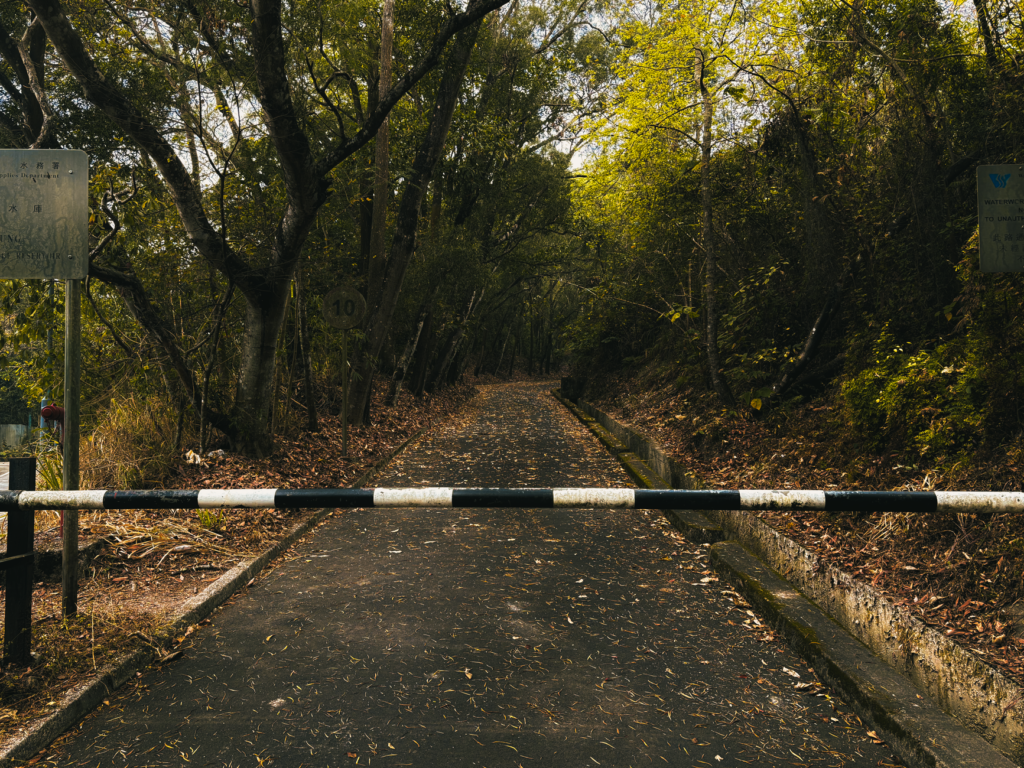
Nature in Hong Kong is not an urban backdrop, but a resilient yet vulnerable ecosystem that demands rigorous planning and absolute respect.
Toward a New Management Paradigm: Digitalization and Smart Quotas
The modernization of ecotourism planning inescapably involves the adoption of capacity control technologies and centralized booking platforms. Currently, many biodiversity hotspots lack mechanisms to dose visitor entry, leading to uncontrollable saturation peaks during holidays and favorable weather days.
Implementing advance reservation systems to access sensitive ecological enclaves should not be interpreted as an elitist restrictive measure, but as an indispensable instrument of environmental preservation. By limiting daily attendees, soil compaction is drastically reduced, impact on wildlife is minimized, and a much more enriching and quiet experience is guaranteed for those genuinely seeking to connect with the environment.
Likewise, revenues generated from these reservation fees or access permits could be directly allocated to trail maintenance, environmental patrol funding, and the improvement of public education programs, closing a virtuous circle of financial and ecological sustainability.
Transport, Local Communities, and the Rural Connectivity Challenge
One of the greatest obstacles to orderly ecotourism in Hong Kong lies in transport infrastructure. Rural buses and ferries to outlying islands operate at full capacity during weekends, generating long queues and frustration among both visitors and local residents who depend on these services for daily life.
Comprehensive planning must include the optimization of sustainable mobility, offering shuttle public transport alternatives and regulating private vehicle access near rural parks. Close collaboration with local communities, especially in traditional rural areas of the New Territories, is essential to ensure that tourism development economically benefits indigenous inhabitants without disrupting their quality of life.

The balance between preserving rural heritage and opening up to tourism requires constant dialogue and mutual respect. Initiatives integrating local gastronomy, crafts, and resident-led guidance add undeniable differential value to the trip, transforming the passive tourist into a respectful actor within the region’s social fabric.
Environmental Education and the Role of New Generations
No structural reform in natural space management will succeed without a profound shift in citizens’ environmental culture. School education and public awareness campaigns must emphasize that enjoying the natural environment entails inescapable civic responsibilities, from managing one’s own waste to strictly prohibiting feeding wildlife or altering flora.
Local environmental associations play a catalytic role in this area, organizing volunteer workshops for beach cleanups, reforestation of degraded areas, and scientific monitoring of birds and marine mammals. The active participation of new generations in these tasks consolidates a solid ecological awareness that transcends recreational moments.
The challenge consists of turning respect for biodiversity into a cross-cutting cultural value in a hyper-technological and urban society. Only thus will future citizens be guaranteed to value green spaces not merely as places for occasional leisure, but as irreplaceable vital heritage.
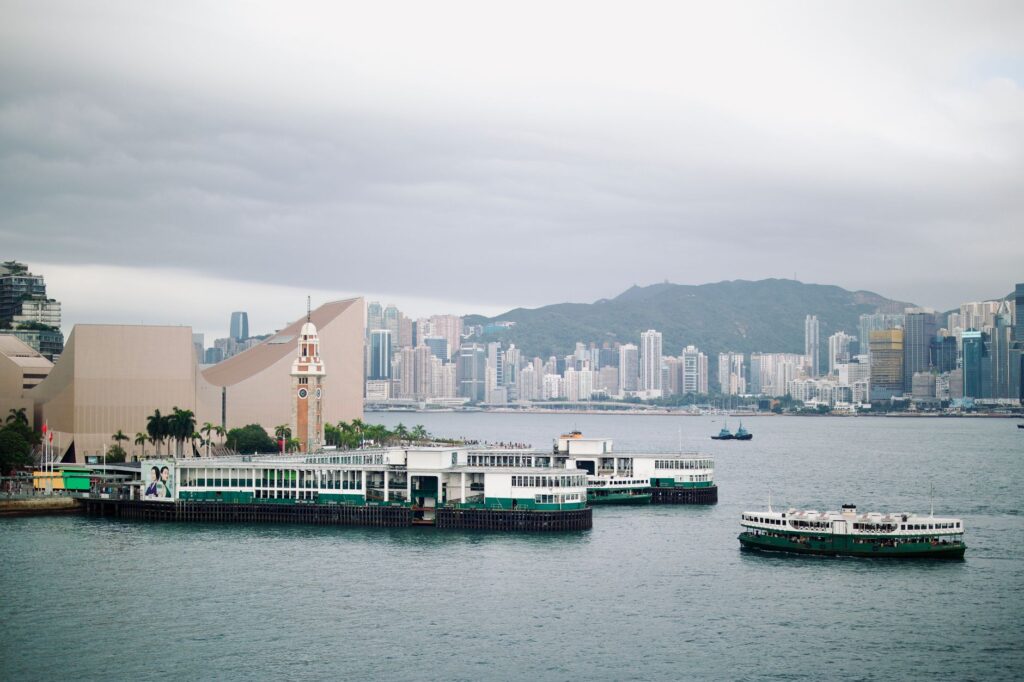
Practical guide
When to travel: The months between October and April offer the most favorable weather conditions to explore Hong Kong’s natural spaces, featuring temperate temperatures and lower ambient humidity.
How to get there: Hong Kong International Airport connects with major global capitals. Once in the territory, the metro network (MTR) and urban buses facilitate access to transfer stations connecting to rural transport lines.
Visitor rules: Visitors must carry all generated waste back to urban areas, as many trails lack trash cans. Lighting fires outside designated areas and disturbing local wildlife are strictly prohibited.
Recommended accommodations: For an integrated experience, small family-run guesthouses in the New Territories or authorized eco-lodges meeting strict energy efficiency standards are prioritized.
Reservations and access: It is recommended to check official government agriculture and conservation department portals to verify temporary trail restrictions and permit availability for specific nature reserves.
The Green Heartbeat That Resists Behind the Skyscrapers
When twilight descends over the bay and neon lights begin to flicker across the urban profile, the vast gloom of the surrounding mountains reminds us that nature in Hong Kong possesses its own ancient, tenacious rhythm. The reforms proposed by experts and conservationists do not seek to shield natural spaces against human beings, but to harmonize the presence of both under criteria of strict prudence and respect.
Preserving this subtropical refuge is, ultimately, an exercise in civic balance and forward-looking vision. It demonstrates that even at the heart of the most relentless financial modernity, it is possible to forge a path where human progress and wildlife survival coexist in respectful harmony.
The true luxury of the contemporary traveler is not artificial isolation, but the certainty of walking through a territory where wild nature retains its right to the future.
Source in English: South China Morning Post