
The Amphibious Geography and the Pulse of Fresh Water
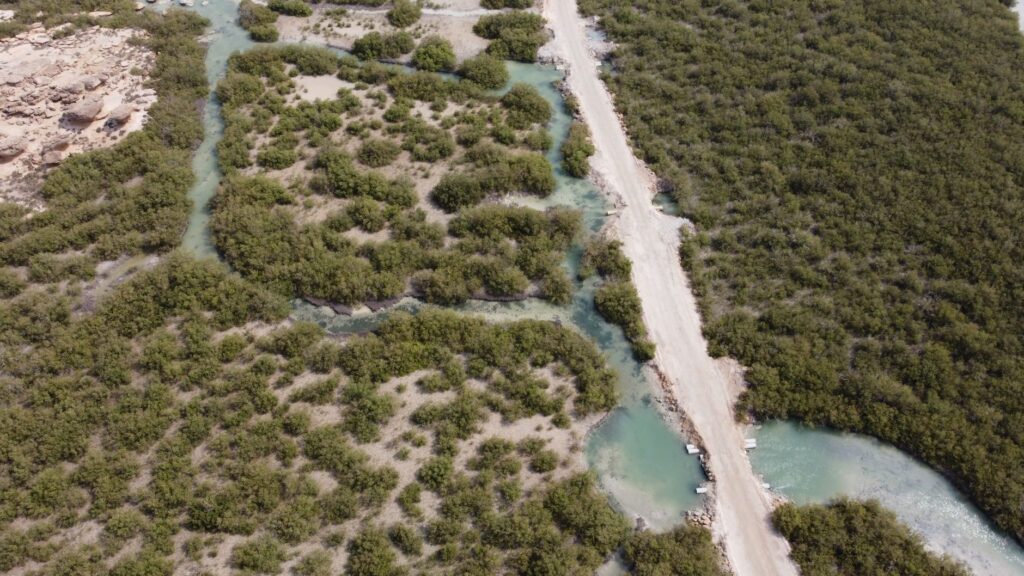
The territory of the Ciénaga Grande de Santa Marta, in the department of Magdalena, is not governed by traditional land maps. It is an estuarine complex where the foothills of the Sierra Nevada de Santa Marta discharge their streams toward the Caribbean Sea, entangling colossal mangroves, brackish water mirrors, and ancestral channels that for decades suffered ecological strangulation. Here, human survival and environmental health have been bound by a fragile pact, historically threatened by the construction of roads that cut off the natural flow of water and raised salinity to the point of suffocating entire hectares of submerged forest.
Faced with this socio-ecological crisis, artisanal fishers, marine biologists, and local organizations have launched a territorial regeneration model that redefines the relationship between communities and their environment. This is not superficial tourism intervention, but a profound transformation of local mobility and economy. The restoration of the canals—natural channels connecting the Magdalena River to the wetland—has become the backbone of a strategy where every boat, every inhabitant, and every fisher plays an active role in citizen science and mangrove monitoring.
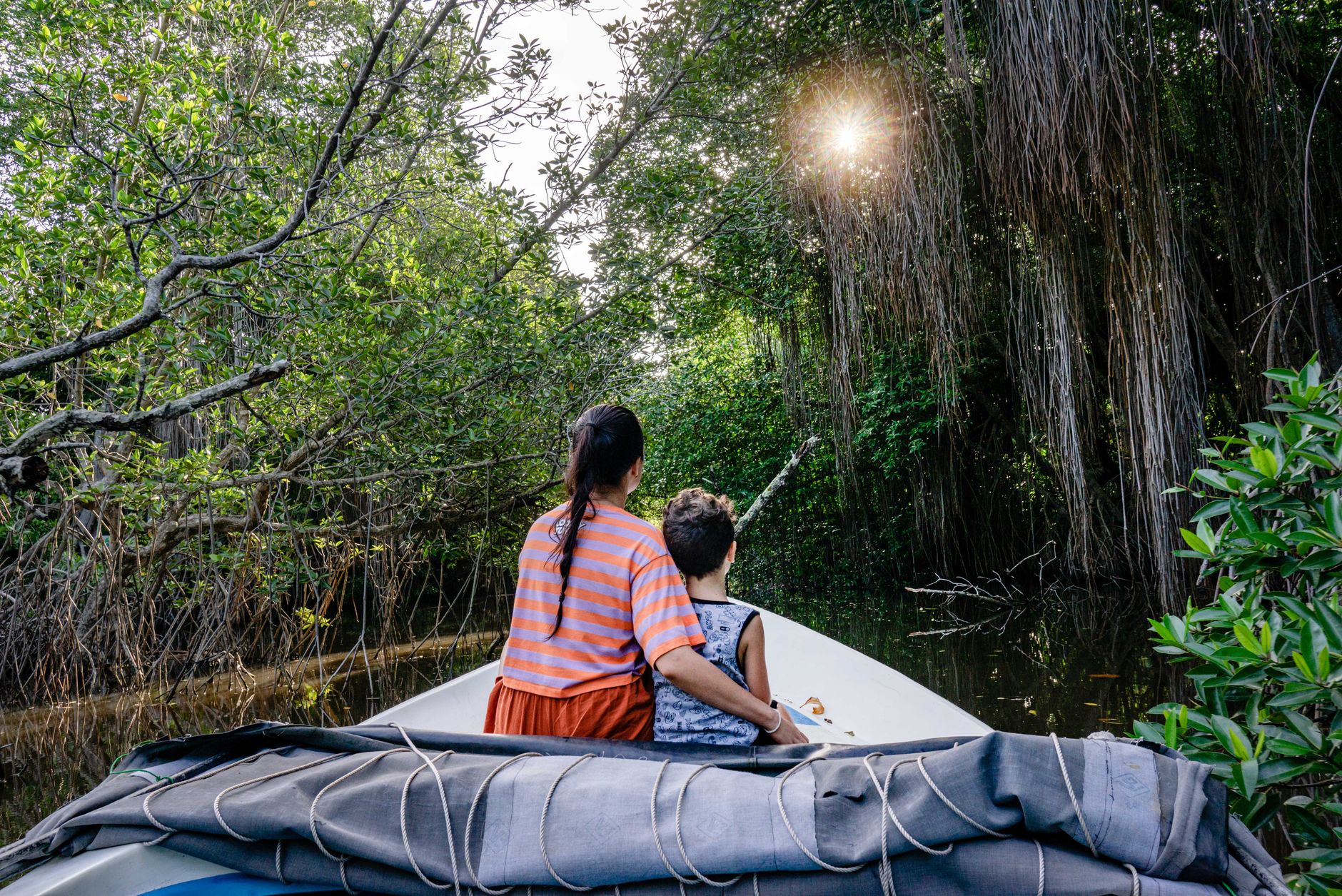
Understanding this renaissance requires venturing into the channels at a time when the dawn light barely pierces the dense canopy of aerial roots. Unlike combustion engines that once scared away wildlife and polluted the still waters, a new silent fleet plies the water mirrors. This technological and cultural shift demonstrates that active conservation in tropical wetlands is possible when ancestral water knowledge is combined with low-impact technical innovations.
The Historical Canal Network and Restoration Engineering
During the second half of the twentieth century, road infrastructure drastically altered the hydrological balance of the Ciénaga Grande. The construction of the highway connecting Barranquilla to Santa Marta blocked the dynamic exchange between the sea and continental freshwaters, causing a lethal rise in salinity, massive fish mortality, and the desiccation of extensive mangrove zones. Local communities were the first to witness how the livelihoods of entire generations vanished as water lost its oxygen and movement.
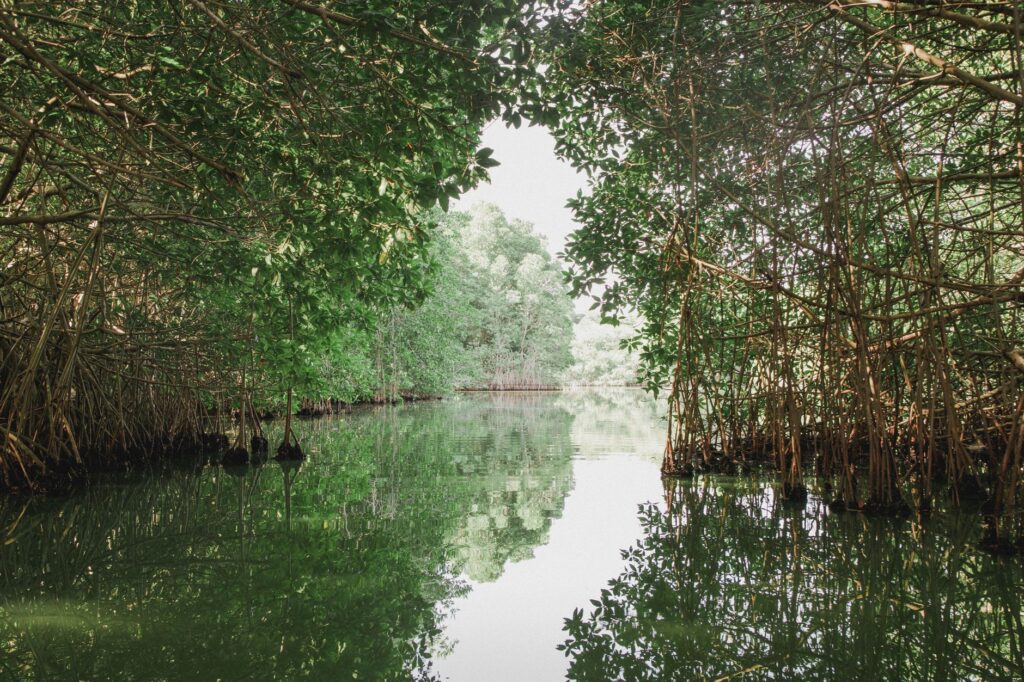
Institutional and community response began to take shape through a systematic program of reopening and cleaning silted-up canals. This process of ecological engineering avoids destructive heavy machinery; instead, it prioritizes precision manual and mechanical dredging carried out by local fisher crews who know every bend, current, and sediment bank. Restoring the original flow reestablishes the nutrient cycle, allowing fresh water to dilute accumulated salinity and return optimal conditions for commercial species spawning and the spontaneous germination of new mangrove trees.
The true restoration of a wetland is not measured in tons of removed sediment, but in the silent return of species we thought were lost in our own backyards.
This hydrological reopening effort has demonstrated that nature possesses formidable resilience if its communication routes are restored. Hydrological monitoring conducted by regional universities confirms notable decreases in salinity levels and sustained increases in native fish populations, such as mojarra and snook. Each cleared channel functions as an artery irrigating life into a body of water that was on the verge of systemic collapse.
Solar Navigation and Zero-Emission Fluvial Mobility
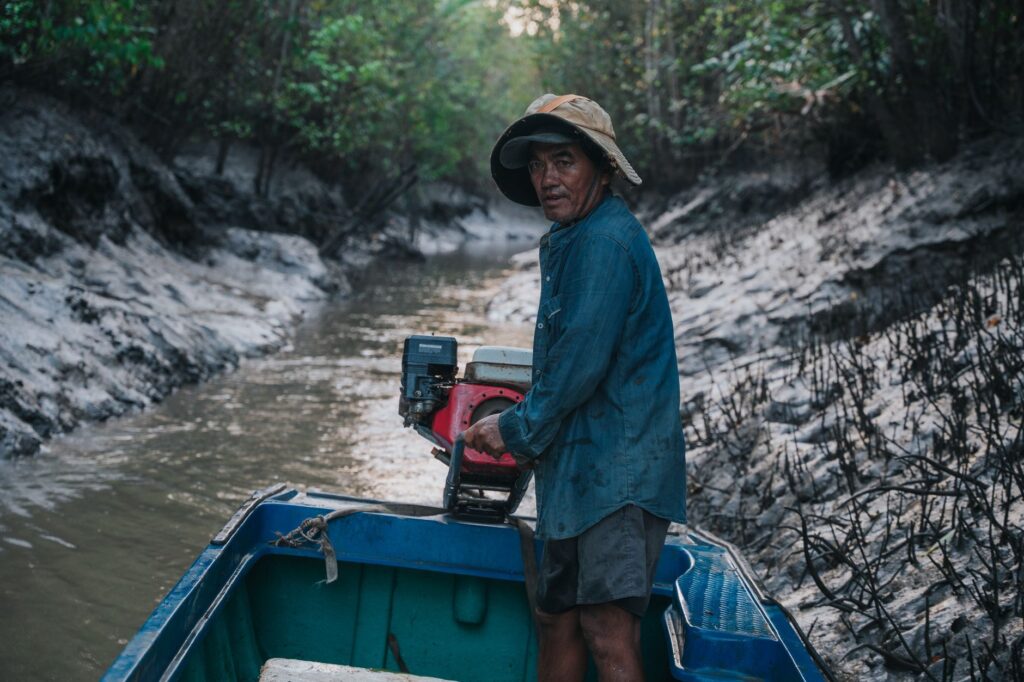
Transportation within the Ciénaga Grande has historically relied on paddle-powered canoes or boats equipped with gasoline outboard motors. While motors facilitated long journeys, their acoustic and chemical footprint generated constant stress on aquatic fauna and contributed to hydrocarbon pollution in the delicate channels. As part of the ecological transition promoted in the region, fishing cooperatives and community tour operators have begun incorporating solar-assisted electric propulsion.
The new community vessels are equipped with lightweight photovoltaic panels on their awnings, charging deep-cycle batteries during peak tropical radiation hours. This system enables completely silent navigation free of direct carbon emissions. Boats can travel through mangrove labyrinths at a steady pace, allowing visitors and researchers alike to approach wading bird colonies and manatees without disrupting their natural behavior.
This energy transition not only reduces operating costs for fishers—who are no longer subject to rising fossil fuel prices—but revalues the role of local guides. By eliminating the deafening roar of traditional engines, the river journey transforms into an immersive experience where the sound of wind in the leaves and splashing fish reclaim the acoustic prominence of the landscape.
Citizen Science and Biological Monitoring of Mangroves
Conservation in the Ciénaga Grande is no longer an exclusive exercise for distant scientific offices. Today, local inhabitants have become the primary custodians and collectors of biological data in the territory. Through training workshops in collaboration with environmental research institutes, fishers and youth from amphibious communities use mobile apps, multiparameter probes, and field logs to record water quality, temperature, and mangrove sapling growth.
This scientific empowerment allows anomalies to be detected early, such as sudden temperature increases or episodes of sediment pollution originating from the upper basin. Collected information integrates into regional databases guiding environmental management decisions in real time. When a mangrove zone shows signs of stress, alerts issued by local lookouts trigger immediate cleanup protocols or hydrological flow regulation.
The social impact of this model is profound. By directly engaging in the science and management of their ecosystem, communities reaffirm their identity as amphibious peoples. Traditional knowledge, passed down through generations regarding lunar phases, trade winds, and tidal behavior, intertwines symbiotically with contemporary scientific methods, generating robust hybrid knowledge to face climate change challenges in the Caribbean.
Amphibious Architecture and Low-Impact Refuges
Human settlement in the Ciénaga Grande features unique vernacular architecture adapted to permanent water level fluctuations. Stilt houses built on moisture-resistant timber pilings form iconic villages like Nueva Venecia and Buenavista, where streets are channels and the exclusive mode of transport is the boat. Maintaining these traditional structures under strict sustainability criteria is one of today’s greatest challenges to prevent environmental degradation.
In recent years, housing improvement programs have integrated ecological sanitation solutions, such as greywater treatment systems using floating artificial wetlands and the installation of residential solar panels. These technologies prevent domestic waste from directly polluting the swamp waters, protecting the fishing banks upon which the local economy depends. Furthermore, community architecture recovers ancestral naval carpentry techniques and efficient use of certified timber.
Building on water in harmony with the mangrove requires understanding that every stake and roof must integrate into the natural tidal flow without imposing artificial barriers on the landscape.
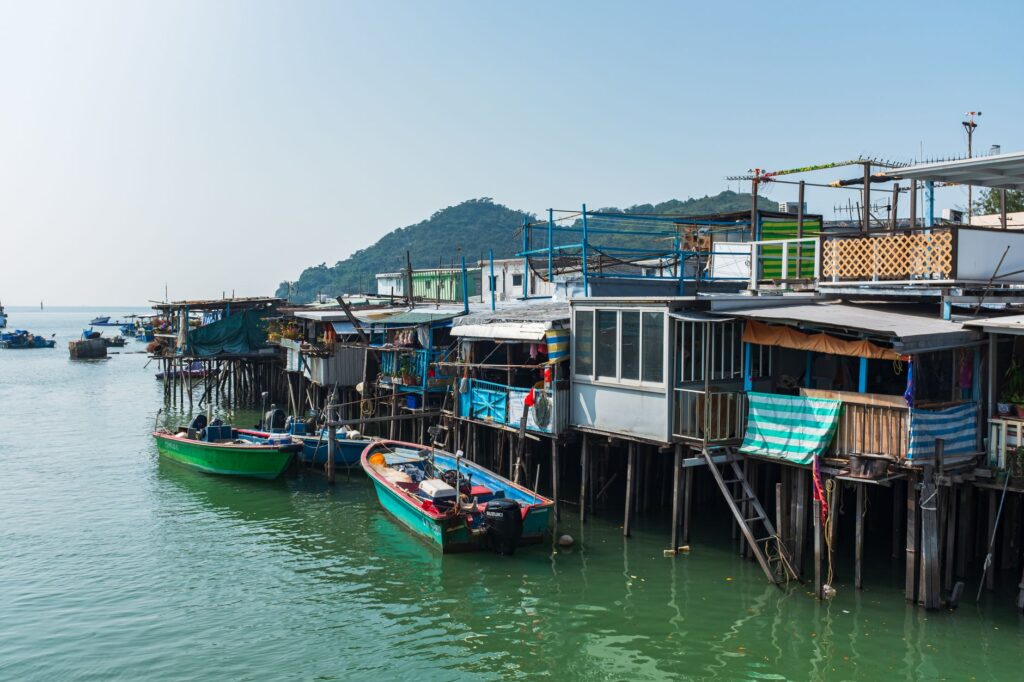
The design of these visitor welcome spaces aims to minimize ecological footprint, offering stays respectful of community rhythms. Travelers arriving at the stilt houses find no massive hotel complexes, but rooms integrated into the community fabric, where water is the most precious resource and its management follows strict conservation and reuse guidelines.
Practical guide
How to get there: The usual starting point is Santa Marta or Barranquilla. From there, access is overland to riverside municipalities like Puebloviejo or Tasajera, or directly to tourist docks in the Palermo area, where authorized river navigation cooperatives operate.
Best time to visit: The months between December and April coincide with the dry season and stable trade winds, offering optimal conditions for navigation and observing migratory birds arriving from North America.

Local mobility: The use of noisy combustion-engine boats inside restored canals is strictly prohibited. It is recommended to hire exclusively certified local guides operating solar boats or traditional canoes.
Accommodation and gastronomy: Stays in stilt houses managed by community cooperatives in Nueva Venecia are suggested. Local gastronomy is based on fresh estuary products, highlighting traditional preparations with mojarra, snook, and mangrove shrimp.
Ethical and respectful recommendations: Respect the privacy of inhabitants in stilt villages. Do not throw waste into the water under any circumstances and purchase local handicrafts or products directly from community associations to support the regional circular economy.
The Reflection of Roots at Mangrove Dusk
As afternoon begins to wane over the Ciénaga Grande, the Caribbean sky fills with deep ochres, violets, and intense oranges reflecting like a perfect mirror on the still surface of the channels. In that instant of absolute silence, the dark silhouettes of red mangroves spread their aerial roots like open hands holding the balance of amphibious life. A solar boat moves slowly, barely brushing the water, guided by a fisher watching with pride as fish leap once more beside the bow. In this recovered territory, conservation is not an abstract theory written in distant manuals, but a daily heartbeat, a fulfilled promise between the fresh water of the mountain range and the salty expanse of the sea, where the community has understood that its own future depends entirely on the health of its submerged forests.