
The echoes of the past in the Po valley
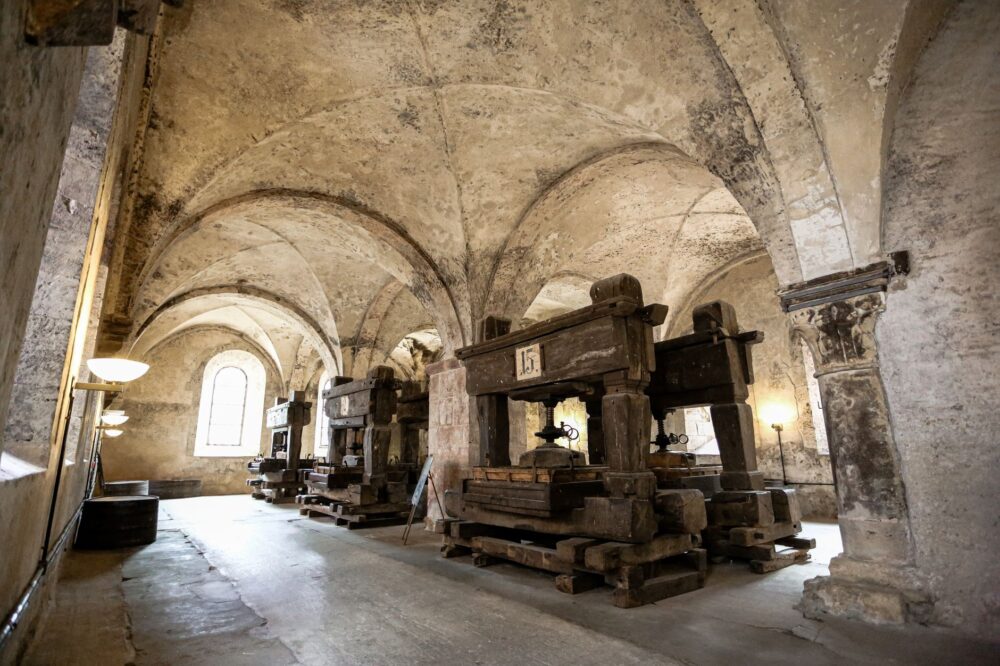
In the heart of Lombardy, the morning fog rising from the Po River frequently envelops Cremona’s exposed brick facades and bell towers. Far from being a melancholic backdrop, this meteorological phenomenon defines the ideal environmental humidity that, for centuries, has conditioned the work inside the city’s workshops. Here, red spruce and maple wood are not merely building materials, but living organisms requiring patience, intuition, and an encyclopedic knowledge of acoustic physics. The art of historical luthierie does not seek to replicate industrial modernity standards, but rather delves into sound archaeology to understand how viola da gammas, lutes, and curved-bow violins sounded before large concert halls demanded overwhelming volume.
The history of this territory is inextricably linked to legendary lineages such as the Amati, Guarneri, and Stradivari families. However, for decades, the modernization of conservatories and the standardization of symphony orchestras relegated the manufacture of historical instruments to an academic footnote. Today, a new generation of artisans is transforming ancient workshops into centers of musicological research. They do not limit themselves to carving scrolls or hollowing out harmonic tops; they analyze the density of growth rings in alpine wood, experiment with animal glues made following Renaissance recipes, and recover varnishes based on shellac, amber, and essential oils that allow the wood to breathe and project unique harmonics.
Selecting raw materials in high-altitude forests
The creation process of a historical instrument begins hundreds of kilometers away from Cremona, in the forests of the Dolomites and the Swiss Alps. Master luthiers travel in person to select specimens of Picea abies, or red resonance spruce, whose straight fibers and absence of knots guarantee optimal transmission of sound waves. Felling must take place strictly during the winter, when sap is at its lowest level, drastically reducing the presence of sugars and heavy resins that could rot the wood or dampen the sound over the years.
Once inside the workshop, the wood undergoes a natural drying process that can last for a decade or more. In a world dominated by instant gratification, this silent storage represents an act of faith and temporal sustainability. Each plank is gently tapped with small wooden mallets to check its natural resonance frequency.
The chosen wood is not the most visually stunning, but the one that sings best when air passes through it before it is even carved.
Artisans explain that the secret lies in finding the perfect balance between longitudinal rigidity and transverse flexibility, a parameter that no automated machine can measure with the sensitivity of the human hand.
Forgotten geometries and parchment tracing
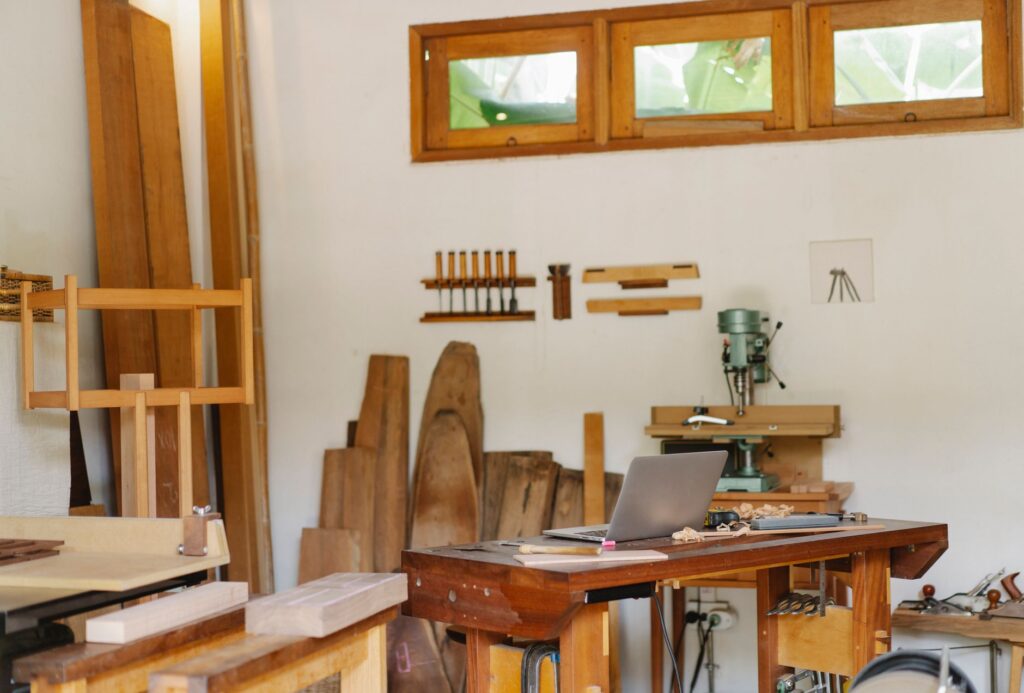
Unlike modern instruments, which follow millimeter-standardized patterns, building a viola da gamba or a lute requires the meticulous study of ancient treatises, engravings, and preserved pieces in museums across Europe. Luthiers work on oak tables covered in wood shavings, using brass dividers and ruling pens to trace golden proportions onto sheets of parchment. These sacred geometries determine not only the exterior aesthetics of the instrument, but the internal volume of the soundbox and the exact placement of harmonic bars.
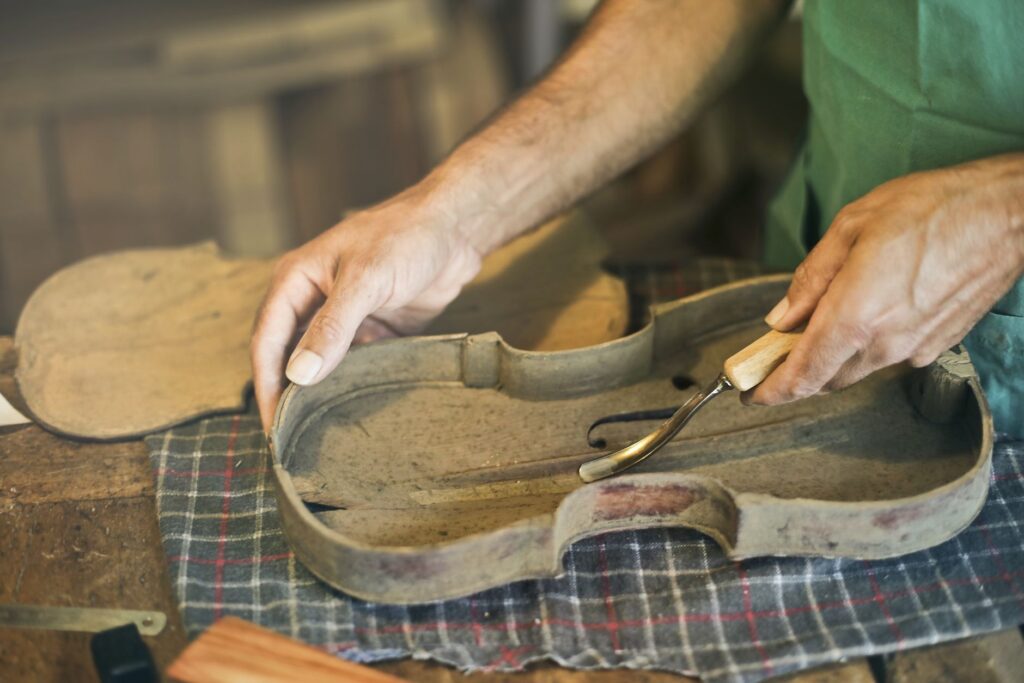
Soundboards are rough-hewn by hand using gouges of various radii and carving knives. The thickness of the spruce is not uniform; it tapers millimetrically toward the edges to allow the perimeter to vibrate more freely, while the center maintains the thickness necessary to withstand the tremendous pressure exerted by tensioned strings. This dynamic balance is the result of decades of empirical experience. Every stroke of the gouge is an irreversible decision that will determine whether the future instrument possesses a nasal, melancholic voice or a brilliant, expansive timbre capable of dialoguing with an 18th-century harpsichord.
The alchemy of varnish and natural pigments
One of the greatest mysteries haunting luthierie is the exact composition of historical varnishes. Far from synthetic resins and UV-drying polyurethanes used in contemporary industry, Cremona’s workshops prepare their own brews in small electric furnaces located in interior courtyards. Pine resins, benzoin, myrrh, and socotrine are slowly dissolved in purified alcohols or linseed oils cooked in the sun for weeks.

Applying varnish is a ritual demanding precise atmospheric conditions and absolute concentration. A very soft marten-hair brush is used to apply up to twenty ultra-thin layers, letting each one dry completely before applying the next. The goal is not to create an impermeable armor, but a flexible skin that protects the wood without suffocating it. Between coats, the artisan polishes the surface with pumice stone powder and dried horsetail, achieving a translucent texture that reveals the golden grain of the wood and refracts light with unmistakable warmth.
The soundpost, necks, and gut tension
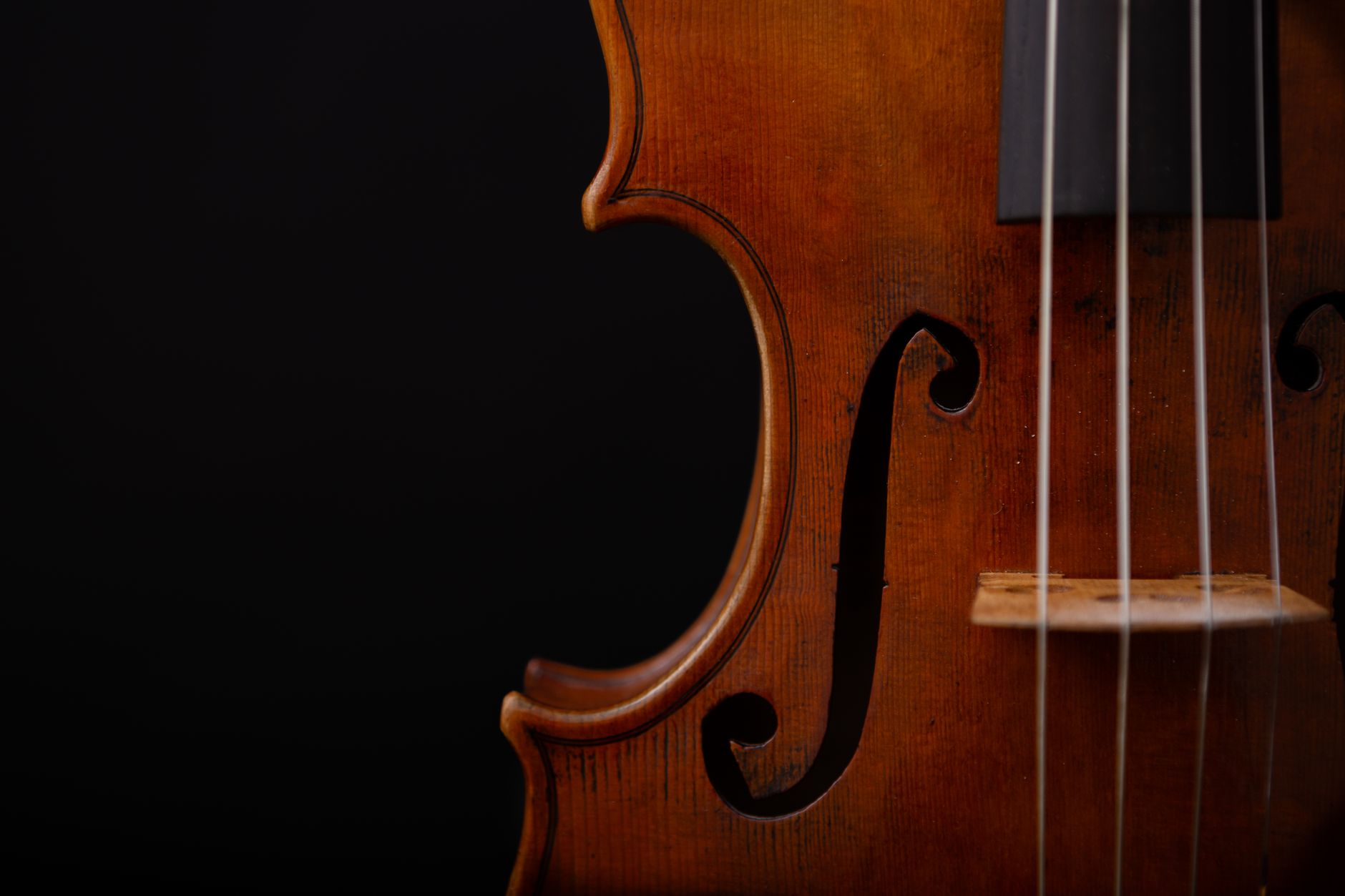
The final assembly of a historical instrument reveals the complexity of its internal anatomy. Placing the bass bar and the soundpost—a small cylinder of spruce miraculously positioned beneath the right foot of the bridge—is a surgical operation performed through the f-holes or carved rosettes. A millimeter of deviation in the soundpost’s position can completely ruin the acoustic response of the instrument, suffocating the lows or sharpening the highs until they become unbearable.
Likewise, pegboxes and tailpieces are usually carved from fruitwood, such as pear or plum, often inlaid with bone or mother-of-pearl following Mannerist aesthetic canons. As for strings, contemporary makers collaborate with specialists in traditional cordmaking to recover unspun sheep gut strings. These strings, although more sensitive to temperature and humidity changes, produce a sound rich in warm harmonics and a soft attack that is essential for correctly interpreting the Renaissance and Baroque repertoire.
The historical instrument does not play to fill a massive stadium, but to intimate with the listener in a small room, exactly as it was originally conceived.
Open workshops and generational transmission
The renaissance of historical luthierie in Cremona would be impossible without a collaborative network between veteran masters and young apprentices arriving from around the globe. The Cremona International School of Luthierie, founded in the mid-20th century, has adapted its curriculum to include specific modules on historical research and restoration of ancient instruments. Students spend years learning to sharpen their own tools, a fundamental exercise that separates an artisan from a mere machine operator.
In these workshops, knowledge is not transmitted through printed manuals, but through silent observation and constant correction. An apprentice may spend months entirely planing test boards before being permitted to touch a piece destined for a real instrument. This radical requirement ensures that tradition does not become a museum fossil, but a living trade capable of meeting the demands of early music specialists seeking instruments with an unrepeatable acoustic personality.

Practical guide
- Getting there: Cremona is perfectly connected by regional rail with Milan, Brescia, and Mantua. The train journey from Milan Central Station takes approximately one hour. If traveling by car, the A21 highway (Turin-Brescia) has a direct exit toward the city.
- When to go: Spring and autumn offer mild weather conditions ideal for exploring the historic center on foot. Months like May and October host temporary exhibitions and chamber music concerts in deconsecrated churches.
- Workshop etiquette: Most workshops are active, silent workspaces. It is essential to request an appointment in advance before visiting and avoid touching instruments or wood drying processes without explicit authorization from the master.
- Accommodation: Staying in small boutique hotels located in restored historic palazzos near Piazza del Comune is recommended to experience the city’s traditional atmosphere.
- What to pack: Comfortable footwear with slip-resistant soles, as the old town streets retain original cobblestone sections that can become slippery during rainy days or intense humidity.
The silent heartbeat of the workshop at dusk
When the sun sets behind Cremona’s rooftops and twilight fills the corners of the workshop, silence reclaims its natural territory. On the workbench, a newly strung viola da gamba waits in repose, its amber varnish still shimmering under the dim light of a flexo lamp. In this moment of pause, the workshop leaves behind technical concentration and becomes a refuge where centuries of history, the patience of alpine forests, and the trembling pulse of the human hand converge to give shape to the air. Outside, the cold fog of the Po Valley continues advancing through paved streets, reminding us that the most enduring beauty is always born from the shelter of memory and patient manual labor.