
Sculpted over millions of years by relentless plate tectonics and glacial erosion, Yosemite National Park stands as one of the Earth’s most eloquent geological testaments. Situated in the heart of the Sierra Nevada mountain range in California, this territory of granitic summits, hanging valleys, and monumental waterfalls is not merely an icon of North American landscape romanticism, but a complex natural laboratory where alpine climatology and biodiversity interact under unprecedented anthropogenic pressure. Understanding Yosemite requires looking beyond the summer postcard to examine the ancient forces that elevated and carved these igneous rock monoliths.
Yosemite’s history began over one hundred million years ago, during the Cretaceous period, when massive volumes of molten magma rose from the depths of the Earth’s crust and cooled slowly beneath the surface, giving rise to the massive granitic plutons that define the landscape today. Subsequent orogenies and tectonic uplifts elevated the entire mountain chain, setting the stage for Pleistocene glaciations. During these cold cycles, giant tongues of ice descended through pre-existing riverbeds, widening and polishing the valleys into the characteristic vertical-walled U-shaped chasms that dazzle contemporary visitors.
Plutonic Genesis and the Architecture of Granite
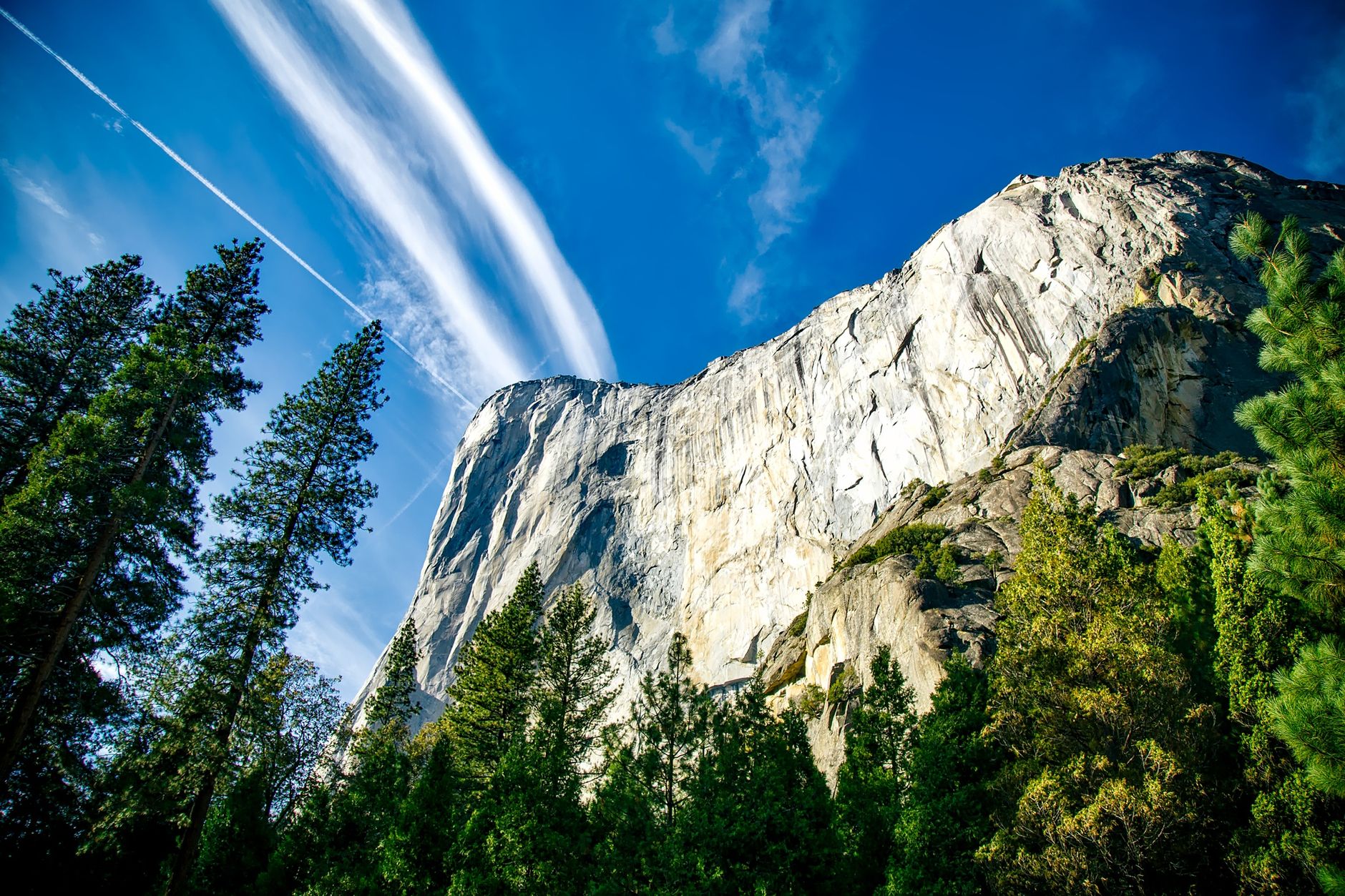
The substrate sustaining Yosemite’s ecosystem is dominated by the Sierra Nevada batholith, a vast complex of intrusive rocks exposed to weathering after eons of denudation. Unlike sedimentary or volcanic formations, granite exhibits differential resistance to the elements, conditioned by its crystalline structure of quartz, feldspar, and mica. This mineralogical composition grants colossal formations like El Capitan and Half Dome their iconic chromatic solidity and their capacity to stand tall, defying gravity through intricate systems of vertical fracturing.

Processes of physical weathering—especially pressure-release exfoliation, in which the outer layers of rock detach in large curved sheets due to the release of subsurface pressures—constantly model these stony masses. This geological dynamism contradicts the false impression of immutability projected by stone. The scars left by recent rockfalls remind observers that Yosemite is a geologically living landscape in perpetual transformation, where stability is a temporal illusion.
Alpine Climatology and Altitudinal Gradients
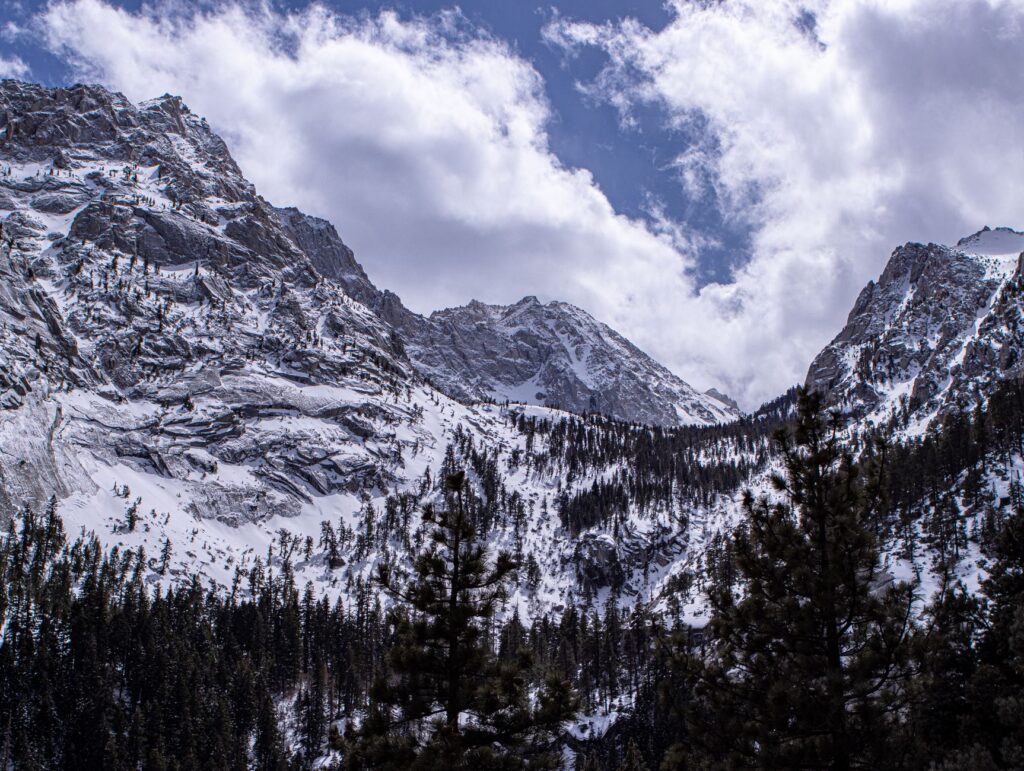
The distribution of life in Yosemite is relentlessly dictated by topography and the rigors of a pronounced Mediterranean mountain climate. Summers are typically warm and dry, while winters concentrate the majority of precipitation, primarily as dense snowfalls that feed the alpine snowpack. This solid water storage is the region’s hydrological engine; its gradual melting during spring and summer feeds the streams and celebrated waterfalls that define the main valley.
However, global climate change is altering this dynamic at an alarming rate. Historical records from the region show a progressive decrease in accumulated snow volume and a systematic advancement in the peak of spring snowmelt. This hydrological mismatch subjects aquatic and riparian ecosystems to severe water stress during the summer months, altering ecological flows and modifying the habitats of numerous endemic species dependent on a steady supply of cold water.
Montane Forests and the Transition Zone
As one ascends from the valley floor, situated around one thousand meters above sea level, to summits exceeding three thousand meters, distinctly differentiated life zones are traversed. Lower levels are dominated by open forests of ponderosa pine, California black oak, and incense cedar, species perfectly adapted to low-intensity wildfires that historically formed part of the natural understory renewal cycle.
As terrain gains altitude, the landscape transitions toward denser formations of white fir, lodgepole pine, and, in subalpine belts, the majestic mountain pine and whitebark pine. These forests are not only essential carbon sinks, but also complex biological corridors. They harbor emblematic mammals such as the American black bear (*Ursus americanus*), the mule deer, and the elusive bobcat, alongside diverse avifauna finding refuge in the cavities of mature trees and high-mountain brushlands.
The Ecological Role of Prescribed Fire
For decades, the dominant policy in national park management prioritized the total suppression of any conflagration, under the mistaken premise that all fire was destructive. This intervention profoundly altered Yosemite’s ecology. The massive accumulation of dead biomass and underbrush transformed natural low-intensity fires—which cleaned the forest floor and stimulated the germination of certain plant species like the giant sequoia—into catastrophic crown fires capable of wiping out entire forests.
Today, the National Park Service applies rigorous prescribed burning programs and manages lightning-caused fires under strict scientific protocols. This strategy aims to restore the historical disturbance regime, reducing accumulated fuel loads and allowing native vegetation to recover its ecological resilience against the recurring droughts associated with contemporary climatic variability.

The conservation of an alpine landscape does not consist of freezing it in time, but of preserving the dynamic ecological and geological processes that shaped it and sustain its future.
Wooden Giants: Ecology of the Giant Sequoias
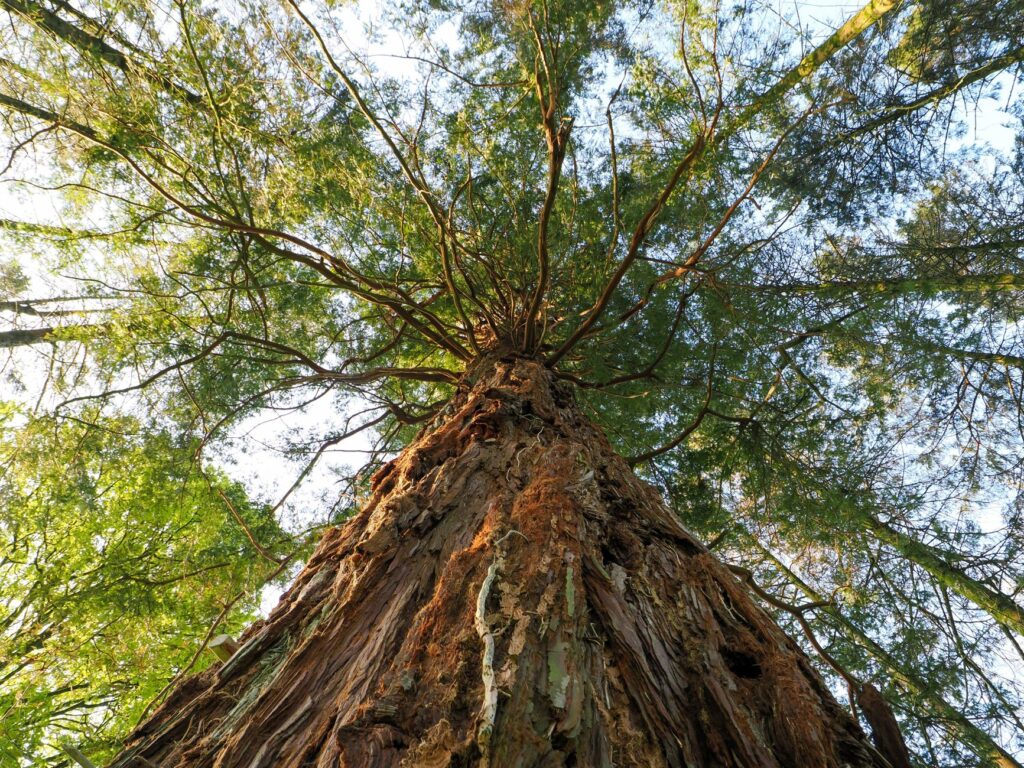
In the park’s southern enclaves, such as Mariposa Grove, stand the most voluminous living organisms on Earth: giant sequoias (*Sequoiadendron giganteum*). These botanical colossi, capable of surpassing three thousand years of existence, depend on extraordinary evolutionary adaptations to survive. Their thick fibrous bark lacks flammable resin and acts as a natural thermal shield against fire, while their tiny seeds precisely require the heat of flames to open their cones and release genetic material onto calcined mineral soil.
Despite their legendary resilience, sequoia populations now face unprecedented threats. The prolonged droughts of the past decade have weakened their root systems, rendering them vulnerable to boring beetle plagues that previously did not reach these altitudes. The scientific community closely monitors the health of each historic specimen, implementing emergency watering and removing excess fuel around their perimeters to prevent the irreparable loss of these biological assets.
Anthropogenic Pressure and Visitor Management
With over four million annual visitors concentrated largely in Yosemite Valley during summer months, the park experiences intense pressure on its infrastructure and natural resources. Vehicular congestion, soil compaction from trampling outside authorized trails, and solid waste management represent monumental operational challenges for park authorities.
To mitigate this impact, the administration has gradually implemented pre-reservation systems for vehicle access and expanded sustainable public transit networks within the valley. These measures seek to balance the universal right to enjoy nature with the imperative need to protect fragile habitats from irreversible degradation, promoting a visitation ethic based on respect and scientific literacy.
Practical guide
How to get there: Main access to the park is by road from the Californian cities of San Francisco or Sacramento, a journey ranging between three and four hours depending on weather conditions and the chosen entry point.
When to go: Spring (from May to June) offers peak waterfall flow and lower crowds, while autumn provides stable temperatures and a striking chromatic contrast in deciduous forests.
Access requirements: It is essential to check current advance vehicle reservation systems on the official National Park Service website before starting the trip, especially during the busy summer season.
Safety regulations: The presence of black bears requires mandatory storage of any food or scented product in sturdy metal boxes located at campsites and parking areas.
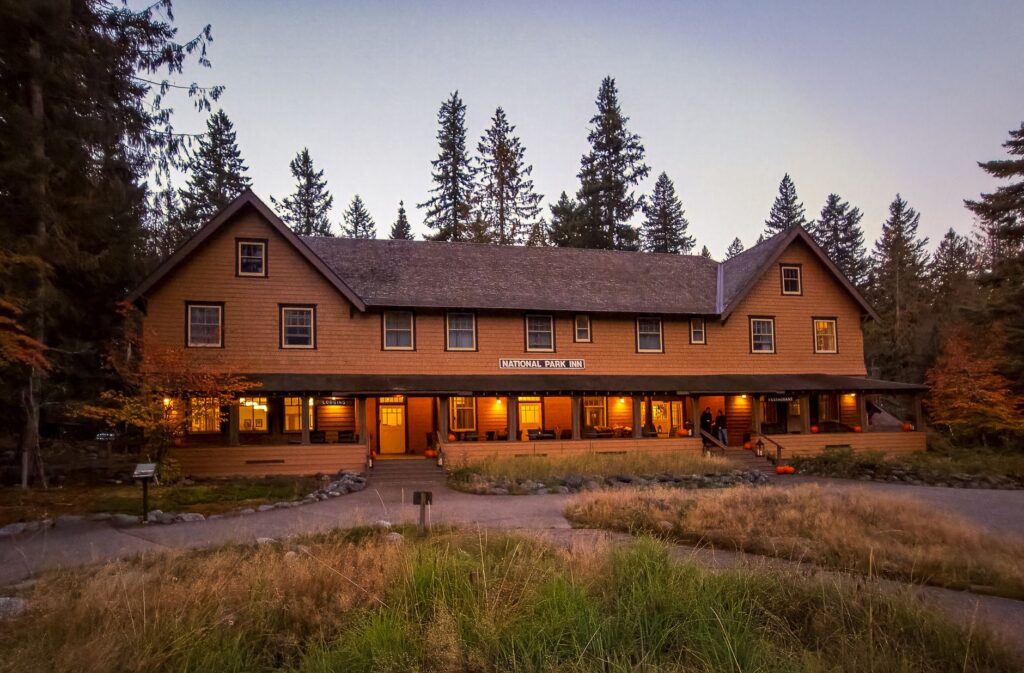
Accommodation: Internal lodging ranges from historic wooden lodges in the valley to rustic campgrounds that must be booked many months in advance due to extremely high international demand.
Silence Over the Abyss: As evening falls, when the last solar rays leave the granite summits and dye El Capitan’s vertical walls a deep amber tone, the park recovers an awe-inspiring silence that transcends the mere absence of human noise. It is in this alpine twilight that the true magnitude of this territory is perceived. The elongated shadows of montane pines over humid meadows remind us that nature is not a mere static stage meant for visual delight, but an intricate network of millennial balances demanding our absolute respect. Protecting Yosemite in the 21st century implies assuming that its survival depends as much on rigorous science as on our capacity to contemplate with humility the unalterable immensity of rock.