The Labyrinth of Atlantic Tides: How Amphibious Transport and Electric Mobility Transform Coastal Brittany
An in-depth analysis of how northwestern France and its maritime communities are reshaping coastal connectivity through low-emission amphibious buses, tidal routes, and an intermodal navigation network protecting the fragile ecosystems of the Breton coastline.
The Peninsula of a Thousand Faces Facing the Challenge of the Sea
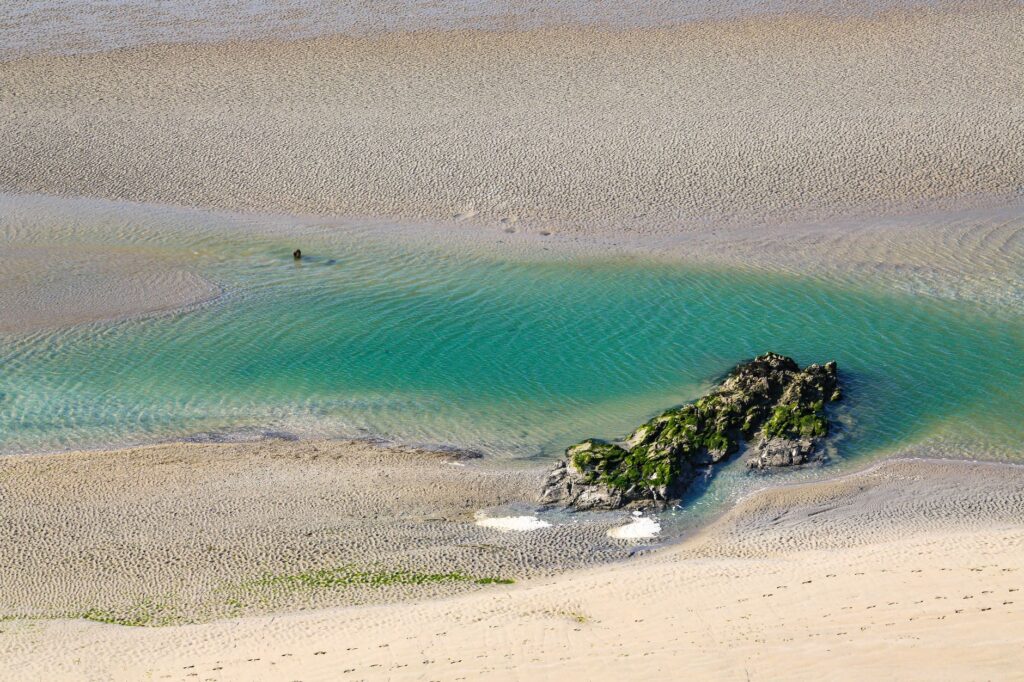
The French region of Brittany extends as a granite and salt ram forging into the turbulent waters of the Atlantic Ocean and the English Channel. Along its more than two thousand kilometers of coastline, the landscape constantly reinvents itself under the dictate of some of the most extreme tides in Europe. In this territory where firm land seems to perpetually negotiate its borders with water, traditional mobility has relied for decades on private vehicles, generating seasonal congestion and unsustainable environmental pressure on fragile coastal ecosystems, protected marshes, and historical ports scattered across Finistère and the Pink Granite Coast.
Faced with this inescapable geographical reality, regional authorities and local communities have driven a radical paradigm shift in public transport. The goal is no longer to subdue the environment through rigid infrastructure, but to blend in with its natural rhythms. The implementation of an integrated amphibious transport network, auxiliary electric-propulsion vessels, and soft mobility lanes connected to regional trains is rewriting how residents and travelers experience the peninsula. This report examines the keys to a transformation aimed at preserving the biological pulse of one of the continent’s most unique coastlines without sacrificing efficient connectivity.
The Engineering of the Invisible: Amphibious Vehicles and Energy Transition
The beating heart of this sustainable mobility strategy lies in the renewal of the intermodal transport fleet connecting tidal insular enclaves with the mainland. Traditionally, crossing to singular enclaves like the islet of Saint-Malo or the small estuaries of the Gulf of Morbihan meant relying on diesel barges with rigid schedules or risking being trapped by rising waters. Today, the introduction of hybrid amphibious buses capable of operating on conventional roads as well as sand and mud ramps marks a watershed moment in regional transport engineering.
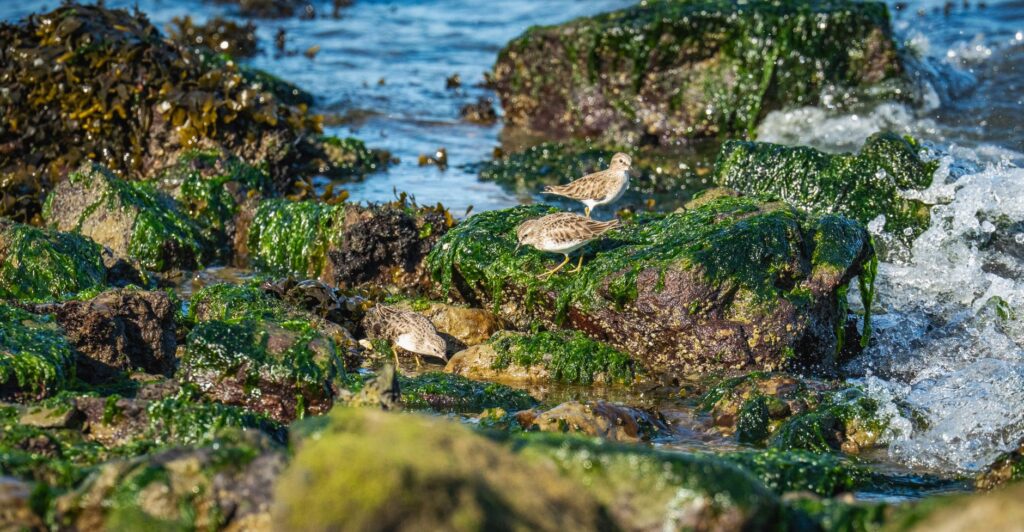
These vehicles, designed with recycled aluminum hulls and powered by electric motors driven by next-generation batteries and green hydrogen fuel cells, drastically reduce noise and carbon emissions. The absence of noise is, in fact, one of the most celebrated impacts by local marine biologists. The migratory routes of wading birds and the resting spots of grey seals in the estuaries are no longer interrupted by the roar of old combustion engines. Technology is thus placed at the service of conservation, proving that logistical efficiency and respect for biodiversity can coexist within the same ecosystem.
Intermodal Networks and the Renaissance of Coastal Towpaths
The decarbonization of transport in Brittany is not limited to replacing vehicles on major paved routes. The true success of the strategy lies in the capillarity of its secondary network, where former towpaths and customs trails (such as the famous customs officers’ path or GR 34) have been upgraded to allow safe, shared active mobility between pedestrians and cyclists.
The true luxury of contemporary Brittany is not the speed with which its territory is crossed, but the ability to tune into the rhythm of its tides without leaving a trace on its landscape.
These green corridors connect directly with regional train stations (TER), whose frequencies double during the spring and autumn months to discourage private car use. Travelers can board their bicycles in adapted carriages and disembark at rural stops from where electric shuttle buses depart toward the most remote lighthouses and cliffs. This intermodal gear eliminates the need to search for parking in protected areas, a chronic problem that for years threatened the integrity of the cliffs at Pointe du Raz and the Crozon Peninsula.
The Economy of the Tide: Impact on Fishing and Local Communities
The transformation of transport is not a purely technical exercise; it has a profound socioeconomic impact on coastal communities dependent on artisanal fishing and shellfishing. The prioritization of clean public transport routes has helped decongest the historic docks of ports such as Concarneau, Douarnenez, and Saint-Guénolé, returning public space to pedestrians and traditional port activity.
Local fishermen and artisans actively participate in sustainable mobility committees, ensuring that new routes and schedules for electric ferries and amphibious buses do not interfere with working tides or fresh produce landings. Likewise, the economic diversification resulting from slow, low-emission tourism has allowed small family guesthouses and local produce markets in the interior of the peninsula to receive a steady flow of visitors year-round, mitigating the extreme seasonality that has historically affected the region.
Pending Challenges: Energy Autonomy and Maintenance in Saline Environments
Despite undeniable progress, the transition to a fully decarbonized transport model in coastal Brittany faces formidable technical challenges. Chief among them is marine corrosion. The extreme salinity of the air and direct contact of saltwater with the electrical components of amphibious vehicles and port chargers demand extraordinarily rigorous maintenance protocols and the use of advanced composite materials to prevent premature fleet wear.
Another critical aspect is the energy self-sufficiency of charging stations located in insular and isolated areas. Since the mainland electrical grid can experience limitations during peak seasonal demand, coastal municipalities are installing microgrids combining small-scale wave energy and solar panels integrated into the roofs of historic fish markets. This decentralized approach ensures public transport systems operate even under adverse weather conditions, when Atlantic storms temporarily cut off conventional power lines.
The Sonic Traveler: How Silence Redefines the Landscape Experience
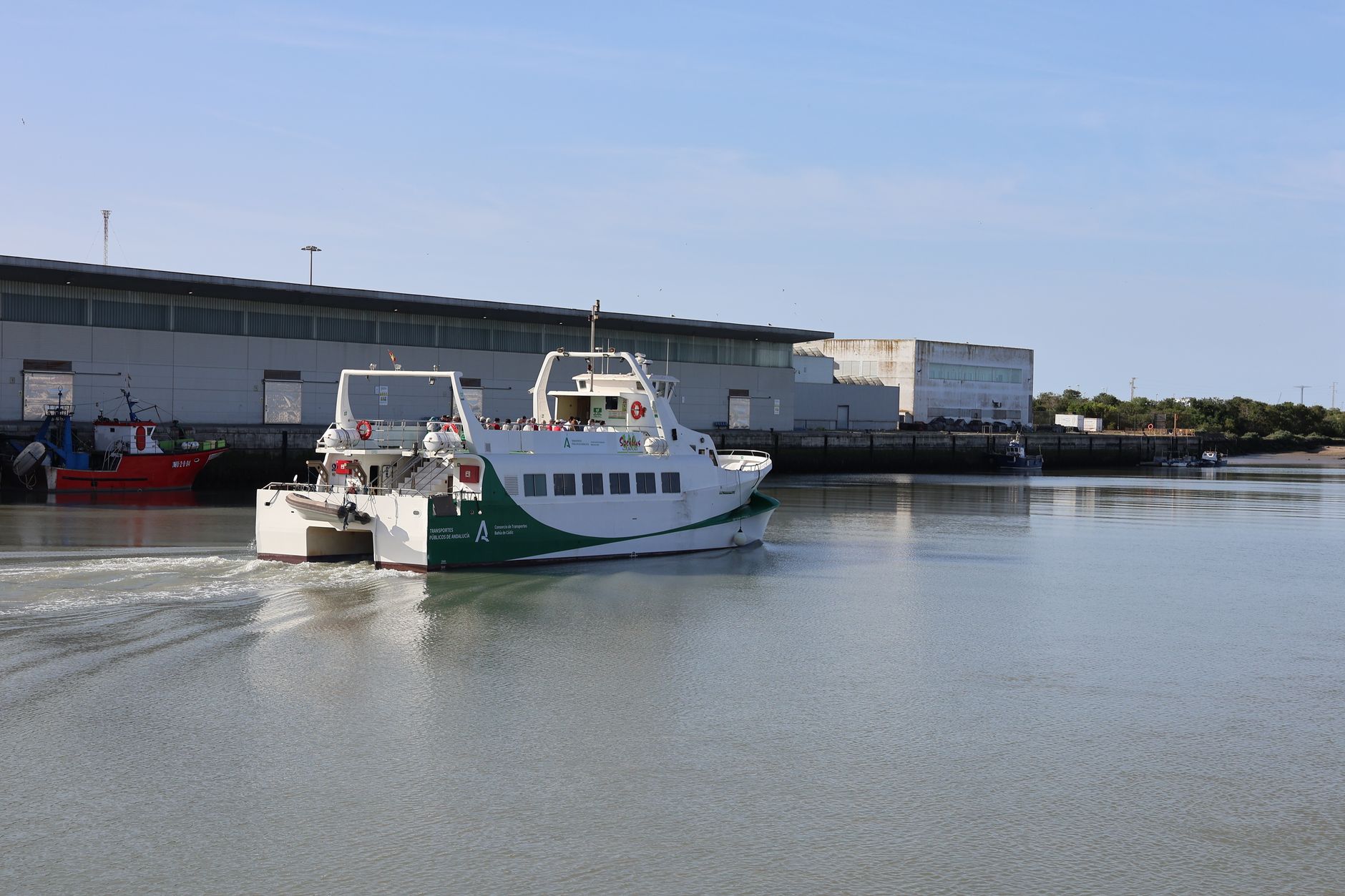
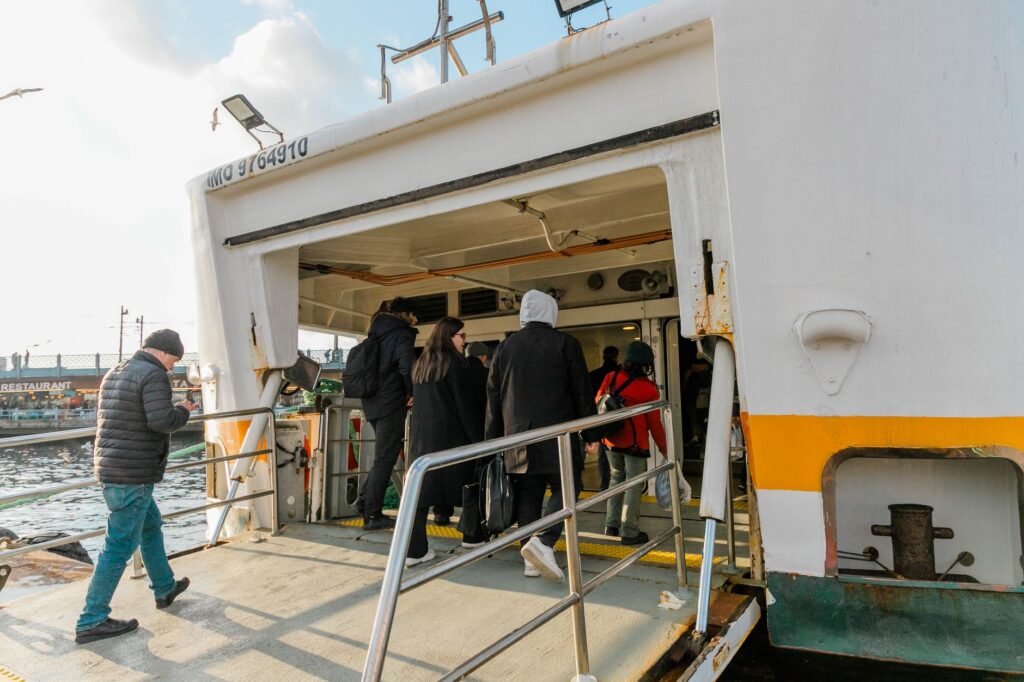
Beyond the reduction of pollutant emissions, the progressive elimination of engine noise along Brittany’s coastal routes has radically transformed the psychological experience of travel. Journeys on new electric ferries and silent minibuses allow travelers to perceive sound nuances previously buried beneath the roar of internal combustion: the whisper of wind over dunes, the rhythmic clicking of tides against the stone dikes of fishing shelters, and the distant call of seabirds on the cliffs of Cap Fréhel.
This sensory dimension of sustainable transport fosters a more contemplative and respectful attitude among those traversing the territory. The unhurried pace forces travelers to plan journeys in tune with tide tables, turning a simple crossing into an exercise in mindfulness. The traveler ceases to be a passive consumer of landscapes and becomes an observer integrated into the natural dynamics of the environment, understanding that the true value of Atlantic Brittany lies in its fragile and non-negotiable ecological balance.
Practical guide
Planning a sustainable mobility trip along the coast of Brittany requires understanding the specific features of its intermodal network and tidal connections.
How to get there: Nantes-Atlantique Airport and the high-speed train station (TGV) in Rennes are the primary entry points to the region. From Rennes, the regional TER train network connects to all coastal departments in under two hours.
Internal transport: Use the integrated regional transport card BreizhGo, which unifies access to trains, intercity buses, electric ferries, and amphibious services into a single digital and physical platform.
Tidal calendar: It is essential to consult official tide coefficient charts before planning routes through estuaries, tidal islands, or coastal trails. Amphibious buses operate strictly under tidal safety windows.
Accommodation and services: Prioritize guesthouses and lodgings adhering to the regional ecological label ‘Écolabel Européen’ or ‘Gîtes de France Vert’, many of which offer free or low-cost electric bicycles to their guests.
Saline Epilogue: The Final Beat of the Granite Coast
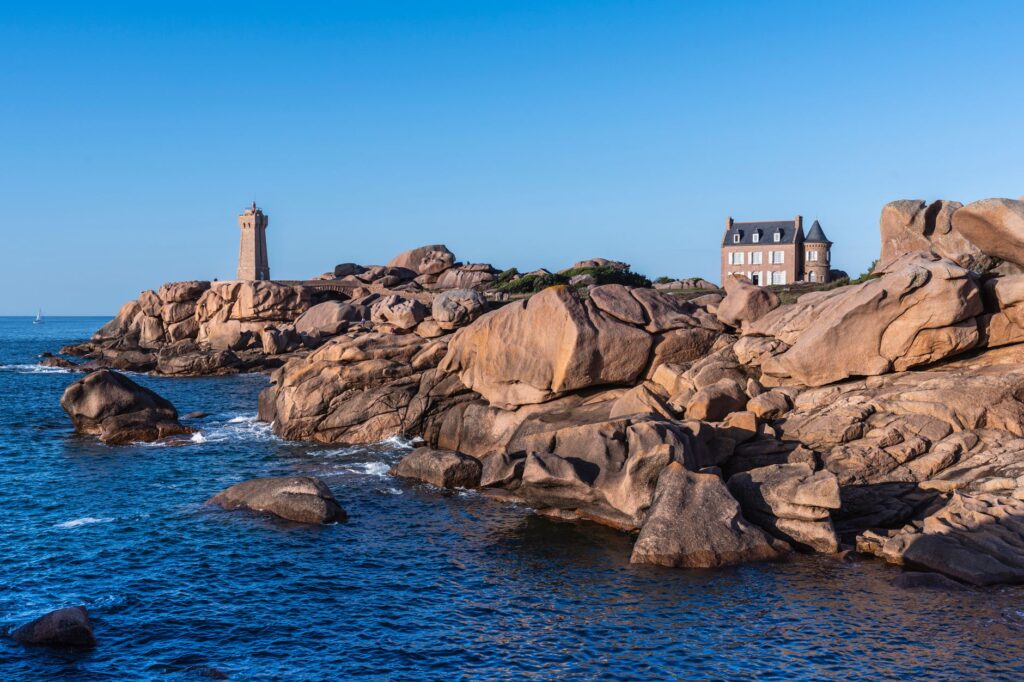
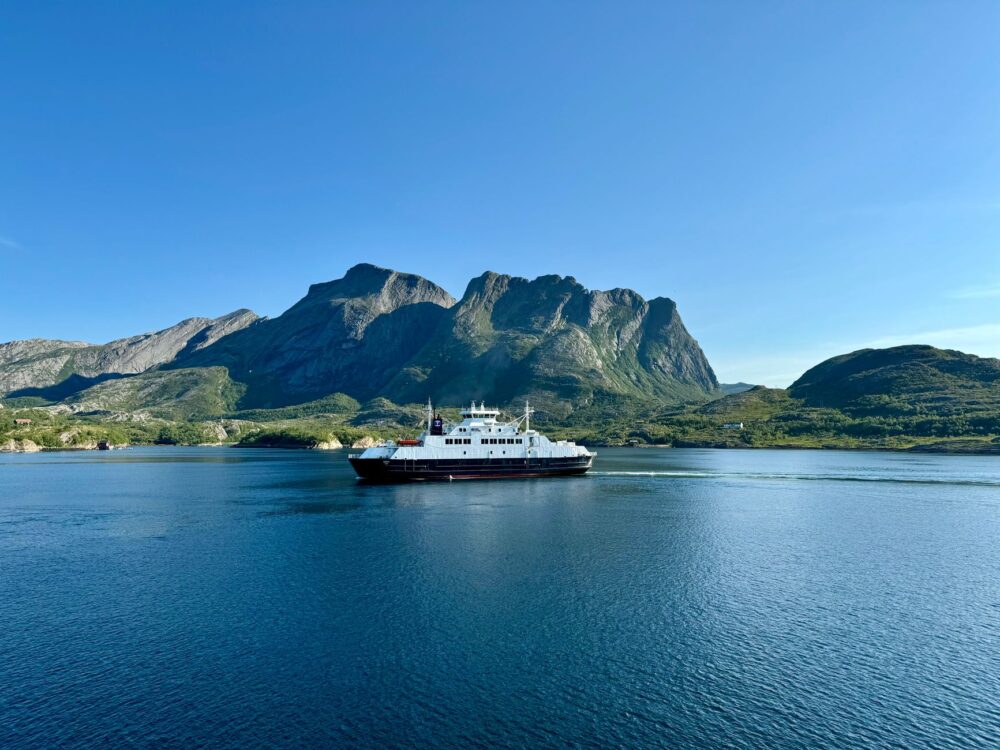
As the sun begins to descend over the Atlantic horizon, tinting the pink granite formations of Perros-Guirec with copper and violet hues, the Breton coast regains its ancestral calm. There are no longer trails of black smoke or the constant roar of exhaust pipes that for decades characterized summer afternoons in cliff parking lots. Instead, the rhythmic murmur of waves breaking against dikes intertwines with the soft hum of an electric ferry silently returning to port after completing its final tidal crossing. This profound transformation proves that the mobility of the future is not about conquering nature with blind speed, but learning to navigate with it, respecting its millenary rhythm and ensuring that the pulse of coastal Brittany continues to resonate intact for generations to come.
ATLAS LUME · BEFORE YOU GO
A story that continues at the destination
DocumentsCheck visas, health requirements and document validity with official sources.
BookingsConfirm the final price, taxes and conditions directly with the provider.
Responsible travelRespect local communities, heritage and ecosystems.