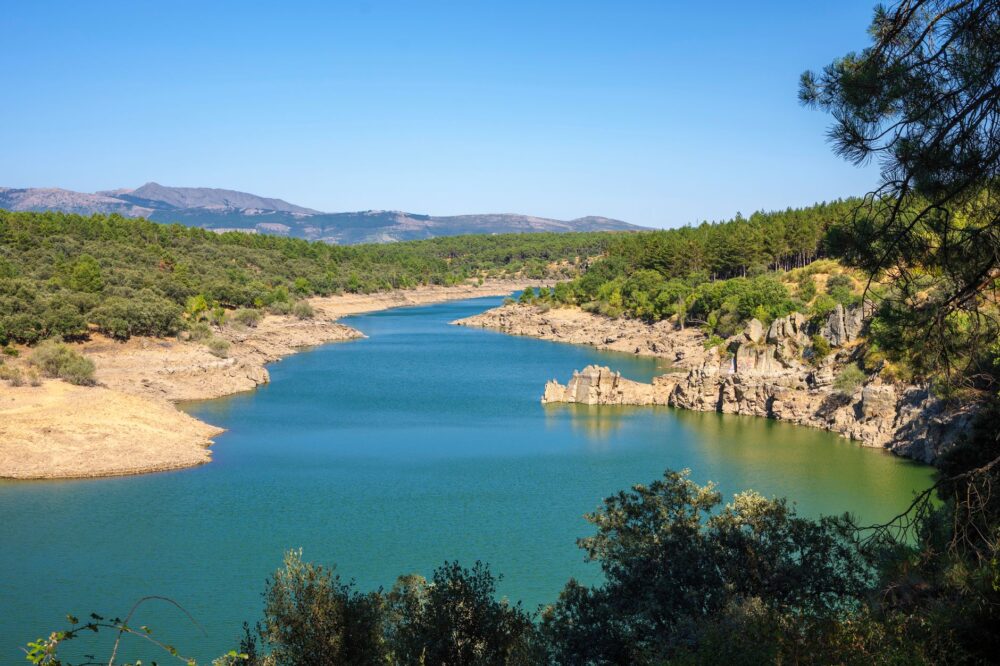
There are geographies where mist is not a mere meteorological phenomenon, but the vital fabric sustaining vast continents of biodiversity. In the high summits of the Purépecha Plateau and eastern Michoacán, the oyamel fir and pine forests function as a microscopic sponge that traps moisture from the Gulf of Mexico, condensing it into droplets that feed springs, streams, and agricultural valleys hundreds of kilometers away. For millennia, this ecosystem has fulfilled a dual purpose: serving as the winter refuge for millions of monarch butterflies following their monumental journey from Canada and the United States, and constituting the ancestral home of indigenous communities that have strived to understand conservation not as an institutional veto, but as a daily pact of reciprocity with the land.
However, the survival of this natural sanctuary has historically been threatened by complex socioeconomic pressures, from clandestine logging to the unbridled expansion of avocado orchards that alter water tables and fragment critical habitat. Facing this panorama of ecological vulnerability, local ejidos and community brigades have driven a profound paradigm shift. Far from relying exclusively on distant government decrees, forest defense is articulated today through scientifically rigorous strategies that combine botanical restoration of native species, satellite and community-managed forest vigilance, and the development of high-ecological-value productive alternatives demonstrating that biodiversity protection is fully compatible with human well-being.
The Geography of Cold and Oxygen: Understanding the Sanctuary
To grasp the magnitude of the Monarch Butterfly Biosphere Reserve, one must delve into its complex topography. Situated between the states of Michoacán and the State of Mexico, this protected natural area spans over 56,000 hectares distributed across ejido and communal core zones. Elevations exceeding 3,000 meters above sea level generate very specific microclimates, characterized by winter temperatures that frequently drop below zero, forcing the lepidopterans to cluster in dense bunches on the trunks of oyamel trees to retain body heat.
This delicate thermal and atmospheric balance depends entirely on the density of the forest canopy. When a sector of the forest is logged or fragmented, the microclimate changes drastically: freezing winds penetrate without resistance, and nocturnal solar radiation spikes, causing massive hypothermia in the butterflies. For this reason, continuous monitoring of vegetation cover has become an environmental national security priority. Rural communities, supported by field biologists, use geolocation technology and permanent sampling plots to measure annual tree growth and detect any sign of water stress or forest pest outbreaks well in advance.
Community Surveillance: When the Guardian Is the Inhabitant
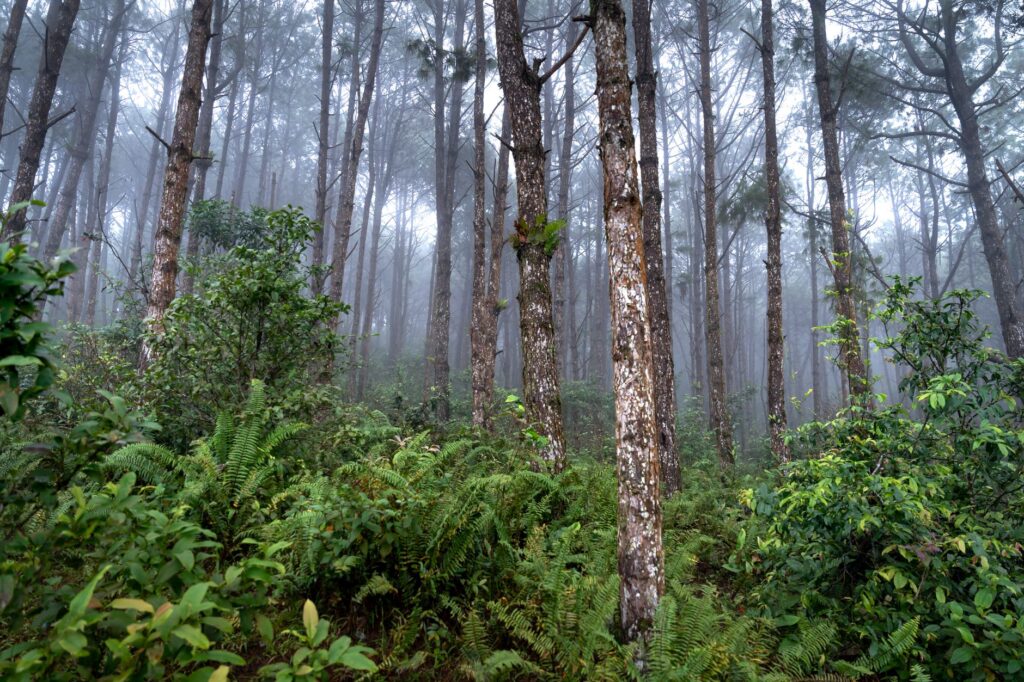
The traditional conservation model based on state park rangers proved insufficient given the vastness of the territory and the pressures of the informal economy. The community response has been the creation of autonomous ejido surveillance committees. These groups of men and women patrol the most inaccessible core zones on foot, on horseback, and via thermal drones, confronting the inherent risks of deterring illegal logging.
This patrol work is not merely punitive; it is grounded in a deep sense of territorial belonging. The watchers know every trail, every canyon, and every spring. Their work is backed by ejido assemblies where collective decisions regarding land use are made, applying community sanctions to those who violate internal conservation regulations. This system has drastically reduced illegal timber extraction rates in critical zones, turning former rural residents into the primary scientific and operational custodians of the region’s natural heritage.
Botanical Restoration and High-Altitude Tree Nurseries
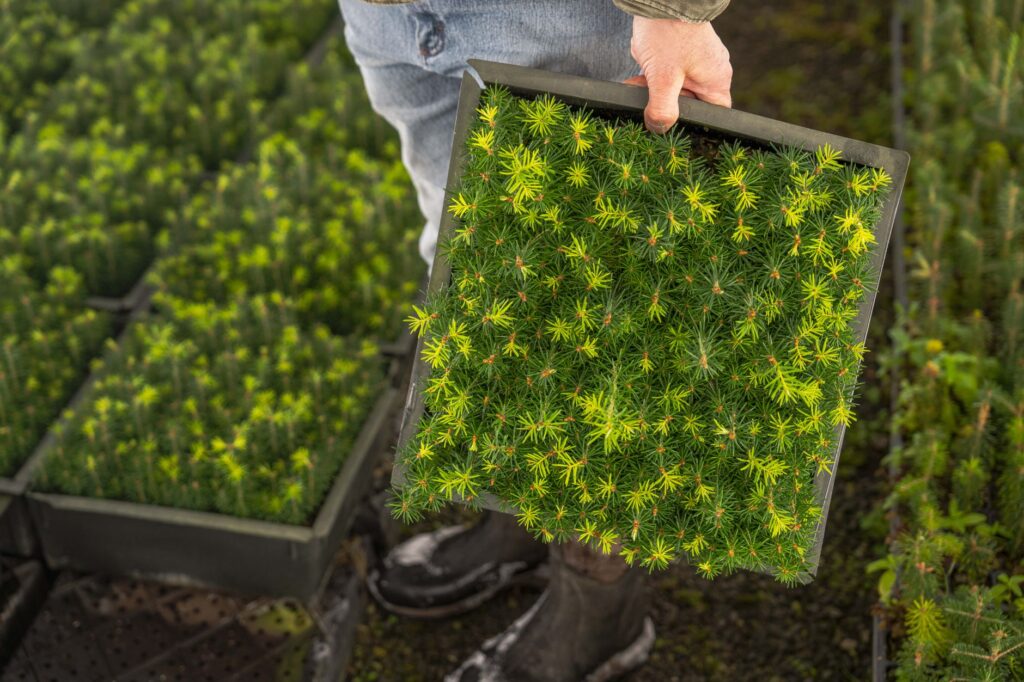
The recovery of areas degraded by forest fires or historical extraction cannot be left to nature’s whim in an era of accelerated climate change. In municipalities like Angangueo and Ocampo, local cooperatives have established specialized tree nurseries situated at over 2,800 meters of altitude, ensuring that specimens of Abies religiosa (oyamel) and Pinus pseudostrobus grow acclimatized to the extreme conditions of the high mountains.

The reforestation process follows strict protocols supervised by academic institutions. It is not simply a matter of massive planting, but of genetically diversifying tree populations and reestablishing the understory with native shrubs that retain soil moisture and prevent erosion during the torrential rainy season. Each planted tree is digitally registered, allowing for five- and ten-year survival tracking that ensures the success of biological corridors connecting the reserve’s various core zones.
The Golden Alternative: Meliponiculture and Conservation Beekeeping
One of the greatest challenges in the buffer zones of the reserve has been providing stable income sources that disincentivize land-use change toward intensive agriculture. The answer has sprouted in the hives. The production of organic honey, both from European bees adapted to the high mountains and native stingless nurse bees (genus Melipona), has established itself as an engine of circular economy.
Beekeeping in this mountainous environment possesses unique organoleptic characteristics due to the diversified blooming of the cloud forest and high-altitude grasslands. Local cooperatives have received training in best practices for extraction, bottling, and fair-trade commercialization. Furthermore, the presence of hives in family orchards and forest borders enhances cross-pollination, increasing the agricultural productivity of local crops such as native criollo corn, squash, and native fruit trees without the need for agrochemicals.
True cloud forest conservation does not stem from absolute prohibition, but from the recognition that local communities are the sole force capable of sustaining the balance between wildlife and territory.
The impact of this productive diversification transcends economics; it has transformed the social fabric by revaluing the role of women in environmental management. They largely lead the meliponiculture projects, the processing of hive byproducts such as wax and propolis, and environmental education directed at the new generations growing up around the reserve.
Regenerative Tourism: Educating the Traveler’s Eye
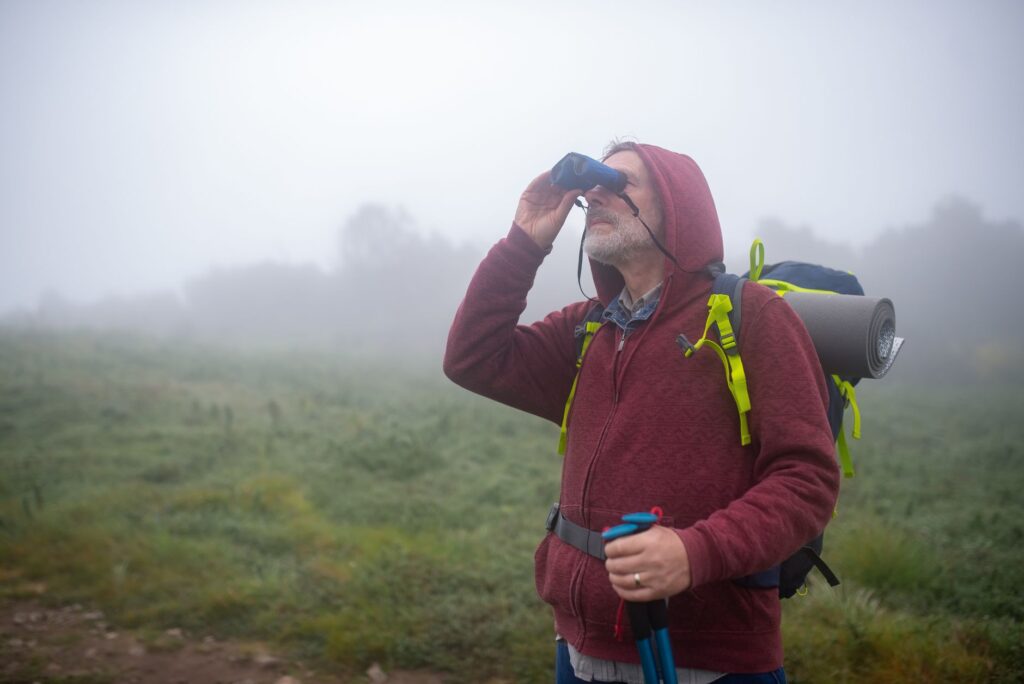
The influx of visitors arriving each winter to witness the spectacle of the monarch butterfly migration has undergone a radical metamorphosis. There has been a transition from mass, disorganized, and predatory tourism to a regenerative, low-intensity model. The ejidos of El Rosario and Sierra Chincua have capped the daily number of visitors per trail, banned noisy electronic devices, and established strict codes of conduct prioritizing silence and absolute respect for the insects’ rest.
Local guides, formally trained in conservation biology and group management, lead travelers through introductory talks explaining the vulnerability of the butterfly’s biological cycle. Each admission ticket and guide service translates transparently into funds allocated directly to trail maintenance, payment for firefighting brigades, and the expansion of community nurseries. The traveler ceases to be a passive spectator and becomes an active participant in habitat preservation.
Challenges Amid Climate Crisis and Water Pressure
Despite the progress achieved over the past two decades, the immediate future of the Monarch Butterfly Biosphere Reserve faces formidable challenges driven by global climate disruption. Prolonged droughts, unpredictable rainfall, and rising average annual temperatures alter the flowering patterns of nectar-producing plants that feed the butterfly during its winter stay and its return migratory route northward.
Likewise, pressure from surrounding avocado industries demands massive volumes of groundwater, threatening to dry up the springs sustaining the forest ecosystem. To mitigate these threats, regional councils of ejidos and communities maintain technical dialogue tables with the National Forestry Commission and scientific research centers, demanding a strict moratorium on orchard expansion in hydrological recharge zones and promoting voluntary environmental certification for neighboring agricultural producers.
Practical guide
How to get there: The main access to the monarch butterfly sanctuaries is from Mexico City or Morelia. By bus or private vehicle, take the highway toward Maravatío or Zitácuaro, continuing along secondary state roads to the ejido communities of Ocampo, Angangueo, or Senguio. Vehicles with good performance on steep inclines are recommended.
When to travel: The official sighting season runs from mid-November through late March. The months of highest concentration and butterfly activity are December and January, coinciding with cold, sunny mornings that favor their massive flight.
Access requirements and recommendations: Entry to the sanctuaries is strictly regulated. Hiring a certified local guide at the community ticket booths is mandatory. Visitors must walk exclusively on authorized trails, maintain absolute silence, avoid using camera flashes, and wear layered warm clothing and non-slip mountain footwear.

Accommodation and gastronomy: Prioritize ecotourism cabins managed by the ejido cooperatives themselves in Angangueo and Ocampo. Local gastronomy stands out for its traditional Purépecha cuisine, crafted with native corn, seasonal wild mushrooms, mole de olla, and criollo trout from sustainable local hatcheries.
Responsible shopping: Purchase pure organic honey, certified wood crafts, hand-embroidered textiles, and apiculture-derived products directly in community markets within the ejidos, ensuring economic benefits remain entirely in the hands of local families.
In the golden twilight of the oyamels, where the beating of millions of wings resonates as an invisible whisper in the high mountains, a silent yet decisive battle is waged. It is not merely the defense of an emblematic insect or a venerable forest; it is the living demonstration that when local communities recover sovereignty over their territory, conservation ceases to be an unattainable utopia and becomes the very heartbeat of daily life.