
There are cities where volcanic stone and mist seem to conspire to bring time to a halt. Edinburgh, with its medieval silhouette cutting against the gray North Sea sky, is one of those enclaves where science and classical art refuse to yield to digital uniformity. In the discreet studios nestled around the Royal Botanic Garden, a diverse group of printers, botanists, and illustrators keeps alive a craft that merges scientific precision with the most refined plastic artistry: traditional botanical printmaking.
Far from being understood as a mere museum relic, this renaissance responds to a contemporary need for tangibility and rigor. In an era saturated with synthetic images and digital snapshots, botanical printmaking produced from hand-engraved plates and mineral pigments offers a leisurely reading of nature. Every leaf, every vein, and every petal captured on paper tells a story of extreme patience, where a single millimeter error in the acid bath can ruin weeks of diligent labor.
The Illustrated Tradition in the Scottish Capital
The relationship between Edinburgh and scientific illustration traces its roots back to the 18th century, when the Scottish Enlightenment turned the city into a global beacon of natural knowledge. Naturalists such as the Hooker brothers established the foundations of a graphic rigor that demanded artists possess not only aesthetic skill, but absolute anatomical accuracy capable of identifying entire plant families.
In the contemporary workshops of the Stockbridge neighborhood, this legacy is studied as if it were a sacred text. Today’s artisans review historical archives not out of nostalgic yearning, but as a living instruction manual. They utilize high-magnification loupes and bird-feather quills or calibrated ruling pens to trace outlines that will withstand the test of centuries without losing an iota of their biological verisimilitude.
The Role of the Royal Botanic Garden in Preservation
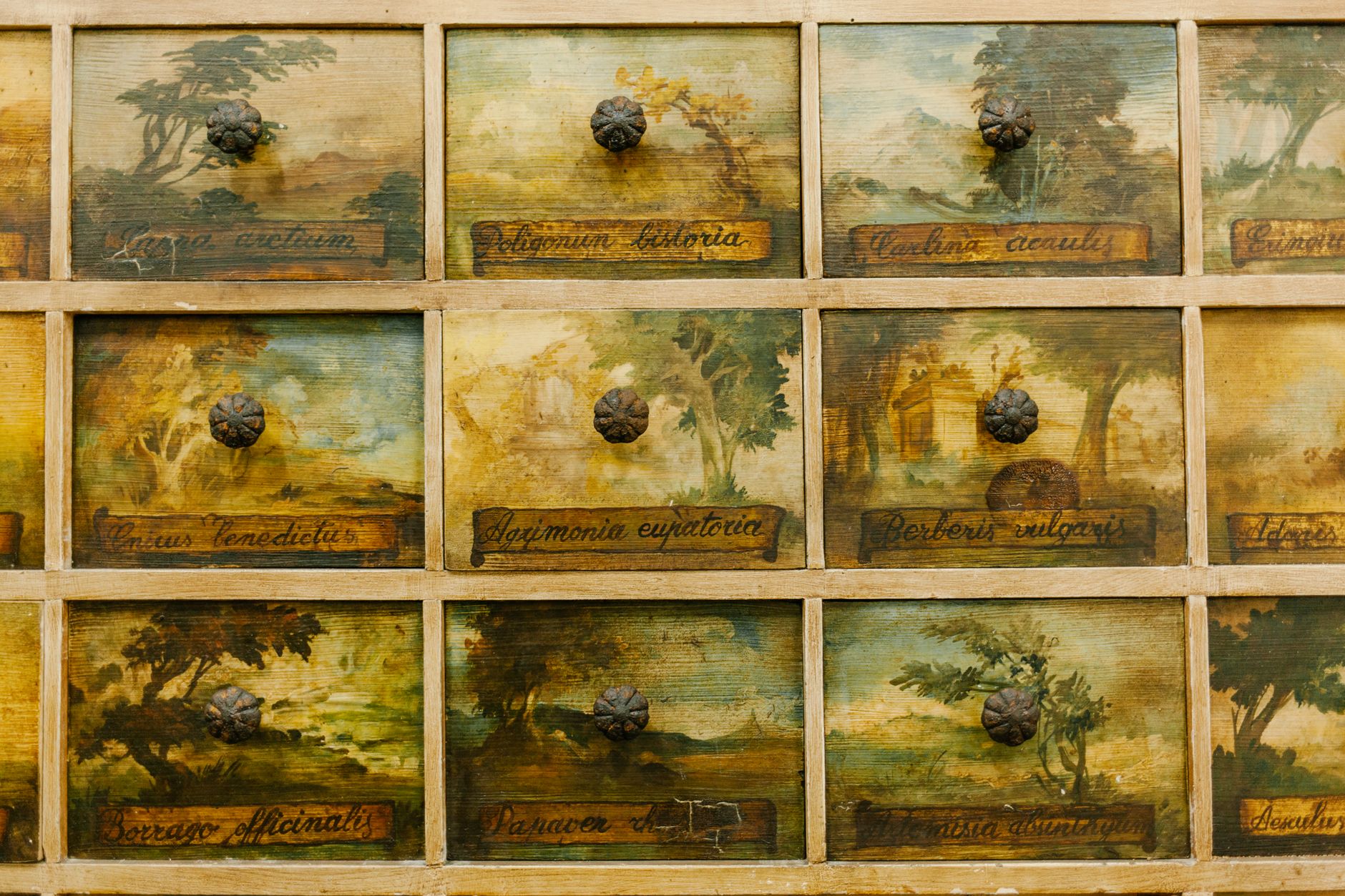
The beating heart of this movement is found within the walls of the scientific departments at the Royal Botanic Garden Edinburgh. There, historical herbaria containing specimens collected over two hundred years ago are carefully preserved. These archives serve not merely as reference material for taxonomists, but as the visual guide that engravers consult to understand the morphological evolution of local and exotic species.
Resident botanists work hand in hand with printers to certify that each published plate meets the strictest scientific standards. This symbiosis between science and art ensures that every print is not merely a decorative element, but a valid botanical document that faithfully reflects the planet’s biodiversity at a specific historical moment.
The Ritual of the Plate: From Copper to Cotton Paper
The process of creating a botanical print is an exercise in physical alchemy. It all begins with selecting the plate, usually made of pure copper or rolled zinc, whose surface is polished to a mirror finish. Any microscopic imperfection in the metal will subsequently translate into an unwanted blemish on the paper, making this preliminary phase capable of consuming entire days of meticulous work.
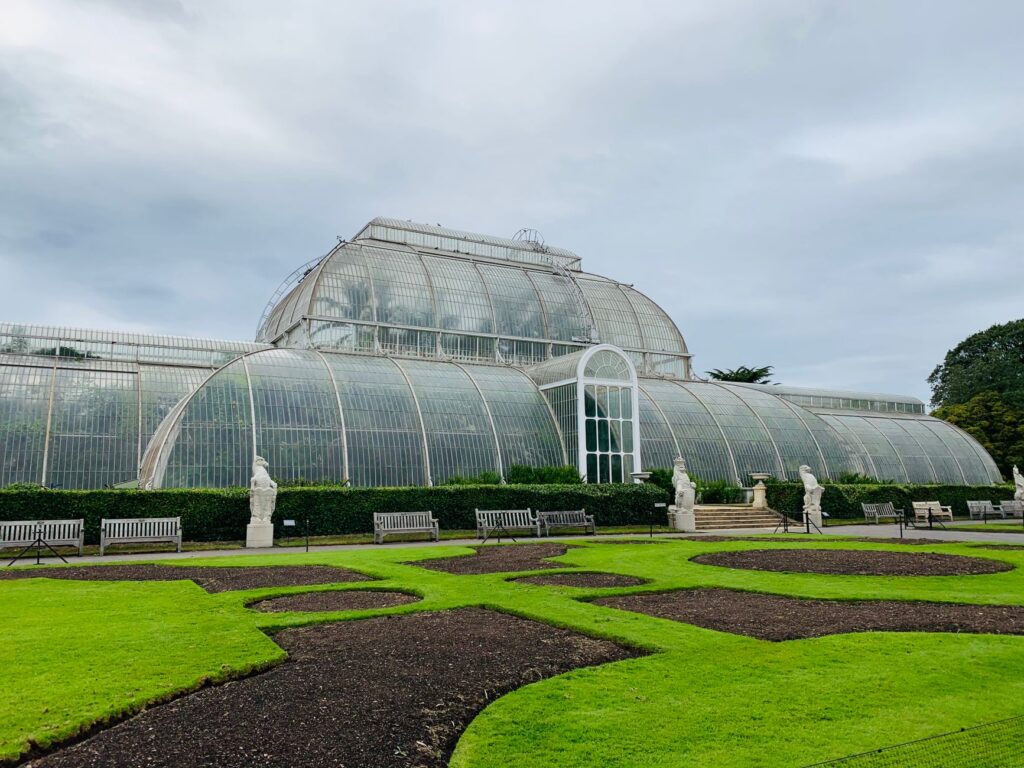
Once polished, the artist applies a layer of protective varnish and proceeds to engrave through a combination of drypoint and chemical mordants such as diluted nitric acid. The engraver’s steady hand cuts through the metal with incisions of varying depth, determining the intensity of future strokes. It is an irreversible process requiring absolute mastery of hand-eye coordination and timing during the acid exposure.
Metal engraving forgives no hesitation; every groove is a definitive decision that the paper will reveal mercilessly to the light.
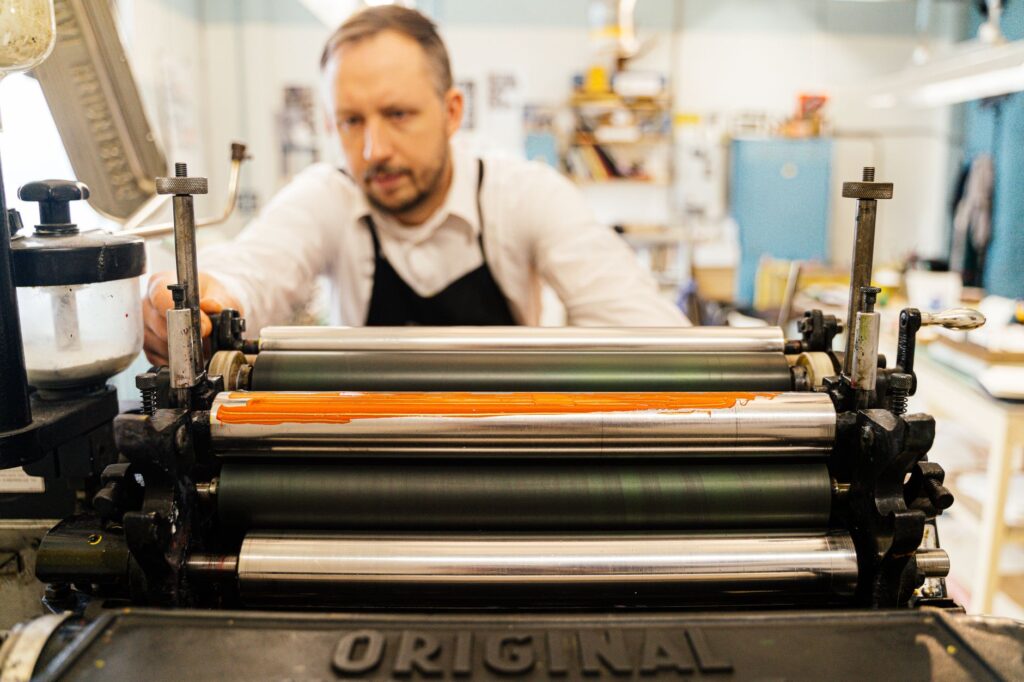
The next crucial step is humidifying the paper. Heavyweight cotton papers, handmade without acids to guarantee centenarian longevity, are employed. Submerged in water for hours, the paper fibers open up and become pliant, preparing to receive the oily ink that the intaglio press will transfer under formidable pressure.
Pigments and Inks: The Palette of the Earth
While modern graphic industry relies on standardized synthetic emulsions, Edinburgh’s workshops continue to concoct their own inks from natural earths, metal oxides, and traditional binders based on boiled linseed oil. This artisanal approach grants the prints a unique chromatic depth impossible to replicate through industrial processes.
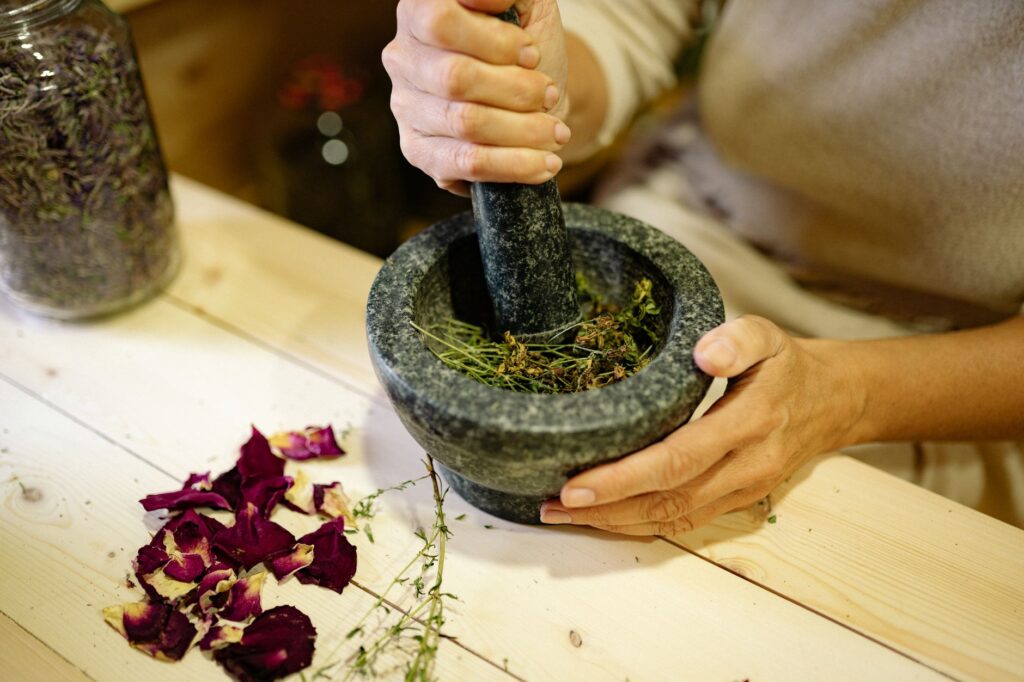
Moss greens, earthy ochres, and Prussian blues are hand-ground on porphyry slabs using a glass pestle. The master ink-maker adjusts the viscosity and gloss of the mixture according to the workshop’s environmental conditions, well aware that the humidity of the Scottish air directly influences the drying of the final print.
The Manual Application of Color
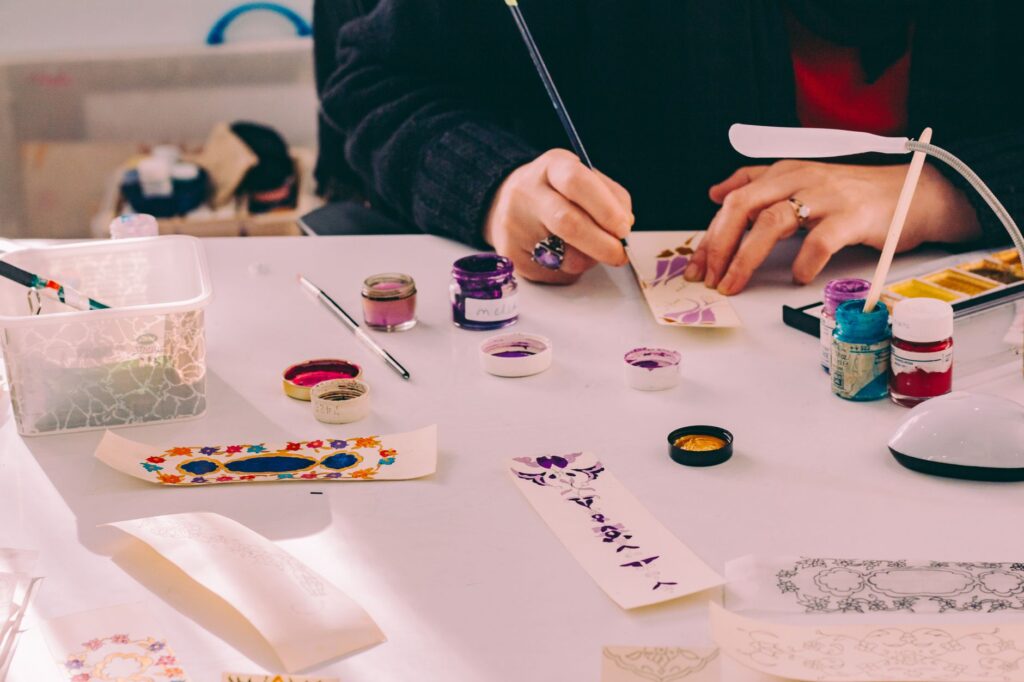
In many of the most sought-after works, the monochrome plate serves merely as a structural base. True virtuosity unfolds in hand-coloring, a technique known as a la poupée or through direct application with very fine Kolinsky sable brushes. Each plate receives a layer of translucent watercolor that respects the original etching’s line work.
This work requires a sharp botanical sensibility. The colorist must understand how light falls upon real leaves to modulate transparencies and shadows, achieving a three-dimensional realism that transforms the two-dimensional surface of the paper into an open window to the garden.
The Resilience of Independent Workshops
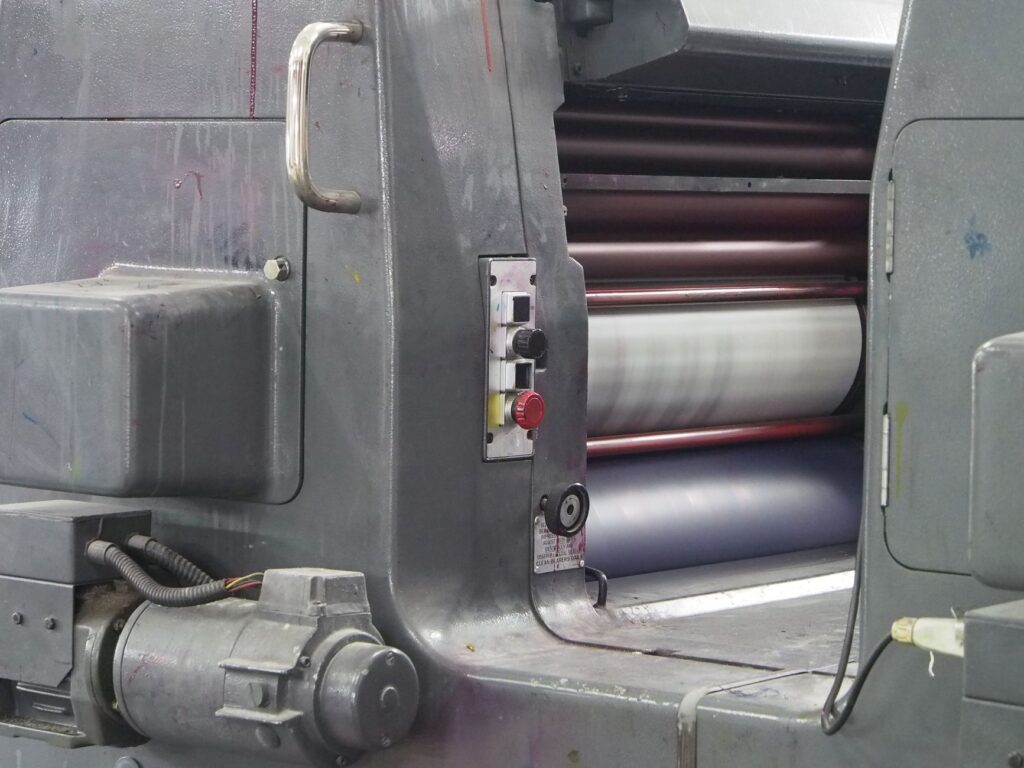
Facing real estate pressure and rising costs for specialized materials, Edinburgh’s printmaking studios operate as bastions of cultural resilience. Spaces such as Edinburgh Printmakers offer shared infrastructure and training programs that ensure generational renewal, attracting young artists from around the world eager to master the secrets of intaglio printmaking.
These workshops also function as centers of aesthetic debate where contemporary visual hyperproduction is questioned. Rather than manufacturing massive series, they focus on short numbered editions, where each copy possesses subtle variations derived from plate wear and the human hand, turning every print into an unrepeatable piece.
The Role of Galleries and International Collectors
The market for these works has experienced a significant resurgence driven by collectors from Europe and North America who value material authenticity. Specialized print art galleries in Edinburgh organize exhibitions showcasing not only finished works, but also field notebooks and original plates, offering the public a transparent view of the entire creative process.
This international demand ensures the economic survival of master artisans, who reinvest their profits into acquiring historical 19th-century presses and researching traditional paper and ink formulas that otherwise would have fallen into oblivion.
Practical guide
Planning a visit to Edinburgh’s printmaking workshops and graphic art centers requires attention to local schedules and the private nature of some engraving studios.
- Getting There: Edinburgh Airport (EDI) connects with major European hubs. The tram journey to the city center takes approximately thirty minutes.
- When to Go: Spring and early autumn offer optimal natural light conditions for visiting gardens and workshops, while avoiding the peak summer tourist crowds.
- Key Locations: Printmaking workshops and studios are primarily concentrated in the Stockbridge and Leith districts, as well as around the Royal Botanic Garden campus at Arboretum Place.
- Workshop Visits: Most historic workshops and independent studios require prior email booking, as masters dedicate a significant portion of their day to artistic production and restoration.
- Public Center Admission: The Royal Botanic Garden Edinburgh and its scientific archives are open Tuesday through Sunday, with free admission to main exhibition spaces and restricted access in historical herbarium rooms.
- Recommended Reading: To delve deeper into the history of local botanical illustration, consulting the collections of the National Library of Scotland, which houses historical catalogs of Scottish engravers, is strongly advised.
Epilogue: The Permanence of the Trace
As evening falls, when fog descends from the hills of Arthur’s Seat and wraps around the alleys of the New Town, Edinburgh’s workshops extinguish their presses until the following day. Resting on the worktables are the freshly cleaned copper plates, awaiting the new dawn. In a world obsessed with speed and planned obsolescence, botanical printmaking stands as an eloquent reminder that true beauty requires time, matter, and memory.
Ink upon cotton paper does not record the fleeting instant, but rather the intimate structure of life persisting beneath the surface.
Observing one of these finished sheets is to understand that the relationship between human beings and nature finds its noblest dialogue in printed art. Edinburgh, with its silent tenacity, ensures that this millenary language continues to be written with copper, ink, and patience.