
There are places where time does not simply halt, but instead adopts the measured rhythm of Atlantic tides and the distant chime of sailboat rigging. Newport, perched at the southern tip of Rhode Island, is one of those singular enclaves where the industrial and financial history of the United States left a monumental imprint carved in limestone, hardwood, and manicured lawns sloping down toward wind-swept cliffs. This is no static postcard destination; it is a living territory fusing the imposing architecture of nineteenth-century barons with a vibrant creative community, a culinary scene rooted in local produce, and an unwavering maritime pulse.
Our journey seeks to decipher the true identity of this coastal stronghold far beyond conventional tourist circuits. Through meticulous analysis of its heritage, gastronomy, and geography, this chronicle proposes a deep immersion into Aquidneck Island, revealing how high-performance sailing and historic preservation have shaped a unique lifestyle on the American East Coast.
Narragansett Bay and the Maritime Awakening
The heartbeat of Newport begins inevitably on the water. Narragansett Bay has served for centuries as the epicenter of American nautical culture, a natural harbor where sea breezes shape the character of its inhabitants and define the local economy. Here, past and present sail in parallel, from classic schooners plying historic routes to modern racing yachts.
The city’s relationship with the sea is not merely aesthetic; it is a symbiotic dependence manifested in every pier, shipyard, and sailing school. The bay’s waters offer superb conditions for navigation, a factor that established Newport as the global capital of competitive sailing for decades and continues to draw mariners worldwide.
Seafaring Tradition and Historic Regattas
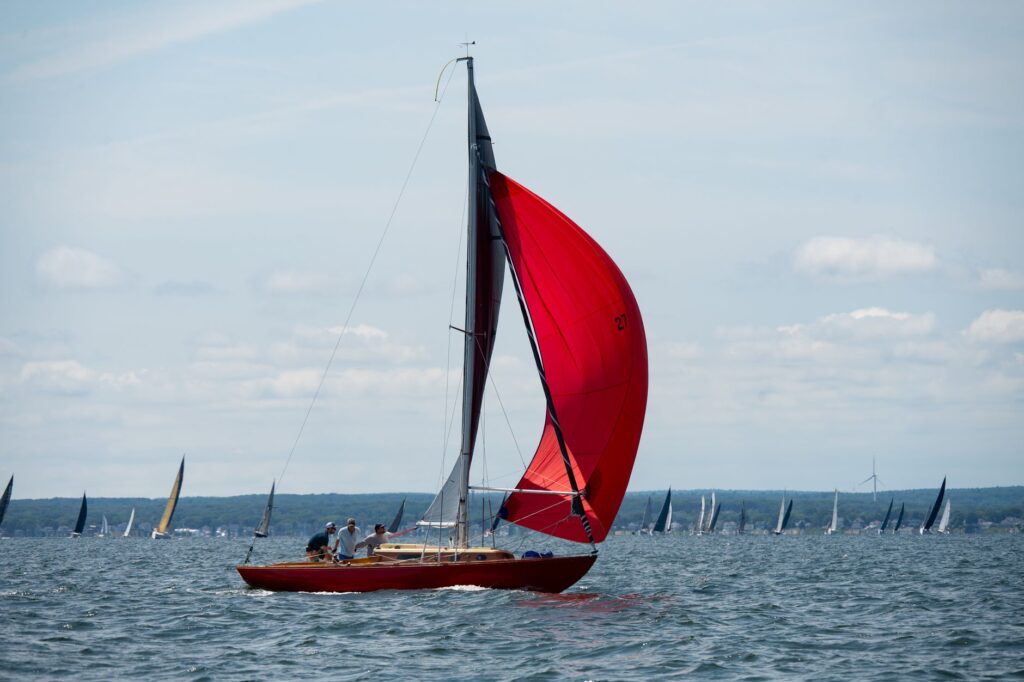
For decades, the America’s Cup placed Newport on the global map of elite sports. Between 1930 and 1983, these waters hosted the world’s most coveted sailing competition, transforming the quiet coastal town into a crucible of captains, patrons, and nautical enthusiasts.
Today, the legacy of those exploits remains tangible at Sail Newport and among the numerous yacht clubs lining the harbor. Visitors can observe the meticulous work of traditional boatbuilders who still preserve ancient techniques for restoring wooden vessels.
The Architectural Splendor of the Gilded Age
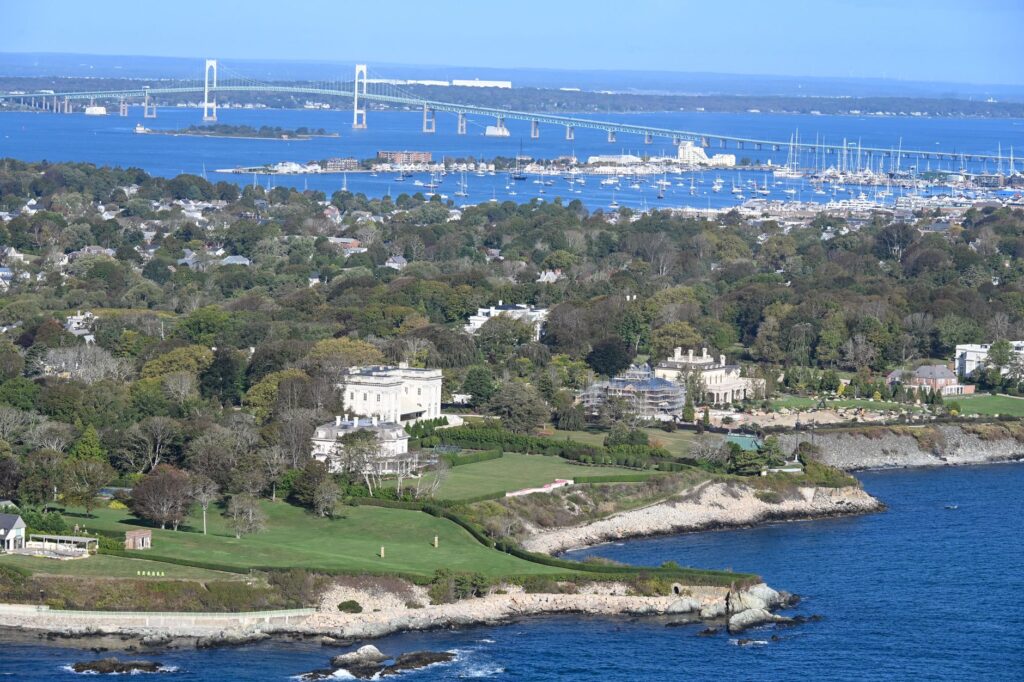
If the coastline defines Newport’s outer character, its opulent mansions represent the pinnacle of its interior ambition. During the closing decades of the nineteenth century and the dawn of the twentieth, America’s wealthiest families—the Vanderbilts, the Astors, the Belmonts—chose this corner of Rhode Island to erect their summer residences, locally known as cottages.
These structures were far more than mere vacation homes; they were authentic palaces inspired by European models, designed to host memorable parties that defined social status. The architecture reflects the opulence of rapid industrialization alongside the vision of master architects.
The Breakers and the Vanderbilt Legacy
Among all the mansions, The Breakers stands out as the supreme symbol of the Gilded Age. Built for Cornelius Vanderbilt II, this seventy-room structure echoes an Italian Renaissance palace, dominating the sea horizon with its imported limestone facade.
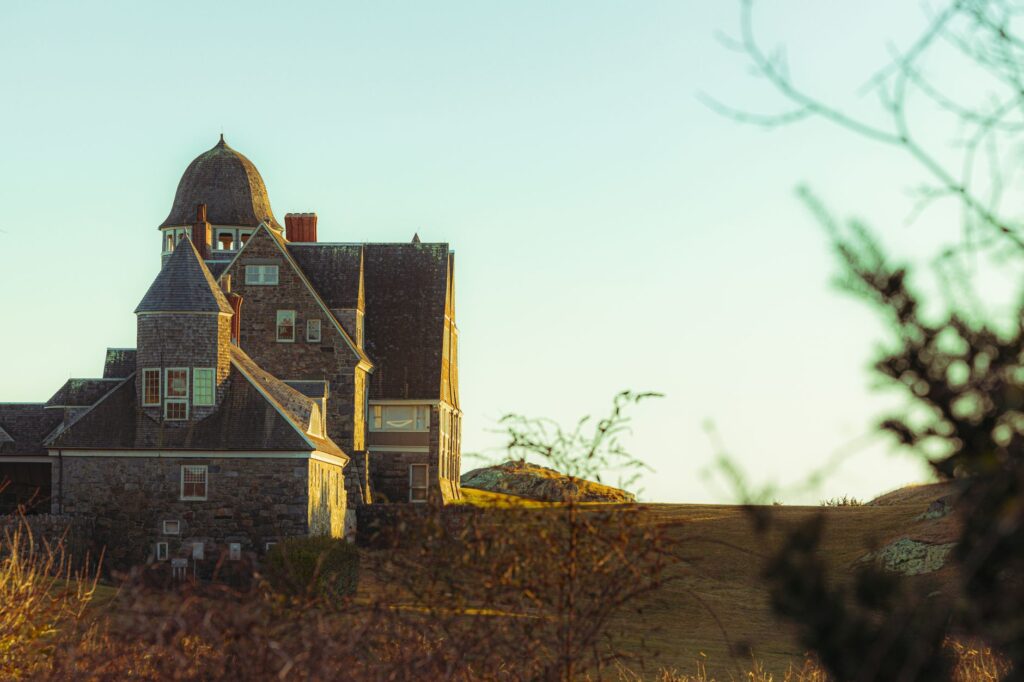
The interior is a showcase of rare marbles, Venetian mosaics, and gilded ceilings that evoke the boundless wealth of its owners. Touring its halls reveals the magnitude of an era when luxury knew no limits and architectural details served strict social hierarchies.
The Cliff Walk: Nature and Coastal Geology
Understanding Newport’s topography requires walking the Cliff Walk, a path spanning over three miles along the exact edge where grand estate lawns meet the rugged rock formations of the Atlantic.
This trail offers a unique perspective, juxtaposing monumental human creation with the indomitable force of the marine environment. The rhythmic crashing of waves against ancient schists and gneisses provides a hypnotic soundtrack for every traveler.
Biodiversity and Coastal Erosion
Beyond its scenic value, the Cliff Walk serves as an open-air classroom for coastal geology and ecology. Rock crevices harbor diverse marine flora and shorebirds adapted to the harshness of the Atlantic climate.
In recent years, conservation efforts have intensified to protect the trail from erosion and climate change, ensuring future generations can continue enjoying this contrast between stately architecture and ocean fury.

The Metamorphosis of the Historic Downtown
Far from the grand boulevards of the mansions, Newport’s historic downtown preserves the densest concentration of colonial wooden architecture in the United States. Streets like Thames Street and America’s Cup Avenue tell stories predating nineteenth-century opulence, rooted in maritime trade and the American Revolution.
Today, this web of cobblestone lanes has transformed into a dynamic cultural and commercial district where independent bookstores, contemporary art galleries, and local design boutiques thrive.
The Influence of Local Craftsmanship
Downtown commerce has successfully escaped tourist homogenization thanks to a strong community of artisans and creators redefining maritime tradition with a contemporary lens.
From leatherworking studios to ceramic workshops inspired by Atlantic hues, local businesses provide authenticity and sustain a year-round neighborhood economy, resisting seasonal tourist influxes.
The New Coastal Culinary Vanguard
Newport’s culinary scene is experiencing a golden age driven by a new generation of chefs redefining New England’s food traditions. While classic clam shacks and lobster roll stands retain a beloved place among diners, culinary offerings have diversified significantly.
The current ethos prioritizes sustainability, hyper-local ingredients, and responsible fishing, partnering closely with Aquidneck Island farmers and local bay fishermen.
Fine dining in Newport is no longer about replicating European recipes with imported ingredients, but about extracting the pure essence of Atlantic seafood and pairing it with local agricultural harvests.
Restaurants housed in converted industrial warehouses or restored fishermen’s cottages offer everything from reimagined clam chowder to avant-garde techniques, cementing the city as a premier East Coast culinary destination.
The Cultural Haven and Artistic Scene
Newport has traditionally served as a magnet for writers, painters, and musicians. From Henry James to Edith Wharton, alongside jazz legends visiting the historic summer festival, the city has nourished a rich intellectual and artistic life.
Institutions like the Newport Art Museum and independent exhibition spaces demonstrate that local creativity remains vibrant, offering an essential cultural counterpoint to the historical narrative of the grand mansions.
Music and Festivals at Fort Adams State Park
Fort Adams State Park, situated on a peninsula guarding the harbor entrance, hosts major national music events each summer, notably the legendary Newport Jazz Festival and the Newport Folk Festival.
These gatherings not only draw fans from around the world but also sustain a tradition of artistic experimentation and freedom dating back to the mid-twentieth century.
Practical guide
Planning a trip to Newport requires understanding its seasonal rhythms and urban geography to maximize the stay without rushing through mass tourism.
- Getting There: Providence International Airport (PVD) is about a 45-minute drive away. Driving from Boston or New York offers exceptional coastal views.
- Best Time to Visit: May through June and September through October offer mild weather, smaller crowds, and peak natural beauty.
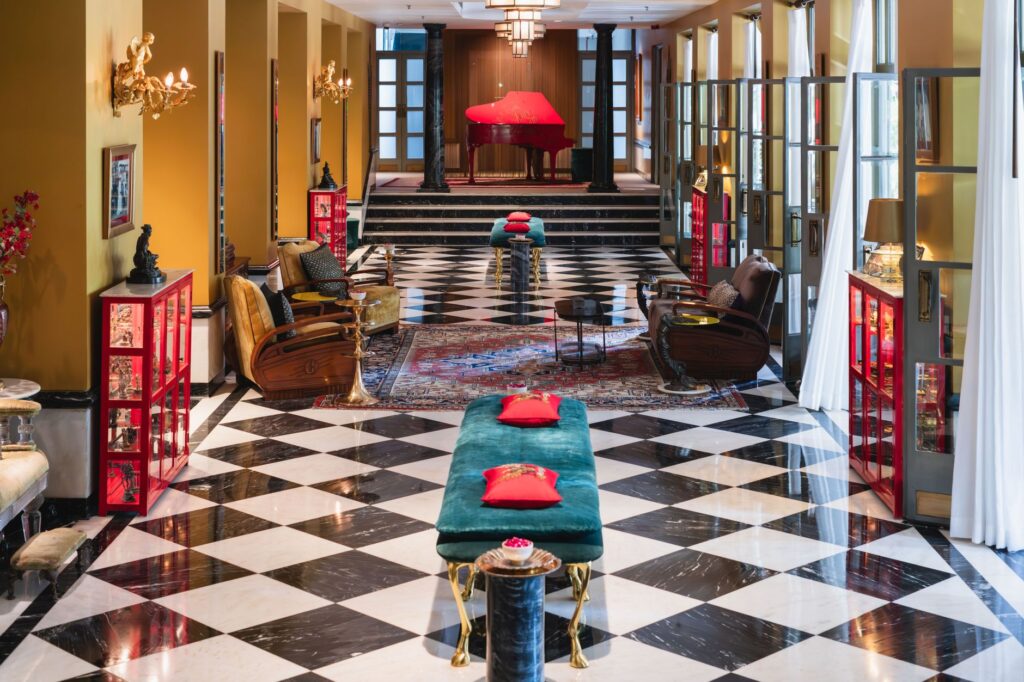
- Where to Stay: Choosing a historic downtown inn or a harbor-front boutique hotel ensures an authentic experience close to major landmarks.
- Getting Around: The downtown area is easily explored on foot or by bicycle. For distant mansions and lighthouses, driving or local shuttle services are best.
- Essential Bookings: Tickets for The Breakers and major mansions should be reserved in advance, alongside weekend dining reservations at high-demand restaurants.
- Local Etiquette: Respect for historic heritage and residential quiet is paramount. Supporting local commerce and hospitality is highly encouraged.
- Official Information: Consulting Rhode Island tourism platforms ensures up-to-date operating hours and coastal conservation regulations.
The Eternal Echo of the Atlantic
As evening falls, when fog rolls softly over the bay waters and harbor lights twinkle on the horizon, Newport reclaims the quiet that first captivated early mariners. In that suspended moment between monumental past and dynamic present, the city reveals its true nature: a sanctuary where the memory of the sea continues to guide every step, reminding us that true elegance lies in the simplicity of a sunset viewed from the edge of the Atlantic abyss.
Source in EN: Condé Nast Traveler (https://www.cntraveler.com/story/where-to-eat-stay-and-play-in-newport-rhode-island)