
Architecture and Landscape: The New Vancouverite Way of Living
Vancouver’s skyline is defined not solely by its glass and steel towers mirroring the Pacific Ocean, but by the quiet revolution of its residential architecture. In recent years, the city has transformed its urban fabric by integrating principles of radical sustainability and West Coast aesthetics. Singular accommodations—ranging from floating homes in industrial marinas to industrial-design studios in historic brick warehouses—redefine how travelers experience the territory. This approach shuns ostentatious luxury in favor of an honest connection with the geographical and cultural surroundings, where local cedar wood, expansive windows, and natural light act as the backbone of the living space.
Understanding Vancouver through its private spaces requires looking beyond the classic hotel stay. Peripheral and central neighborhoods function as design laboratories where local architects and creators experiment with urban density and environmental stewardship. By overnighting in these enclaves, visitors transition from passive tourists to temporary residents, capable of perceiving the tide rhythms in False Creek or the creak of hydraulic floors in repurposed early-20th-century constructions.
Gastronomy and Neighborhood: The Everyday Pulse of Local Cuisine
Vancouver’s culinary scene is not concentrated solely in its award-winning fine dining establishments, but rather in the vibrant intersection between public markets, Asian influences, and the marine larder of the Strait of Georgia. Accommodations strategically located in neighborhoods such as Gastown, Mount Pleasant, or Strathcona place travelers just steps away from specialty coffee roasters, sourdough bakeries, and bistros where zero-kilometer produce is a statement of intent. Awakening in these urban sectors involves integrating into a morning routine where wild smoked salmon, regional berries, and sustainably sourced tea set the day’s tempo.

The true taste of Vancouver lies in the modesty of its neighborhood markets and the boldness of a generation of chefs honoring indigenous traditions and migratory heritages without unnecessary artifice.
Local hosts frequently act as unofficial curators of this culinary culture, leaving handwritten guides in their property kitchens detailing the best fishmongers, fresh seafood stalls on Granville Island, and small community urban gardens. This proximity transforms the culinary experience into an intimate act of discovery, far removed from the standardized circuits of commercial restoration.
Gastown and Industrial Memory Transformed into Sanctuary
Little remains of the timber settlement founded by Gassy Jack in 1867 that has not been reinterpreted by contemporary design. Gastown, the city’s historic core, stands out for its cobblestone streets, Victorian streetlamps, and red-brick warehouses converted into lofts with soaring ceilings and centennial beams. Within these spaces, Nordic-inspired minimalist decor coexists with handcrafted furniture by artisans from British Columbia, establishing a visual dialogue between the city’s industrial past and its avant-garde present.
Staying in this sector allows visitors to explore independent art galleries, textile design studios, and vinyl record shops on foot before the city fully wakes up. The nocturnal atmosphere, punctuated by the occasional whistle of freight trains and the reflection of urban lights in rain puddles, offers a cinematic and deeply melancholic perspective of the Canadian west coast.
Mount Pleasant and the Creative Vanguard of the East
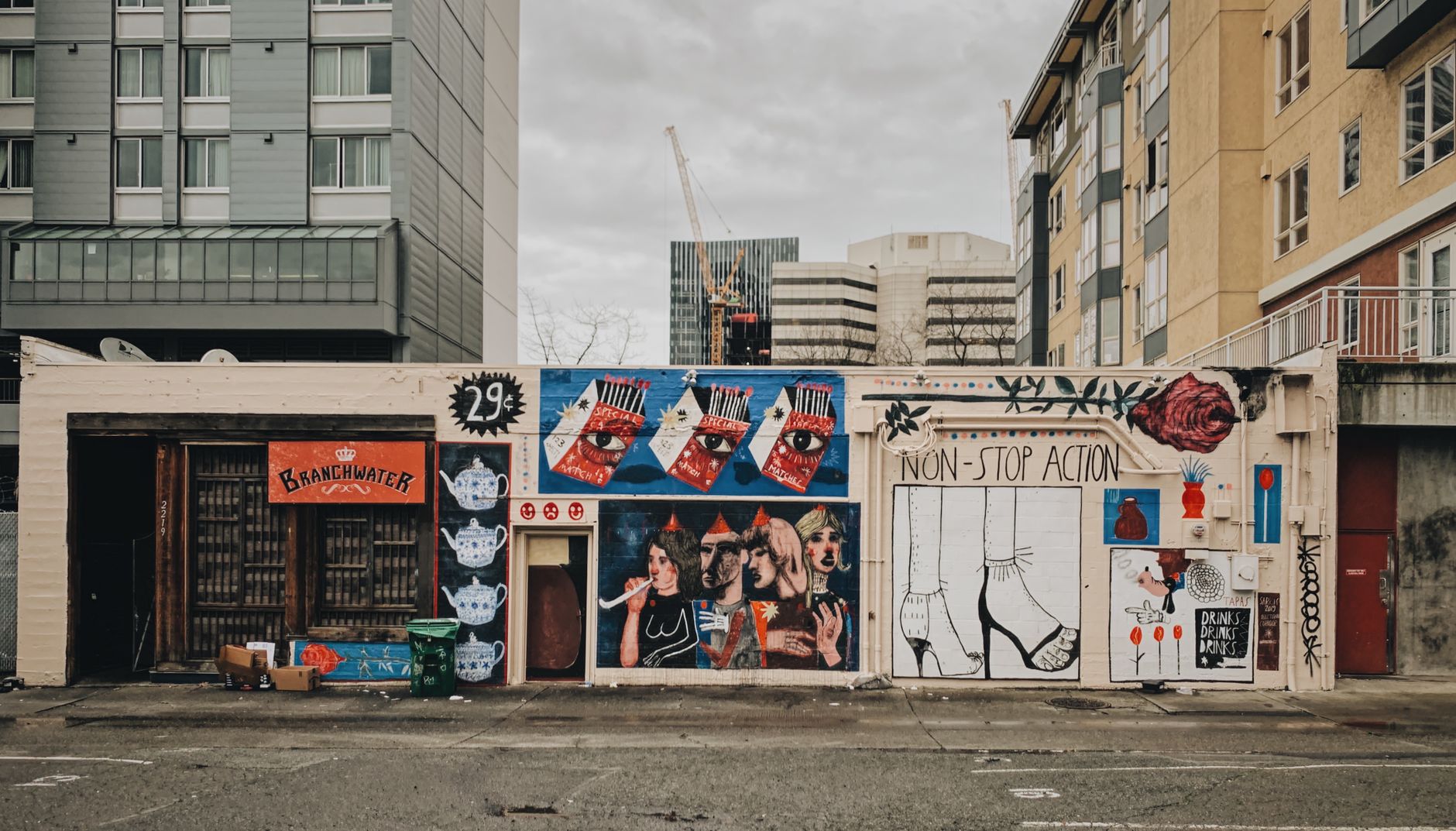
If Gastown represents the historical archive, Mount Pleasant embodies the contemporary heartbeat of Vancouver’s creativity. A former industrial and working-class district, this neighborhood has established itself as the epicenter of graphic design, craft beer, and mural art in the province. Short-term rental properties in this area typically take the form of light-filled studios with polished concrete finishes, white walls dotted with original graphic work, and landscaped terraces where hops and culinary herbs are cultivated.
Temporary living in Mount Pleasant means understanding how a community can reinvent its industrial spaces without losing its working-class and multicultural identity.
Walking down Main Street from this starting point reveals an uninterrupted succession of secondhand bookstores, ceramic studios, and specialty cafés where architects, visual artists, and software developers converge. Life unfolds at a measured yet intensely intellectual pace.

False Creek and Amphibious Life on the Water
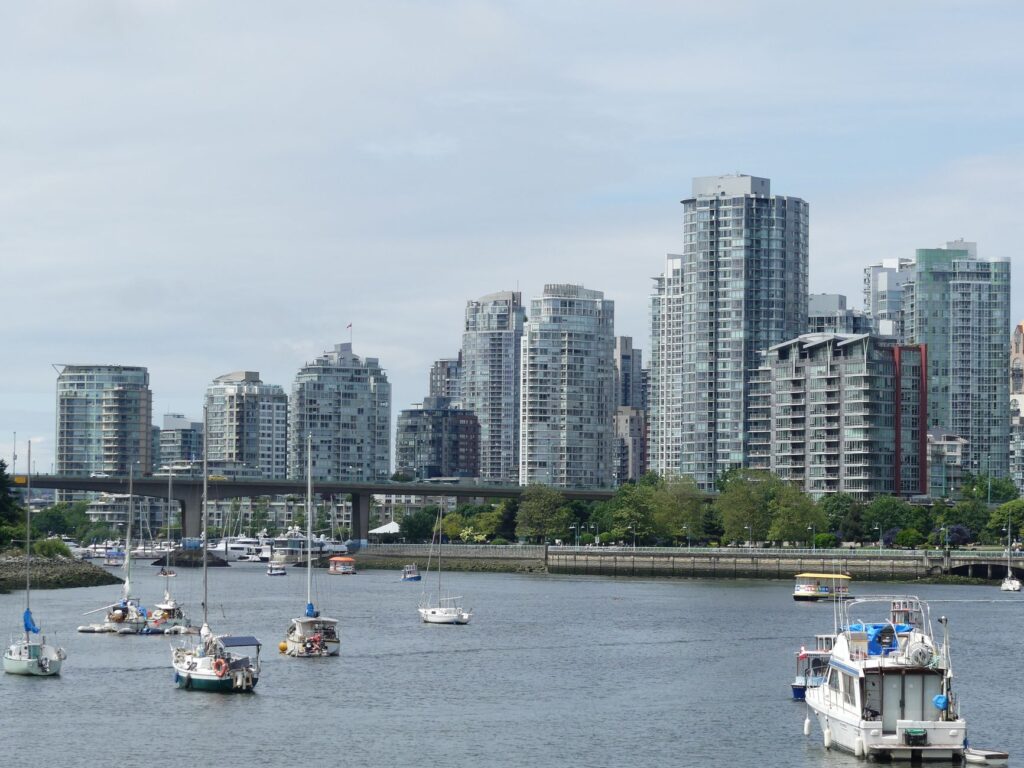
One of Vancouver’s most fascinating residential typologies is the floating architecture of False Creek and its surrounding marinas. Conceived with energy efficiency criteria and advanced naval design, these floating homes allow travelers to experience the city’s maritime pulse from a literal perspective of closeness to the water. Large south-facing windows capture the steady passage of small public ferries—the iconic brightly colored AquaBus—and the profile of the North Shore mountains emerging behind the water.
The interiors of these structures typically prioritize light woods, open-plan spaces, and ingenious storage solutions reminiscent of high-end yacht design. Awakening to the gentle sway of the tide and the call of seagulls provides an absolute counterpoint to metropolitan bustle, offering a peaceful sanctuary just minutes away by bicycle from the financial district.
Kitsilano and the Aesthetics of Wellness and Shoreline
Heading west, bordering clear sand beaches and the protected waters of the strait, Kitsilano keeps alive the heritage of 1960s counterculture fused with a lifestyle obsessed with physical wellness and connection to nature. Accommodation options here range from discrete ground-floor suites surrounded by towering fir trees to glass penthouses with panoramic views toward English Bay and snow-capped peaks.
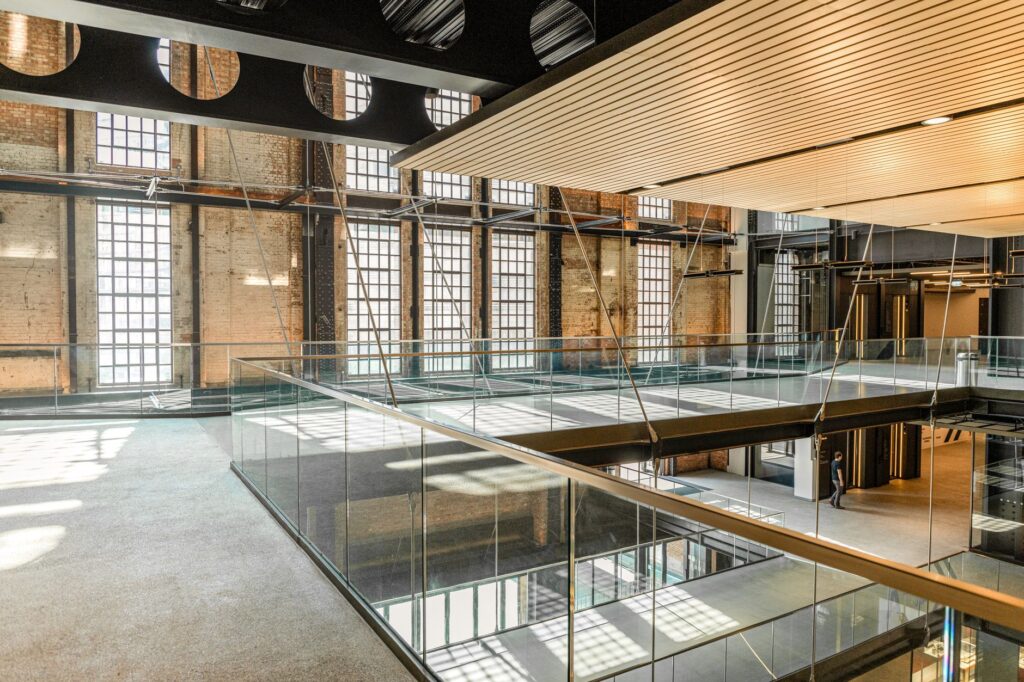
Interior design in this sector leans toward neutral color palettes, organic linen textiles, and absolute fluidity between indoor space and outdoor gardens. It is the ideal place to understand the local obsession with outdoor sports, yoga, and absolute respect for urban parks such as Stanley Park, located a short bicycle ride away across the Burrard Bridge.
Strathcona and the Wooden Residential Heritage
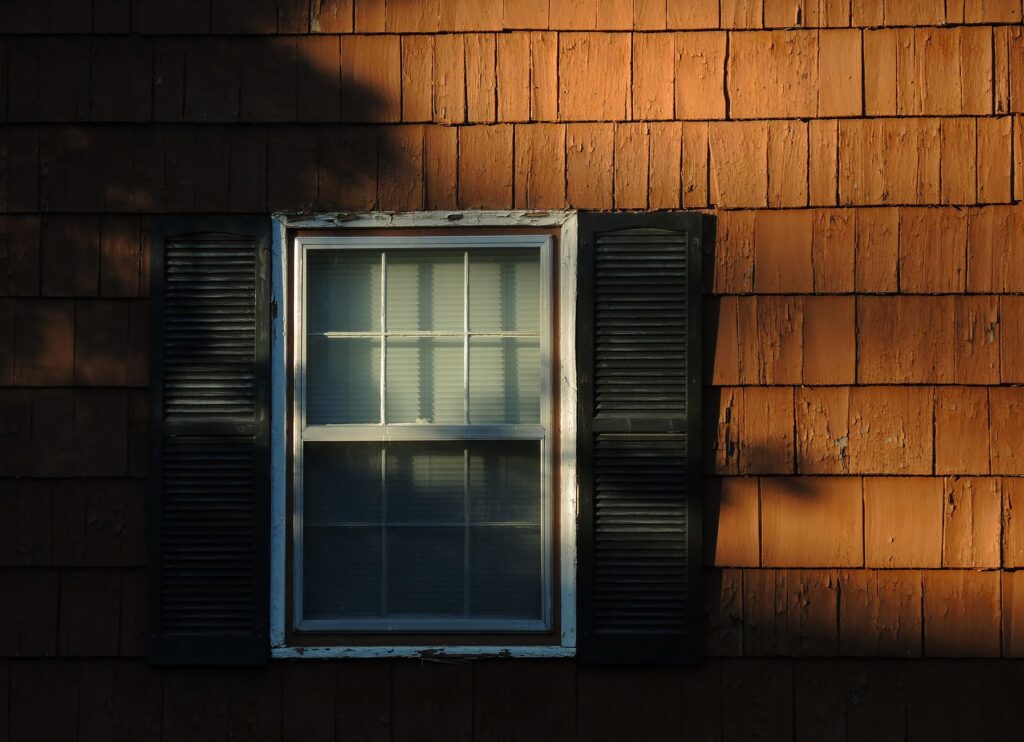
Strathcona is Vancouver’s oldest residential neighborhood and one of the few that saved its historic fabric from late-20th-century real estate speculation. Its tree-lined streets are flanked by Victorian and Edwardian wood-frame houses, many carefully maintained by families and artistic collectives defending architectural preservation. Available stays in this neighborhood are typically found on the upper floor of these centennial homes or in former carriage houses converted into designer studios.
Lodging in Strathcona involves an exercise in neighborly respect and anthropological observation. Community gardens, participatory murals, and proximity to historic Chinatown configure a multicultural mosaic where the memories of Chinese, Japanese, and European immigration that built the province’s demographic foundations converge.
Practical guide
How to get there: Vancouver International Airport (YVR) is connected to downtown via the Canada Line rapid transit (Skytrain), taking approximately 25 minutes. Best time to visit: The months from June to September offer optimal weather conditions and lower rainfall, though spring (April to May) stands out for cherry blossoms and fewer tourist crowds. Urban mobility: The TransLink public transit network integrates metro, buses, and False Creek ferries. Renting bikes through the municipal Mobi system is highly recommended thanks to the extensive network of protected bike lanes. Local etiquette: Deep respect for local recycling and composting regulations in private lodgings is highly valued, as is noise reduction in residential areas after 10:00 PM.
Final Refuge: Twilight Light over the Strait of Georgia
As the sun begins its descent behind Vancouver Island, painting the sky in copper and mauve hues reflected in contemporary design windows, the city acquires an almost contemplative dimension. Sitting on the cedarwood terrace of a coastal refuge or looking through the bevelled glass of a historic studio allows travelers to assimilate the true scale of this frontier territory. Here, urban civilization and the wild immensity of the Pacific do not compete; they coexist in a fragile and beautifully articulated balance that endures in the memory of those who inhabit these spaces with open senses.
The experience of touring Vancouver through its domestic architecture and culinary sensitivity demonstrates that contemporary travel is no longer measured by the accumulation of visited monuments, but by the quality of immersion in the daily rhythms of its communities.
Source in EN: Condé Nast Traveler