
At the southern tip of the Arousa estuary, a nineteenth-century ashlar stone bridge connects the O Grove peninsula with an island where the tide dictates the rhythm of existence. La Toja, historically known as Illa da Toxa, is not a common geographical accident, but a basaltic and clayey outcrop where the Earth’s crust releases hyperthermal fluids loaded with siliceous and sulfurous minerals. This Galician enclave represents one of the oldest natural laboratories in the European continent for the study of clinical balneology and preventive dermatology, a territory where water wells up at constant temperatures exceeding forty degrees Celsius after passing through deep geological formations.
Far from the seasonal bustle that colonizes the surrounding beaches, the island preserves a dense silence, guarded by a thick Atlantic pine forest and a tangle of eucalyptus trees that soften the salty winds coming from the ocean. Here, the concept of well-being does not respond to fleeting trends of the contemporary spa industry, but to a scientific and empirical tradition consolidated over more than a century of chemical analyses, medical prescriptions, and balneological architecture aimed at physical and mental recovery.
The Geology of Heat: Springs and Deep Mineralization
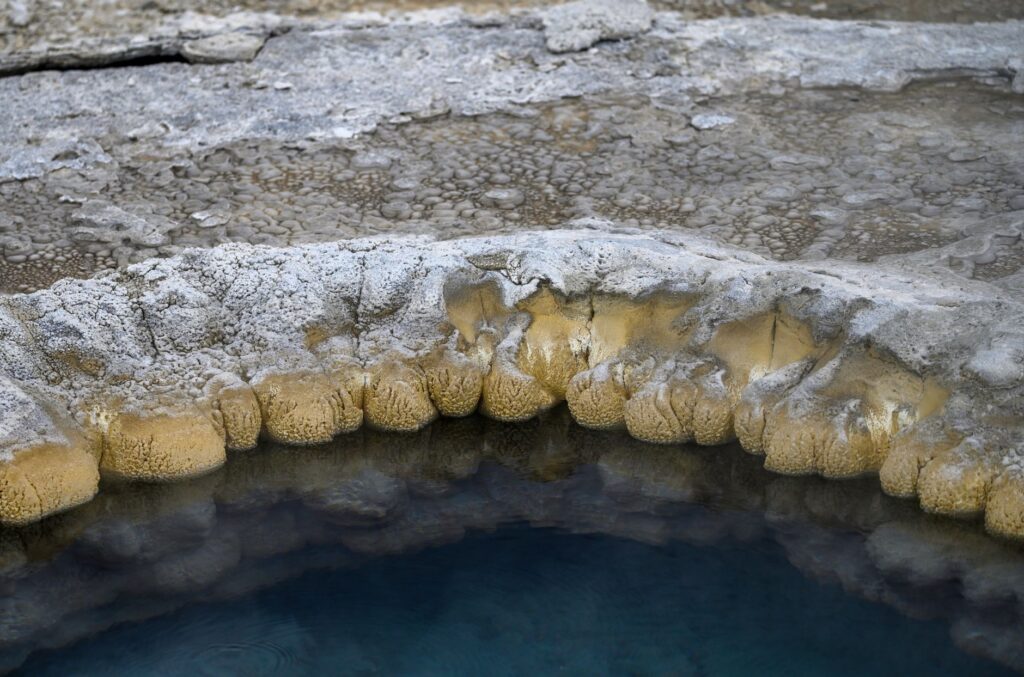
The origin of La Toja’s healing properties lies in its peculiar subsoil. Unlike other springs of surface origin, the thermal waters of this island ascend from deep tectonic faults, incorporating a high concentration of sodium chloride, bicarbonate, calcium, and traces of iron along their upward journey. These elements give the liquid unique rheumatological and dermatological qualities, officially recognized by the scientific community since the late nineteenth century.

Physical-chemical analysis of these flows reveals a slightly alkaline pH and total mineralization that exceeds conventional drinking water limits, transforming them into authentic liquid medicines. Rigorous capture of these resources is carried out through controlled drillings that prevent marine contamination from tidal intrusion, ensuring that the pristine purity of the aquifer remains unaltered during hydrotherapy treatments, inhalations, and contrast baths.
Thermal Architecture and Granite Aesthetics
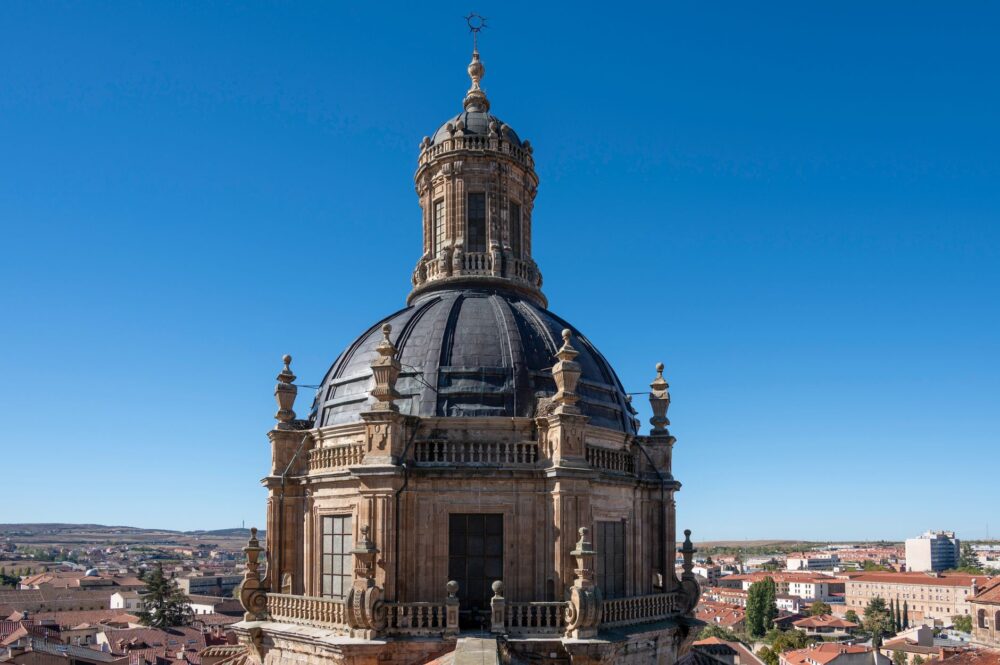
The consolidation of La Toja as a health destination necessitated the construction of a monumental architectural infrastructure that today defines the insular landscape. The historical buildings of the spa complex combine the sobriety of Galician granite with the functional elegance of the Belle Époque, a style imported from major Central European thermal centers but adapted to the Atlantic climate of heavy rainfall and changing skies.
The wide stone corridors, the large windows designed to maximize the entry of greyish light, and the high ceilings of hardwood respond to a constructive philosophy where the exterior space integrates with the therapeutic interior. Walking through these corridors is stepping into an atmosphere of quiet reflection, where the constant sound of water circulating through copper and ceramic pipes accompanies the visitor in their sensory disconnection process.
The Alchemy of Thermal Soap: From Traditional Pharmacy to Industrial Icon
One of the most fascinating milestones in island history is the invention of the iconic La Toja soap, a product crafted from the muds and mineral salts of the spring that revolutionized personal hygiene internationally. In the late nineteenth century, local pharmacists discovered that the decantation of clay sediments from the bottom of the thermal pools possessed extraordinary dermoprotective and astringent properties.
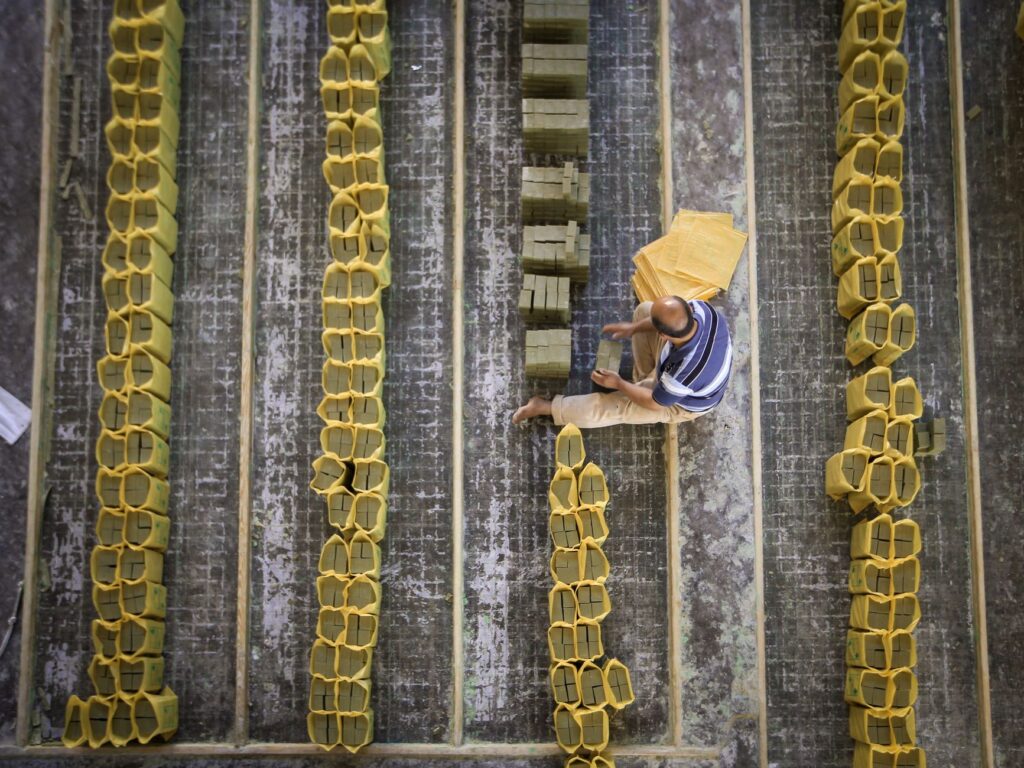
The traditional manufacturing process combined saponified vegetable oils with the dehydrated muds of the spring, resulting in an ivory-colored bar wrapped in characteristic brown kraft paper that became a silent ambassador of the island in dressing tables worldwide. Today, although industrial production has modernized, the active ingredient remains tied to the same mineral matrix that nourishes the spa’s mud circuits.
True thermal health does not seek evasion from the environment, but profound attunement with the geological and climatic cycles of the territory that sustains us.
The Atlantic Forest as a Plant Immersion Therapy
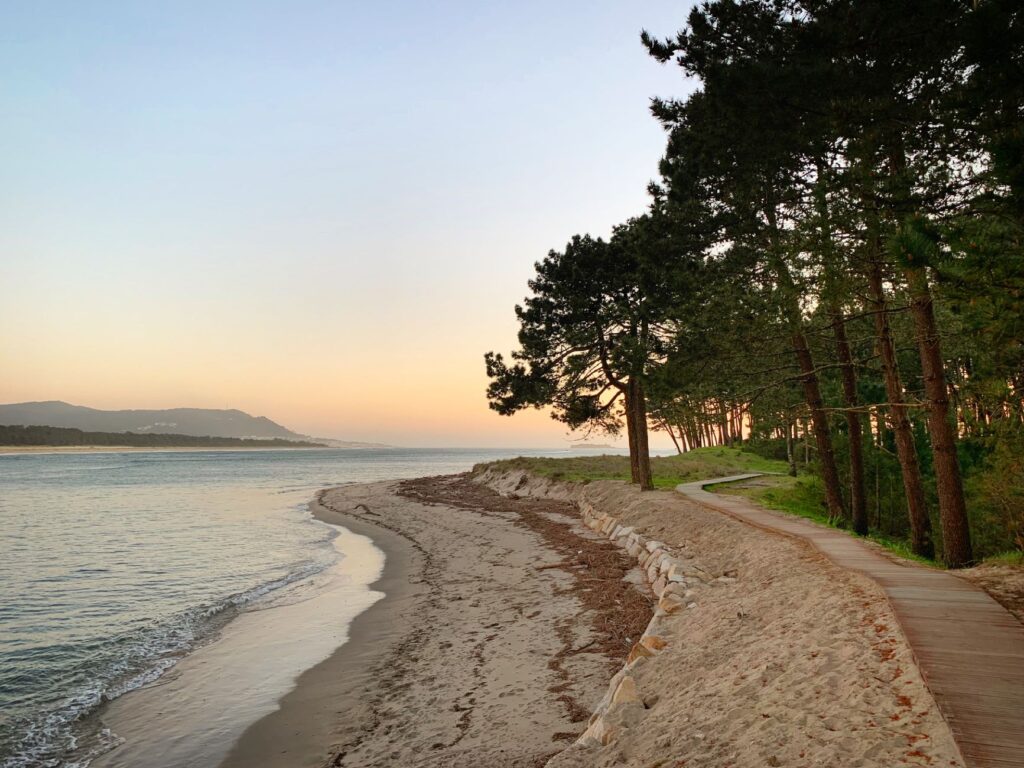
The wellness experience in La Toja extends far beyond closed hydrotherapy buildings. The island perimeter is crisscrossed by compact dirt paths flanked by century-old trees whose crowns filter sunlight, generating a microclimate with a high concentration of phytoncides and marine aerosols. This wooded environment acts as a regulating agent of the autonomic nervous system, measurably reducing blood cortisol levels.
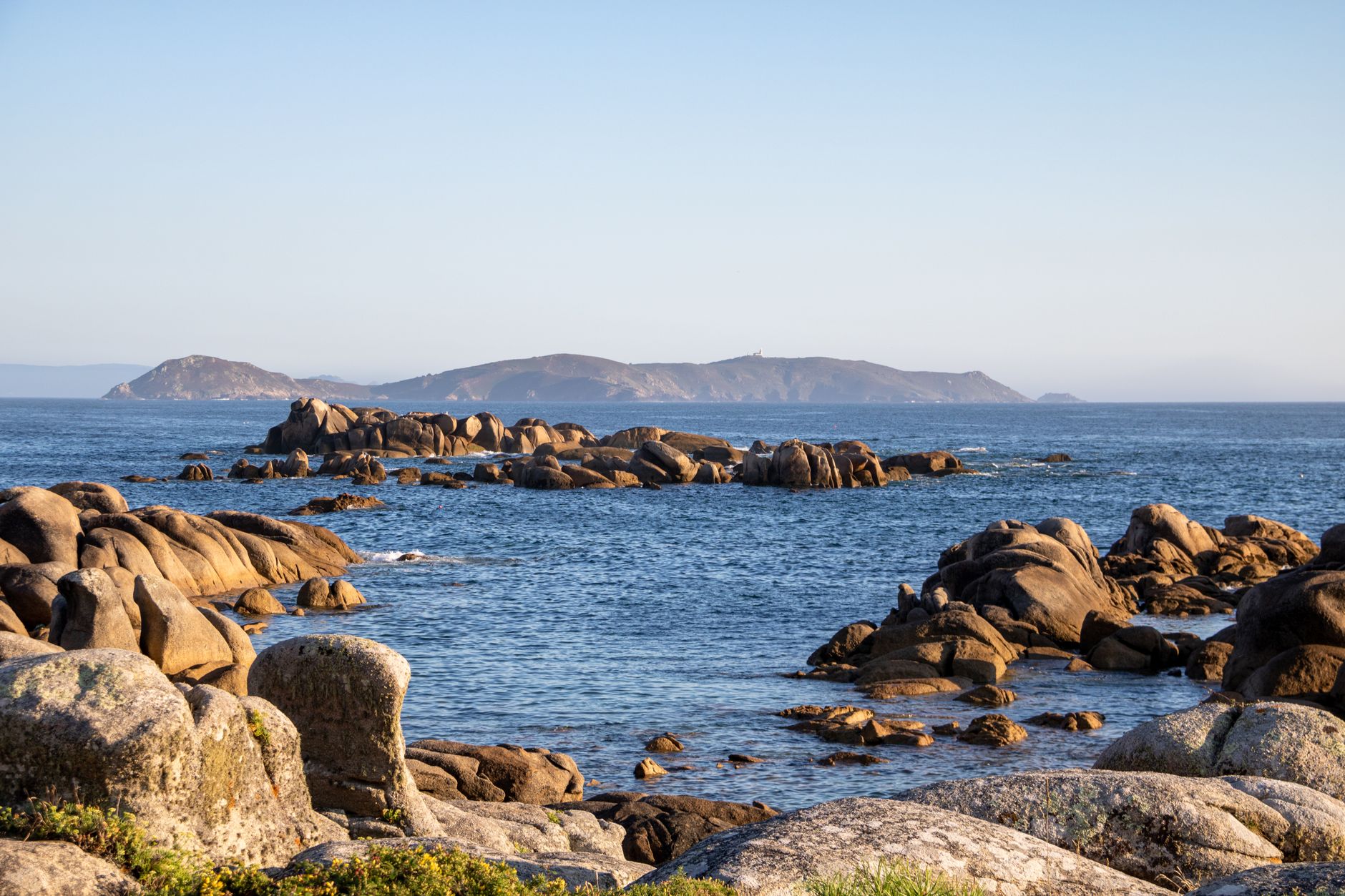
Silent walks along the rocky coast, where the tide uncovers small white sandy beaches and pools of tepid water, complement clinical physical therapy sessions. Combining moderate physical exertion with the inhalation of iodine-rich air constitutes a medically recommended regimen for recovering from respiratory conditions and chronic fatigue.

Singular Heritage: The Chapel of Shells
Among the architectural elements providing cultural identity to the territory stands the singular hermitage dedicated to Saint Caralampio and Our Lady of Mount Carmel, completely covered on its exterior by thousands of scallop shells. This marine cladding is not a mere aesthetic caprice, but a vernacular reinterpretation of the Jacobean tradition connecting the island to the Camino de Santiago and the shellfish economy of the Arousa estuary.
The interior of the chapel, sober and bathed in the dim light filtering through simple stained glass windows, offers a space for secular or spiritual pause where visitors experience a deep sense of timelessness. The preservation of this temple reflects respect for the historical layers that have built island identity over the centuries.
Insular Gastronomy and Proximity Larder
Well-being in this corner of Galicia is completed at the table, where the culinary offerings pay strict tribute to local products from the estuary and the Pontevedra gardens. Galician broths prepared with seasonal vegetables, fresh fish caught by artisanal inshore methods, and shellfish from surrounding rafts constitute a balanced diet low in saturated fats, perfectly aligned with the complex’s health objectives.
Local chefs advocate for a zero-kilometer cuisine that minimizes carbon footprint and rescues traditional seafood recipes, demonstrating that clinical nutrition can simultaneously be a top-tier gastronomic pleasure. White wines from the Rías Baixas designation of origin, with their characteristic acidity and mineral notes, accompany every lunch as a liquid reflection of the granitic terroir.
Practical guide
Getting there: Illa da Toxa is connected to O Grove by a bridge with free access for vehicles and pedestrians. Santiago de Compostela International Airport (SCQ) is approximately 85 kilometers away, while the Pontevedra high-speed rail station is located 35 kilometers away, with frequent connections via regular bus lines and car rental services.
When to go: The spring months (May and June) and autumn (September and October) offer the most stable weather conditions, with mild temperatures and fewer visitors, ideal for maximizing therapeutic disconnection.
Accommodation: Insular hotel offerings are concentrated in historical establishments with direct access to thermal springs, although the neighboring O Grove peninsula features a wide network of rural guesthouses and independent boutique hotels.
Practical tips: Reserving spa treatments weeks in advance is strongly recommended due to high clinical demand. Comfortable footwear for walking forest trails and light cotton clothing for hydrotherapy sessions are essential.
The Last Refuge of Mist and Silence
As sunset begins to dye the waters of the Arousa estuary in coppery and violet tones, the island of La Toja recovers its most intimate and essential pulse. In that crepuscular moment, when the Atlantic mist envelops the century-old pines and the murmur of the sea becomes the only perceptible sound over the granite, the traveler understands that true health is not a static state, but a subtle reconnection with the elemental rhythms of the earth. Sitting on one of the stone benches facing the ocean, watching the tide erase the day’s footprints, is equivalent to signing a definitive pact with the stillness and millenary memory of Galicia.