
The Geography of the Edge and Stopped Time at the Prime Meridian
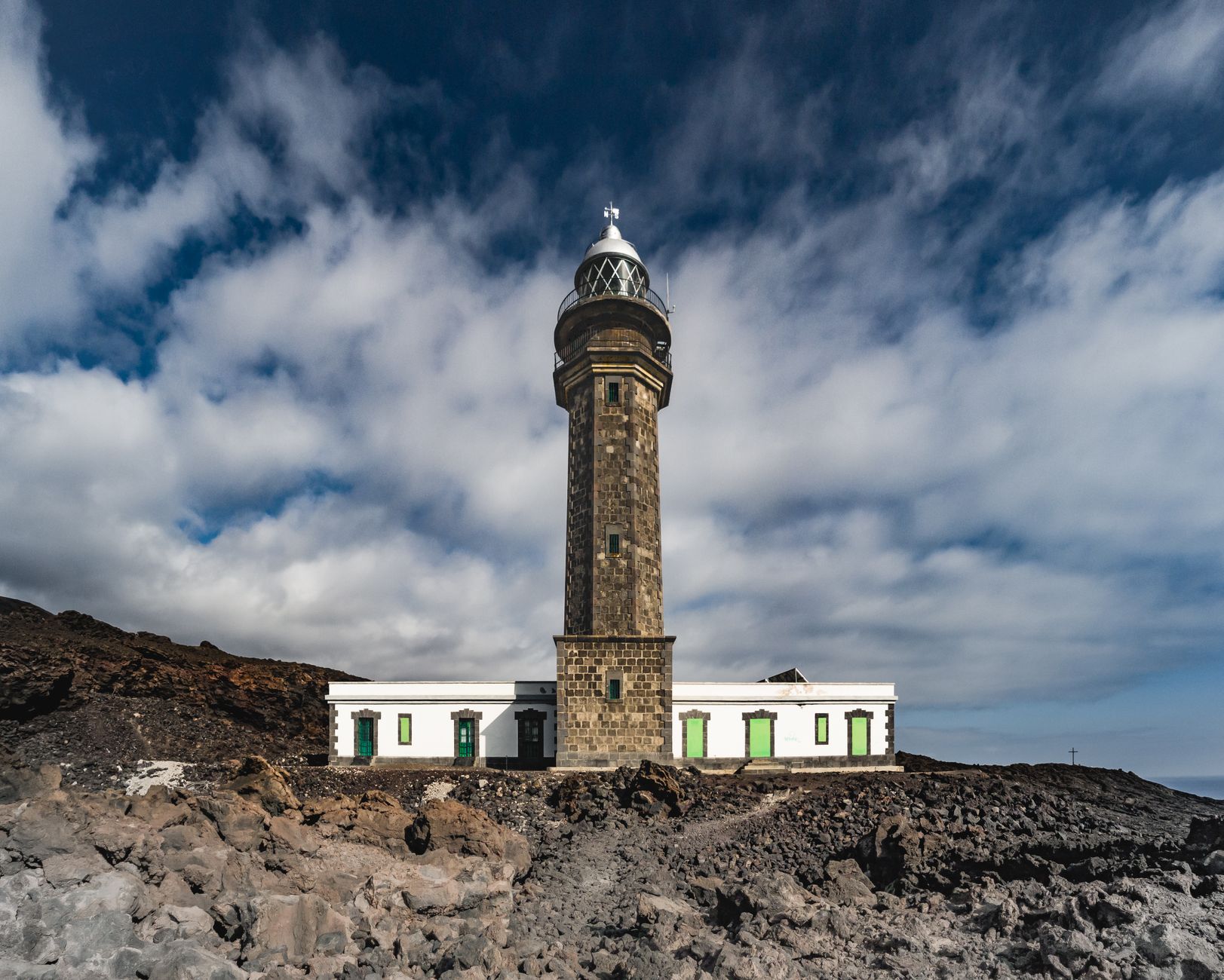
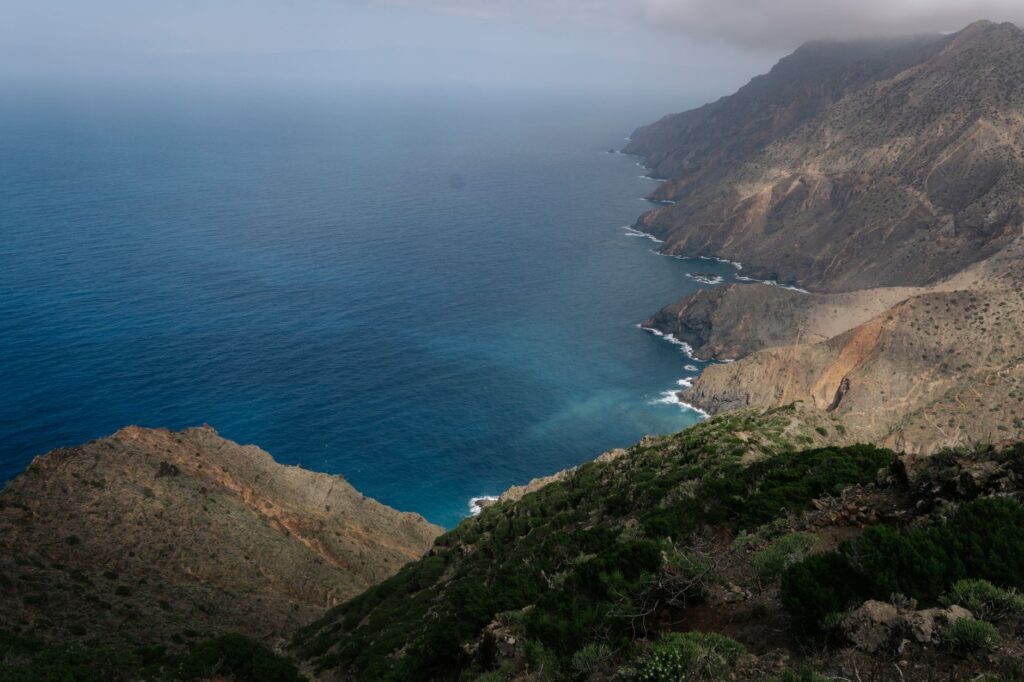
At the westernmost edge of the Canary archipelago, where historical cartography once placed the end of the known world, the island of El Hierro raises its basaltic cliffs against the vastness of the Atlantic Ocean. Far from the mass tourism circuits transforming the coastlines of its neighboring islands, this territory declared a Biosphere Reserve and UNESCO Global Geopark has articulated a development model where well-being is not purchased in luxury malls, but extracted directly from geological sobriety and insular isolation. The Hierrian topography, sculpted by recent volcanic eruptions and shaped by the constant hammering of the trade winds, imposes a distinct rhythm upon existence. Here, slowness is not a marketing resource, but a biological requirement imposed by roads that wind along the edge of the abyss and by a silence interrupted only by the distant roar of ocean breakers.
The concept of well-being in El Hierro is deeply rooted in the historical scarcity of water resources and the ancestral wisdom with which its inhabitants learned to capture moisture from the clouds. Unlike conventional resort complexes equipped with large heated pools and artificial spa circuits, the experience of disconnection in this Atlantic outpost involves immersion in landscapes where human intervention has been subtle and respectful. From ancient cisterns excavated in volcanic tuff to modern sustainable development interpretation centers, the entire island operates as a living organism inviting introspection. The absence of light pollution in its nocturnal skies, protected as a Starlight Reserve, completes a physical and mental recovery cycle that operates on both sensory and strictly physiological levels.
The Alchemy of Water and the Misty Forests
The ecological and therapeutic heart of the island beats within the strip of laurel and cloud forests, where the meteorological phenomenon known as horizontal rain defines the local microclimate. The trade winds, laden with moisture as they cross the Atlantic, collide with the island’s high peaks, condensing micro-droplets on the evergreen leaves of laurels, tree heaths, and wax myrtles. This natural filtration process feeds a prehistoric ecosystem acting as a giant sponge, recharging the underground aquifers from which the island’s thermal springs and water sources flow. Walking along trails such as La Llanía or entering the dense Sabinar is not merely a hiking activity, but an exercise in pulmonary purification driven by high concentrations of oxygen and marine aerosols.
Scientific research on the impact of humid forest environments on human health confirms that exposure to phytoncides—volatile organic compounds released by tree vegetation—drastically reduces blood cortisol levels and stabilizes blood pressure. In El Hierro, this biological benefit is multiplied by the absolute purity of the air, free of industrial particles. Visitors traversing these trails experience a form of digital and mental disconnection that integrative medicine specialists call deep biophilic immersion. The constant moisture of moss, the rough texture of millenary trunks, and the greenish twilight filtering through the foliage generate a state of cognitive calm difficult to replicate in urban environments or tourist destinations saturated with visual and acoustic stimuli.
Well-being in El Hierro does not spring from artificial opulence, but from respectful confrontation with a volcanic geography demanding silence, humility, and mindful attention to the rhythms of nature.
Volcanic Architecture and Small-Scale Sanctuaries
The traveler’s integration into the Hierrian landscape relies on a network of small-format accommodations, rehabilitated rural houses, and bioclimatic hotels that shun architectural standardization. Dark basalt stone, noble Canary pine wood, and traditional ceramic tiles compose a built landscape mimicking the forms of ancient agricultural settlements. In places like San Andrés or El Pinar, buildings respect the human scale and harness natural air currents for climate control, reducing the energy footprint to a minimum. This commitment to sustainability is not a green marketing strategy, but an operational necessity driven by the island’s goal of achieving total self-sufficiency through renewable energy, a milestone already managed exemplarily via the Gorona del Viento hydro-wind power station.
Sleeping in a restored volcanic stone manor in the Valley of El Golfo allows one to hear the constant murmur of ravines and the heartbeat of the sea from the privacy of wind-sheltered interior patios. In these spaces, austere and functional furniture prioritizes deep rest and technological disconnection. There are no giant television screens or engine noises; geographic isolation becomes an incalculable luxury favoring restorative sleep. The island’s vernacular architecture demonstrates that true comfort lies in space, acoustic silence, and the possibility of contemplating the oceanic horizon without visual barriers or human crowds.

The Cuisine of the Territory: Origin and Zero-Kilometer Gastronomy
The restoration of physical balance finds a fundamental pillar in the Hierrian table, based on local produce, dry-land agriculture, and artisanal inshore fishing. Far from fusion cuisine or out-of-context gastronomic artifices, the island’s restaurants and taverns champion centennial recipes crafted from ingredients cultivated in volcanic terraces where rain is scarce. El Hierro cheese, protected by a Protected Designation of Origin and made from raw goat and sheep milk, stands out for its mineral notes and buttery texture, the result of a diet based on wild pastures and Atlantic scrubland. Paired with white wines made from Verijadiego or Verdello grapes grown on extreme slopes, this offers a taste experience deeply connected to the harshness and fertility of the insular soil.
Food sustainability in El Hierro strictly follows the zero-kilometer principle, ensuring that fish caught by local fishermen in La Restinga reaches dining rooms just hours later. Parrotfish, wreckfish, and amberjack star in broths and stews where culinary simplicity exalts the freshness of marine produce. Likewise, tropical pineapple crops in the sheltered valley of El Golfo, benefited by a unique subtropical microclimate and nutrient-rich volcanic soils, provide a dose of natural sweetness surprising in its aromatic intensity. Eating in El Hierro is therefore an act of communion with human effort that has extracted sustenance from an apparently inhospitable land, nourishing the body with clean food free from aggressive industrial processes.
The Underwater Pulse of La Restinga and Conscious Freediving
If El Hierro’s terrestrial surface invites contemplation and tranquility, the seabed surrounding the tip of La Restinga constitutes one of the archipelago’s most vital biological sanctuaries and a global epicenter for respectful scuba diving and freediving. The Marine Reserve of the Sea of Calms, protected from dominant winds, harbors exceptional biodiversity thanks to the purity of its waters and the complexity of its underwater lava structures, formed by basaltic flows plunging into vertical walls inhabited by groupers, stingrays, and tunas. The absence of pollution and strict control over nautical activities guarantee an environment where underwater immersion is experienced as a ritual of absolute silence.
In this crystal-clear scenario, conscious freediving and low-impact scuba diving have established themselves as premier therapeutic tools. Submerging into the Sea of Calms forces practitioners to regulate breathing, synchronize heartbeats with the sway of currents, and merge with an element where terrestrial gravity disappears. Local instructors emphasize that the sea is not an aquatic amusement park, but a space of respect where humans are merely temporary guests. This philosophy of respectful immersion fosters radical mental disconnection, freeing travelers from everyday urgency and returning their awareness to the fragility and beauty of oceanic ecosystems.

Stellar Contemplation and Nocturnal Silence
When the sun plunges behind the Atlantic horizon, dyeing cliffs in ochre and violet tones, El Hierro reveals another of its most transformative dimensions: the celestial vault. Far from the light pollution of major European metropolises, the island’s skies offer exceptional clarity for astronomical observation, officially recognized with Starlight Tourist Destination certification. Miradors strategically positioned at the edge of volcanic precipices, such as Bascos or Jinama, become natural observatories at nightfall where silence is so dense it seems to acquire physical consistency.
Stargazing workshops and night walks guided by local experts seek not mere visual entertainment, but a philosophical reconnections with the immensity of the cosmos. Sitting upon volcanic rock warmed by accumulated daytime heat to contemplate the bright band of the Milky Way generates a perspective of healthy humility and proportion against the pressures of contemporary life. This nocturnal pause, free of mechanical noise and intrusive artificial lighting, resets the body’s circadian rhythms, facilitating deep and restorative sleep that seals the comprehensive well-being experience on the island.
The darkness of the Hierrian skies is not a lack, but the canvas upon which nature draws its greatest spectacle of silence and proportion for the contemporary traveler.
Practical guide
How to get there: Access to El Hierro is primarily by air from Tenerife (Los Rodeos or Tenerife South airports) or Gran Canaria via regular flights operated by regional airlines such as Binter. Daily maritime connections via ferries departing from the port of Los Cristianos (Tenerife) to the port of La Estaca take approximately two and a half hours.

When to go: The island enjoys a temperate climate year-round, but spring (April to June) and autumn (September to November) offer optimal conditions for hiking and disconnection, with lower visitor numbers and stable temperatures ranging between 20 °C and 25 °C.
Where to stay: Prioritizing traditional rehabilitated rural houses in the municipalities of El Pinar, San Andrés, or the Valley of El Golfo is recommended to guarantee landscape integration and absolute silence. Official bioclimatic hotels also represent an excellent low environmental impact option.
Essential gastronomy: Tasting the origin-denominated Hierro cheese, fresh rock fish in La Restinga (such as vieja), artisanal mojos, and wrinkled potatoes, accompanied by local wines produced from native varieties in small family wineries, is mandatory.

Sustainable mobility: Insular topography makes renting a compact vehicle highly advisable to safely access high-mountain viewpoints and forest trails. Extra caution should be exercised on secondary roads due to tight curves and frequent summit fog.
Environmental respect: Straying from marked trails in protected natural areas, laurel forests, and marine reserves is strictly prohibited. Generated waste must be returned to urban centers, and biodegradable sunscreen is strongly advised to protect the marine fauna and flora of the Sea of Calms.
The Ultimate Horizon and the Memory of the Wind
The journey through El Hierro’s landscapes concludes where it began: at the edge of the cliff, facing the vast oceanic plain stretching uninterrupted toward the American continent. At dusk, when the trade wind subsides and gives way to fresh breezes descending from the montane forests, the insular experience settles in memory as a sediment of lasting calm. Travelers carry no memories of haste or completed to-do lists, but rather the physical imprint of silence, the rough touch of basalt, and the certainty that refuges still exist where human beings can recover their proper measure in the world. The island of the prime meridian thus bids farewell, without stridency or commercial promises, offering the scarcest commodity of our time: the opportunity to inhabit the present without urgency and in absolute harmony with the earth.