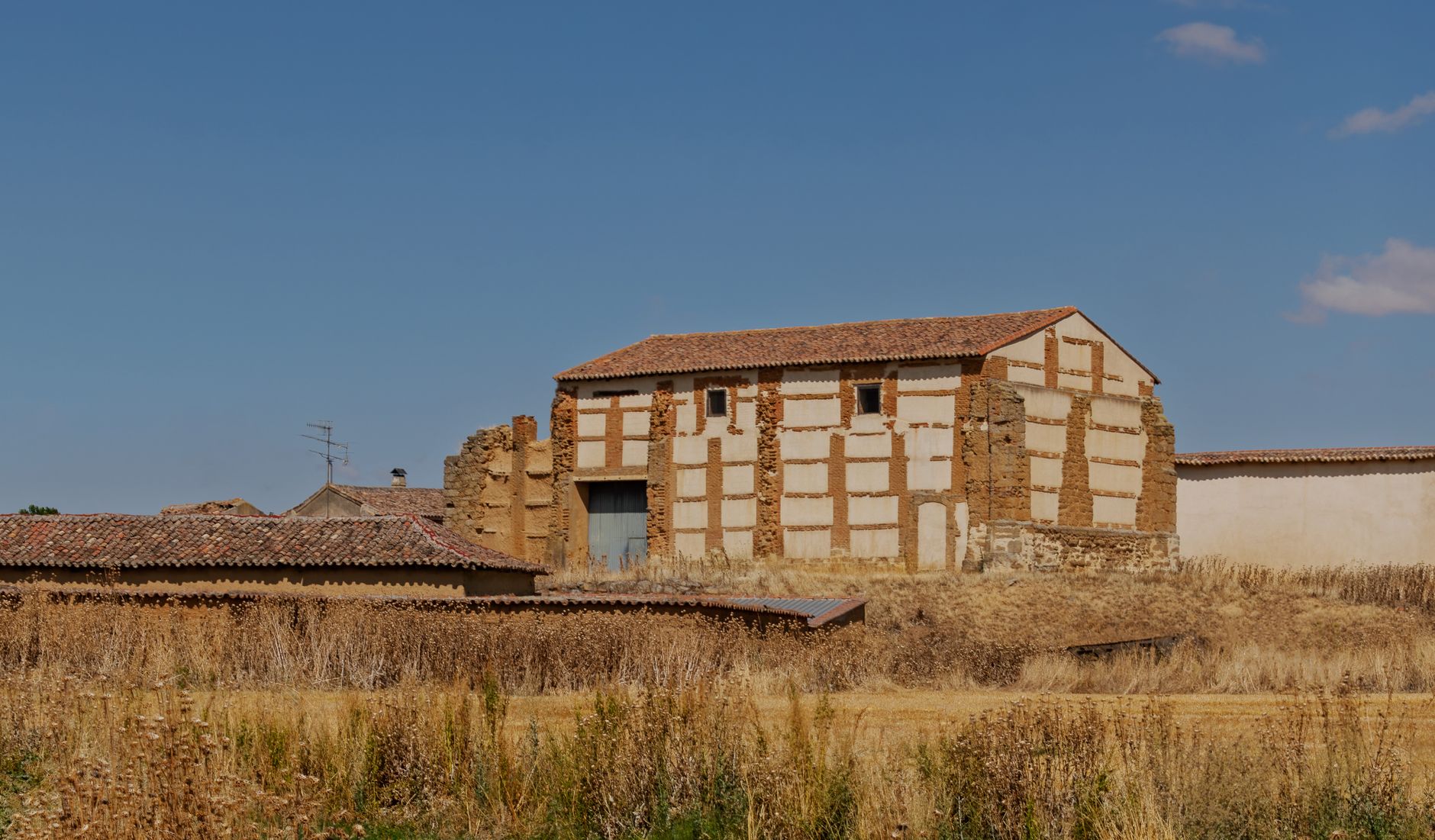

In the southeastern extreme of the Iberian Peninsula, where the aridity of the volcanic landscape converges with the relentless Mediterranean breeze, a pottery tradition thrives, defying the harshness of its environment through the plasticity of clay. Níjar, nestled in the foothills of Almería’s natural park, is far more than a postcard-perfect whitewashed hamlet; it is a territory where mineral matter achieves the status of a living archive. Here, in the workshops flanking the old pottery slope, time is measured not in seconds, but in kiln firings, firing temperatures, and the skill of hands that understand the density of mud before it even touches the wheel. The traces of this secular craft find themselves torn today between the urgency of heritage preservation and the fascination of an increasingly demanding cultural tourism.
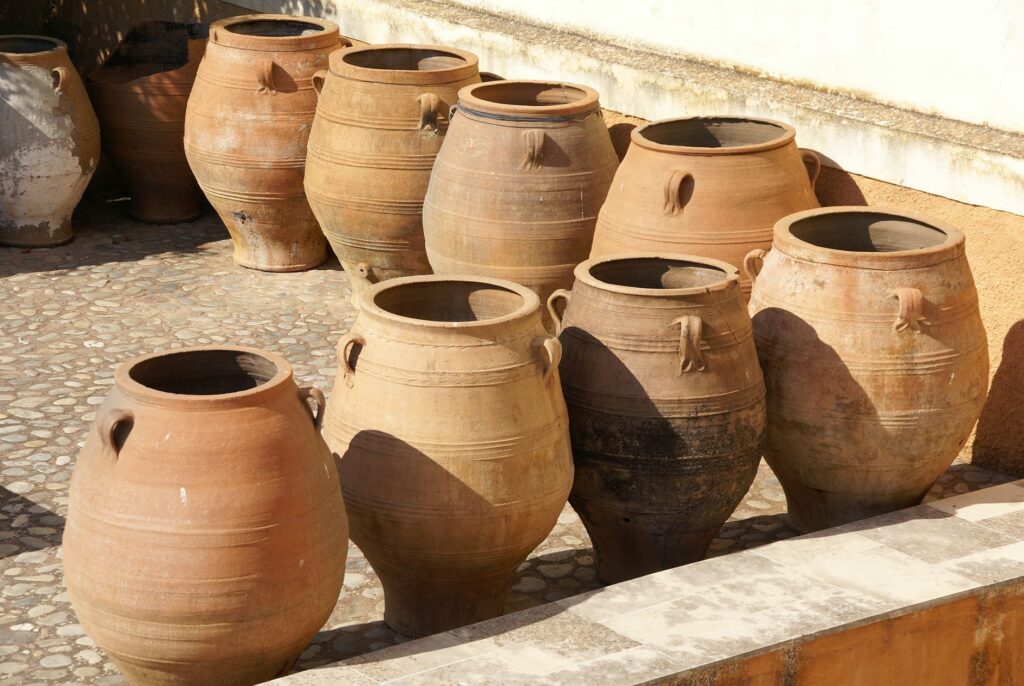
The geographical isolation that characterized this region for centuries fostered the development of native formulas where copper and manganese oxides dictate the chromatic palette. Unlike other peninsular pottery centers focused on mass-producing utilitarian tableware for export, Níjar’s workshops maintained a symbiotic relationship with the surrounding rural environment. Every pitcher, large bowl, or storage jar responded to a precise domestic need, conditioned by centuries of water scarcity and the necessity of keeping liquids cool beneath the blazing sun. Today, this functional legacy transforms into an object of aesthetic contemplation, attracting researchers, contemporary ceramists, and travelers yearning for authenticity in a territory where stone and fire continue their silent dialogue.
The Geology of Clay: Extraction and Preparation of Raw Material
The pottery process in Níjar begins long before the foot starts driving the wooden wheel. It starts in local clay deposits, where artisans select specific veins of red and white earths. This mineral duality is what grants the pieces their characteristic resilience after passing through the fire. Extraction is an exercise in patience and empirical knowledge; the potter must evaluate plasticity, impurity content, and shrinkage capacity through tactile tests passed down across generations.

Once inside the workshop, the raw clay undergoes a rigorous decantation and purification process. In an era dominated by industrial immediacy, the municipality’s last master craftsmen continue to use sedimentation basins where clay is mixed with clean water to eliminate gravel and organic residue. This maturation process can last for weeks, allowing the mass to achieve the ideal homogeneity for molding. Without this preparatory step, the pieces would suffer fatal stresses during firing, cracking under the relentless onslaught of high temperatures.
The Rhythm of the Wheel: Traditional Geometry and Bodily Equilibrium
Sitting before the foot-powered wheel demands rigorous physical discipline and intense concentration. The circular movement of the throwing head, traditionally driven by a lower heavy inertia wheel, imposes a measured pace that dictates the workflow. The potter does not impose their will upon the clay; rather, they converse with it, guiding its vertical ascent with their fingertips while water lubricates the rotating surface.
The forms emerging from this physical effort do not respond to aesthetic caprice, but to strict morphological functionality perfected over centuries. The proportions of an oil jar or a water jug are calculated to the millimeter to optimize the center of gravity, facilitate pouring, and guarantee stability on uneven surfaces. In Níjar’s workshops, mechanical calipers are rarely used; the exact measurement resides in the artisan’s muscle memory, capable of replicating identical dimensions with a deviation imperceptible to the human eye.
The Alchemy of Glazing: Oxides, Metals, and Fire
The most distinctive feature of Níjar pottery lies in its glazed surfaces, where greenish, amber, and honey tones predominate, obtained by applying metallic oxides over porous biscuitware. This phase of the production process entails considerable risk, as the chemical reaction inside the wood or gas kiln is unpredictable, depending as much on the firing atmosphere as on the artisan’s skill in grinding the minerals.

Fire does not endure by the volume of its flame, but by the wisdom of the one who knows when to withdraw oxygen to extract the deepest green from copper oxide.
Traditional glazes are handcrafted from siliceous sands, lead, and natural fluxes, a formula that has required recent regulatory adaptations without losing its visual imprint. Melting during firings at temperatures hovering around one thousand degrees Celsius, these compounds vitrify and seal the clay’s porosity, conferring upon the piece its characteristic mirror sheen and exceptional durability against the passage of time and daily use.
Historic Kilns: Architecture of Thermal Transformation
The architecture of Níjar’s traditional kilns constitutes a fascinating chapter of Andalusian industrial archaeology in its own right. Built from refractory brick and coated with insulating mortar, these large vertical-draft cylinders leverage the terrain’s slope to optimize heat circulation. Unlike automated electric kilns, where the temperature curve is programmed via algorithms, traditional firing demands continuous on-site supervision for twenty-four hours or more.

Potters take turns in front of the firebox to feed the combustion chamber with olive wood or Mediterranean brushwood, controlling the draft through direct observation of the flame’s color and the trial tiles pulled from the interior chamber. This artisanal thermal control requires intuition honed over decades; excessive temperature melts and deforms the pieces, while insufficient heat leaves the glazes raw and matte, ruining weeks of meticulous work in the studio.
Generational Transition: Challenges of the Craft in the 21st Century
Maintaining this rich material heritage encounters a clear demographic and economic barrier today. The scarcity of generational succession threatens to extinguish the region’s oldest wheels permanently. Local youth, seduced by the service economy and conventional tourism, rarely assume the physical commitment and economic sacrifice required to train as traditional ceramists.
Faced with this vulnerability, some workshops have chosen to redefine their business model without renouncing their technical roots. Artistic residencies, collaborations with industrial designers, and international training programs are being established to attract creators from around the globe. This outward openness does not seek to dilute the craft, but rather to endow it with contemporary economic viability that helps finance the preservation of historical techniques and the restoration of traditional machinery.

Practical guide
How to get there: The main access to Níjar is from Almería via the A-7 highway, taking the exit toward the A-316 road. The journey by private vehicle from Almería airport takes approximately 35 minutes. There is no direct rail connection to the municipality.
Best time to visit: Spring months (April to June) and autumn (September to November) offer optimal temperatures for touring the potteries on foot, avoiding the extreme summer heat that makes working inside unconditioned workshops difficult.
Pottery Route: It is recommended to start the tour at Cuesta del Alfar, where active historic workshops are concentrated. It is advisable to contact master artisans in advance to coordinate guided visits to kiln areas and throwing demonstrations.
Recommended accommodation: Níjar’s historic center features small boutique hotels and rehabilitated manor houses, such as Hotel Las Palmas or rural lodgings integrated into the traditional whitewashed-wall architecture.
Local gastronomy: Complement your visit by tasting Almerian cuisine specialties in establishments like Restaurant La Glorieta, where hare gurullos, ajo colorao, and semolina migas stand out.
Cultural respect guidelines: As these are active artisan workplaces, visitors must ask permission before photographing workers or touching tools and pieces currently drying.
The Silence of the Courtyard: Memory, Light, and Permanence
As evening falls, when visitor traffic subsides and the kilns extinguish their roar, the interior courtyards of Níjar’s potteries reclaim a silence inhabited by memory. In these shaded surfaces, flanked by terracotta pots and noble timber beams, the low slant of the Almerian sunset caresses the latest batches arranged on wooden planks. Every imperfect piece, with its subtle profile deviations and the irregular brushstrokes of glaze, encapsulates the silent resilience of a craft that refuses to succumb to the monotony of industrial seriality. The traveler contemplating this landscape of earth and fire understands that Níjar’s true wealth lies not in its superficial photogenicity, but in the constant heartbeat of hands that transform desert dust into enduring beauty.