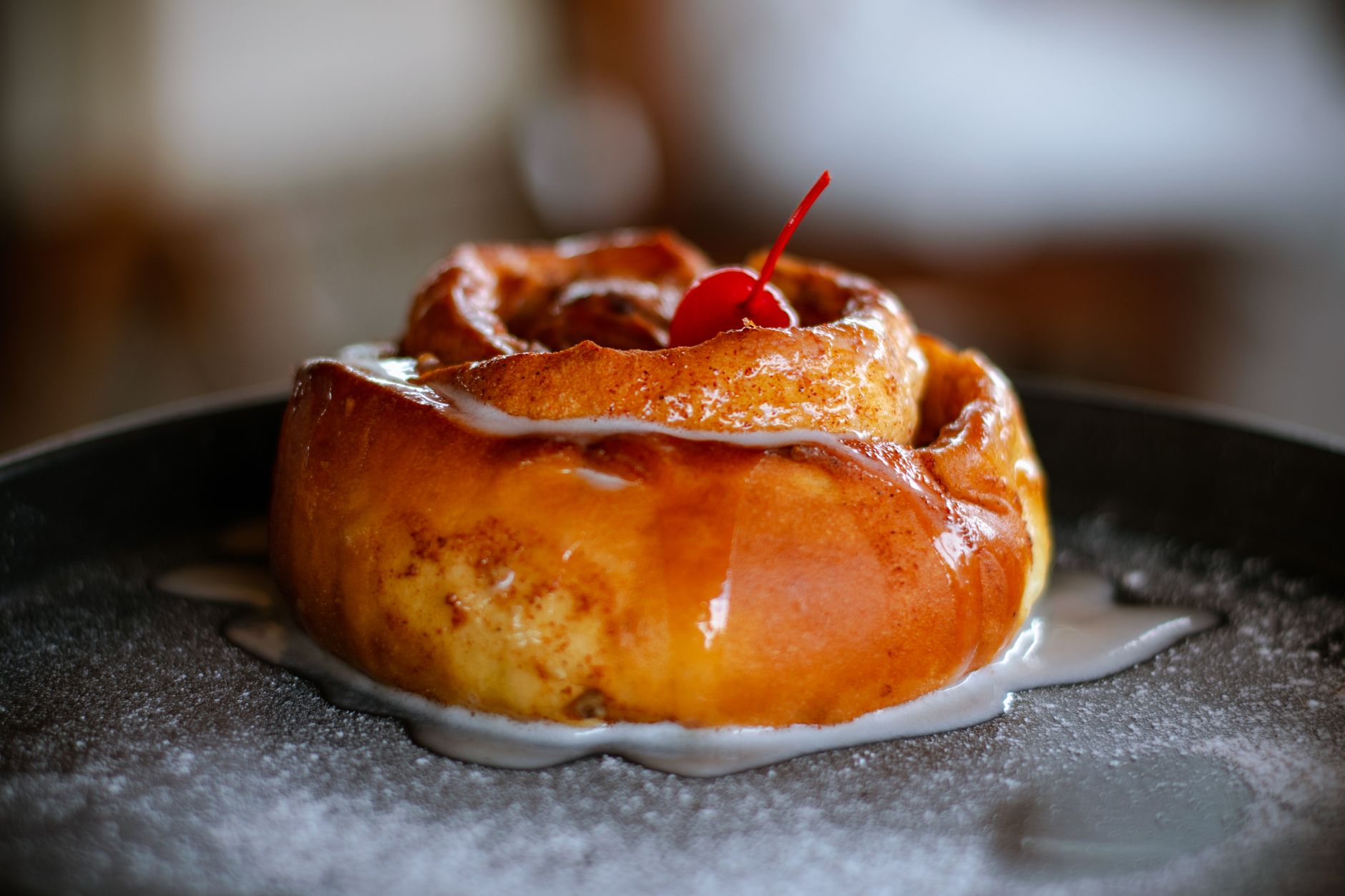

Boracay is not just a destination; it is a state of mind defined by the rhythm of the tides and the softness of its coral sand. However, in recent years, the island’s narrative has begun to shift from the seashore toward the warmth of the ovens. Local gastronomy, which for decades was limited to satisfying the basic needs of tourists, is undergoing an unprecedented sophistication. In this context, a proposal emerges that seeks to elevate the concept of pasalubong—the deep-rooted Filipino tradition of bringing a gift home after a trip—through a pastry that is both history and avant-garde: the ensaymada with a contemporary twist.
This is not the industrial ensaymada found in Manila’s fast-food chains. It is a technical evolution that respects the Spanish colonial legacy but adapts it to the palate and ingredients of the archipelago. The proposal, which has caught the attention of the most discerning travelers, offers a slow-fermented dough, a richness of butter that defies tropical humidity, and a balance of flavors that oscillates between sweet and salty with unusual mastery. It is a bite that narrates the resilience of an island that knew how to pause in order to be reborn with more strength and better taste.
The Pasalubong Ritual: An Emotional Bridge Between Islands
To understand the impact of this new gastronomic offering, it is imperative to understand what pasalubong means in the Filipino psyche. It is not a simple souvenir; it is a moral obligation and a gesture of affection. When a Filipino travels, a part of their mind remains at home, thinking about what flavor they can share with their family upon their return. In Boracay, this ritual used to be limited to shell crafts or screen-printed t-shirts. The introduction of a high-quality ensaymada changes the game, allowing the traveler to take a piece of the island’s culinary soul with them.

The ensaymada currently making headlines in media outlets like ABS-CBN represents a break from the generic. As a product that requires freshness and care in its transportation, it elevates the value of the gift. Local producers have understood that today’s tourist looks for stories to tell, and there is no better story than that of a family recipe perfected under the Visayan sun. This phenomenon is fostering a circular economy where local ingredients, from cheese to eggs from nearby farms, take on an essential role in the value chain.
«Boracay’s gastronomy is ceasing to be an accompaniment to the landscape and is becoming the destination itself, where every bite tells a story of identity and heritage.»
From Colonial Legacy to Modern Filipino Identity
The ensaymada arrived in the Philippines at the hands of Spanish colonizers, inspired by the ensaïmada from Mallorca. However, over the centuries, the archipelago made it its own. While the original Mallorcan version stands out for the use of pork lard (saïm), the Filipino version evolved toward the generous use of butter and grated cheese on top. What we are witnessing in Boracay is the next evolutionary step: a version that experiments with lighter textures and toppings that range from aged Edam cheese to touches of ube or local coconut.
This adaptation process is a reflection of the history of the Philippines itself. The ability to absorb external influences and transform them into something genuinely local is the hallmark of its cuisine. In Boracay, artisanal bakers are using French baking techniques to improve the crumb structure, but they maintain that comforting flavor profile that every Filipino associates with the afternoon snacks of their childhood. It is a delicate balance between international technique and local sentiment.
The Architecture of Flavor: The Secret of the Perfect Dough
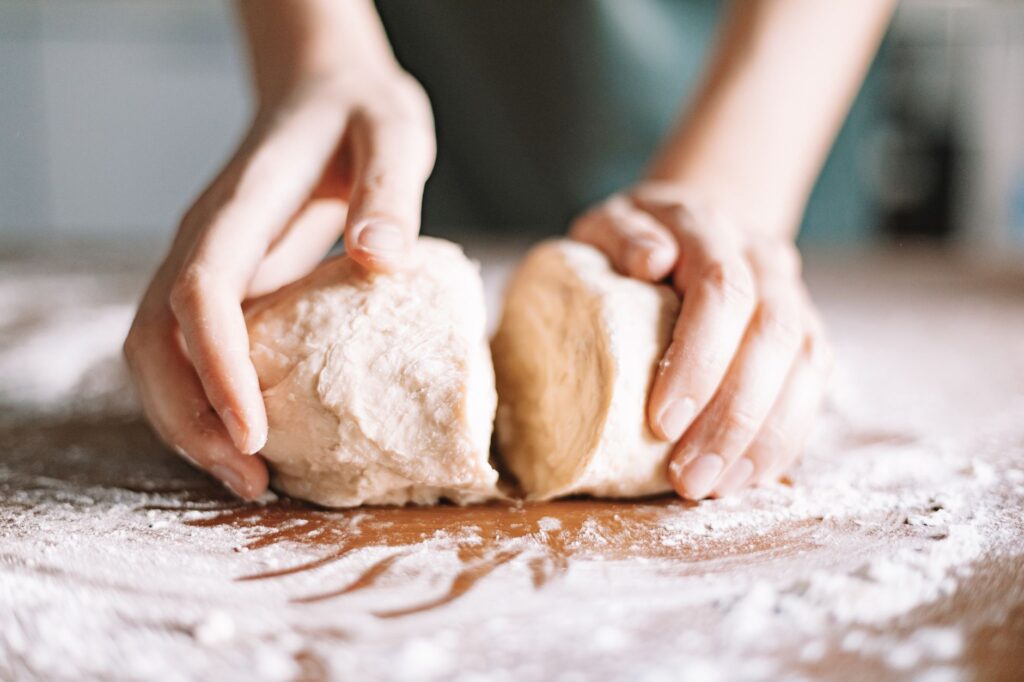
What makes this Boracay ensaymada different? The answer lies in time. In a world dominated by immediacy, this proposal bets on fermentations of up to 24 hours. This process allows the flavors to develop fully and the dough to acquire an ethereal, almost cloud-like texture that melts on the palate. The quality of the butter is non-negotiable; bakers seek a raw material with high fat content that provides that characteristic golden color and an aroma that floods the streets near the workshops.
The contrast is provided by the cheese. In the most awarded versions, a blend of cheeses is used to provide a necessary touch of salinity to break the sweetness of the sprinkled sugar. Some local chefs are even incorporating itlog na maalat (salted egg) to add a layer of umami complexity that surprises the diner. The result is a pastry that does not tire the palate, invites a second bite, and worthily withstands the return flight to other provinces or abroad.
Boracay’s Renaissance After the Mandatory Pause
The appearance of these gourmet products is no coincidence. Following the temporary closure of the island for environmental rehabilitation in 2018, and the subsequent halt due to the global health crisis, Boracay has sought to diversify its offerings. Local authorities and entrepreneurs have understood that sustainability is not just about cleaning the waters, but about creating a solid economic structure based on quality rather than just quantity. Gastronomy has become the central pillar of this new tourism strategy.
Today, walking along White Beach means encountering a culinary offering that competes with the great capitals of Southeast Asia. From specialty cafes to signature bakeries, the island is attracting a new generation of gastronomic entrepreneurs. These professionals see Boracay as the perfect canvas to experiment, using the island’s international visibility to project Filipino cuisine into the future. The ensaymada is just the tip of the iceberg of a much deeper movement.
«We are not just selling bread; we are offering a tangible memory of the hospitality and refinement that Boracay represents today.»
The Bakery: Where Technique Meets the Tropics
Working with enriched doughs in a tropical climate like Boracay’s is a constant technical challenge. High humidity and elevated temperatures can ruin a fermentation in a matter of minutes. Therefore, the island’s bakeries are equipped with cutting-edge climate control technology, where precision is almost surgical. Master bakers must adjust recipes daily, observing how the flour reacts to atmospheric pressure and the degree of air humidity.
This level of dedication is what justifies the premium price of these pieces. The customer does not just pay for the ingredients, but for the knowledge and effort of maintaining consistency in an environment hostile to traditional baking. Furthermore, most of these establishments operate under a limited production model to ensure that every ensaymada that leaves the oven meets the strictest quality standards. It is the triumph of the artisanal over the mass-produced.
Impact on the Community and Local Sustainability
The popularity of the Boracay ensaymada has a multiplier effect on the local economy. By demanding high-quality ingredients, bakers establish direct links with dairy producers, farmers, and regional distributors. This reduces the carbon footprint associated with importing products and ensures that the economic benefit of tourism is distributed more equitably among the local population. The success of an artisanal product is, ultimately, the success of the entire community.
Likewise, many of these bakeries have eliminated the use of single-use plastics in their pasalubong packaging, opting for recyclable cardboard boxes or baskets made of natural fibers woven by local artisans. This commitment to the environment is fundamental in an island that has learned the consequences of ecological neglect the hard way. Thus, the ensaymada becomes an ambassador for the values of the new Boracay: respect for tradition, excellence in execution, and environmental awareness.

Practical Guide
For those who wish to take this gastronomic treasure home, it is important to follow certain recommendations to ensure the product arrives in perfect condition. Boracay is an easily accessible destination, but transporting food requires planning.
- Where to buy: Look for artisanal bakeries located mainly in Station 1 and Station 2. Avoid generic souvenir stalls; true artisanal ensaymada is sold in shops with their own ovens.
- Transport: Request that your order be packed for travel. Most shops offer reinforced boxes that protect the glaze and cheese from contact with other surfaces.
- Preservation: Due to its high butter and fresh cheese content, it is recommended to consume the product within 3 to 5 days. If the weather is very hot, keep it in a cool, dry place, or refrigerate briefly if necessary.
- How to enjoy: To restore the original texture, heat the ensaymada in a conventional oven or toaster for 2 to 3 minutes at a low temperature. Avoid the microwave, as it can toughen the dough.
- Best time to buy: It is recommended to place your order 24 hours in advance, especially if you plan to take several boxes, as artisanal production often sells out early.
The Flavor That Travels in Your Suitcase
At the end of the day, what remains of a trip are not just the photographs, but the flavors that manage to transport us back to a moment of happiness. The Boracay ensaymada has achieved what few products do: encapsulating the essence of a place in a sweet and comforting bite. It is a testament to the fact that the Philippines continues to evolve, respecting its past but looking with ambition toward the global culinary future. When you open that box in your home, the aroma of butter and cheese will remind you that, somewhere between the waves of the Sibuyan Sea, there is an island that tastes like heaven.
Source: ABS-CBN News