
The Bells of the Upper Town and the Morning Aroma
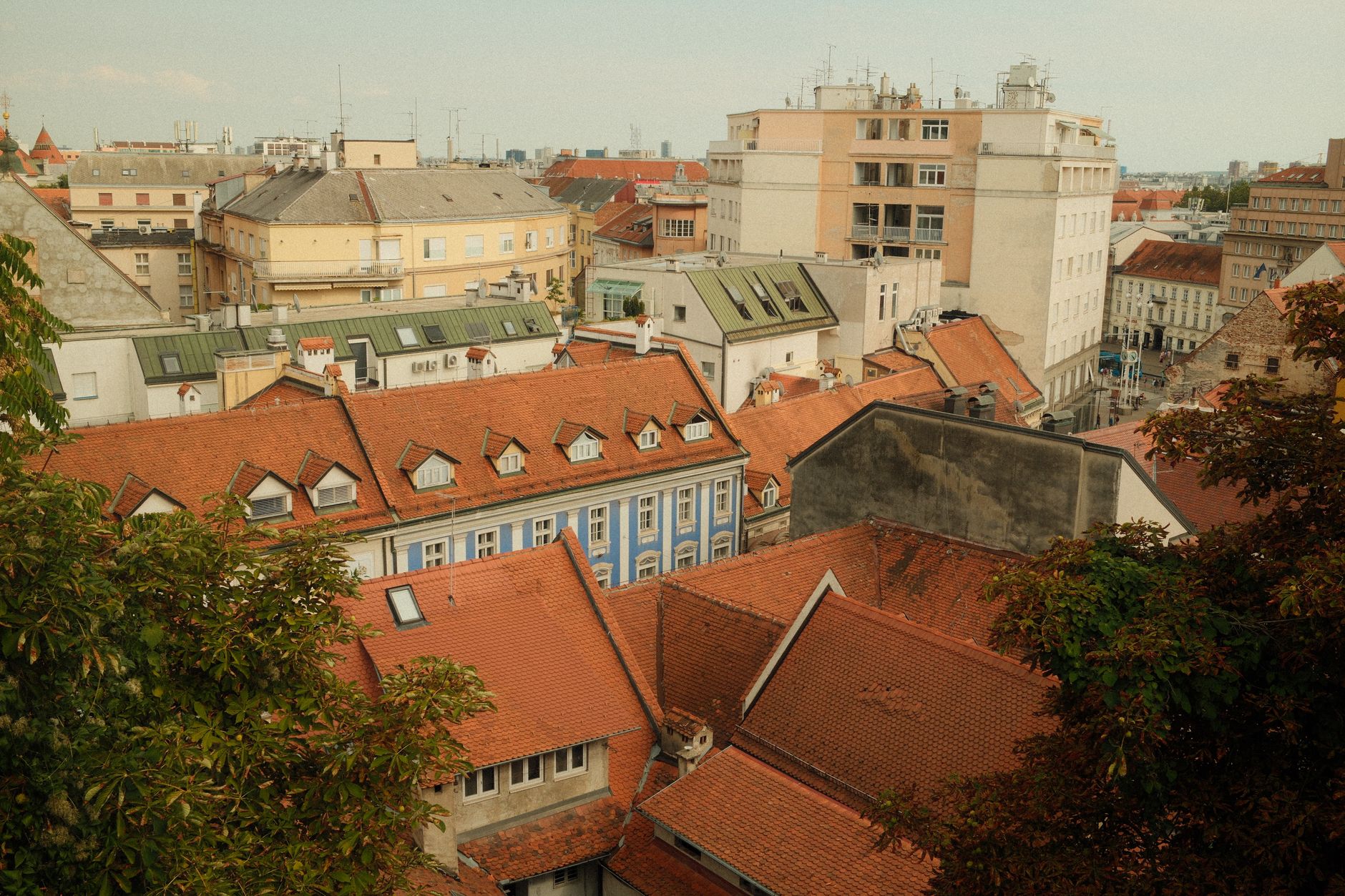
When the morning mist lifts over the red-tiled roofs of the Upper Town in Zagreb, the capital of Croatia awakens to the steady sound of church bells and the gentle clatter of blue trams. At the foot of the cathedral, urban life is not measured by the rush of major European metropolises, but by the steady cadence of its open-air markets. Here, at this crossroads between Central Europe and the Balkans, daily cooking is a faithful reflection of geography, bridging continental forests and the rich farmlands surrounding the Sava River.
The culinary pulse of this city of over six hundred thousand residents beats strongly in every corner where medieval stone meets commercial bustle. Residents of the historic neighborhoods walk every morning to the wooden counters to choose ingredients for the family lunch, keeping alive a routine that has barely changed in centuries. The stalls offer a palette of earthy colors, from vibrant pumpkins to open sacks of walnuts and acacia honey harvested in the nearby hills of Medvednica.
Dolac Market and the Red Heart of the Capital
Popularly known as the belly of Zagreb, the Dolac market unfolds as a large elevated square where red parasols, known as škrinjica, shelter local vendors. This open-air space is much more than a supply point; it forms the nerve center of Croatian community identity. Beneath the umbrellas, female farmers from surrounding villages offer fresh cheeses wrapped in cheesecloth and golden artisanal whey butter.
The texture of daily life in this European corner is felt in the crisp morning air, infused with the mixture of freshly baked bread and stovetop coffee. Visitors walking among the stalls discover that local gastronomy prioritizes seasonality over modern artifice. Each season imposes its own rhythm on the stoves, dictating which vegetables will accompany local meat cuts or which fruits will form part of traditional afternoon desserts.
Spoon Traditions in Traditional Taverns
Just steps away from the main squares, Zagreb’s small traditional taverns open their doors to welcome those seeking the warmth of hearty spoon dishes. In these dark wood venues, where time seems to pass more slowly, recipes handed down from generation to generation are prepared. Slow-cooked meat stews simmered for hours are a constant on menus, reflecting the historical need to create nourishing dishes to face continental winters.

Respect for local produce defines every culinary decision at the Zagreb table, where cooks strive to maintain the purity of original flavors. Clear veal soups with fine noodles give way to generous stews seasoned with sweet paprika and wild herbs. This honest cuisine avoids excess and celebrates the simplicity of ingredients arriving directly from family gardens located on the city outskirts.
The Heritage of Flour and Oven Secrets
Pastry and baking hold a privileged place in the collective memory of the inhabitants. The traditional ovens of the old neighborhoods release an unmistakable aroma of yeast and butter that attracts early risers and evening strollers alike. Doughs are worked by hand with patience, following techniques that ensure a light yet consistent texture, ideal for accompanying soups or enjoying plain with a touch of homemade jam.
Among the most appreciated products are rolls filled with walnuts or poppy seeds, whose presence is essential on tables during family celebrations and Sunday rests. These traditional sweets not only nourish, but act as guardians of the region’s cultural memory, connecting the urban present with the rural roots of their ancestors.
The Influence of Seasons on the Daily Recipe Book
The relationship between the natural environment and the daily table is unbreakable in this part of the continent. During the colder months, pantries fill with preserves, pickles, and smoked meats that provide energy and flavor to homes. Fermented cabbages and winter roots become the base for comforting preparations that warm the body after long walks under the cold breeze descending from the mountains.
When spring and summer return green to parks and hills, menus change radically. Markets flood with wild herbs, forest asparagus, and fresh berries that bring vibrant notes to lighter dishes. This seasonal transition demonstrates once again how the local community adapts its diet to the natural cycles of the earth without losing its essential identity.

The Role of Neighborhood Markets in Social Cohesion
Beyond Dolac, each neighborhood in Zagreb boasts its own supply market, a space where neighborly relations and mutual trust are woven. Shopkeepers know the particular tastes of their regular customers, reserving the best pieces of the harvest or recommending the freshest fish arriving from the Adriatic coast at dawn.
These daily interactions reinforce the sense of community in a city that has grown without losing its human scale. Verbal exchange at market stalls forms an essential part of daily shopping, transforming a simple commercial transaction into a ritual of coexistence and intergenerational dialogue that permeates neighborhood life.
Responsibility and Future at the Zagreb Table
In recent years, both restaurateurs and citizens have redoubled efforts to protect gastronomic heritage against global standardization. The consumption of local products is increasingly valued, supporting small farmers who maintain sustainable agricultural practices in the green belt surrounding the capital.
This commitment to authenticity ensures that traditional recipes remain active on daily menus, adapting to contemporary sensibilities without losing their soul. Eating in this city thus becomes a conscious act of cultural preservation, where each dish tells the story of a territory that cares for its past with pride.
Gastronomic Memory and Urban Continuity
The continuity of flavors in Croatian urban life relies heavily on family transmissions passed down through generations. Kitchen tables serve as invisible archives where culinary rules are quietly taught, ensuring that regional recipes preserve their authentic character.
Visitors strolling through quiet residential avenues often catch the distinct scent of slow-simmering broths and roasted root vegetables drifting from open courtyard windows. This sensory background noise anchors daily life in something enduring and deeply communal, resisting fast-paced modern trends.
Culinary Identity Rooted in Local Ecosystems
The culinary landscape of the region is deeply intertwined with surrounding natural elements, from fertile valley soils to forested hill slopes. Local foraging traditions remain alive, with individuals gathering wild garlic, mushrooms, and herbs during transitional seasons.
These foraged elements introduce unique flavor profiles into domestic and tavern menus alike, reinforcing a shared understanding that what grows locally belongs naturally on the daily plate without unnecessary embellishment.
The cuisine of Zagreb is an invisible map traced with market aromas, spoon recipes, and the silent respect for the land that nourishes it day after day.
Practical guide
How to get there: Zagreb Airport (ZAG) connects the city with major European hubs via regular flights. From the terminal, shuttle buses and taxis connect directly with the urban center in approximately thirty minutes.
When to travel: Spring months (May to June) and autumn (September to October) offer mild temperatures ideal for exploring the markets and the Upper Town on foot, avoiding summer crowds.
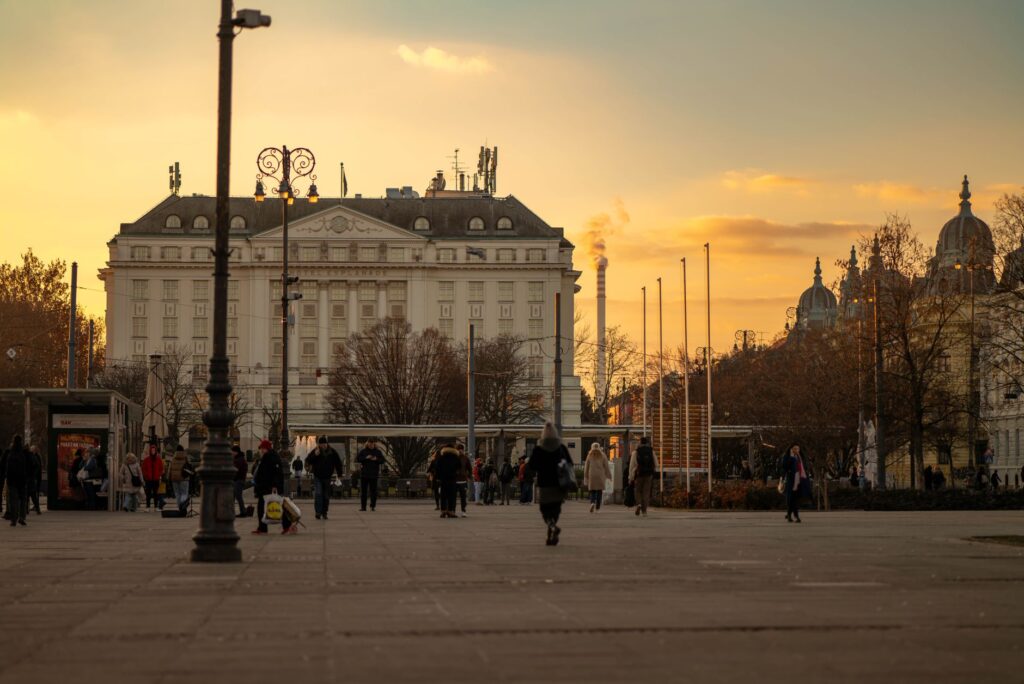
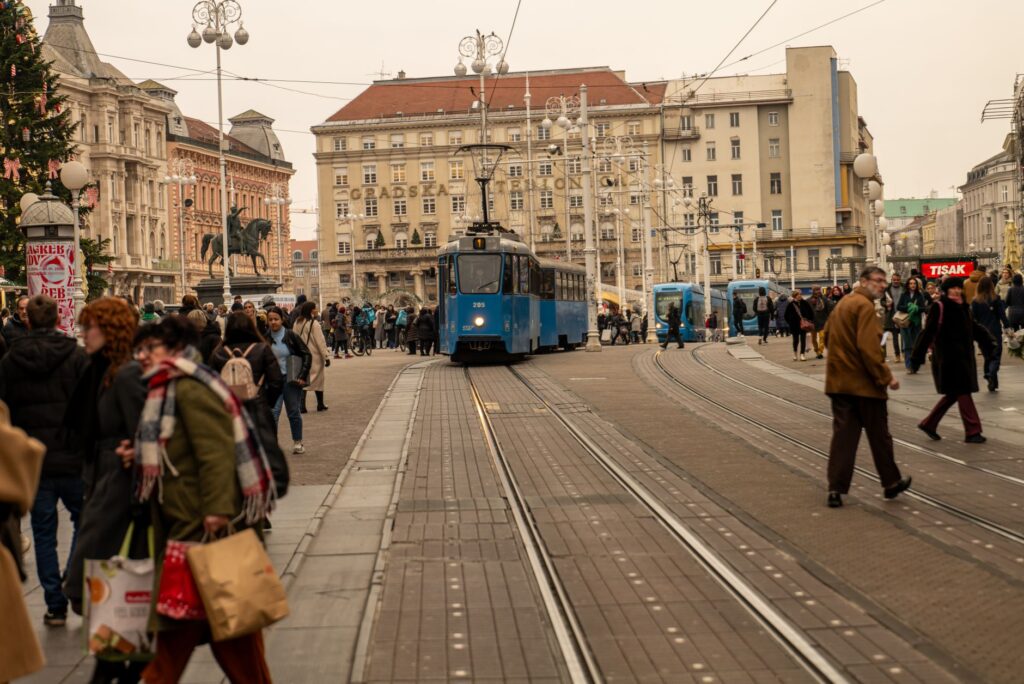
How to get around: The electric tram network is efficient and covers all historic and residential neighborhoods. For the old town, walking is the best option due to pedestrian streets and gentle slopes.
Where to eat: It is recommended to look for traditional taverns located on the side streets of Dolac market and in the historic neighborhood of Gornji Grad to taste homemade stews and local soups.
Cultural tip: It is advisable to visit the markets early in the morning, when commercial activity is at its peak and farmers display the greatest variety of fresh produce of the day.
Emotional Close Between Cobblestones and Lights
At dusk, when the gas streetlights of the Upper Town begin to turn on one by one, Zagreb’s skyline softens quietly under the twilight sky. The last aromas of bread and stew mingle with the cool breeze descending from the hill, while trams cross illuminated squares with a distant hum. In this instant of calm, the Croatian capital reveals its true essence: a refuge where history, gastronomy, and daily life embrace in every corner, awaiting the traveler who knows how to look beyond the obvious.