
The Confluence of Ocean and Inland Hills
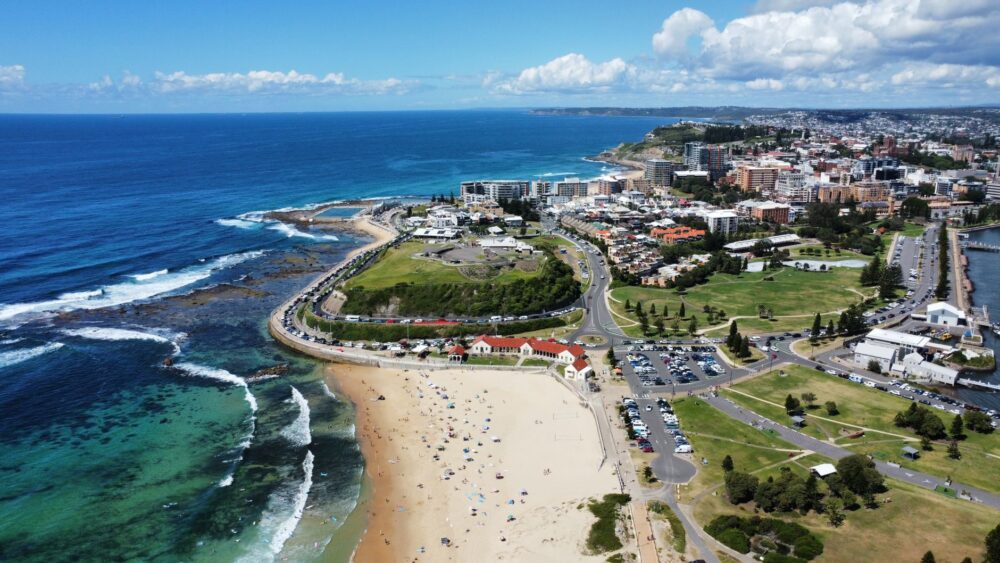
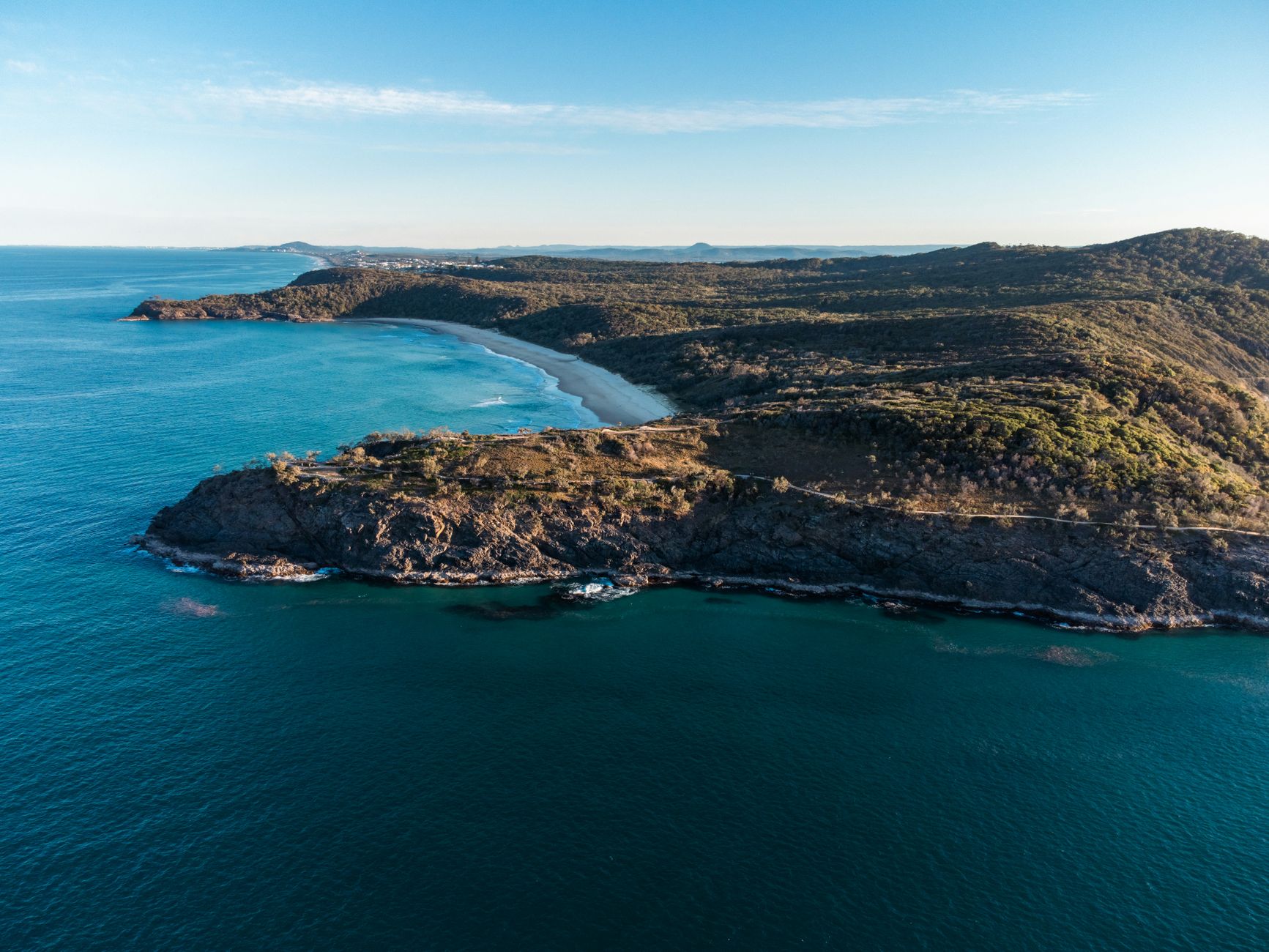
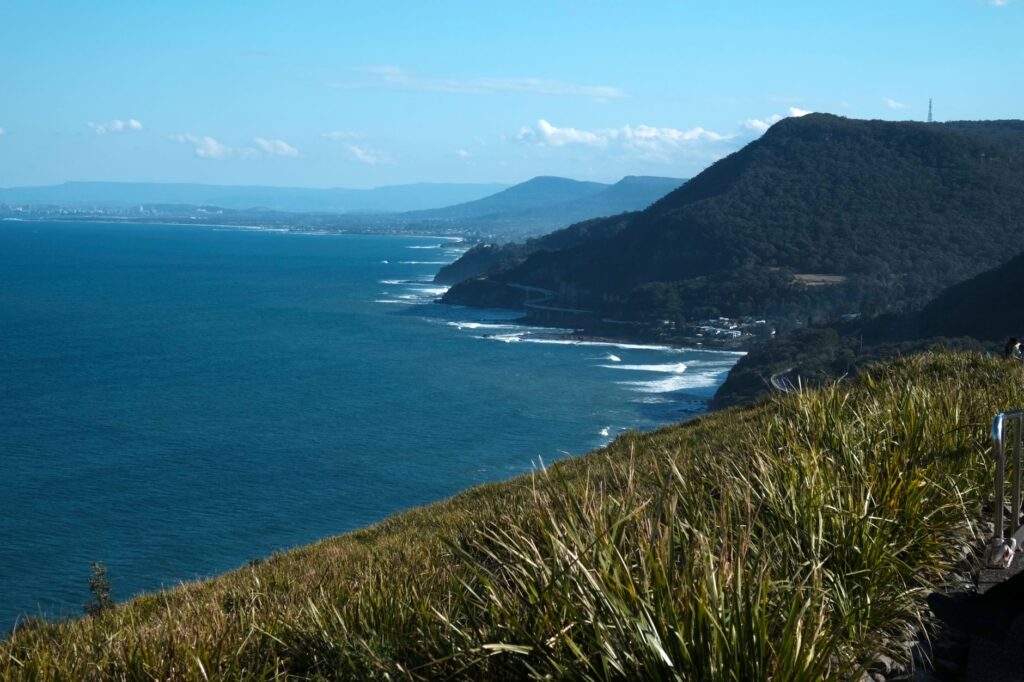
Situated on the eastern coast of New South Wales, the city of Coffs Harbour unfolds across a geography where the Pacific Ocean meets the foothills of the Great Dividing Range. This natural setting not only defines the visual landscape but directly shapes the transport infrastructure and daily commutes of its residents. Local roads must navigate a topography characterized by river valleys, hills blanketed in subtropical vegetation, and coastal strips that concentrate much of the region’s economic and social activity.
Mobility in this Australian enclave relies on a complex network of highways, local roads, and public transport connections that link residential areas with commercial hubs and beaches. Unlike the country’s major metropolises, the pace of daily travel here retains a clear closeness to the natural environment, where every journey blends urban functionality with the contemplation of the coastal scenery.
The Role of Roads and Highways in Daily Life
The backbone of transit within the municipality consists of routes that facilitate both long-distance traffic and local resident commutes. The national highway plays a fundamental role in connecting the locality with larger urban centers to the north and south, allowing a steady flow of goods, services, and travelers. This arterial road not only underpins the local economy but also conditions urban organization, subtly dividing residential neighborhoods from service and recreational zones.
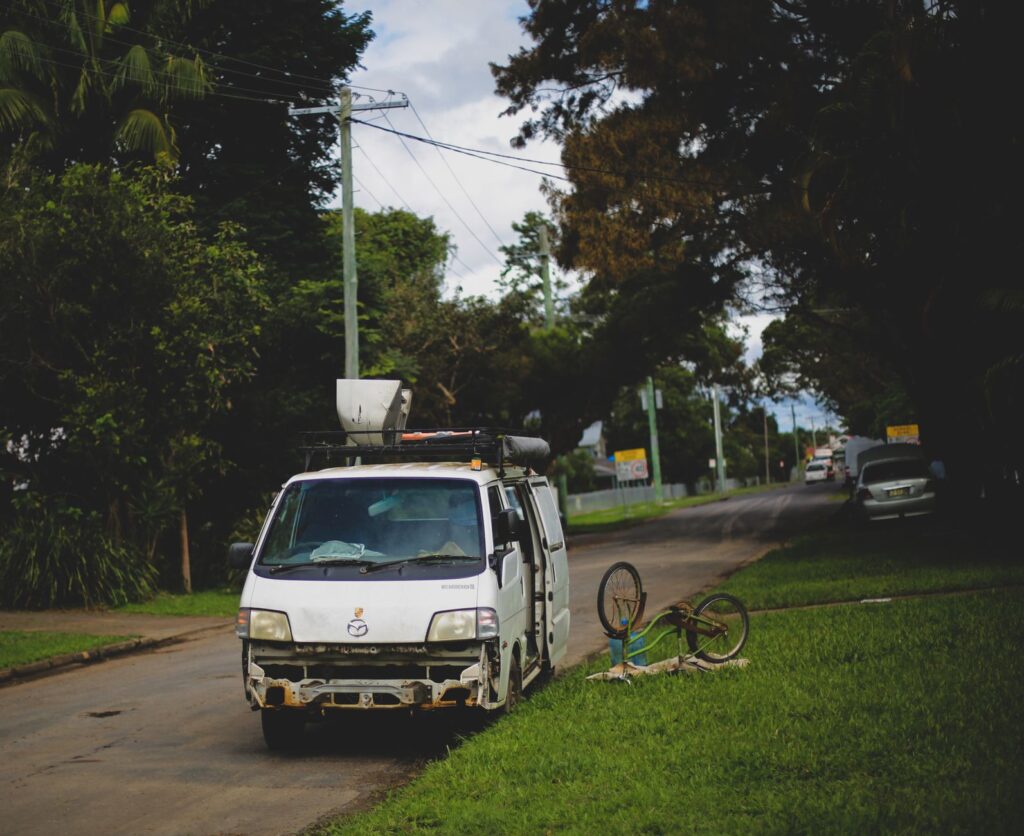
For inhabitants, private vehicles and local buses form the foundation of the daily routine. Bus stops integrate into the urban fabric with a frequency designed to serve a dispersed population exceeding seventy thousand residents. Urban transport planning in Coffs Harbour seeks to balance efficiency in travel times with respect for the peaceful character of the community. This dynamic encourages rational road use, where the congestion typical of major capitals gives way to smooth and predictable circulation.
The Airport Infrastructure as a Link to the Continent
Beyond land connections, the local airfield represents a strategic point for regional connectivity with Australia’s primary financial and tourist centers. Located a few kilometers from the urban center, this departure and arrival point for regional flights facilitates the integration of the coast with Sydney and other eastern metropolises. The airport infrastructure operates as a catalyst for economic development, allowing both professionals and leisure travelers to access the territory quickly and efficiently.
The management of this air terminal reflects the community’s commitment to sustainable growth. Far from the scale of major international airports, this space maintains a human scale that simplifies boarding procedures and passenger reception. Local residents value this proximity, as it reduces travel times to the airport and mitigates environmental impact in surrounding residential areas, consolidating an air transport model tailored to the needs of a mid-sized city.
The balance between expanding transport infrastructure and preserving the natural environment constitutes the greatest challenge for the sustainable development of the coastal region.
Railway Transport and the Memory of the Rails
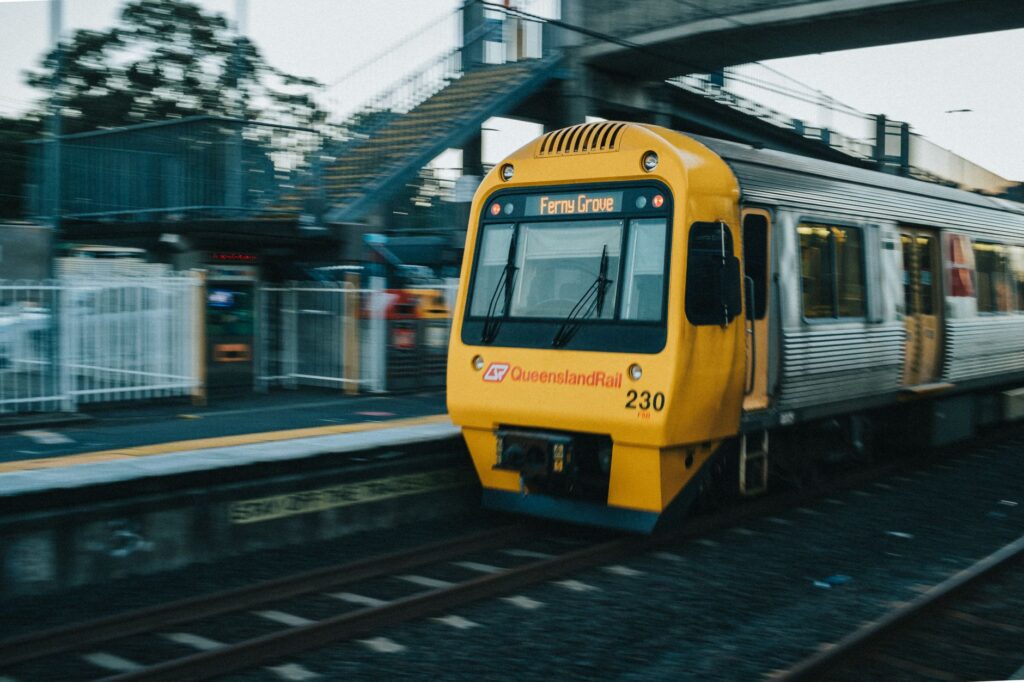
The history of travel in this area of New South Wales cannot be understood without the presence of the railway. The railway lines crossing the municipality connect the coast with the interior, evoking an era when the train was the primary medium for transporting timber, agricultural products, and passengers. Although freight transport has largely shifted to roads, the passenger rail service continues to fulfill a relevant function for those seeking a leisurely, panoramic alternative for traveling along the eastern littoral.
Local railway stations retain a heritage value that transcends their strictly functional utility. These spaces act as intergenerational meeting points, where neighbors recall the historical impact that the arrival of the train had on the consolidation of the settlement. The integration of the railway network into the urban landscape demonstrates how past infrastructure can coexist with present mobility demands. Today, the trains plying the tracks remind travelers of the human scale of a territory shaped by the perseverance of its pioneers.
Active Mobility: Walking and Cycling by the Sea
In recent years, regional urban planning has undergone a transformation aimed at promoting active mobility. The creation of boardwalks, pedestrian paths, and bike lanes has modified how residents interact with their surroundings. These layouts not only offer healthy alternatives to automobile use but also revalue the waterfront as a shared public space that is accessible and safe for pedestrians of all ages.
Traveling by bicycle or on foot through coastal areas allows one to appreciate local biodiversity, from wetlands to the rocky headlands characteristic of the coast. This network of soft paths fosters an active lifestyle and reduces the community’s carbon footprint. Local authorities continue to expand these routes to ensure seamless connection between residential neighborhoods and beaches, consolidating a sustainable mobility culture that prioritizes collective well-being and environmental respect.
Maritime Transport and Port Heritage
The city’s relationship with the sea is tangibly manifested in its port infrastructure. Although commercial maritime activity has yielded prominence to other sectors, the port maintains vitality driven by artisanal fishing, recreational boats, and nautical tourism. The piers and breakwaters stand as silent witnesses to local maritime history, where tides and weather conditions dictate the rhythm of departures to the sea.
Nautical connections and port access points undergo constant maintenance to ensure the safety of vessels seeking refuge on the coast. This port network not only dynamizes the local economy by offering ocean tourism experiences but also reinforces the community’s seafaring identity. Visitors exploring the port facilities grasp the historical dependence the region has had and continues to have on Pacific maritime routes.
Connectivity and Sustainability Challenges for the Future
As the region’s population experiences steady growth, urban planners and local administrators face the challenge of modernizing the transport network without altering the quality of life characterizing the area. Increased vehicular flow during vacation periods demands innovative solutions prioritizing public transport and multimodality. The objective is to ensure travel remains smooth and respectful of the natural environment attracting so many visitors each year.

Strategic mobility decisions focus on emission reduction and efficient integration of various transport options. The transition toward cleaner vehicle fleets and improved bus service frequencies represent fundamental steps toward a balanced development model. Citizen participation in urban planning ensures future infrastructure responds to the real needs of permanent residents.
Planning the growth of communication routes requires a comprehensive vision that protects natural spaces and guarantees community social cohesion.
Practical guide
How to get there: Coffs Harbour features regular air connections from Sydney and Brisbane through its regional airport. By road, the Pacific Highway facilitates access by bus or private vehicle from both cardinal points.
Internal transport: The local bus network covers most neighborhoods and commercial zones. For greater flexibility in exploring surrounding national parks and beaches, car rental is recommended.
When to travel: The climate remains mild year-round, although spring months (September to November) and autumn (March to March, or March to May) offer ideal temperatures for exploring the region on foot or by bicycle.

Traveler tips: Respect signage in marine conservation zones and use designated trails to protect native flora and fauna during outdoor excursions.
The Ocean Horizon as a Daily Destination
At the end of each day, the golden sunset light over the Pacific waves returns the city to its most serene image. The paths winding between hills and beaches grow quiet, marking the end of daily commutes and the beginning of community rest. In this corner of Australia, movement and stillness intertwine in a harmony where transport is not merely a means of getting around, but the unifying thread connecting daily life with the vastness of the oceanic landscape.