
The Buenos Aires Territory as a Canvas for Collective Memory
The study of urban communities in the province of Buenos Aires reveals deep layers of history, traditions, and demographic transformations that shape contemporary Argentine identity. In this context, the district of Moreno stands out as a space where the convergence between dense urban centers and rural transition zones generates a unique cultural dynamic. Walking through its streets allows observers to witness a daily life marked by neighborhood effort, the preservation of traditional trades, and constant adaptation to economic and social shifts across the country.
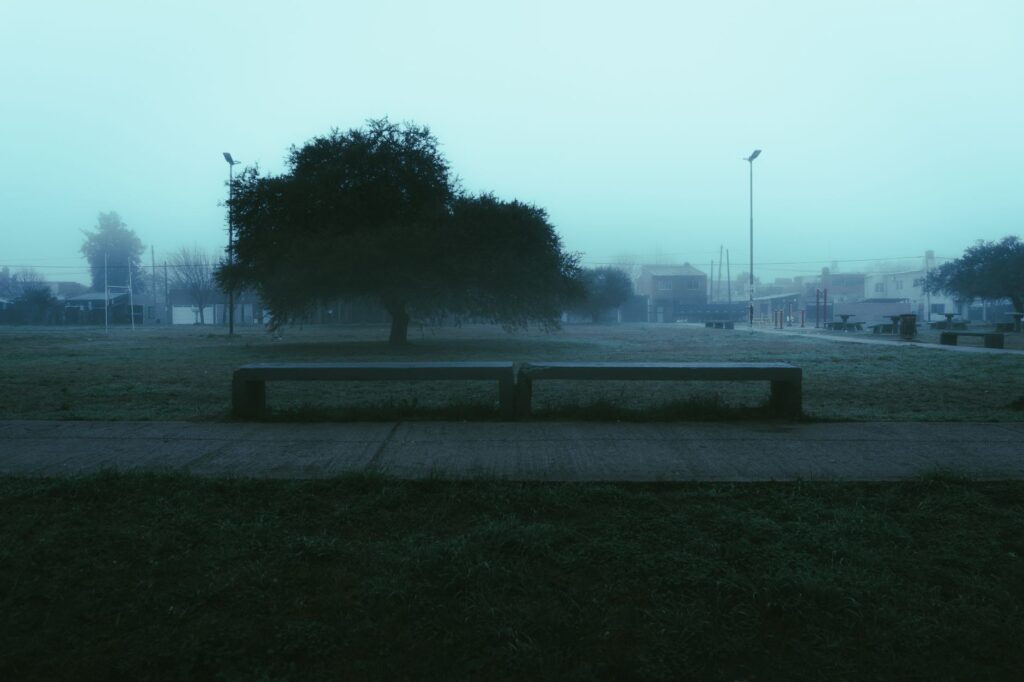
The territorial configuration of Moreno reflects a heterogeneous settlement process. From old estate main houses to popular subdivisions of the 20th century, each era has left an indelible mark on the urban layout and domestic architecture. The main squares function as true civic hearts where families, artisans, and local merchants converge. In these open spaces, a network of social relations is woven that transcends mere daily transit and becomes the backbone of community cohesion.
Residential Architecture and Historical Heritage in the District
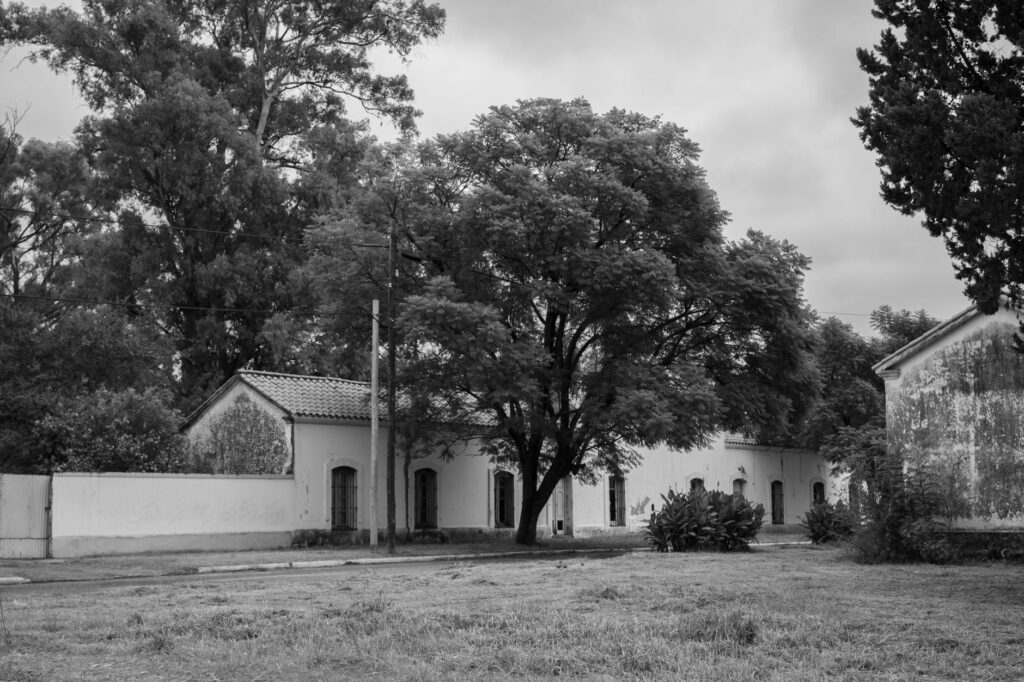
The architectural heritage of Moreno narrates the transition from a sprawling rural economy toward a decentralized metropolitan configuration. Early 20th-century mansions with wide verandas and wrought-iron details coexist with more functional constructions from subsequent decades. This superposition of styles does not represent a contradiction, but a tangible testimony of how families have inhabited and transformed space according to their changing needs.
The preservation of these historical properties faces daily challenges derived from real estate pressure and demographic growth. However, various cultural and neighborhood organizations promote the recognition of these heritage assets as fundamental pillars of local memory. Exposed brick, classic molding, and entryways open to the public street form a visual vocabulary that defines the aesthetic of the district’s traditional neighborhoods.
Commercial Vitality and Life in Local Markets
Proximity commerce constitutes one of the invisible engines sustaining economy and sociability in Moreno. Neighborhood markets, craft fairs, and long-standing grocery stores are not mere points of economic exchange, but meeting centers where news, recipes, and popular knowledge are shared. These spaces keep alive a mercantile tradition based on mutual trust and personalized customer service.
The vitality of local markets lies in their capacity to integrate produce from surrounding small farms with the demands of a diverse population. Culinary knowledge transmitted from generation to generation finds an everyday outlet at these counters. Visitors approaching these enclaves discover an unpretentious gastronomy deeply rooted in Buenos Aires customs and the immigration that shaped the region.
Artistic Expressions and Popular Creation Workshops
Culture in Moreno is not restricted to large institutions; rather, it flourishes in neighborhood cultural centers, public libraries, and independent workshops. These self-managed initiatives offer a space for resistance and expression for local musicians, visual artists, actors, and writers. The artistic production of the area draws equally from Argentine folkloric roots and contemporary urban avant-gardes.
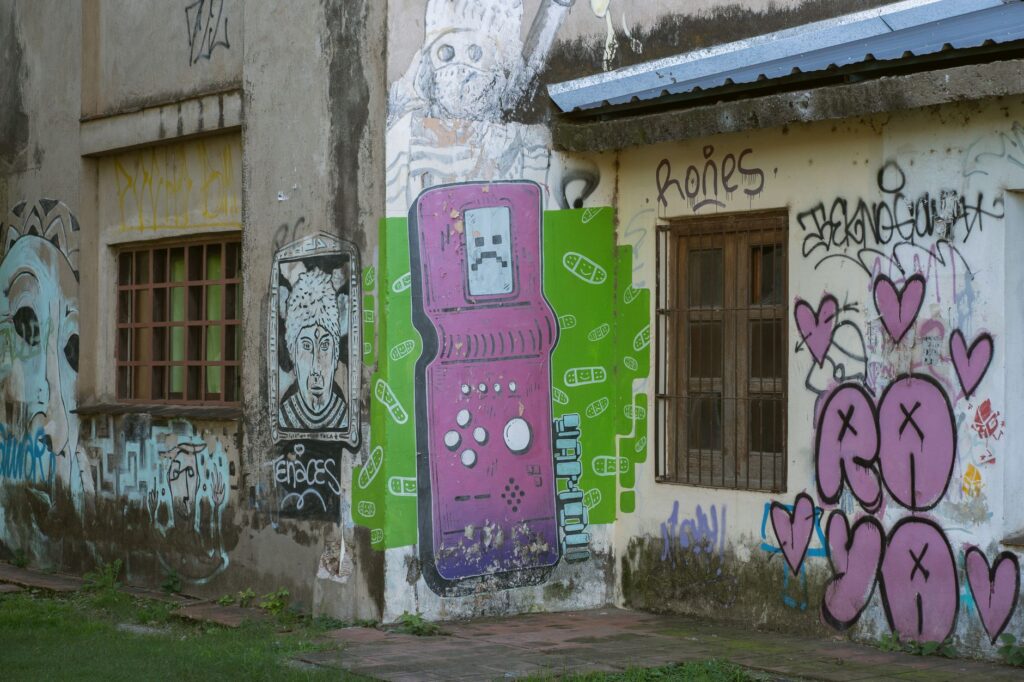
Murals decorating partition walls and public spaces act as visual chronicles of social struggles, collective dreams, and the community’s historical memory. Through color and form, urban artists reinterpret the everyday landscape, turning gray walls into open-air galleries that invite reflection and pride of belonging.
Green Spaces, Streams, and the Relationship with the Natural Environment
Despite urban expansion, the territory of Moreno preserves significant green lungs and water bodies that recall the original geography of the undulating pampa. Streams and riparian zones have historically been focal points for human settlement, offering resources and a scenic refuge against the accelerated pace of the metropolis. The relationship of inhabitants with these natural spaces is complex, oscillating between the need for environmental preservation and the challenges of urban development.
Conservation policies and environmental education are slowly gaining ground, driven by residents who organize cleanup days and recognize native flora and fauna. These efforts underline the importance of integrating nature into urban planning, ensuring that future generations can enjoy the biodiversity that still survives along watercourses and in public parks.

Education, Public Libraries, and Written Memory
The cultural fabric of Moreno relies outstandingly upon the tireless labor of its public libraries and educational centers. These spaces, many founded in the mid-20th century by organized residents, represent bastions of free access to knowledge and reading. Their shelves safeguard not only universal literature books but also local archives, press clippings, and oral testimonies documenting the district’s micro-history.
Reading workshops, puppet shows, and open lectures organized by these institutions foster an environment conducive to the intellectual and creative development of children and youth. The public library thus functions as a second home, a safe space where curiosity finds answers and the community recognizes itself through the written word.
The Buenos Aires Identity from the Perspective of the Responsible Traveler
Approaching Moreno as a traveler demands an attitude of attentive listening and respect for local dynamics. Far from mass tourist circuits, this destination offers a genuine window into the complexity of life in Buenos Aires. The responsible traveler finds here an opportunity to support the local economy by shopping in neighborhood stores, participating in cultural fairs, and valuing heritage without disrupting neighborhood tranquility.
The travel experience is enriched when one understands that every square, every facade, and every conversation on the sidewalk form part of a living narrative rewritten daily. The hospitality of its inhabitants and the richness of their cultural expressions make Moreno an essential reference point for those seeking to move beyond tourist clichés and connect with the everyday essence of Argentina.
Practical guide
Location and Access: The district of Moreno is located in the province of Buenos Aires, forming part of the metropolitan area. It is accessible via the Sarmiento railway line and various bus lines from the Autonomous City of Buenos Aires.
Best Time to Visit: Spring months (September to November) and autumn (March to May) offer mild temperatures ideal for walking through historic centers and green spaces.
Accommodation and Services: Hotel options are limited compared to the capital, with family lodgings and short-term rentals predominating. Planning ahead is recommended.
Local Gastronomy: Visiting traditional bakeries, neighborhood markets, and local grills to taste classic cuts of Argentine beef and artisanal pastries is a must.
Internal Transport: Movement within the district relies primarily on local bus lines and taxis or rideshares around commercial centers.
Coexistence Rules: Respecting quiet hours in residential areas and maintaining a polite attitude in community spaces and libraries is advised.
Responsible Shopping: Prioritize acquiring local crafts, books from independent publishers, and food products made within the region.
Useful Information: Consulting the cultural agendas of neighboring municipalities and public libraries before starting the journey is recommended.
The Everyday Legacy Enduring in the Streets of Moreno
Sunset over the squares and low roofs of Moreno sketches an urban silhouette where time seems to acquire another density. In corners where old grocery stores and new constructions meet, one perceives the synthesis of a town that has preserved its dignity and joy through the years. This is not a museum setting, but a living organism breathing to the rhythm of its people.
Bidding farewell to this corner of Buenos Aires leaves the certainty that the true value of a journey lies in the ability to tune into small human stories. Collective memory, embodied in every everyday gesture, every restored facade, and every chat shared beneath the shade of trees, remains an enduring testimony of Argentine identity.