Colombia’s Maritime Gateway to the Pacific
In the Valle del Cauca department, the Colombian landscape opens up to the Pacific Ocean through a complex network of estuaries, channels, and mangroves that define the territory of Buenaventura. This port city cannot be fully understood solely through its role in foreign trade, but rather through close observation of its amphibious environment, where the tide sets the daily rhythm for thousands of residents who have built a culture of resilience and rootedness.
The natural surroundings are characterized by constant humidity and overwhelming biodiversity, shaped by one of the highest precipitation regimes on the planet. Local communities have learned to integrate into this aquatic landscape, building homes on stilts that converse directly with rising waters and the surrounding estuaries.
The historical settlement pattern of this Colombian region is marked by the convergence of ancestral knowledge that has persisted despite geographical and socioeconomic adversities. Water is not merely a scenic element, but the primary medium of transport, communication, and subsistence that structures every dimension of community life.
The Daily Pulse of the Central Marketplace
The commercial and human heart of the city beats strongly in its central market, a space where the fruits of the mangrove, artisanal inshore fishing, and agricultural produce brought from the foothills of the Western Cordillera converge. Here, the aromas of traditional Pacific Colombian cuisine mingle with the conversations of merchants and shoppers.
Stalls overflow with borojó, chontaduro, naidí, and a vast variety of fresh fish that form the foundation of local gastronomy. This daily exchange reflects the richness of a culinary tradition passed down through generations, based on the sustainable use of resources offered by the coastline.
Culinary knowledge is transmitted as an act of cultural resistance, where each recipe preserves the memory of rooftop garden plants, native condiments, and smoking and cooking techniques inherited from the African and indigenous ancestors who populated the region.
Amphibious Architecture and Coastal Settlement
The urban morphology of Buenaventura responds to its insular and continental condition, with sectors stretching across Cascagüez Island and expansion zones on the mainland. Wooden structures, pedestrian bridges connecting neighborhoods built over water, and the intense nautical activity of small boats configure an urban landscape unique to the Colombian coast.
This spontaneous urbanism, adapted to the environment, reveals the resilience capacity of its inhabitants. Stilt structures help mitigate the impact of spring tides, while open-air common spaces function as community gathering points where music, play, and social life converge.

Constant interaction with the tides demands a flexible and mutable architecture, where each home adapts to seasonal variations in water level, demonstrating a profound mastery of sustainable occupation within the estuarine space.
The Sounds of the Sea and the Chonta Marimba
The cultural identity of this region in Valle del Cauca is deeply tied to the musical expressions of the Pacific coast, recognized for their capacity to narrate collective memory. Traditional chants, performed a capella or accompanied by the percussion of the chonta marimba, cununos, and guasás, echo through alleys and cultural centers.
These artistic manifestations act as a vehicle for intergenerational transmission and a mechanism for social cohesion. Far from being mere folkloric displays, they constitute a living tool for affirming the dignity and history of an Afro-descendant people that has successfully preserved its ancestral roots amid contemporary challenges.
The sound of chonta wood resonating to the rhythm of leather drumheads evokes the heartbeats of the humid rainforest and the unbreakable connection between the inhabitants of this corner of the country and their natural surroundings.
Mangroves and Biodiversity within the Estuary
The mangrove ecosystem surrounding the bay serves as a protective shield and natural nursery for numerous marine species. The stilt roots of mangrove trees plunge into the marine mud, creating a complex habitat that can be explored in small traditional boats propelled by paddles.
Journeys through these natural channels allow visitors to appreciate the ecological richness of the region, where seabirds, crustaceans, and reptiles coexist in delicate balance. The conservation of these amphibious forests is essential not only for the environmental equilibrium of the coast but also for the economic sustenance of families dedicated to artisanal mollusk harvesting.
The protection of these coastal wetlands represents a priority for community councils, who understand that the health of the mangrove guarantees food security and the preservation of their traditional way of life.
Socioeconomic Challenges and Community Participation
Beyond its logistical importance as Colombia’s main maritime outlet to the Pacific basin, the city faces complex challenges stemming from social inequality and the need for greater investments in basic infrastructure. Social organizations and community councils play a crucial role in defending the territory and promoting autonomous development initiatives.
Strengthening the local economy, supporting education, and valuing cultural heritage are fundamental axes driven by the residents themselves to transform their reality. This associative fabric demonstrates that the port’s future is built upon community foundations and the recognition of collective rights.
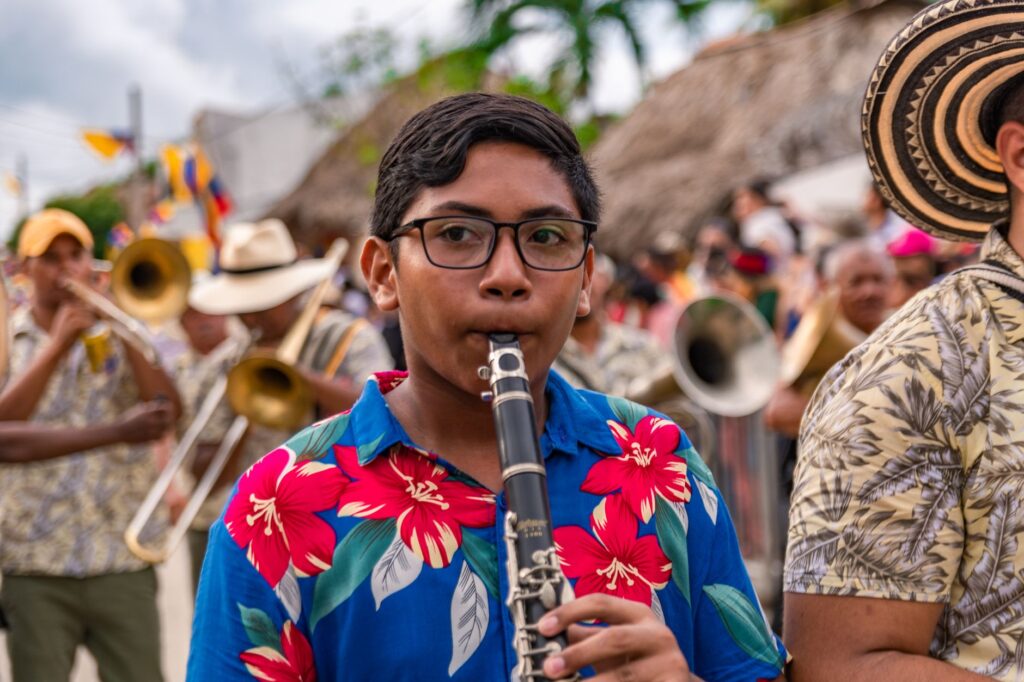
The active participation of young people in artistic and community processes guarantees generational turnover in the defense of territorial rights and the conservation of the cultural identity inherent to the Colombian Pacific.
Responsible Tourism and Territorial Memory
Approaching this corner of the Colombian Pacific requires a respectful and conscious gaze, far removed from mass tourism circuits. Travelers interested in understanding the true identity of the territory find in community-based tourism initiatives an opportunity to learn firsthand about traditional practices, gastronomy, and environmental wealth without disrupting local dynamics.
Experiences guided by local residents allow visitors to tour the estuaries, learn about the medicinal use of local plants, and appreciate the historical memory of a population maintaining an indissoluble bond with its natural environment. This way of traveling fosters enriching exchanges and directly supports the economy of host families.
The responsible traveler assumes a role of listening and learning, understanding that the true value of the experience lies in respecting the schedules and social norms of the local communities.
The Pacific territory is not viewed from a distance; it is inhabited through its rhythm of tides, its music, and the shared memory of its communities.
Practical guide
- How to get there: Access is available by road from Cali via the main highway crossing the Western Cordillera, or through commercial flights to the local airport.
- When to go: The climate is humid tropical year-round; visits should be planned taking tides and periods of heavier precipitation into account.
- Local gastronomy: Trying dishes made with fresh Pacific fish, seafood, and traditional preparations seasoned with homegrown herbs and coconut milk is essential.
- Urban mobility: Visitors can walk around the commercial and port area on the island zone, while exploring estuaries and mangroves requires hiring motorboats with authorized local guides.
- Accommodation: Urban hotels are available in the downtown area, alongside community-based tourism options in the municipality’s rural and coastal settlements.
- Travel recommendations: Bringing lightweight quick-dry clothing, appropriate footwear for humid environments, insect repellent, and waterproof protection is strongly advised.
- Cultural respect: Valuing local traditions, asking permission before photographing residents, and supporting community economic enterprises are fundamental principles.
Reflection on the Pacific Horizon
The future of this Colombian region remains tied to the untamed force of its waters and the dignity of its inhabitants. Upon leaving the coast, the memory lingers of mangroves silhouetted against a cloudy sky and the persistent echo of a marimba continuing to tell, note by note, the enduring story of its people.