
The Peninsula Open to the Sea and Western Breezes
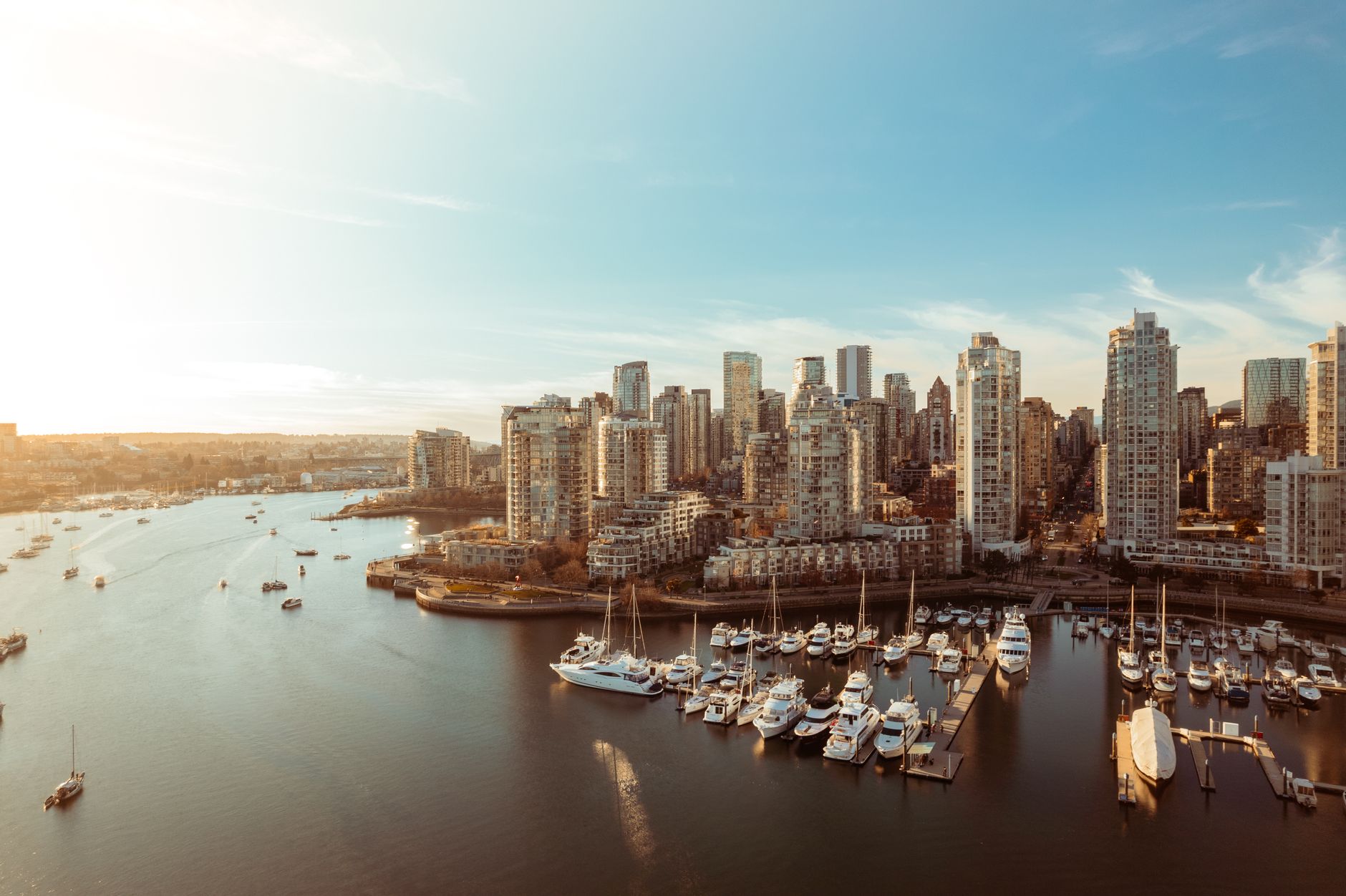
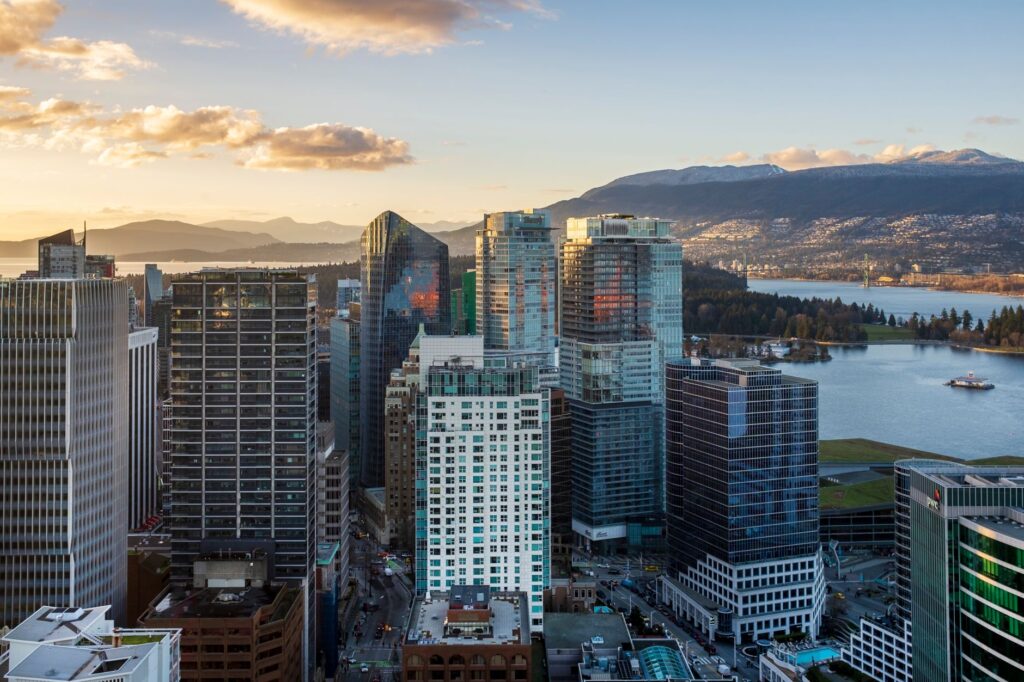
On the shores of the Strait of Georgia, the Canadian city of Vancouver unfolds a landscape where the marine horizon coexists permanently with the imposing silhouette of the coastal mountains. In this western strip of Canada, geography is not merely a backdrop, but the axis that organizes the daily routine of its residents. Mornings typically begin with low fog lifting over the harbor waters, while ferries and smaller boats cross punctually toward North Vancouver and local terminals. Far from the most repeated tourist postcards, daily life in Vancouver’s neighborhoods rests on a delicate balance between urban development and the preservation of the natural spaces that embrace the peninsula.
The street grid reflects a planning approach that prioritizes accessibility and constant visual contact with the water. From the bustling district of Gastown to industrial docks converted into pedestrian promenades, the city displays a constant reinvention of its maritime heritage. Old exposed-brick warehouses now house small neighborhood shops, craft workshops, and cafes where local residents take shelter from frequent coastal precipitation. This urban dynamism rests on a solid community foundation that values cultural diversity as one of its fundamental pillars, integrating traditions from very diverse origins into the daily fabric of the city.
The Green Pulse of Stanley Park and Natural Corridors
The ecological heart of Vancouver beats strongly in Stanley Park, a vast temperate forest extending into the ocean and acting as the metropolitan region’s main lung. Bordered by a seawall heavily used by cyclists and pedestrians alike, this green space reveals the intimate relationship its citizens maintain with the natural environment. Rather than standing as an isolated park, it functions as a continuous biological corridor connecting with residential neighborhoods through centuries-old trees, damp dirt trails, and small streams where native wildlife can still be observed freely.
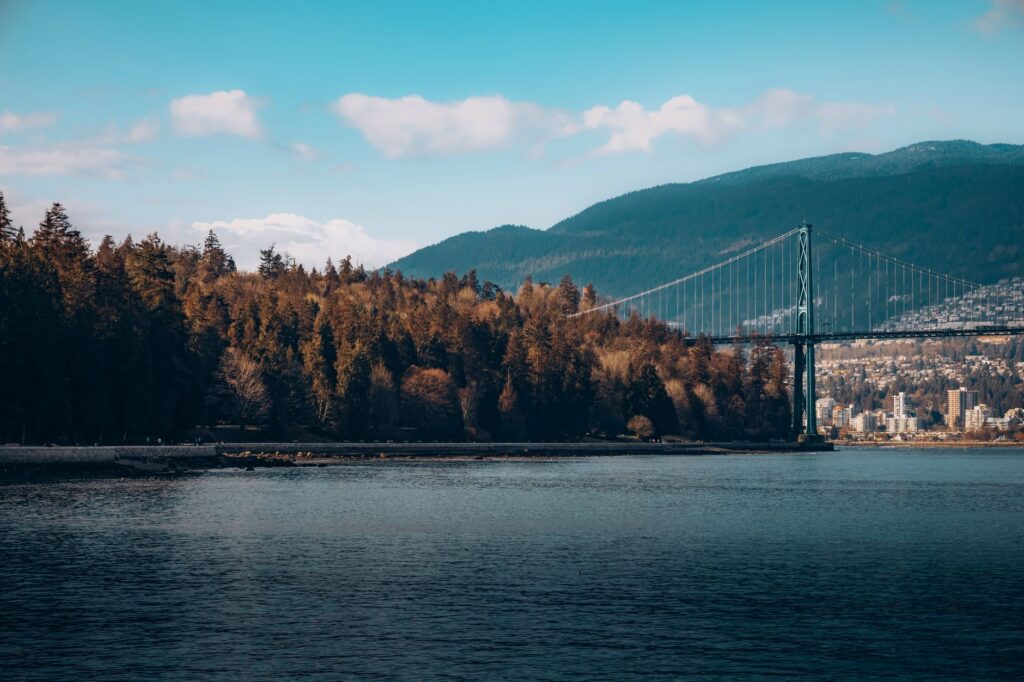
The presence of totem poles and First Nations heritage elements in the park recalls the ancestral history of coastal Salish peoples, reminding visitors of deep cultural roots preceding modern urban foundation. Local communities actively participate in protecting these enclaves through reforestation programs and environmental education. Thus, caring for the environment does not rely solely on public administrations, but on an organized citizenry that understands the value of keeping ecosystems intact amid a modern metropolis.
The true heritage of Vancouver is not found in its high-rise monuments, but in the way its green and coastal spaces remain accessible to the entire community.
Neighborhood Markets and Local Commerce in the East
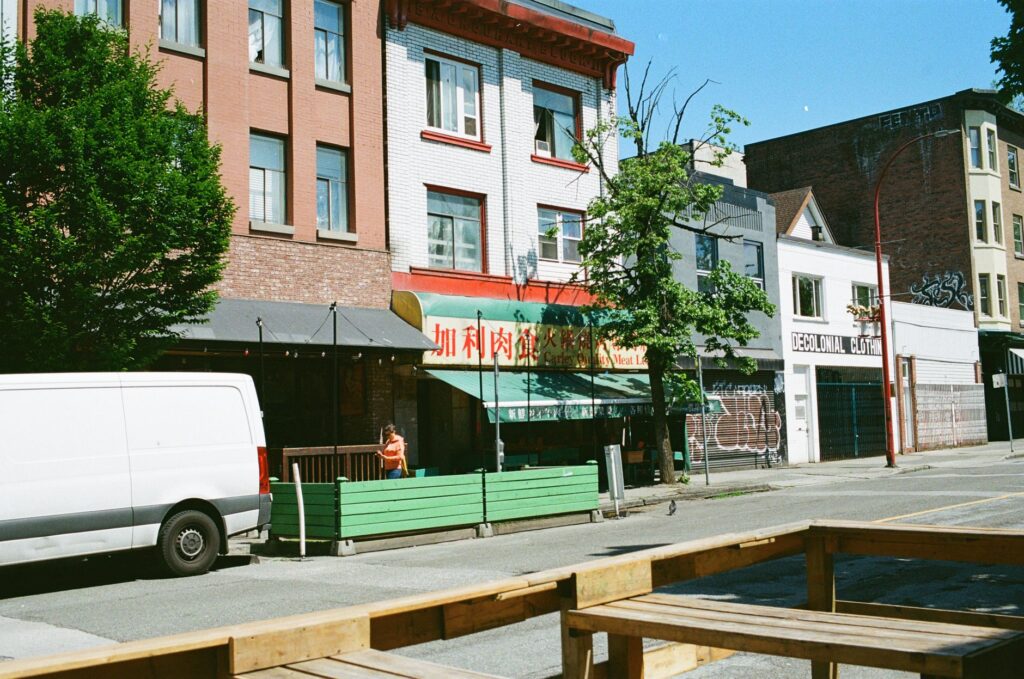
Moving away from the central financial district, the neighborhoods of East Vancouver exhibit a completely different atmosphere marked by self-management, farmers’ markets, and grassroots initiatives. In areas like Commercial Drive or Main Street, life moves at a more leisurely pace, conducive to exchange in small grocery stores, independent bookstores, and food cooperatives that prioritize local produce from the Fraser Valley. These shops act as authentic centers of social cohesion, where neighbors reconnect and discuss district matters.
The culinary and commercial offering of these neighborhoods reflects the multiculturalism characterizing the province of British Columbia. Sustainable Pacific seafood products mingle with spices and recipes brought by migrant communities from around the world, generating a blended cuisine avoiding major commercial circuits. Local authorities encourage this model through regulations protecting small retail shops against real estate pressure, ensuring small business remains the economic and cultural engine of residential streets.
Residential Architecture and the Transition Toward Sustainability
Vancouver’s architectural landscape stands out for its evolution from classic single-family wooden houses to high-energy-efficiency residential complexes. In traditional sectors like Kitsilano or Mount Pleasant, early 20th-century single-family homes coexist with moderate-density buildings designed under strict ecological criteria. This transformation responds to ongoing debate on managing demographic growth without losing the human scale of neighborhoods or compromising the region’s water and energy resources.
Citizens actively participate in urban planning committees, demanding new constructions respect mountain views and maintain urban soil permeability. Green roofs, rainwater harvesting systems, and the use of local building materials are standard practices in new real estate projects. This attention to architectural detail demonstrates urban development on Canada’s west coast seeks to consolidate a livability model focused on long-term well-being and rigorous respect for the environment.
Community Spaces and Active Citizen Participation
Beyond its geographical appeal, Vancouver stands out for a dense network of community centers, public libraries, and self-managed cultural spaces acting as intergenerational meeting points. In these centers, located in virtually every city district, art workshops, language classes, and sports activities are held openly for all residents regardless of income. This public infrastructure fosters a strong sense of belonging and social cohesion, especially in a city continually receiving new population flows.
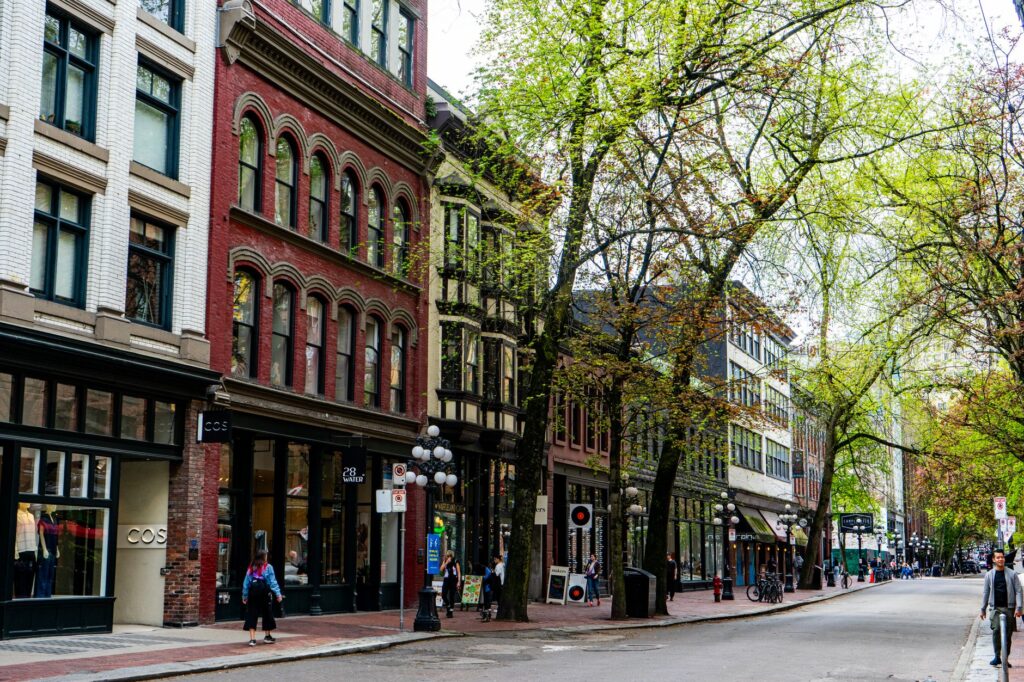
Neighbor involvement in managing community parks, urban gardens, and mutual aid programs evidences deeply rooted civic culture. Decisions on public space use are usually debated in open assemblies and neighborhood consultations, ensuring urban transformations respond to real population needs rather than speculative interests alone. This participatory model reinforces the collective identity of a city defining itself through both its diversity and its capacity for constant dialogue.
Neighbor participation is the invisible foundation sustaining the vitality of our streets, ensuring urban growth serves to unite rather than fracture the community.
Sustainable Transport and Daily Mobility
Mobility in Vancouver relies on an integrated public transport network combining electric buses, the SkyTrain rapid transit system, and traditional SeaBuses connecting Burrard Inlet’s two shores. Bicycle use has increased exponentially thanks to protected lanes crossing the city from north to south and east to west, facilitating daily travel without relying on private vehicles. This commitment to active mobility not only reduces polluting emissions but transforms the daily commute into an exercise in observing the urban landscape.
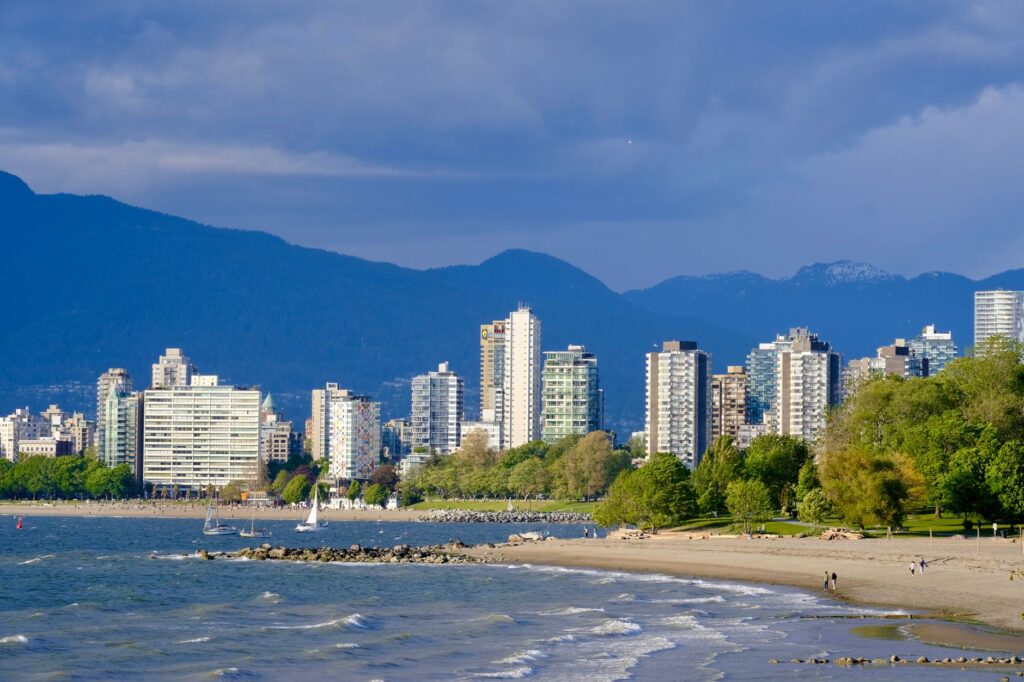
Municipal policies prioritize pedestrians around commercial access points and school zones, reducing speed limits and increasing single-level pedestrian zones. Citizens use these soft mobility corridors for daily shopping, meeting friends, or simply enjoying proximity to the sea. Thus, moving through the city becomes a natural extension of neighborhood life, where the slow pace of the walker replaces the rush of road traffic.
Practical guide
Getting there: Vancouver International Airport (YVR) is located on Sea Island in Richmond, about twelve kilometers south of the city center. It connects directly downtown via the SkyTrain system’s Canada Line, taking approximately twenty-five minutes.
When to visit: Spring months (April to June) and early autumn (September to October) offer mild temperatures and lower tourist crowds. Summer is dry and sunny with higher visitor numbers, while winter features frequent coastal rain and snow in nearby mountains.
Local transport: The integrated TransLink transport system operates buses, the SkyTrain, and the SeaBus. Purchasing a reloadable Compass Card is recommended for discounted fares and smooth transfers across metropolitan public transit.
Accommodation: The city offers diverse options, from small boutique hotels in historic Gastown to guesthouses and residential apartments in areas like Kitsilano and Mount Pleasant, ideal for a neighborhood-connected stay.
The Sunset Reflection Over Harbor Waters
As afternoon comes to a close, the final rays of sunlight pierce the glass towers of the financial district and project across the calm waters of Burrard Inlet. On the wooden docks, residents pause to observe the movement of seaplanes and the distant profile of the Coast Mountains’ snow-capped peaks. This moment of quiet, repeated daily without fanfare, synthesizes the essence of a community that has integrated into its environment without subduing it. Between the salty ocean breeze and the steady murmur of the forest, Vancouver continues writing its daily story with the patience of the tides and the firm commitment of those who inhabit it.