
Introduction to the Urban Pulse of Hospitalet de Llobregat
Located in the heart of the Barcelonès region within the autonomous community of Catalonia, Spain, the city of Hospitalet de Llobregat unfolds as a territory where dense metropolitan activity constantly dialogues with a deep tradition of secluded squares and well-preserved historic quarters. With a population exceeding two hundred and fifty thousand residents, this municipality is far more than a mere residential satellite or an industrial transit hub; it possesses a distinct and pronounced personality. Its oldest streets harbor the memory of a foundation linked to the assistance of travelers and pilgrims crossing southern routes, an origin that today imbues the character of its most traditional neighborhoods.
For travelers seeking to understand everyday wellbeing beyond conventional tourist circuits, this Catalan corner offers a masterclass in human scale. Here, daily routines revolve around the preservation of minor architectural heritage, municipal food markets, and outdoor community life. The close geographic proximity to the capital of Barcelona contrasts with the tranquility of its pedestrian squares, where time seems to acquire a different density—one conducive to contemplation and spiritual rest.
The Historic Heritage of Plaça de la Vila
The foundational core of the locality centers around Plaça de la Vila, an open space that has served for centuries as the true civic heart of the community. The surrounding buildings showcase a diverse display of nineteenth- and twentieth-century Catalan civil architecture, most notably the facade of the Town Hall, a historicist structure presiding over the agora with sobriety and elegance. The arcades and wrought-iron balconies of the neighboring stately homes bear witness to an era when local commerce and dryland farming dictated the rhythms of harvest and festivity.
Strolling through this historic sector in the early morning hours allows visitors to appreciate the silence preceding commercial activity. The preserved cobblestones recall the passage of carts and livestock, while centurions trees cast long shadows over stone benches where lifelong residents converse peacefully. This urban environment demonstrates how the preservation of traditional construction elements fosters a tranquil pace of life, keeping at bay the stress characteristic of major urban agglomerations and promoting coexistence built on mutual respect.
Religious Architecture and Medieval Vestiges
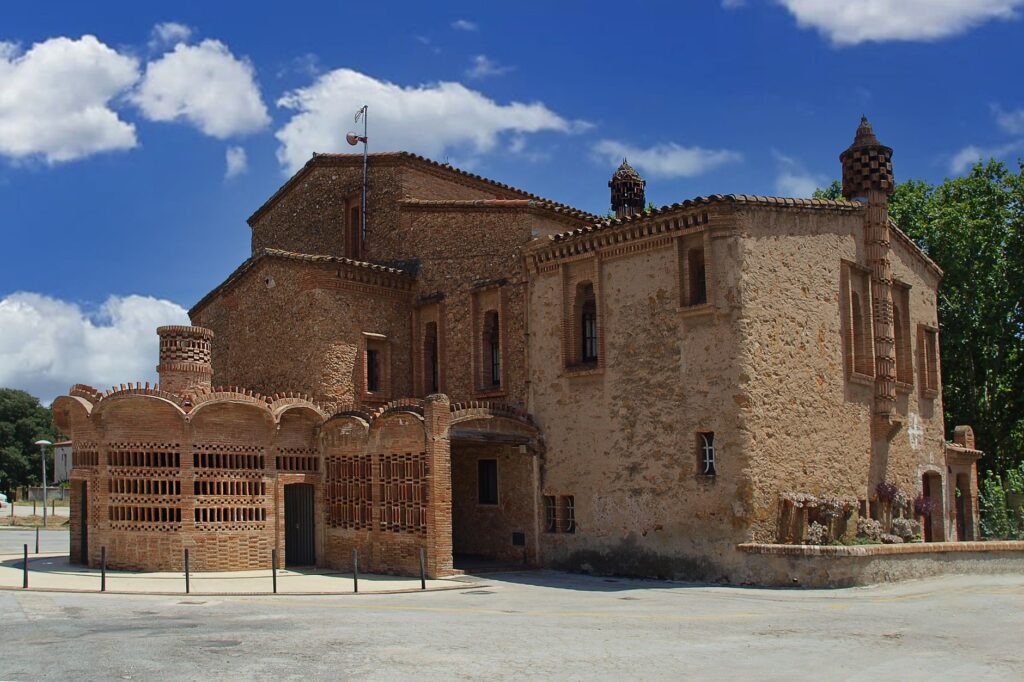
Among the monumental landmarks defining the identity of the municipality stands the Church of Santa Eulàlia de Provençana, a Romanesque temple whose earliest documentary references date back to the tenth century. Situated in the Santa Eulàlia neighborhood, this construction constitutes one of the oldest testimonies of religious architecture in the plains of Barcelona. Its basilical floor plan and perfectly squared stone ashlar blocks reflect the skill of medieval builders who harnessed local resources to raise a space for spiritual recollection and social cohesion.
A visit to this sacred enclosure invites a reflective pause. The contrast between the simplicity of its exposed stone walls and the dynamism of modern residential blocks surrounding it underscores the capacity of historic heritage to act as an anchor of identity. Heritage conservation experts note that integrating these medieval vestiges into the current urban fabric enriches the walker’s experience, who finds tangible proof of the place’s historical continuity in every corner.
Municipal Markets as Centers of Community Life
No approach to the daily life of Hospitalet de Llobregat would be complete without exploring its traditional food markets, such as the Collblanc Market or the Muntanyeta Market. These commercial infrastructures not only fulfill an essential economic function for the supply of fresh, local products, but they also act as true social hubs where the stories of multiple generations of residents intersect.
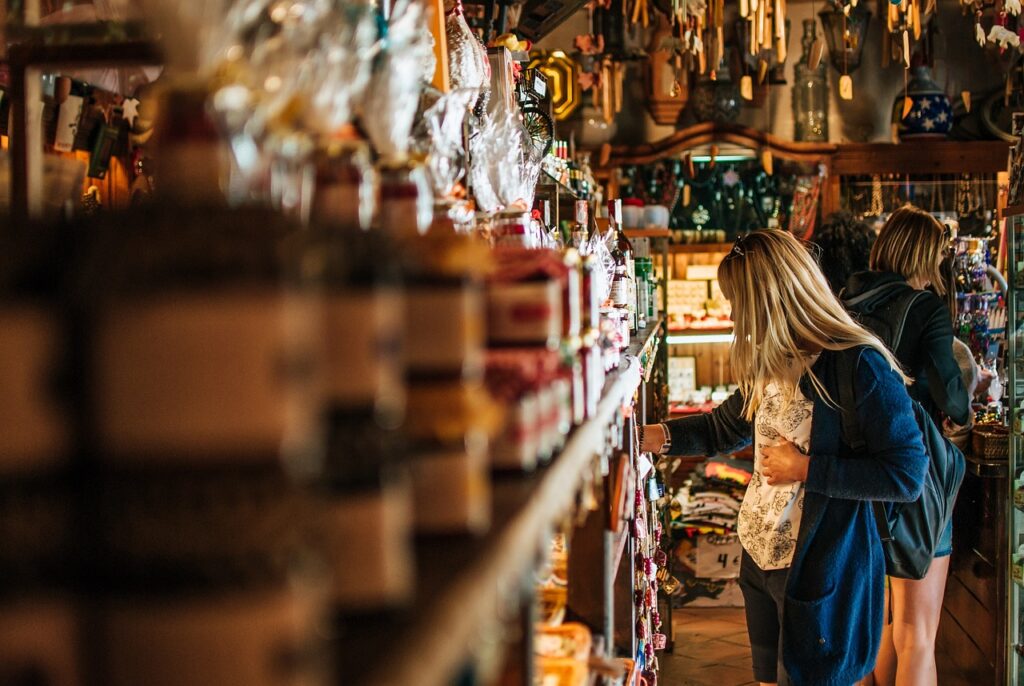
Beneath their metallic roofs and local produce stalls, the respectful bustle of shoppers and direct interactions with vendors configure a daily ritual that promotes emotional wellbeing and food security.
Municipal markets are the social lungs of our neighborhoods, spaces where human exchange and the fruits of the land keep the community fabric alive against globalizing uniformity.
This dynamic fosters responsible and sustainable consumption, closely tied to the historic market gardens of the Baix Llobregat and a Mediterranean culinary tradition based on ingredient seasonality.
Green Spaces and Rest in Can Buxeres Park
To counteract asphalt and building density, the municipality features significant green lungs such as Can Buxeres Park. This landscaped enclosure, structured around a neoclassical stately mansion, offers visitors a refuge of botanical tranquility with centuries-old tree species, shaded walkways, and ornamental fountains evoking the splendor of past bourgeois residential estates.
The landscape design of this space invites slow walking and mental disconnection. Residents gather on its lawns to read, stroll, or simply enjoy birdsong in an environment protected from traffic noise. The presence of sculptural elements and small ponds reinforces the atmosphere of serenity, proving that contemporary urban planning can successfully integrate high ecological and recreational value areas at the service of citizen wellbeing.
Urban Art and Contemporary Cultural Transformation
In recent decades, Hospitalet de Llobregat has successfully diversified its cultural heritage by incorporating avant-garde artistic expressions that coexist harmoniously with the industrial and working-class memory of its districts. Initiatives such as contemporary muralism routes and the rehabilitation of former factory warehouses converted into artistic creation centers have endowed the neighborhoods with a new layer of visual and participatory identity.

This cultural renewal phenomenon does not seek to erase the past, but rather to reinterpret it through collective creativity. Local creators and neighborhood collectives collaborate to enliven squares and vacant lots, turning gray party walls into canvases that narrate the social history and pride of belonging to a hardworking, cosmopolitan city. For the curious traveler, this dialogue between industrial archaeology and contemporary urban art represents an engaging field of aesthetic exploration.
Local Gastronomy and the Flavors of Baix Llobregat
The culinary offerings of the locality are grounded in traditional Catalan gastronomy, strongly influenced by the proximity of the fertile agricultural region of Baix Llobregat and maritime closeness. Traditional neighborhood restaurants and taverns offer dishes prepared with seasonal vegetables—such as the area’s celebrated artichokes—, fresh coastal seafood, and hearty spoon recipes that comfort the body and reflect the cultural diversity of current residents.
Dining in Hospitalet is an act of unhurried discovery. Family-owned establishment menus prioritize zero-kilometer produce and market cuisine, shunning unnecessary artifices. Sharing a leisurely meal in a traditional dining room allows visitors to understand local hospitality, where the table is the ideal space for transmitting culinary knowledge and consolidating bonds of neighborhood and friendship.
Practical guide
How to get there: The city is fully integrated into Barcelona’s metropolitan transport network. It is easily accessible via subway lines (L1, L8, L9S, L10S), commuter trains (Renfe), and numerous urban and interurban bus routes.
When to visit: Any time of year is favorable, although spring months (April to June) and autumn (September to November) offer optimal temperatures for exploring public spaces on foot without oppressive summer heatwaves.
Where to stay: Varied options range from functional urban hotels to unique establishments rehabilitated within historic buildings near commercial and transport hubs.
Local etiquette tips: A cordial greeting when entering neighborhood shops is warmly appreciated. Visitors are encouraged to use both Spanish and Catalan naturally, respecting the bilingual linguistic environment characteristic of the territory.
Sustainability and transport: It is advisable to make all internal trips on foot or by utilizing the extensive bike lane and public transport network to minimize the ecological footprint during the stay.
Epilogue: The Refuge of Mediterranean Sunsets
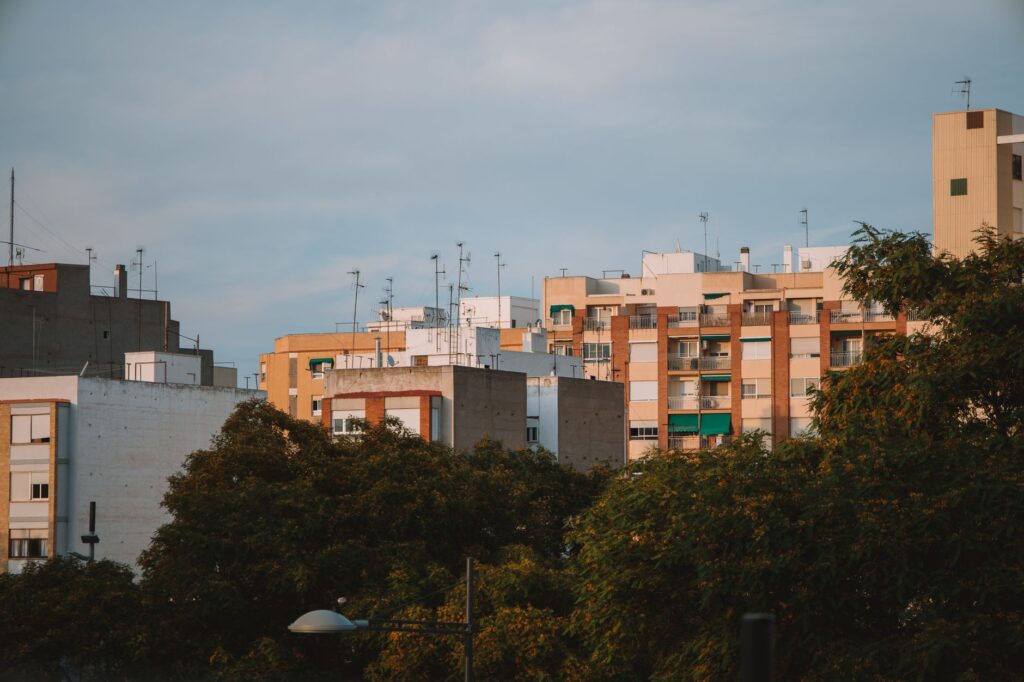
As evening begins to fall over the urban plan of Hospitalet de Llobregat, golden light bathes historic bell towers and modernist facades, transforming the atmosphere of its streets into a setting of serene beauty. In that precise instant, public spaces recover an intimate, almost domestic calm, where the traveler understands that the true value of this destination lies not in colossal monuments, but in the authenticity of a community that cultivates wellbeing through shared memory, respect for its heritage, and the warmth of its daily life.