
Navigating the Gateway to Chilean Patagonia
Puerto Montt stands as the vital crossroads where continental landmasses fragment into an intricate labyrinth of channels, fjords, and untamed islands in Chile. Situated within the Los Lagos Region, this Chilean port city is far more than an urban settlement of over two hundred and forty thousand residents; it is an indispensable bastion for understanding the profound relationship between humanity and the southern sea. The geography of the area is defined by the imposing presence of the Reloncaví Estuary, a sheltered yet dynamic body of water subject to severe weather conditions that demand absolute respect from sailors, fishers, and adventurers alike.
Embarcation on a maritime adventure in this corner of the southern hemisphere requires accepting that the ocean is not a passive canvas, but a living actor. The currents generated by strong tides and narrow channels act as liquid mazes where seamanship is tested daily. Planning a journey by kayak or small watercraft requires rigorous consultation of meteorological bulletins issued by maritime authorities, since pampero winds and western fronts can transform a calm expanse into a demanding technical environment within minutes.
Climate and Dynamics of Southern Tides in Puerto Montt
The climate profile of Puerto Montt, Chile, is characterized by persistent rainfall and shifting temperatures throughout the year. There is no true dry season, meaning that any nautical expedition must factor in rain as a predictable constant. Tides, meanwhile, experience significant fluctuations that drastically alter coastal geography and the strength of narrow passages, such as the Tenglo Channel.
For navigators wishing to explore minor fjords and surrounding islands, such as Tenglo or Punihuil to the west, knowledge of tide tables is a vital safety tool. Ignoring the ebb and flow of these waters can leave vessels stranded or pull them into hazardous counter-currents. Water temperatures, which rarely reach warm levels due to sub-Antarctic influences, mandate the mandatory use of appropriate neoprene wetsuits and certified buoyancy aids during any on-water activity.
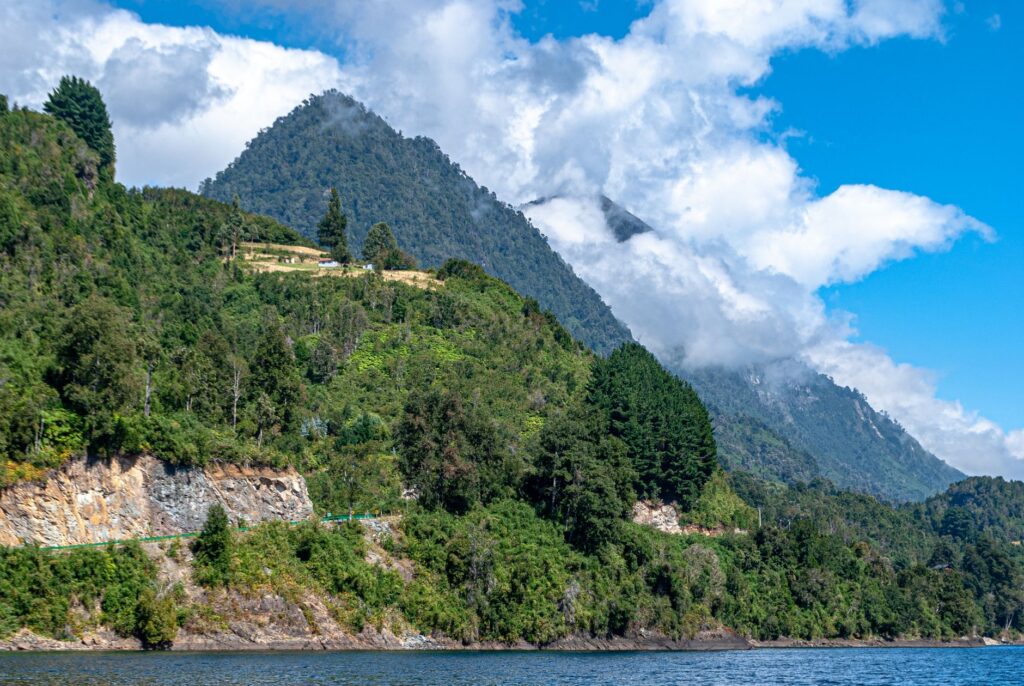
Understanding local meteorological shifts involves monitoring atmospheric pressure drops typical of the region. Local mariners have long relied on subtle horizon changes to anticipate incoming squalls, ensuring that small craft remain close to sheltered coves before conditions deteriorate. This historical adaptation underscores the necessity of continuous vigilance when operating vessels across changing tidal sectors.
Amphibian Culture and the Heritage of the Channels
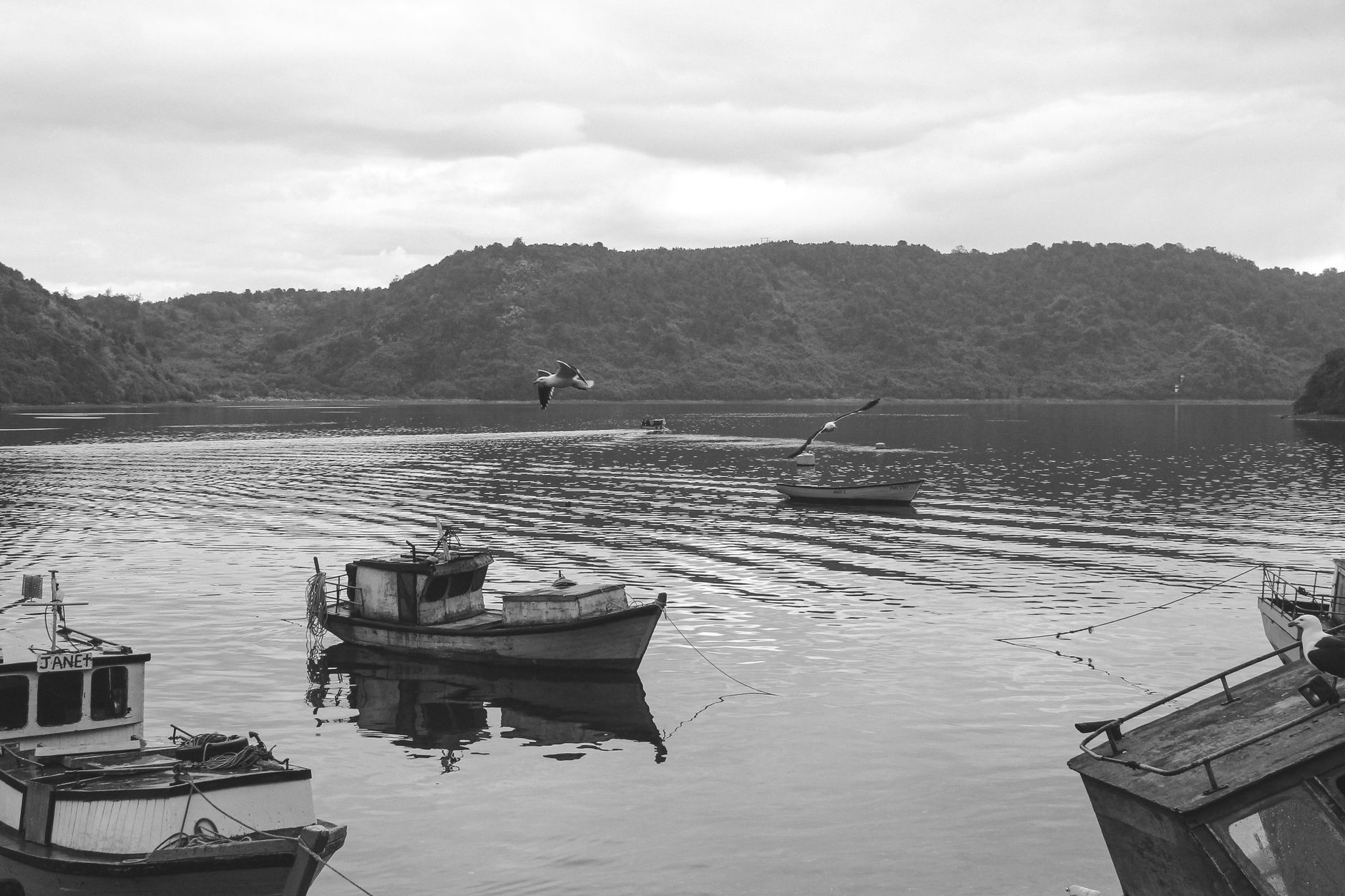
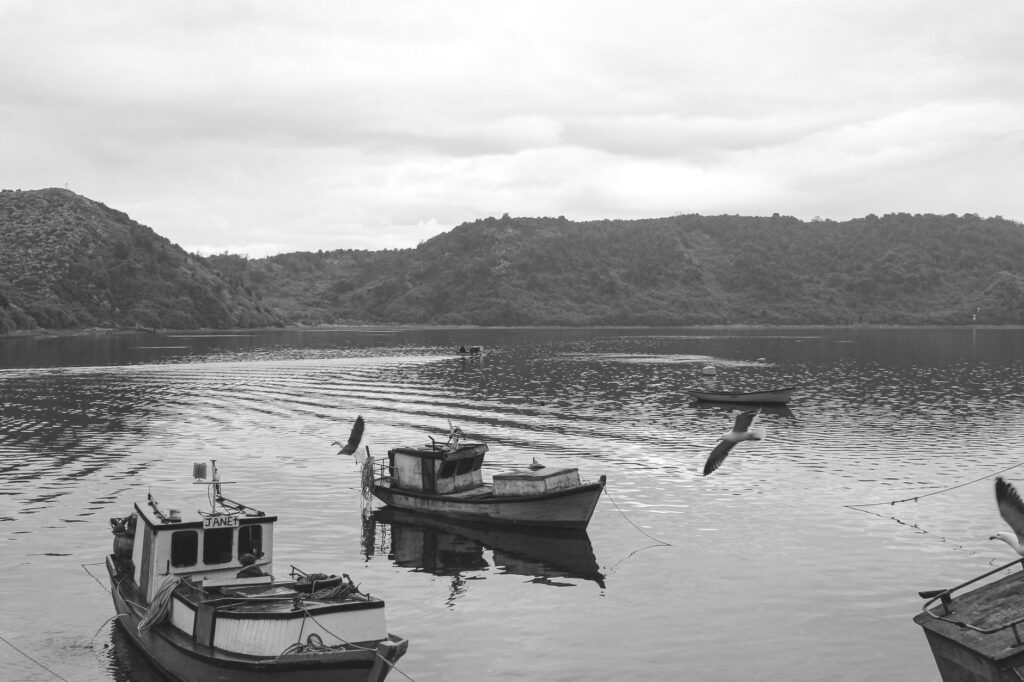
The history of Puerto Montt is intrinsically tied to navigation. From the ancient Chono and Alacaluf canoes that once plied these waters in bark vessels, to the arrival of German settlers in the mid-nineteenth century, the sea has remained the sole efficient communication route in a territory divided by mountain ranges and evergreen forests. This amphibious heritage survives in the traditional riverside shipyards, where master carpenters continue building native wood vessels using techniques passed down through generations.
The riverside and Angelmo market serves as the most tangible expression of this seafaring identity in Chile. It is far more than a commercial seafood hub; it is a meeting point where artisanal fishers, shellfish divers, and traditional cooks converge. The cultural exchange that takes place on these docks highlights the symbiotic dependency linking coastal communities to the biological wealth of the South Pacific Ocean, reminding us that every harvested species carries a responsibility of conservation.
Woodworking traditions along the coast incorporate specific native species chosen for their rot resistance and flexibility. These vessels are crafted to withstand the persistent mechanical stress of choppy coastal channels, serving as floating testaments to an era when maritime paths dictated daily survival and regional commerce.
Nautical Safety and Protocols in the Reloncaví Estuary
Recreational and commercial navigation in Puerto Montt, Chile, is strictly regulated by the Port Captaincy, subordinate to the Chilean Navy. Local authorities monitor departure clearances, require detailed navigation plans, and verify the operational status of VHF communication systems and satellite tracking devices. In an environment where terrestrial mobile signals vanish a few kilometers offshore, technological self-sufficiency is an inescapable priority.
Furthermore, emergency protocols ensure the rapid deployment of patrol boats and rescue helicopters in the event of unexpected weather emergencies. Nevertheless, the ultimate rule of safety remains the navigator’s prudence. Properly evaluating sea conditions before leaving the shelter of the bay prevents the vast majority of local incidents, serving as a reminder that the rugged Patagonian climate tolerates no improvisation.
Communication protocols require periodic position checks during extended voyages through regional channels. Ensuring battery reserves and waterproof housing for navigational electronics remains a primary checklist item for any skipper preparing to navigate outside standard harbor bounds.
Marine Ecosystem Protection and Sustainability
The ecological balance of the Reloncaví Estuary and surrounding Patagonian channels faces complex challenges stemming from industrial activity, expanding tourism, and climate change. The cold, oxygen-rich waters harbor benthic ecosystems of immense value, including cold-water corals and a diverse array of marine mammals and seabirds. Protecting this natural heritage requires adopting low-impact navigation practices, preventing waste discharge, and respecting the breeding grounds of sea lions and coastal birds.
Local organizations and mindful tour operators actively promote environmental education initiatives aimed at visitors. Marine mammal observation, for example, is governed by strict regulations dictating minimum approach distances to prevent behavioral disruption. The sustainability of the destination relies on every traveler recognizing that they are a temporary guest within a fragile and sovereign ecosystem in Chile.
Mitigating human footprint in these remote marine areas involves strict adherence to zero-waste policies onboard all vessels. Minimizing acoustic disturbance near nesting cliffs and seal colonies further ensures that wildlife populations remain undisturbed by passing watercraft.
Seafood Gastronomy and Territorial Produce
The bond between Puerto Montt and the sea finds its most celebrated expression in local cuisine. Harvested from frigid Patagonian waters, local seafood possesses exceptional organoleptic qualities shaped by the purity and salinity of the marine environment. Delicacies such as locos, cholgas, blue mussels, and giant barnacles form part of a culinary tradition where the curanto—an ancestral dish cooked in an earthen pit with hot stones—synthesizes the bounty of both sea and land.
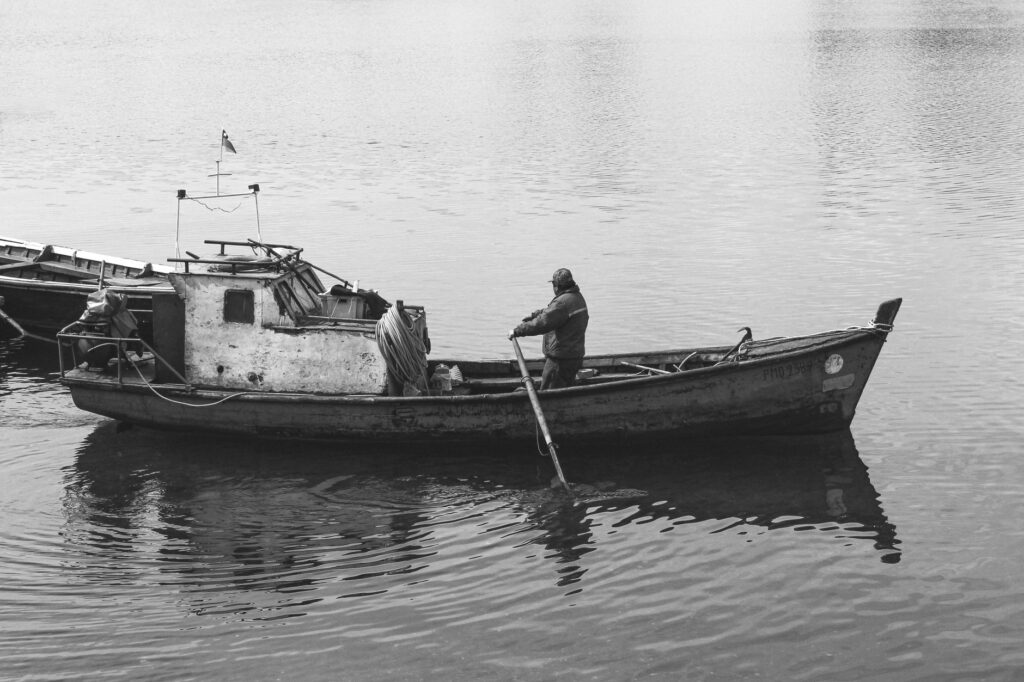
This gastronomic heritage is far from static; it continually reinvents itself in market kitchens and local restaurants prioritizing fresh, seasonal ingredients. Valuing Puerto Montt’s coastal gastronomy means acknowledging the daily toil of artisanal fishers who brave tides and winds to supply the region’s markets.
Culinary practices across the waterfront highlight a deep respect for seasonal harvesting closures designed to protect spawning populations. By honoring these natural cycles, local chefs and markets sustain the ecological health underpinning the entire regional food supply.
Practical Guide for Explorers
When to go: The summer season from December to March offers the most stable weather conditions, featuring longer daylight hours and daytime temperatures hovering around 20 °C, though rainfall can occur at any time.
How to get there: El Tepual International Airport (PMC) connects Puerto Montt, Chile, with Santiago via regular daily flights. By road, Route 5 South terminates its main stretch in the city, serving as the gateway to the Carretera Austral.
Permits and regulations: Any outing in a small watercraft or kayak requires a departure authorization issued by the local Port Captaincy. Carrying a certified life jacket and a VHF marine radio is strictly mandatory.
Recommended gear: Breathable three-layer waterproof outerwear, high-traction trekking footwear, merino wool thermal underwear, and waterproof dry bags to protect electronic devices.
Health and safety: Consult local tide and wind forecasts before embarking on any water activity. Always obey instructions from the Chilean Navy and never venture out alone into unfamiliar channels.
Final Reflection on the Southern Horizon
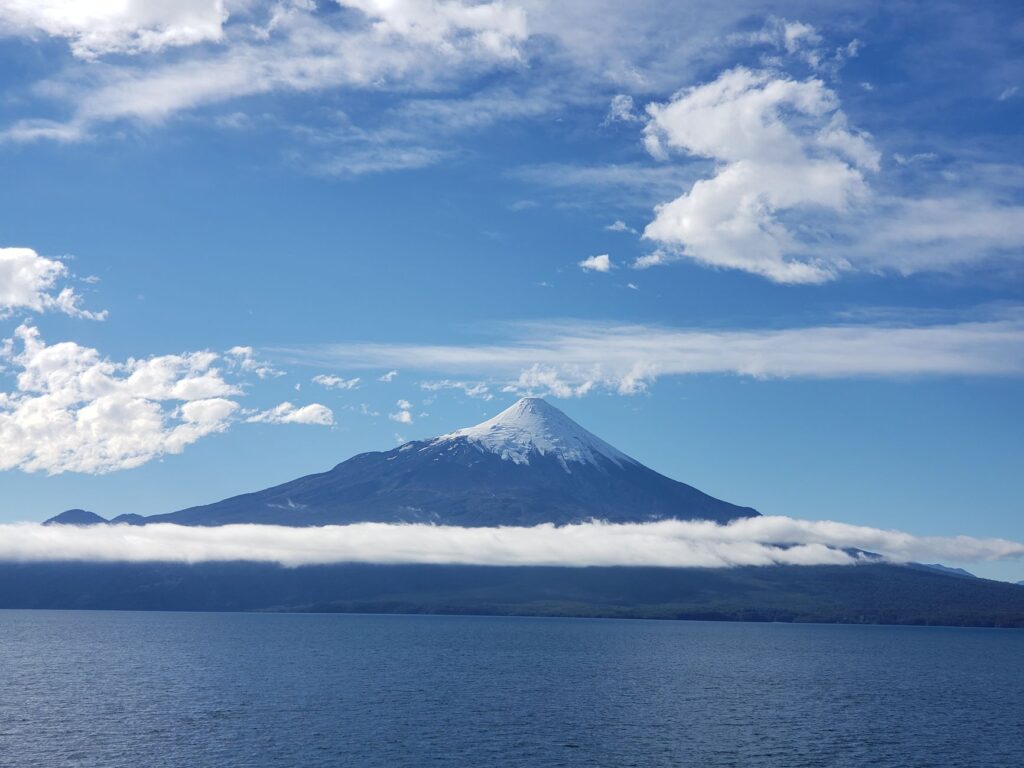
Contemplating twilight over the dark waters of Puerto Montt, with the distant profiles of the Osorno and Calbuco volcanoes silhouetted against the evening sky, imparts a profound sense of both permanence and fragility. The southern sea offers no absolute certainties, only the opportunity to measure our capabilities against the immensity of nature. Respecting the currents, protecting the delicate balance of its shores, and listening to the voices of its people are the true keys to unlocking the Patagonian territory, ensuring this vast maritime frontier always retains its untamed and fascinating essence.