
Origins on the Arid Frontier
Situated on the eastern fringe of Morocco, Oujda stands as a historic bastion where the desert and the plateau meet in a delicate balance. With a population exceeding five hundred thousand residents, the city has historically depended on its underground aquifers and a network of springs that have sustained oasis agriculture and urban life for centuries. However, climate change and demographic pressure have transformed the surrounding landscape, compelling institutions and citizens to rethink the management of every single drop of water.
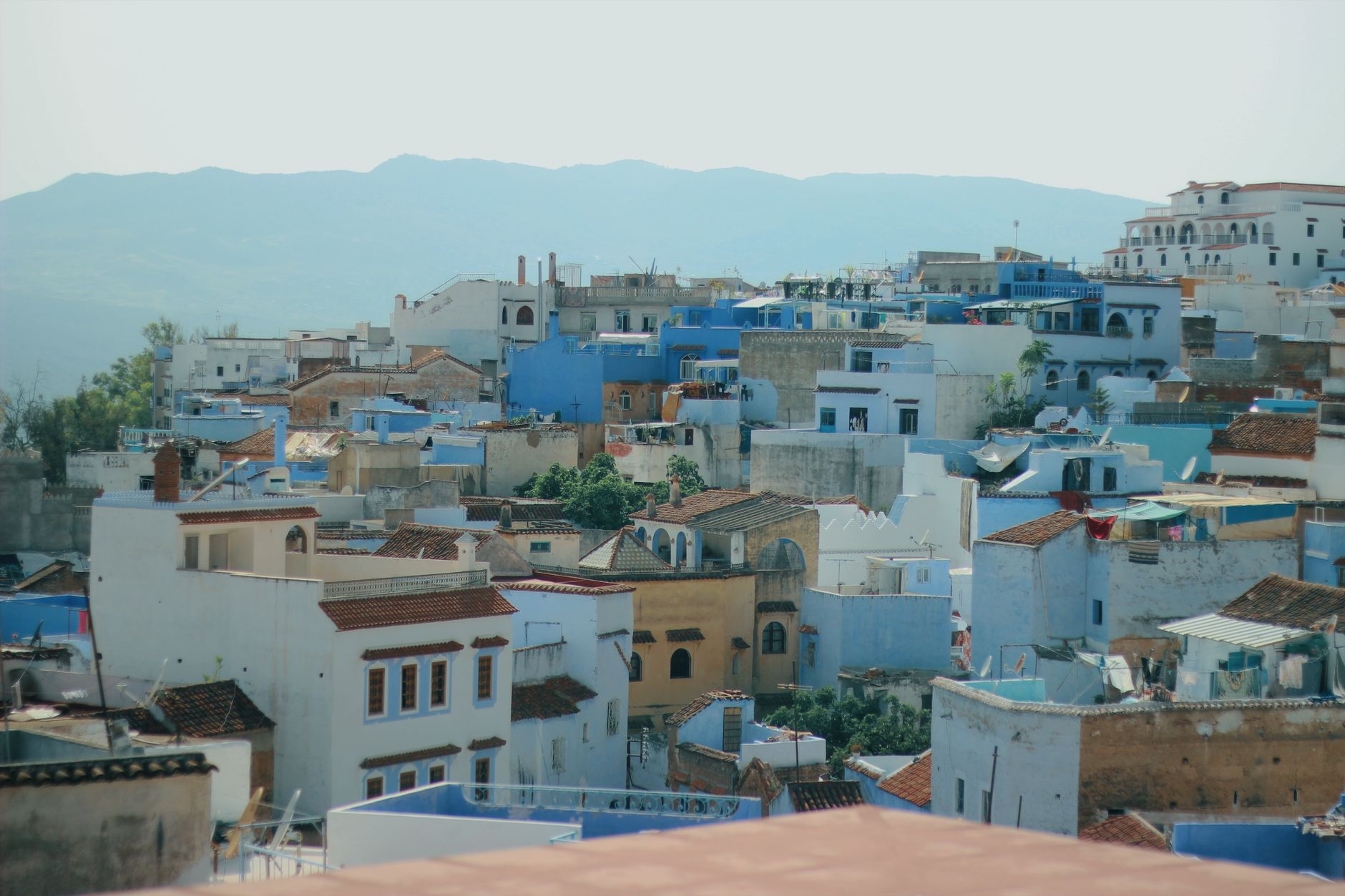
The urban layout combines the walled medina of ocher tones with modern expansions extending toward the foothills of the Beni Snassen mountains. In this territory, the survival of local biodiversity and traditional crops depends on strict public policies and neighborhood awareness. The protection of scarce nearby wetlands and the reforestation of eroded slopes have become priority tasks for the region’s sustainability committees, ensuring that the natural heritage is safeguarded against progressive degradation.
Furthermore, historical records demonstrate that human settlement in this border region has always relied on adaptation strategies developed over generations. Today, municipal planners integrate this ancestral wisdom with modern hydrological monitoring tools, establishing a continuous dialogue between past traditions and future ecological resilience across the entire urban territory.
Threats to the Natural Heritage
The primary challenge facing Oujda is chronic water scarcity, exacerbated by prolonged periods of drought that drastically reduce surface flows. Native plant species, such as Aleppo pine and various Mediterranean scrub varieties, suffer from constant water stress that weakens their resistance to wildfires and desertification. This deterioration affects not only wild ecosystems but also the economy of small farmers who rely on dryland farming and traditional orchards.
Adding to this environmental pressure is the uncoordinated urban growth of recent decades, which has fragmented ecological corridors essential for local fauna. Local authorities and environmental scientists note that the overexploitation of agricultural wells is accelerating the salinization of aquifers. To curb this process, inspections of illegal groundwater extraction have intensified, and the modernization of irrigation systems is promoted to prevent waste.
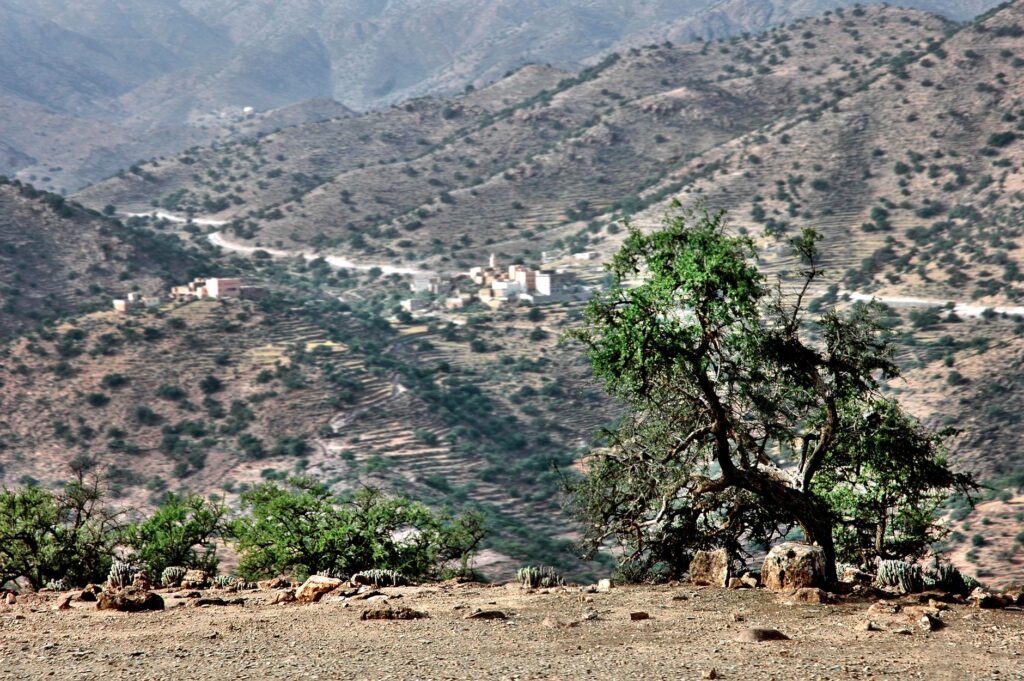
Moreover, rising temperatures contribute to soil erosion, stripping the upper layers of nutrients necessary for native vegetation regeneration. Without proactive intervention, these cumulative stresses threaten to alter the ecological balance of the region permanently, making stringent protective frameworks an absolute necessity for regional stability.
Governance and Citizen Science
Faced with these adversities, environmental governance in Oujda has shifted toward community participation and applied scientific research. Universities in the Oriental region work closely with local associations to monitor water quality and soil health through decentralized sampling stations. Citizens actively participate in citizen science programs, recording the appearance of migratory species and the state of vegetation cover in urban influence zones.
Administrative decisions are no longer made in isolation; they are based on regular technical reports evaluating the impact of each infrastructure project on the local hydrological cycle. Municipal budgets allocate specific funds to the recovery of urban green spaces using drought-resistant plant species, thereby reducing the need for artificial irrigation in parks and roundabouts throughout the city.
Transparent communication channels between local government bodies and environmental NGOs ensure that conservation policies remain accountable and adaptable to emerging ecological data. This collaborative governance model serves as a reference point for other semi-arid municipalities navigating similar environmental pressures.
Communities and Conservation Culture
Commitment to the environment in Oujda finds its deepest roots in community traditions of water and land management. Educational workshops organized in civic centers and schools recover ancestral knowledge regarding food conservation, rainwater harvesting, and the efficient use of natural resources. These intergenerational initiatives pass on to younger generations the value of protecting the environment against climatic instability.
The conservation of our territory is not merely a technical matter, but a moral commitment to future generations who will inherit this frontier landscape.
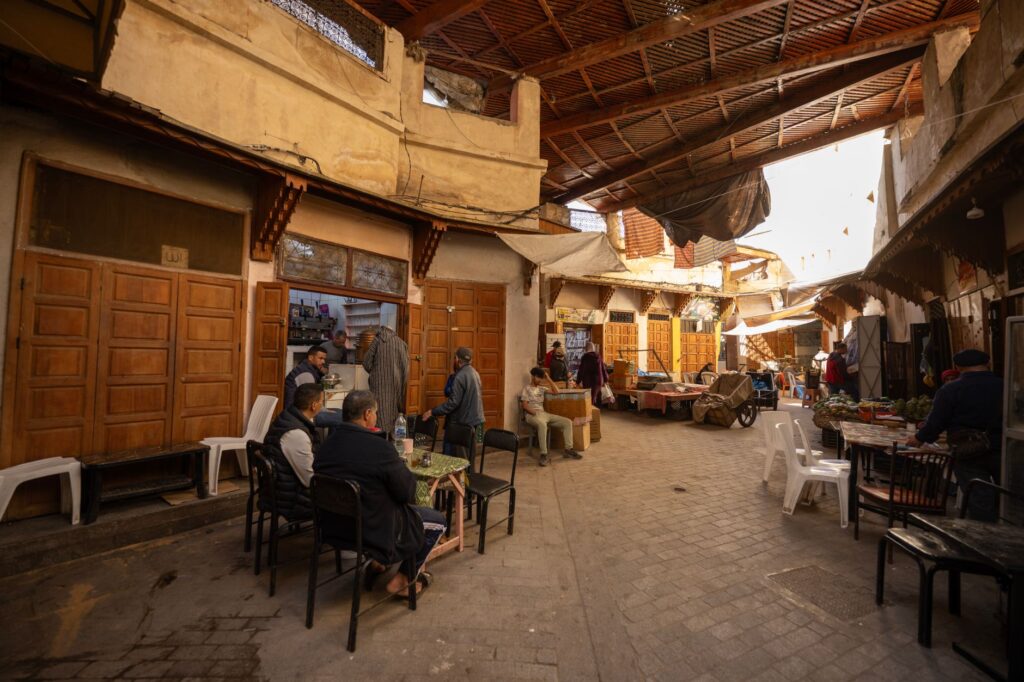
Likewise, Oujda’s local markets play a fundamental role in promoting sustainable consumption. Farmers practicing agroecology find in these spaces a direct commercialization channel, reducing the carbon footprint associated with food transport and ensuring the economic viability of environmentally friendly agricultural practices.
Community gardens and neighborhood associations also organize seasonal clean-up campaigns and tree-planting drives, fostering a collective sense of stewardship that reinforces public policies from the grassroots level upward.
Verifiable Measures and Reforestation
The impact of conservation policies in Oujda is measured through rigorous indicators of vegetation cover recovery and groundwater table stabilization. Among the most notable measures is the creation of green barriers around the city perimeter, composed of trees adapted to arid soils that act as windbreaks and retain scarce environmental moisture. These protected forest areas are subject to continuous monitoring by biologists and rangers.
In addition, state-of-the-art wastewater treatment plants have been implemented to allow treated water to be reused for irrigating non-edible green areas and peripheral golf courses, thus easing pressure on the drinking water supply. The results of these projects are periodically audited by independent agencies to ensure their long-term efficacy.
Quantitative metrics track the gradual expansion of reforested land and the reduction of particulate matter in the air, providing empirical proof that targeted ecological investments yield tangible improvements in urban air quality and microclimate regulation.
Architectural Heritage and Ecological Integration
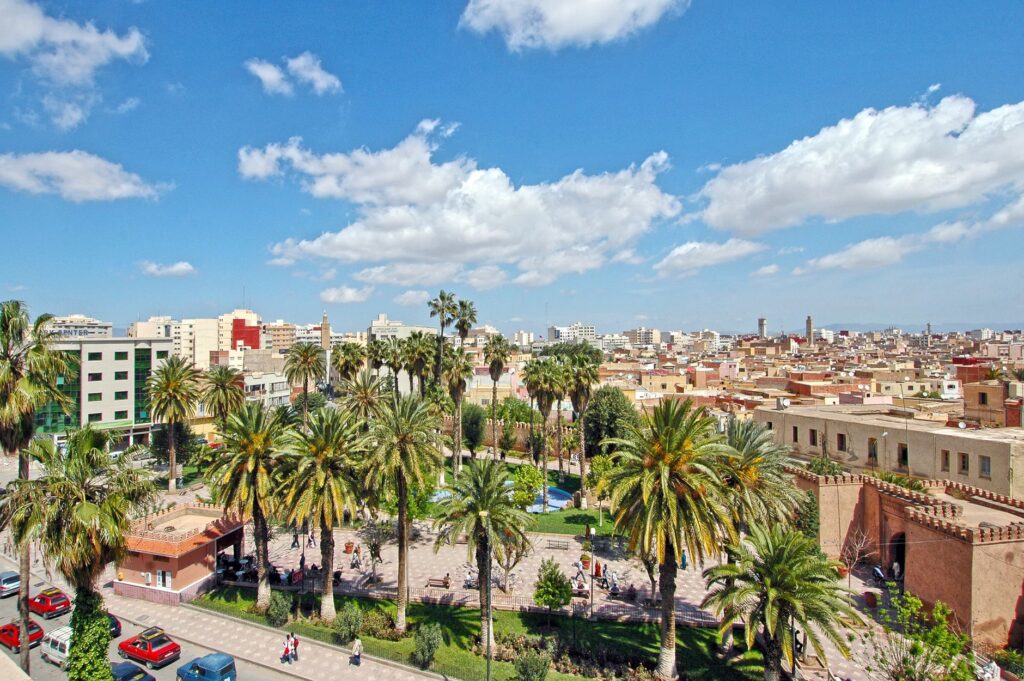
Oujda’s traditional architecture, characterized by the use of adobe, local stone, and interior patios oriented to maximize shade and natural ventilation, offers valuable lessons for contemporary sustainable construction. Historic neighborhoods are undergoing rehabilitation interventions that prioritize local materials and energy efficiency, demonstrating that historical heritage can coexist with strict criteria of urban sustainability.
Urban planners work on integrating fresh air corridors that cross the urban fabric, reducing the heat island effect during the hottest summer months. These nature-based solutions revalue the urban landscape without altering the cultural identity of the medina and its surroundings.
Preserving these architectural forms not only maintains the aesthetic integrity of the historic core but also drastically lowers the energy consumption associated with mechanical cooling systems in modern residential and commercial buildings.
The Water Horizon and Resilience
Oujda’s future depends on its capacity to anticipate adverse climate scenarios through the diversification of its supply sources and the ironclad protection of its terrestrial ecosystems. Investment in small-scale desalination technologies powered by solar energy is proposed as a strategic complement for periods of extreme drought, always under strict environmental impact assessments.
The resilience of the city is sustained by the synergy between scientific knowledge and the traditional wisdom of its inhabitants. While scientists analyze aquifer recharge, residents replicate practices of conservation and environmental care that guarantee the survival of this eastern oasis.

Long-term planning frameworks now incorporate climate modeling projections, ensuring that urban expansion respects hydrological boundaries and avoids placing unsustainable demands on regional water tables.
Responsible Tourism Practices and Local Respect
Visitors arriving in Oujda discover a destination that prioritizes authenticity and respect for its fragile ecological balances over mass tourism. Guided tours of the surrounding areas promote responsible observation of fauna and flora without disrupting natural habitats, and the use of local accommodations meeting strict energy efficiency and waste management regulations is encouraged.
Traveling with awareness means understanding that every resource we use in Oujda is shared with a community working tirelessly to preserve it.
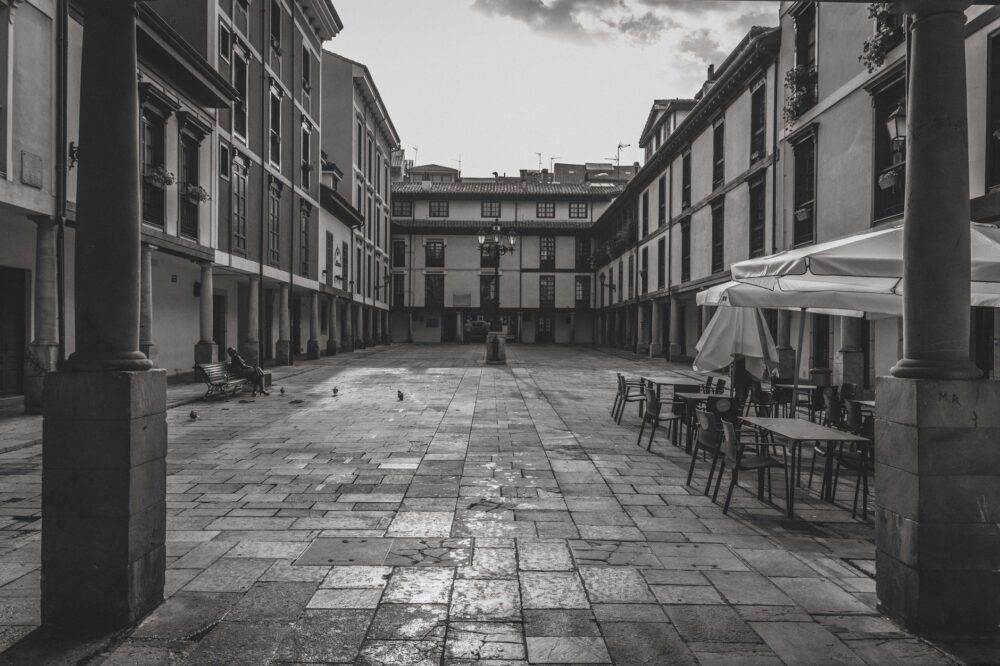
Recommendations for travelers include respecting local water-saving rules, favoring proximity commerce, and using public transport or bicycles to explore the city’s traditional neighborhoods and historic squares.
By choosing locally owned guesthouses and engaging with community-led cultural initiatives, visitors directly contribute to the local economy while reinforcing the value of sustainable heritage preservation.
Practical guide
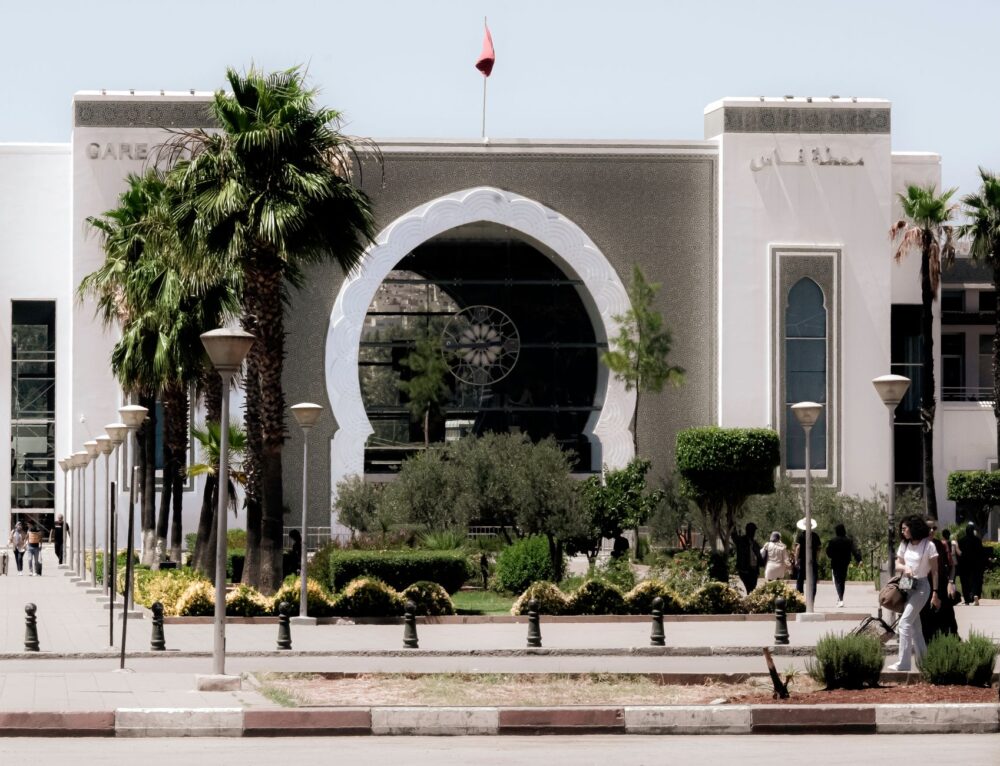
How to get there: Oujda is served by Angads International Airport, connected by several regular flights from Europe and Casablanca, as well as a railway station linking the city to the national Moroccan rail network.
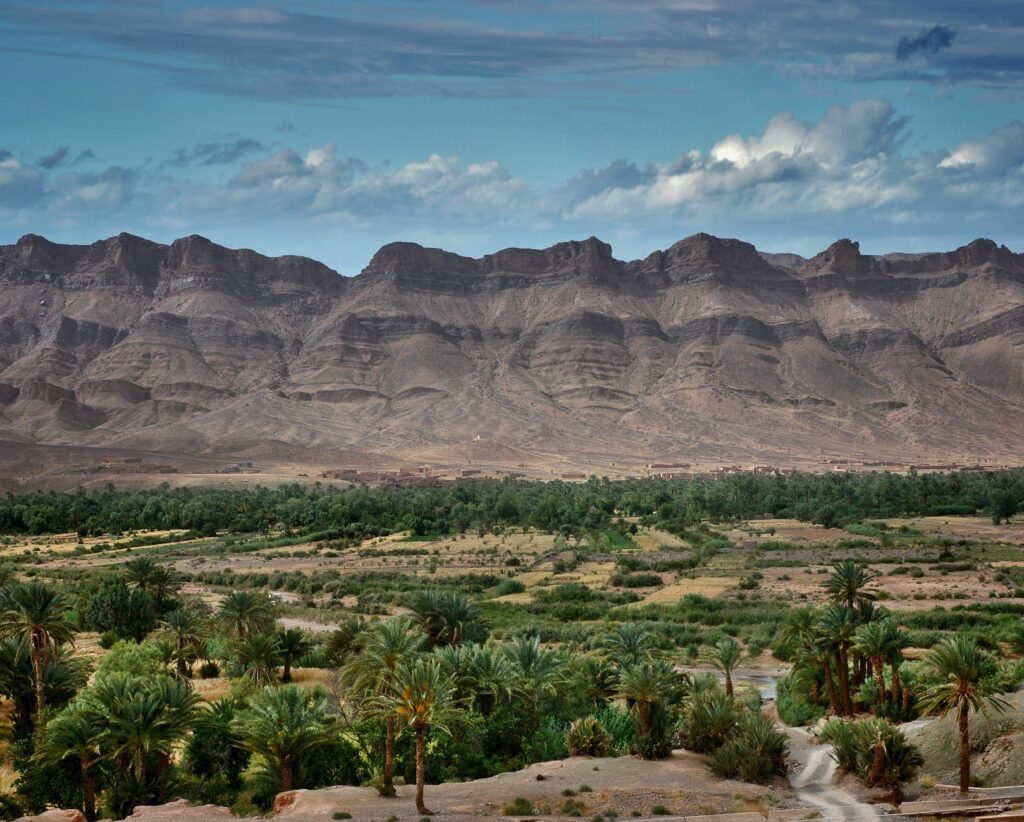
When to go: Spring months (March to May) and autumn (September to November) offer moderate temperatures ideal for exploring the city and its natural surroundings without enduring extreme summer heat.
Where to stay: Numerous hotels in the center and rehabilitated traditional houses in the medina apply strict water-saving and sustainable waste management policies.
Local gastronomy: It is advisable to taste traditional dishes of the Oriental region in markets and small family restaurants that prioritize ingredients from local and proximity agriculture.
Getting around: Walking through the historic center or using urban public transport is recommended to minimize environmental impact during your stay in the city.