The Peruvian leg of Walter Salles’ film brings landscapes and encounters together in a way that changes the meaning of the journey.
The route loses its easy momentum
The trip starts with an urge to keep moving. As the film makes room for encounters that take time, speed stops being its dominant measure. Walter Salles and his crew alternate horizons, vehicles and faces long enough for viewers to see travel becoming a form of learning. The film rearranges an itinerary drawn from memoirs. A location trip can distinguish what the historical record says, what the edit decides and what people living in a place today can tell you.
Look at the Andes from the road
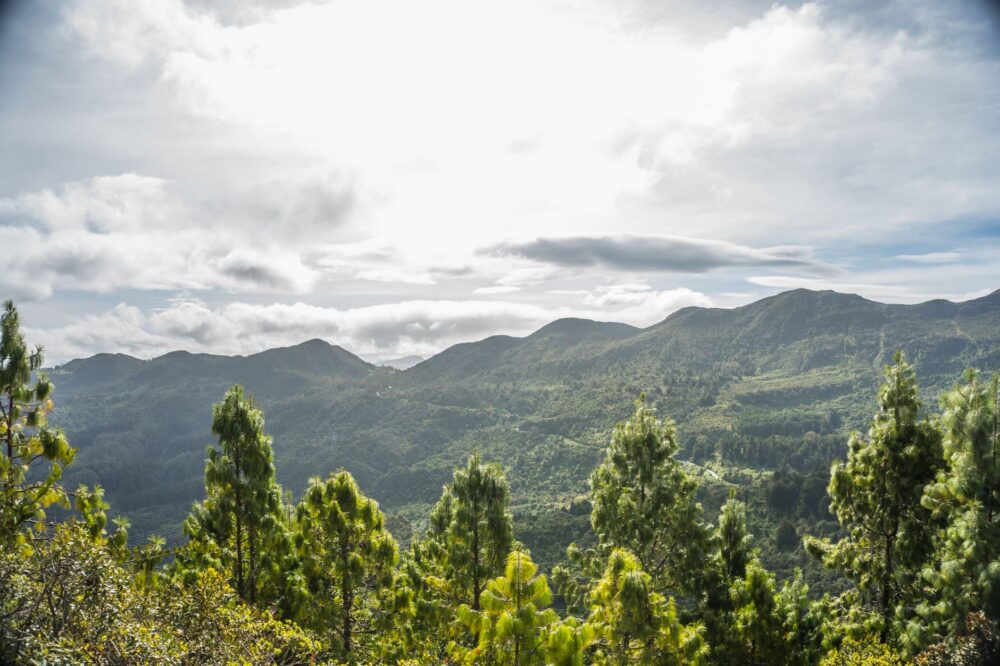
Film in Peru documents the production’s work in the country. The Andean leg connects ruins, footpaths and forms of access that change with elevation and slope. The camera can move from a vast horizon to a meeting that calls for time with one face. That play of distances turns the landscape into more than an illustration of progress along a route. A change in transport can determine who is able to reach a place or remain there.
Build your own Peruvian itinerary
Give Cusco its own leg, with time for its urban history and visits led by local guides. If you add Machu Picchu, check official routes and admission arrangements before purchasing. Treat the Amazonian leg as a separate stage if it belongs in your reading of the journey. Salles’ story becomes richer when visitors can hear local interpretations and see how the film shortens journeys that take real time.