Saitama, Japan: The Markets and Gardens Where Agricultural Tradition Shapes Daily Identity
An exploration of the culinary identity and daily life of Saitama in Japan, examining how local markets and agricultural heritage shape the daily pulse of its inhabitants.
In the heart of the vast Kanto plain, the city of Saitama unfolds as a territory where urban modernity coexists closely with a deep agricultural and commercial vocation. Just a few kilometers from the bustling metropolis of Tokyo, this enclave in the namesake prefecture maintains its own rhythm, dictated by the cycles of the earth and a culinary tradition that values local produce above any artifice. Mornings in Saitama do not begin with the shrill sound of major highways, but rather with the unhurried movement of shopkeepers arranging their stalls in neighborhood markets, displaying vegetables harvested from surrounding fields and goods that reflect the generosity of a soil bathed by flowing rivers.
The relationship between the land and the table in this corner of Japan is sustained by generational continuity. Families who have worked the fields for decades supply traditional markets, where regular shoppers select ingredients based on seasonality and respect for original flavors. Here, everyday cooking does not respond to passing fads; it is a cultural manifestation passed down from parents to children, a daily exercise in collective memory nourished by daikon turnips, crisp scallions, and local rice varieties that have resisted the relentless advance of asphalt.
The Pulse of Morning Markets and the Neighborhood Pantry
Walking through Saitama’s markets at dawn is an immersion into the city’s true gastronomic workshop. Far from mass-market tourist circuits, these commercial spaces function as the community’s circulatory system. Merchants proclaim the freshness of their goods with sober cordiality, while neighbors meticulously examine the condition of roots, leaves, and fish arriving from nearby coasts. Each stall tells a story of perseverance and specialization, where knowledge accumulated over generations allows the buyer to know precisely in which week of the year each vegetable was harvested.
The arrangement of goods in these markets responds to a functional aesthetic and rigorous order that prioritizes clarity. There are no superfluous elements; each wooden crate and wicker basket fulfills a precise function in displaying a pantry that changes its face with every season. In spring, tender shoots and leafy greens dominate the counters; in autumn, heavy tubers and pumpkins take center stage, preparing the palate for the cold months. This perfect synchronization with the natural calendar turns daily shopping into an act of tuning with the environment, where the consumer assumes an active role in preserving local biodiversity.
The Art of Dashi and Foundational Cooking in Homes
If markets provide the raw materials, Saitama’s domestic kitchens transform them into the emotional sustenance of its inhabitants. The secret of home cooking in this region does not lie in complex preparations, but in the mastery with which fundamental broths are handled. Dashi, patiently crafted from kombu seaweed and dried bonito flakes, acts as the backbone of countless soups, stews, and vegetable preparations that define the daily menu. This basic broth, subtle yet profound, requires attention and respect for infusion times, reflecting the patience that characterizes life in the prefecture.
Added to this is the constant use of fermented products such as miso and soy sauce, produced by small artisanal workshops that continue using traditional maturation methods in wooden barrels. These condiments not only add depth to the dish but establish a direct link with the microorganisms and climate of the Kanto region. Cooking in Saitama is therefore an exercise in balance where no ingredient masks another, but each element contributes to a harmonious chorus of clean, honest flavors that comfort the body after a workday.
Wheat and the Culture of Local Noodles
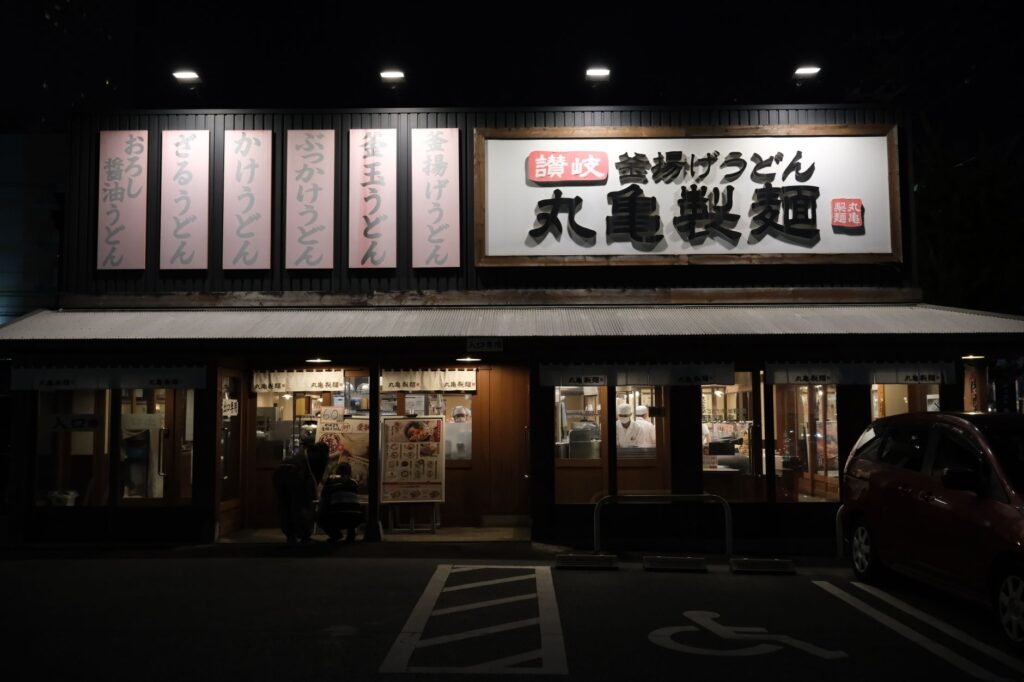
Although rice holds a central place in Japanese agriculture, the Kanto plain and the Saitama region maintain a very close historical relationship with wheat cultivation. This cereal, adapted to the area’s well-drained soils, gave rise to a rich tradition of artisanal noodles that constitutes one of the pillars of local gastronomic identity. In many neighborhoods of the city, small family-run workshops continue to produce udon noodles and regional varieties with a firm texture and authentic grain flavor not found in mass industrial production.
The process of kneading, stretching, and cutting the noodle is considered a minor yet rigorous art, where ambient humidity and room temperature determine the final result. Customers flock to these specialized establishments not only to consume the product on the spot but to take it home and prepare it in hot broths during winter or cold sauces during summer. This devotion to artisanal noodles demonstrates how a seemingly simple ingredient can become a symbol of community pride and a bulwark against dietary homogenization.
Peri-Urban Agriculture and Consumer Responsibility
In recent decades, rapid urban growth has threatened to devour the green spaces surrounding Saitama. However, the resilience of local farmers and consumer awareness have given rise to a movement to protect peri-urban agriculture. Small plots of intensive cultivation are interspersed today among residential areas, creating a hybrid landscape where it is possible to buy directly from the producer at small automated stands or weekend farmers’ markets.
This proximity between countryside and city fosters a responsible consumption model based on reducing carbon footprints and mutual support. Saitama’s residents deeply value the traceability of what they consume; knowing who grew the cabbage or radish served at Sunday dinner provides a layer of security and trust that large supermarket chains cannot replicate. Thus, urban agriculture is not merely an economic survival activity, but a tool for social cohesion that keeps the territory’s green memory alive.
The Sweet Heritage of Obasan and Seasonal Recipes
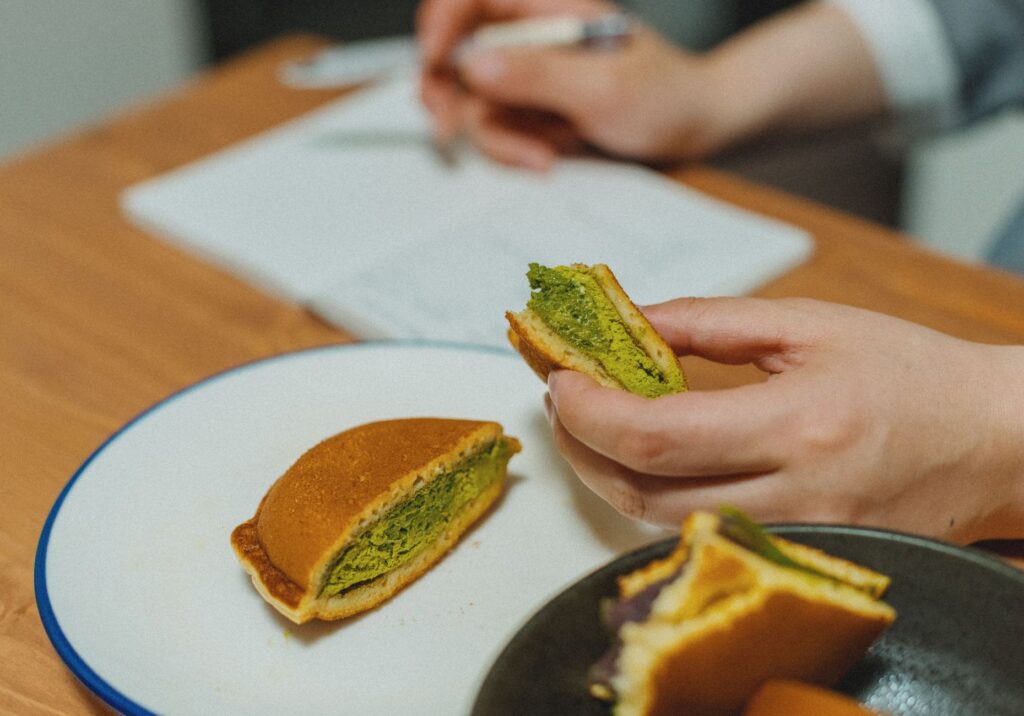
Saitama’s traditional confectionery, frequently crafted in small workshops tended by expert hands, offers another fascinating window into local identity. Far from Western confectionery, traditional sweets known as wagashi use red bean pastes, rice flour, and chestnuts to create delicate pieces mimicking nature’s forms. Each sweet is conceived for a specific time of year, marking the passage of time with poetic precision that moves through its simplicity.
These sweet preparations are not mere gastronomic whims; they accompany family ceremonies, temple festivities, and daily visits among neighbors. The recipes, zealously guarded by families of artisans, subtly adapt to the availability of local ingredients, ensuring each bite evokes the exact landscape of the prefecture. Sharing a seasonal sweet with green tea is a ritual of pause and hospitality defining the welcoming and respectful character of community life.
Saitama’s true pantry is not measured by the opulence of its banquets, but by the silent fidelity with which its markets and gardens honor the rhythm of the seasons.
Practical guide
How to get there: Saitama is perfectly integrated into the metropolitan railway network, connected directly from Tokyo via main lines such as the Keihin-Tohoku line and the Shonan-Shinjuku line, with journeys of around thirty minutes from central stations like Ueno or Shinjuku.
When to visit: Spring (March to May) and autumn (September to November) offer the most pleasant weather conditions for exploring outdoor markets and enjoying seasonal products at their optimal harvest point.
Essential markets: Exploring local markets around the residential areas of Urawa and Omiya is recommended, where the supply of local agricultural products reflects the prefecture’s authentic pantry.
Accommodation: The city offers a wide variety of functional and traditional hotels near major transport stations, facilitating daily travel to gastronomic points of interest.
Internal transport: The local bus network and light rail system make it easy to connect the urban center with peripheral horticultural areas and neighborhood markets.
Market etiquette: In traditional stalls, it is customary to observe produce respectfully without touching it directly with hands unless indicated by the merchant, and to bring your own bags to encourage sustainable shopping.
Memory and Future at Saitama’s Table
The balance Saitama has managed to maintain between its status as an expanding metropolitan area and its soul as an agricultural community represents an inspiring model of cultural sustainability. At a time when globalization tends to uniformize the planet’s flavors, this corner of the Kanto plain demonstrates that a people’s identity lies in defending neighborhood markets, respecting the cycles of the earth, and cherishing the irreplaceable value of patiently prepared cooking. Every dish served at a Saitama family table is a reminder that the future of food involves looking toward our closest roots, preserving the authentic taste of the everyday for generations to come.