
An Urban Landscape Shaped by Time and Timber
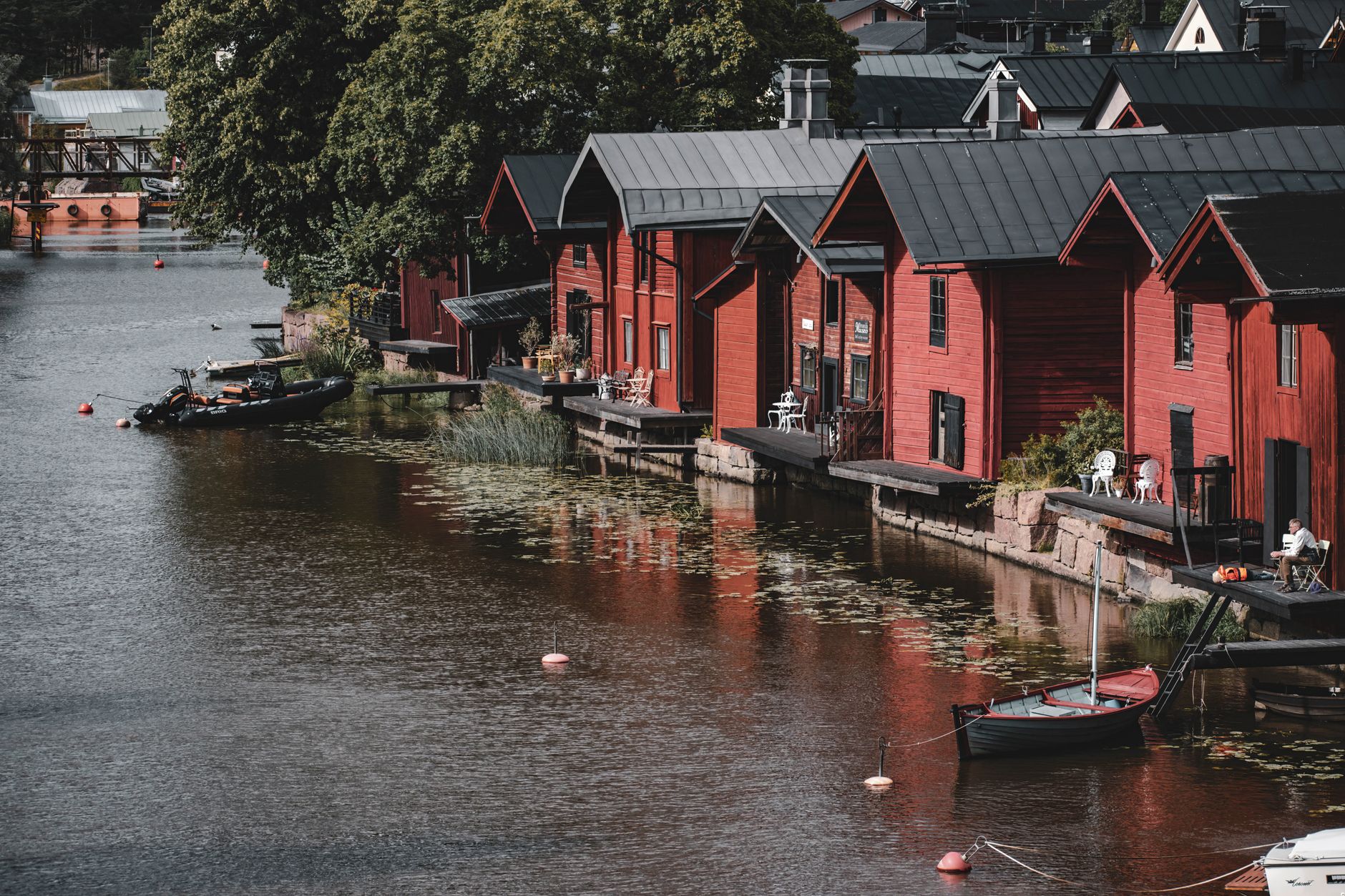
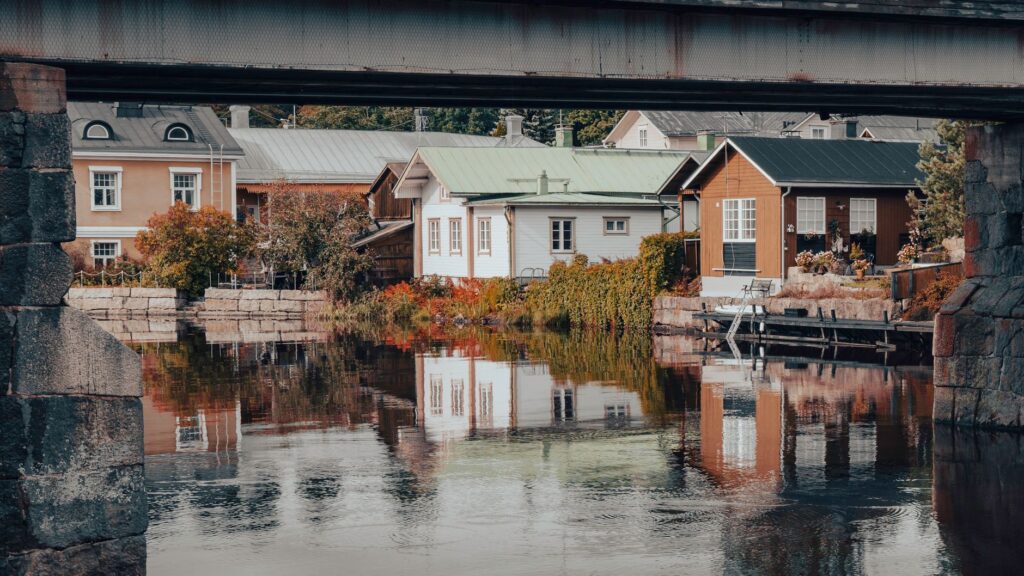
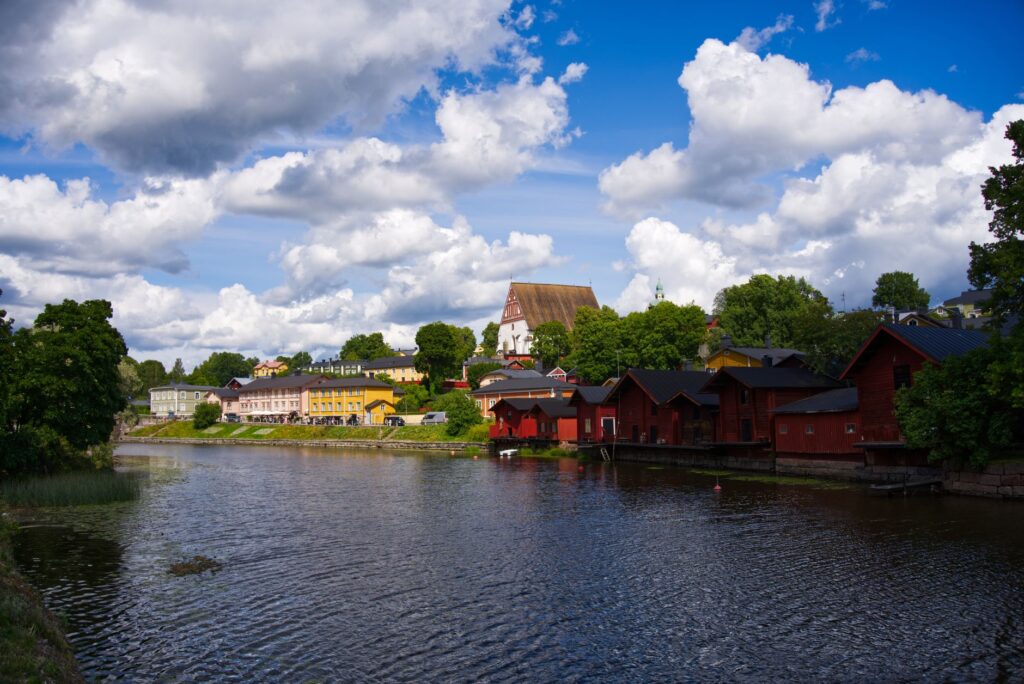
Along the banks of the Porvoonjoki River, the silhouette of Porvoo stands as one of the most eloquent testimonies of history and traditional design in Finland. With a population of approximately fifty-one thousand inhabitants, this municipality in the Uusimaa region harmoniously combines the medieval heritage of its cobblestone streets and iconic red timber storehouses with a contemporary dynamic centered on sustainability and community life.
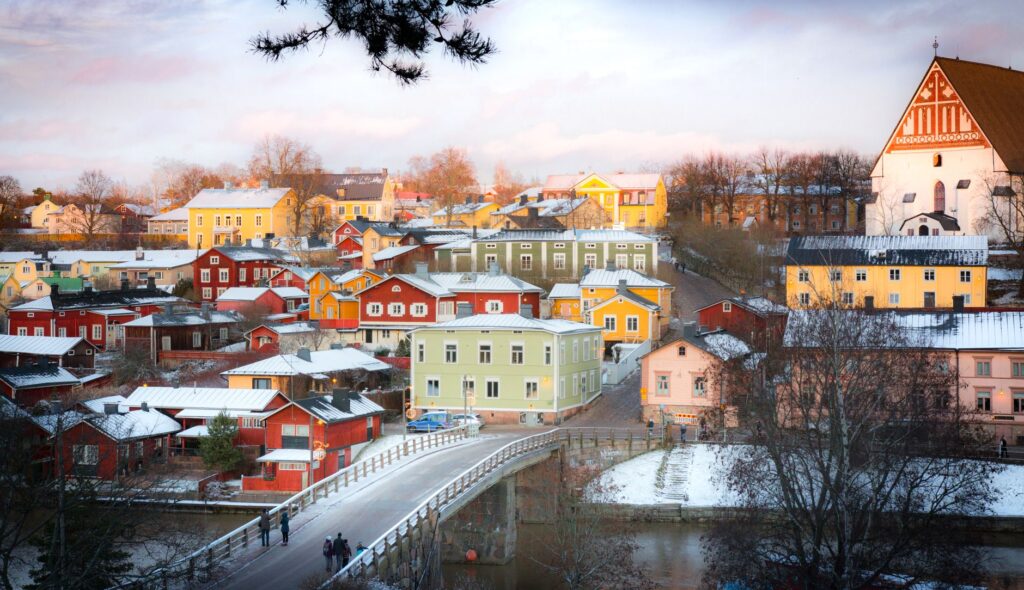
The urban layout of its old town, historically known as Borgå, responds to a fluvial settlement logic where each facade narrates centuries of commerce, navigation, and adaptation to the Nordic climate. Far from being a mere museum set, the town maintains a vibrant daily life where design workshops, small bookstores, and artisan cafes occupy the very structures that housed merchants centuries ago.
Respect for human scale defines the experience of walking through its alleys. Urban planning regulations and civic awareness have zealously protected the architectural integrity of the old quarter, preventing the intrusion of large blocks that would alter the visual profile seen from the opposite riverbank. This landscape continuity constitutes a premier cultural asset, valued equally by permanent residents and travelers seeking a unhurried approach to Northern Europe.
Every corner of the historic center invites observers to notice how municipal development has prioritized the conservation of historic volumes. The preservation of these spatial proportions ensures that the dialogue between past construction techniques and contemporary urban living remains uninterrupted.
Materiality and Color as Markers of Identity
The characteristic red ochre tone of the riverside sheds is not the result of aesthetic chance, but of a pictorial tradition linked to preserving wood against the harshness of winter. This chromatic choice unifies the built landscape and establishes a constant dialogue with the dark waters of the river and the changing skies of the Scandinavian peninsula. Each plank, carefully assembled using carpentry techniques passed down through generations, evidences a philosophy where durability and aesthetics go hand in hand.
Inside homes and public spaces, Finnish design manifests in a preference for natural light, noble materials, and functionality stripped of artifice. Local artisans continue to work with ceramics, glass, and textiles using an approach that prioritizes timelessness over the fleeting nature of commercial trends. Craftsmanship in Porvoo does not seek exoticism, but excellence in the everyday object, the kind used in daily tasks that holds the collective memory of the workshop.
This commitment to honest materiality also permeates local commerce. Neighborhood markets and specialized stores offer products whose traceability is transparent, allowing visitors to understand the origin of each piece. The local economy is thus sustained by a network of small creators who view design as a tool for social cohesion and cultural preservation.
The tactile quality of the materials selected for both restoration and new construction reflects an enduring local philosophy. Wood, stone, and iron are treated with methods that respect their inherent properties, ensuring that aging processes add character rather than deterioration to the townscape.
Life in the Squares and the Rhythm of the Community
The market square, located in the heart of the town, acts as the agora where the seasonal rhythms of its inhabitants converge. During the warmer months, stalls featuring wild berries, root vegetables, and wildflowers transform the space into an intergenerational meeting point. With the arrival of winter and the first snowfalls, the environment acquires a reflective stillness that invites gathering in indoor spaces illuminated by warm, Scandinavian-designed lamps.
Neighborhood coexistence is sustained by implicit codes of mutual respect and civility. Public spaces are designed for shared use, prioritizing pedestrians and cyclists over motor vehicles in the approaches to the historic center. This priority granted to soft mobility fosters an unhurried stroll, conducive to observing architectural details such as carved lintels, wooden shutters, and interior courtyards where small gardens resist the boreal chill.
Cultural institutions and municipal libraries complement this network of socialization spaces. Far from being mere bibliographic storage centers, they function as civic laboratories hosting contemporary art exhibitions, traditional craft workshops, and open debates on the municipality’s urban future.
The active participation of residents in community events reinforces a strong sense of place. Seasonal gatherings and local celebrations serve to transmit oral histories and traditional skills to younger generations, ensuring that cultural continuity remains vibrant and participatory.
Natural Heritage as an Extension of the Home
Porvoo’s geographical surroundings are characterized by lush coniferous forests and gentle hills sloping down toward the archipelago of the Gulf of Finland. For the local citizenry, the forest is not a distant resource or an exclusive weekend destination, but a direct extension of living space. The concept of nature as an accessible common good translates into a network of marked trails allowing visitors to explore the coast and river valleys without disturbing the fragile ecological balance.
Respectful interaction with the environment is reflected in municipal management practices aimed at energy efficiency and the protection of ecological corridors. Modern buildings incorporate bioconstructive criteria that converse with historical timber traditions, demonstrating that technological innovation and the care of landscape heritage are perfectly compatible.
During seasonal transitions, especially in the boreal autumn, the surrounding forests offer a chromatic palette of ochres and golds that attracts photographers and naturalists. Contemplation of the natural landscape forms an inseparable part of the aesthetic and emotional education of those who inhabit these latitudes, cultivating a particular sensitivity toward biological cycles and biodiversity conservation.
Water management and the protection of local aquatic ecosystems also play a central role in maintaining environmental health. Collaborative initiatives between municipal authorities and local communities ensure that the riverbanks remain clean and accessible for recreational and ecological purposes alike.
Responsible Practices for a Mindful Visit
Sustainable tourism in Porvoo is founded on the premise of minimizing ecological footprints and maximizing cultural understanding. Visitors are invited to adopt a receptive attitude, prioritizing public transportation from neighboring Helsinki, bicycle rentals for local travel, and the consumption of seasonal products in municipal restaurants.
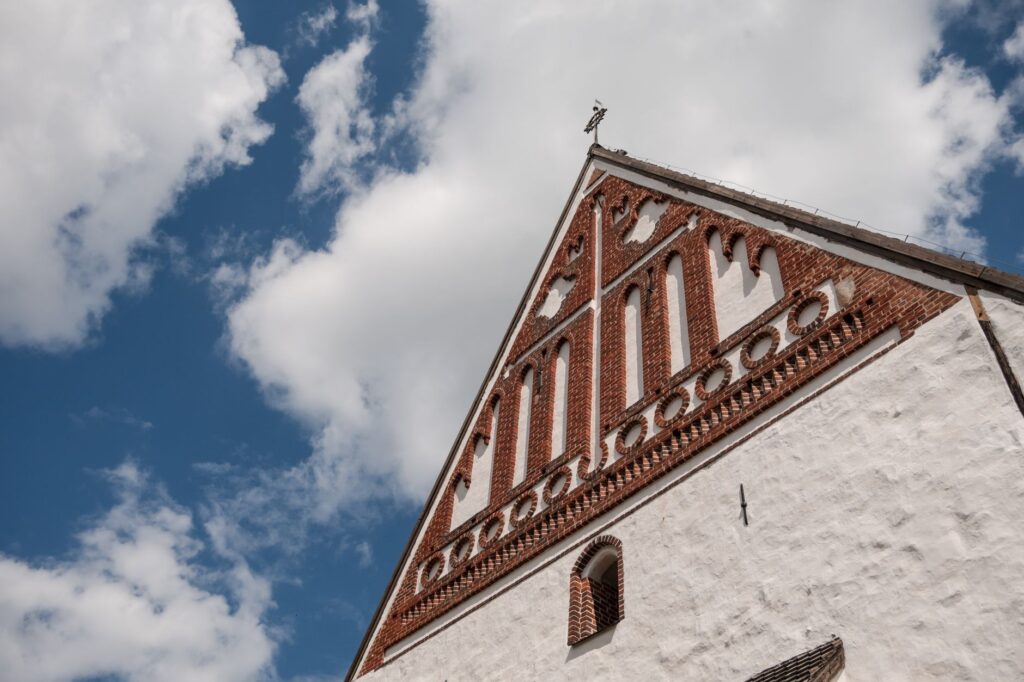
Exploring the historic center on foot is strongly recommended, respecting the privacy of private homes and supporting the independent businesses that sustain the local economy. Respect for the silence and tranquility of residential areas is an unwritten rule that helps maintain the quality of life for the host community.
Likewise, participating in guided tours led by local experts provides access to a deep reading of urban history, far beyond the mere tourist postcard. These educational initiatives promote the valorization of intangible heritage, including culinary traditions, artisan pastry-making, and civic festivities marking the annual calendar.
Mindful travelers also contribute by adhering strictly to waste reduction guidelines and supporting businesses that utilize renewable energy sources. This shared responsibility ensures that the unique architectural and natural features of the region are preserved for future generations.
Practical guide
How to get there: Porvoo is located approximately fifty kilometers east of Helsinki. Regular bus connections operated by various companies run from the Finnish capital’s central station, taking about one hour per journey.
When to go: Summer months (June to August) offer extended daylight hours and intense outdoor cultural activity. Winter (November to February) provides snowy landscapes and an intimate atmosphere, ideal for rest and urban photography.
Where to stay: The municipality features small boutique hotels housed in restored historic buildings, as well as rental apartments managed under sustainability and energy-efficiency criteria.
Recommended gastronomy: Local products highlight Baltic fish, wild berries such as lingonberries, and traditional artisan pastries, particularly the spiced cookies originating from the region.
Urban mobility: The historic center is designed exclusively for pedestrian transit. To explore natural surroundings, bicycles or the network of pedestrian trails maintained by local authorities are recommended.
Coexistence rules: Maintaining a moderate voice tone in residential public spaces and respecting guidelines regarding the protection of architectural and natural heritage is essential.
Silences That Endure in Northern Memory
As evening falls, the golden light of the Nordic sun bathes the gabled roofs and reflects softly on the calm waters of the Porvoonjoki River. In that moment of stillness, the town reveals its true essence: a sanctuary where timber architecture, conscious design, and respect for collective memory continue to set the rhythm of daily life, proving that true luxury lies in authenticity and stopped time.