
A Mountain Enclave in the Heart of Cartago Province
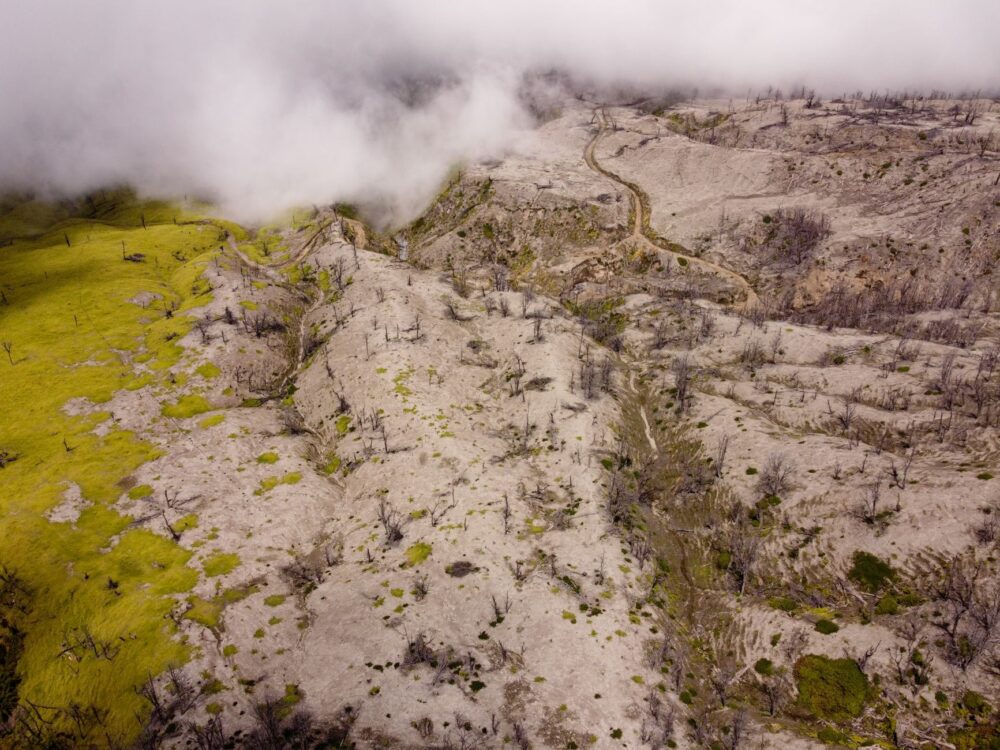
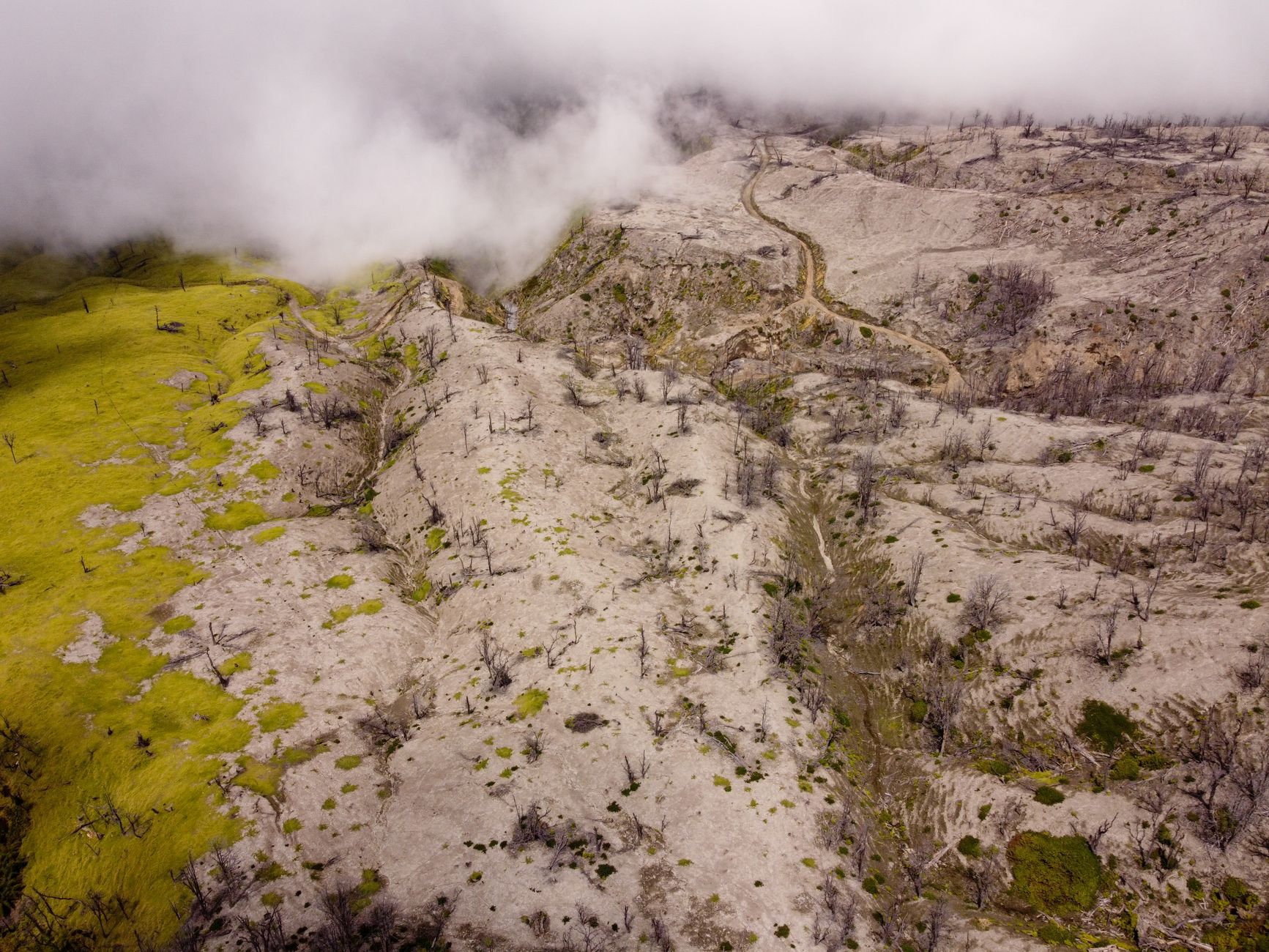
Nestled in the high ground of Costa Rica’s central valley, the canton of Paraíso rises more than thirteen hundred meters above sea level within the province of Cartago. This mountainous territory, defined by an elevation that moderates tropical temperatures, offers a landscape where rugged topography directly dialogues with the country’s agricultural history. Far from metropolitan hustle, daily life in this municipality of nearly forty thousand residents moves at a measured pace, conditioned by crisp mornings and afternoons wrapped in the mist characteristic of the volcanic foothills surrounding the region.
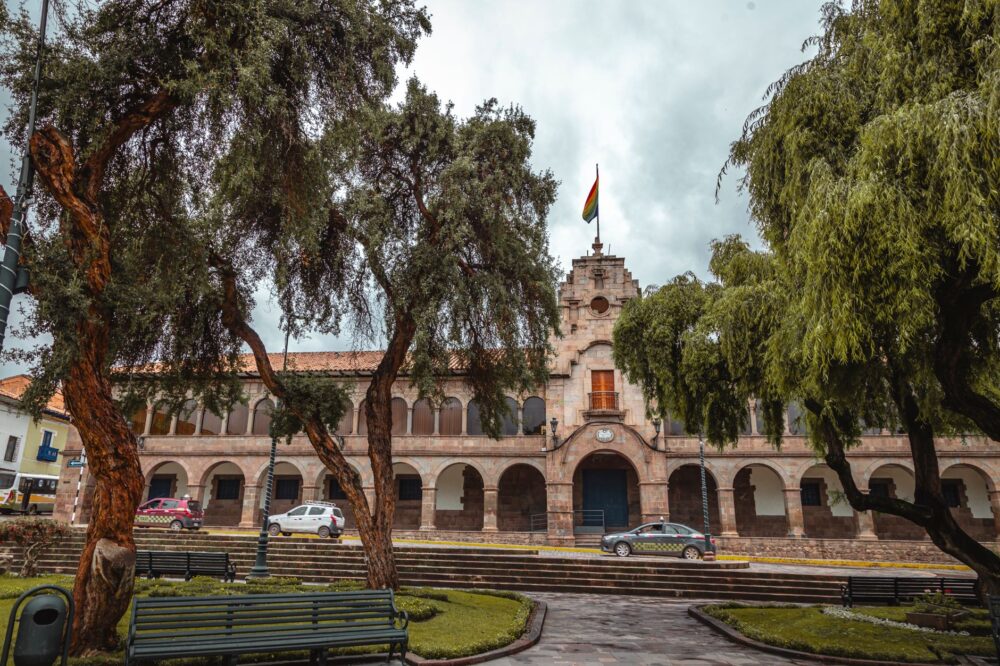
The urban and rural layout of Paraíso reflects a balanced coexistence between colonial heritage and the needs of a contemporary community that values its roots. Streets and neighborhood pathways connect small districts where local commerce, tree-lined squares, and schools form a cohesive social fabric. Unlike mass-market tourist enclaves, the focus here rests on the authenticity of everyday routines, where residents maintain traditions rooted in tilling the soil and respecting the water and forest resources that abound within their jurisdiction.
The Geography of Water and Natural Viewpoints
The geographical location of Paraíso is deeply shaped by its proximity to major watersheds and reservoirs that supply a significant portion of the national territory. This abundant water not only defines the intense green landscape dominating the horizon but also establishes a direct relationship between inhabitants and river ecosystems. Trails descending toward rivers and streams reveal lush vegetation, where ferns, bromeliads, and native trees thrive thanks to constant humidity and rich volcanic soils.
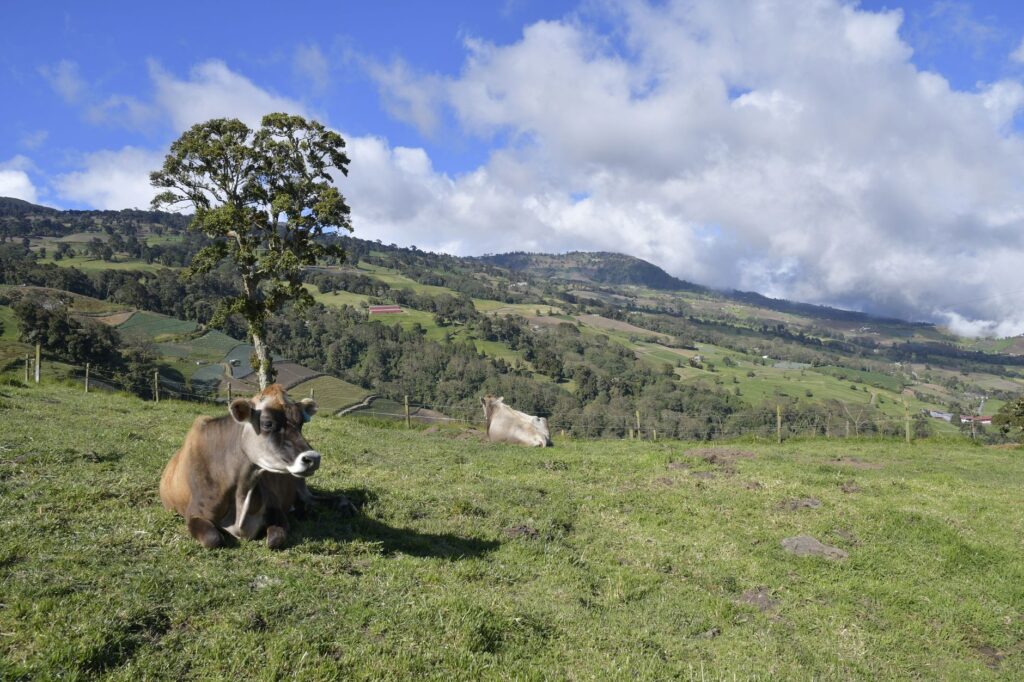
From various elevated points across the canton, natural viewpoints offer exceptional panoramas toward the valley and the geological depressions shaping the relief of Cartago. These public spaces act as gathering points for locals and visitors seeking to understand the territorial scale of the area. The contemplation of the landscape thus becomes a daily activity, a constant reminder of the fragility and beauty of a natural environment requiring rigorous conservation practices shared by the entire community.
Sustainable Mobility and Local Transport in the Canton Layout
Getting around Paraíso and its districts requires understanding a transport system adapted to mountainous geography and a road network prioritizing neighborhood connectivity. Local buses and public transport services form the backbone of daily mobility, linking residential hubs with the administrative center and the neighboring city of Cartago. This network enables students, workers, and merchants to complete their daily commutes without relying exclusively on private vehicles, promoting a lower ecological footprint across the territory.
For those wishing to explore rural landscapes at a slower pace, walking and cycling have established themselves as viable alternatives along gentler slopes. Local authorities and community associations have promoted initiatives to mark pedestrian routes that respect private farm boundaries and watercourses, ensuring that the movement of passersby does not disrupt local ecosystems or interfere with traditional agricultural labor sustaining the area’s economy.
The Central Market and the Flavors of the Earth
The commercial heart of Paraíso beats strongly in its municipal market and street stalls selling produce harvested on the slopes of the surrounding mountains. Fresh vegetables, root crops, legumes, and a wide variety of tropical fruits arrive daily at the stalls, reflecting the fertility of Cartago’s soils. This exchange space is not merely a supply hub, but a neuralgic point of socialization where traditional recipes and knowledge passed down through generations are preserved.
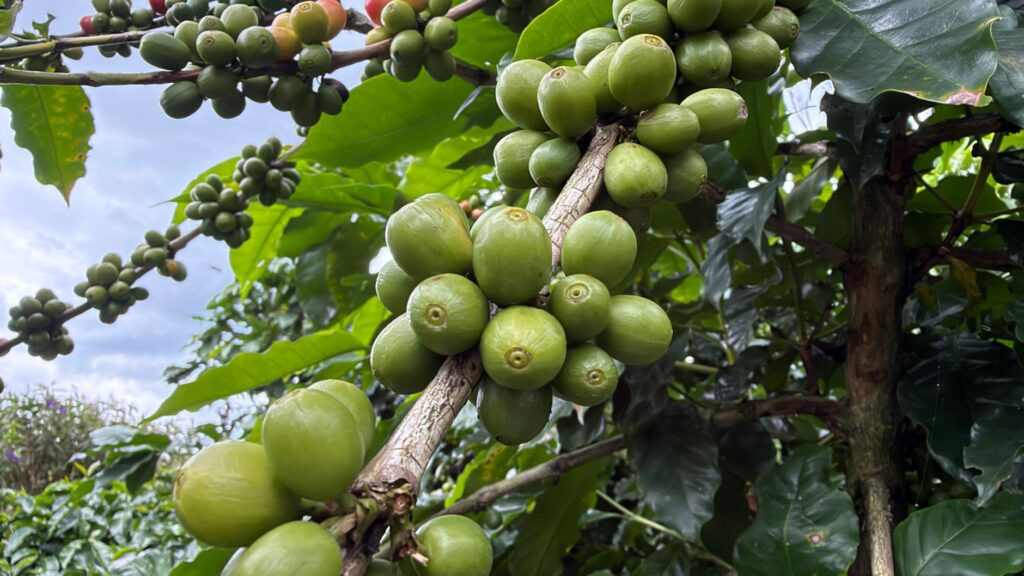
Local gastronomy relies on simple yet high-quality ingredients, where corn, beans, artisanal dairy, and high-grown coffee occupy a privileged place. Traditional sodas—small family-run eateries—offer homemade dishes crafted from zero-kilometer produce, guaranteeing an authentic and sustainable culinary experience.
The true flavor of Paraíso lies in the honesty of its preparations, where every ingredient tells the story of peasant labor and the temperate climate that nurtured it.
This direct link between table and farmer reinforces the canton’s food sovereignty and pride in a community valuing its own heritage over global standardization.
Heritage Architecture and Refuges of Collective Memory
The architectural heritage of Paraíso narrates the evolution of a community that has successfully preserved landmark buildings despite the seismic challenges inherent to Central America. Traditional wooden homes with wide eaves, houses with front corridors, and Catholic churches built with traditional masonry techniques form a recognizable urban landscape. These constructions not only possess aesthetic value but act as silent witnesses to the social and economic dynamics shaping the municipality throughout the nineteenth and twentieth centuries.
The care of this architectural legacy relies on both public institutions and the commitment of private owners who maintain the facades and entryways characteristic of the area. Strolling through historic neighborhoods reveals carpentry and ironwork details displaying the mastery of ancient local artisans. Preserving these urban spaces is fundamental to maintaining the visual identity of the canton against the pressures of contemporary demographic growth and disorderly real estate expansion.
Responsible Community Relations and Conscious Tourism
Tourism development in Paraíso leans toward low-impact models, where travelers assume an active role in respecting codes of conduct and local customs. Community rural tourism initiatives allow visitors to stay in small family ventures, participate in sustainable farming workshops, and learn firsthand about reforestation projects promoted by local organizations. This approach ensures that economic benefits from tourism remain within the community and directly contribute to the wellbeing of its residents.
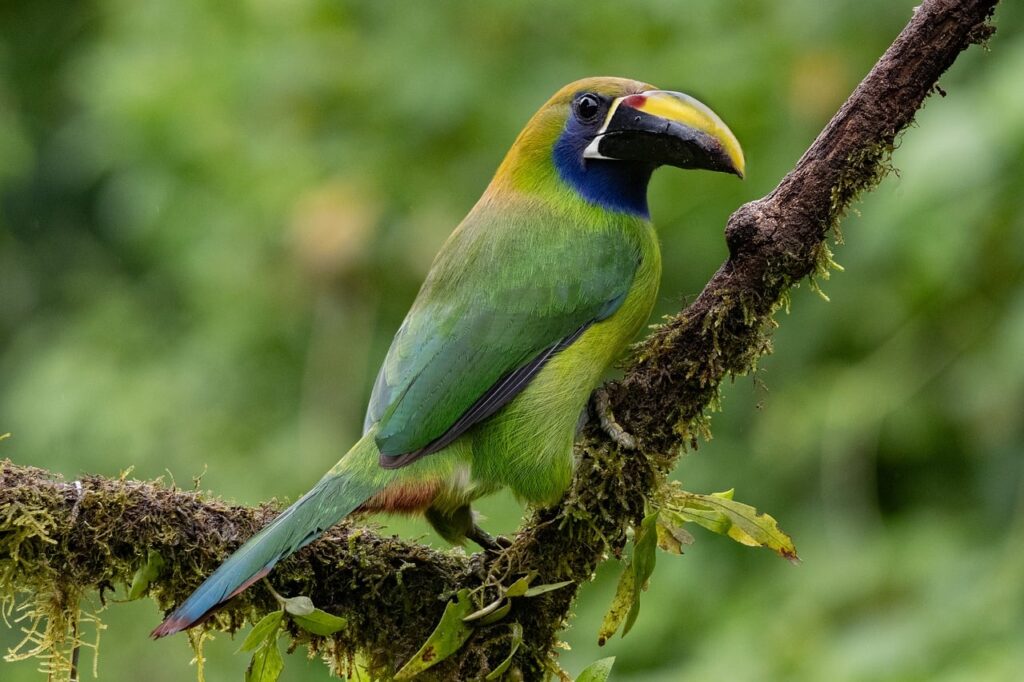
Furthermore, environmental education taught in schools and civic centers fosters critical awareness among younger generations regarding waste management and biodiversity protection. Birdwatching workshops and guided tours led by local experts demonstrate that enjoying natural heritage without degrading it is entirely possible.
Tourism in these latitudes must be understood as a dialogue of mutual respect, where the visitor is a temporary guest who learns to observe before passing judgment.
This philosophy ensures the preservation of the environment for future generations of paraiseños.
Practical guide
How to get there: From San José, the capital of Costa Rica, travelers can take a direct bus to Cartago and transfer via a short bus or taxi ride to Paraíso. By private vehicle, the journey takes approximately one hour via the Pan-American Highway and the route toward Paraíso, depending on morning traffic.
When to go: The region enjoys a temperate climate year-round. The dry season, running from December to April, facilitates outdoor walks and the exploration of rural trails, while the green season (May to November) showcases the landscape at its botanical peak.
Local transport: Interurban bus services efficiently connect the various districts and hamlets. To navigate less-traveled rural roads, hiring authorized local transport services or arranging guided walks is recommended.

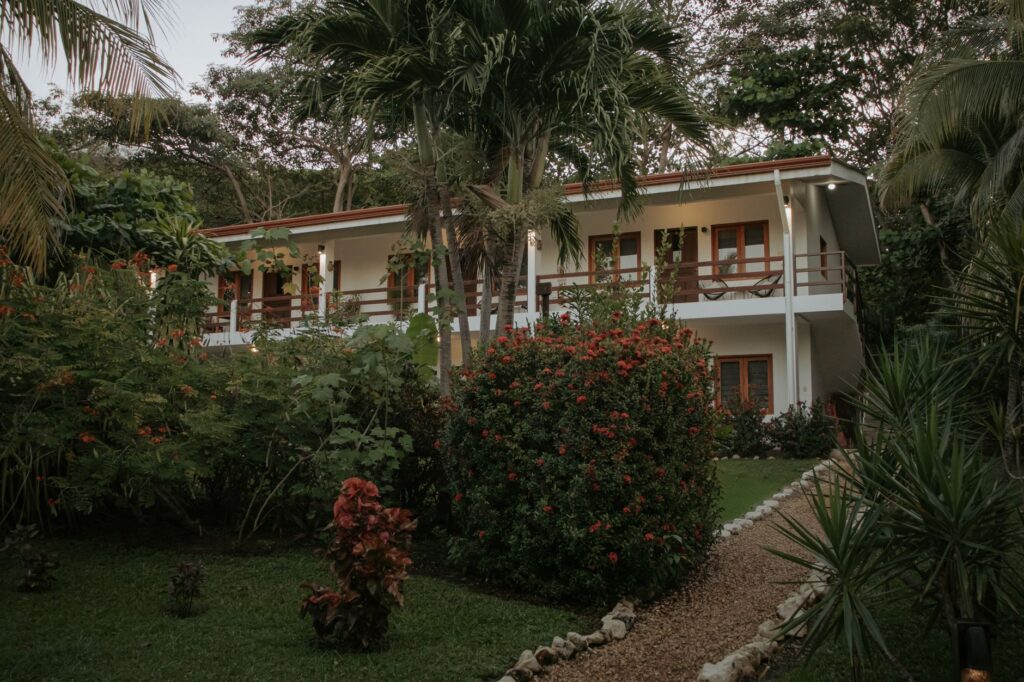
Accommodation: Small family hotels, rural cabins, and community-run homestay initiatives integrated into local tourism networks predominate around the canton.
The Serene Horizon of the Cartago Highlands
As evening falls, when the last rays of sunlight illuminate the mountain ridges wrapping the valley, Paraíso reclaims the quiet silence defining its most intimate essence. The dim lights of homes begin to flick on across the slopes, sketching a human map that dialogues in harmony with the vastness of the surrounding nature. This fragile yet resilient balance between human activity and respect for the territory turns the canton into a living reminder that pausing and paying attention to detail remain possible in the contemporary world. Journeying along its paths is an acceptance of an invitation to look calmly, valuing the daily effort of those who have made these highlands their permanent home.