
Origins and Geography of an Atlantic Enclave
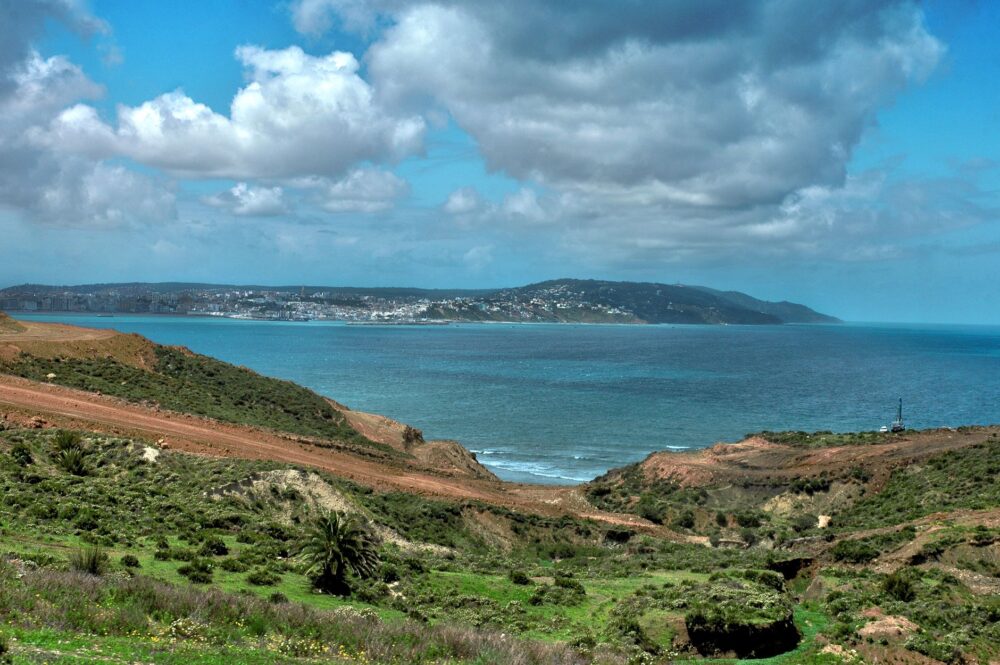
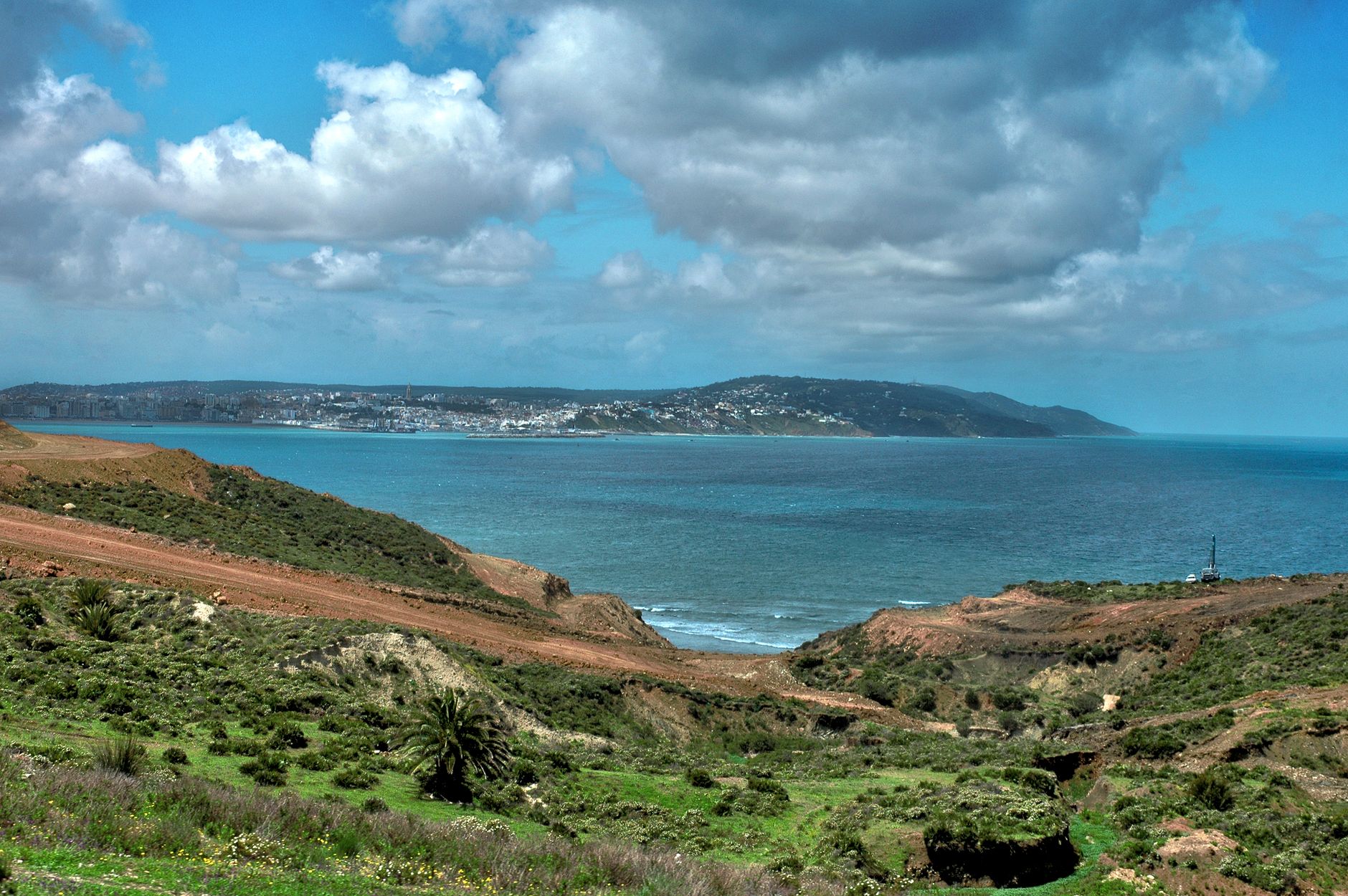
Located within the Casablanca-Settat region, the Moroccan locality of Dar Bouazza unfolds along a coastal strip defined by the constant influence of the Atlantic Ocean. With a population exceeding one hundred and sixty thousand residents, this settlement has evolved from its rural and seafaring roots into a point of convergence between coastal tradition and metropolitan expansion. The geography of the area is characterized by low cliffs, wide sandy stretches beaten by the wind, and a surrounding plain that has historically sustained subsistence agricultural activities.
The urban layout and neighborhood clusters reflect a gradual transformation where older, low-rise buildings coexist with newer residential initiatives. Unlike the industrial bustle of neighboring large urban centers, this corner of the coastline maintains its own cadence, oriented toward the sea and paced by the rhythm of the tides. Trade winds and marine humidity shape both local architecture and the character of its inhabitants, who have preserved customs rooted in artisanal fishing and neighborhood commerce.
Daily Life Among Squares and Alleys
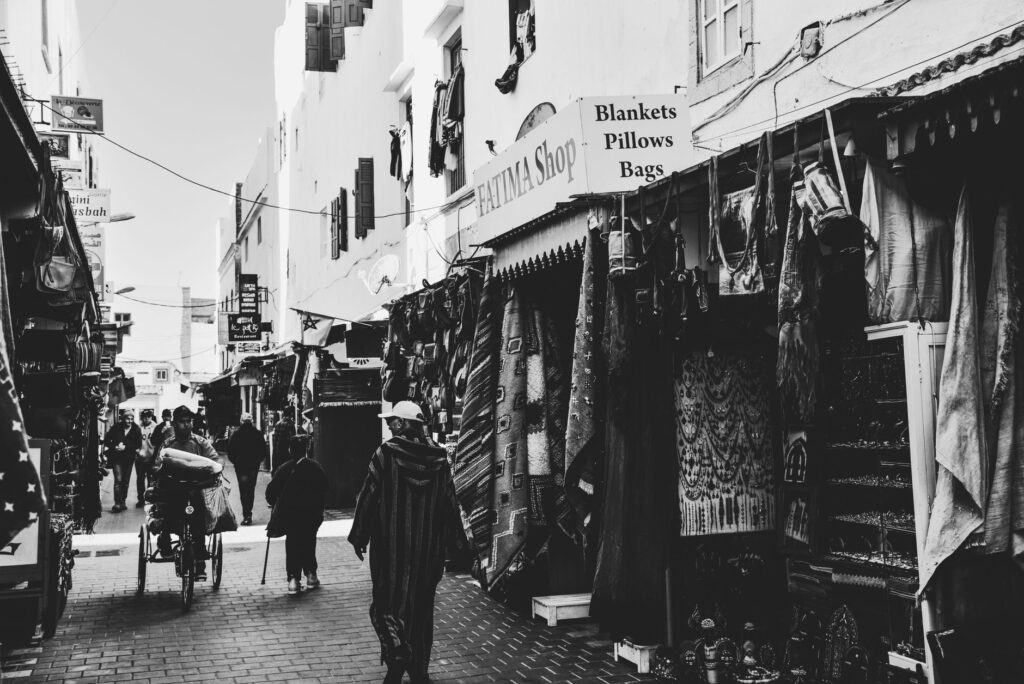
The daily pulse of Dar Bouazza is most clearly experienced in its public spaces and local markets, where fresh products from the sea and the nearby land dictate morning activity. Local fishermen return to the shore with the first light of day, a ritual that repeats uninterrupted and supplies small stalls where transactions take place directly without intermediaries. This everyday commerce fosters a strong sense of community, sustained by mutual trust and the oral transmission of culinary and artisanal knowledge.
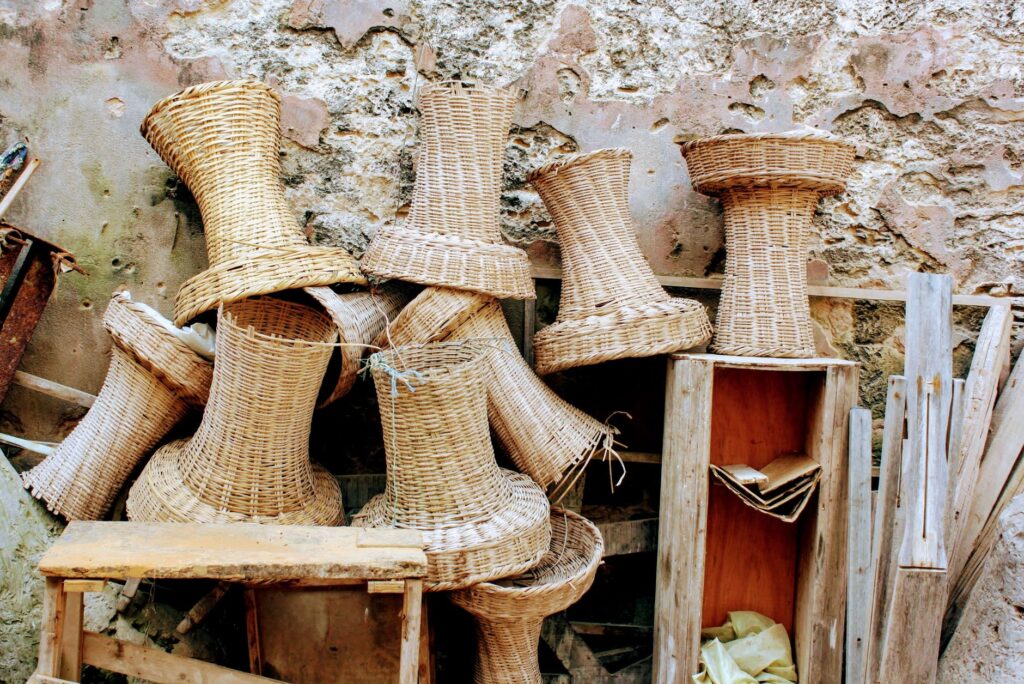
The interior streets, with their organic layout, reveal the coexistence of families with long-standing traditions in the area and new residents attracted by the relative tranquility of the surroundings. In these spaces, local artisan workshops continue to craft utensils and decorative elements using traditional raw materials such as wood, clay, and plant fibers. Community life unfolds at a leisurely pace, where traditional Moroccan hospitality is expressed through daily greetings and the unhurried exchange of local news in neighborhood cafes.
Architectural Heritage and Surrounding Materials
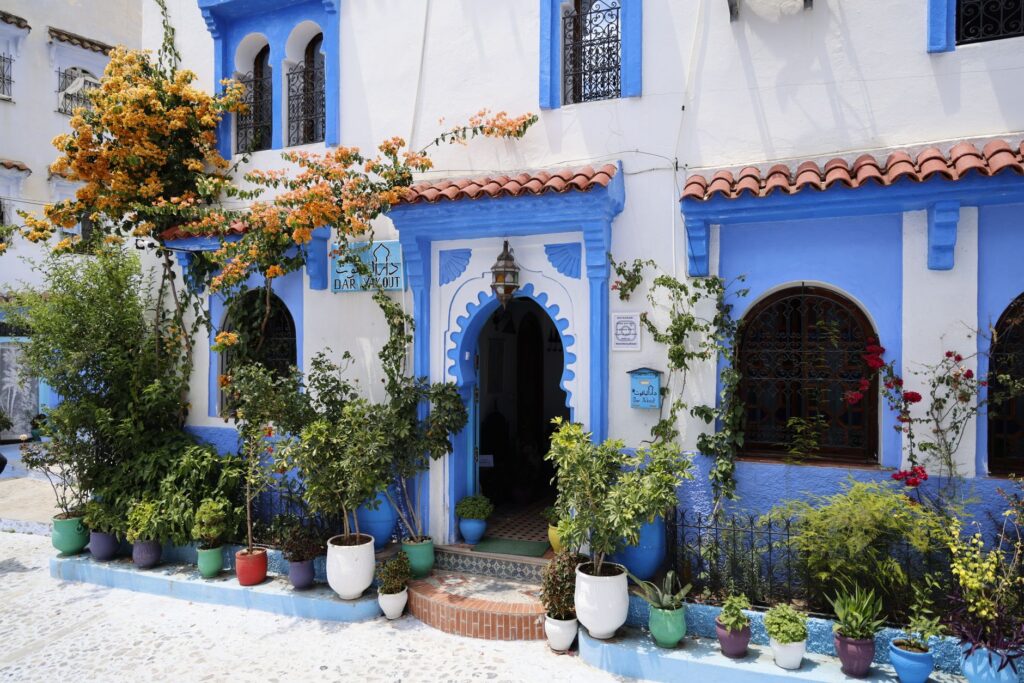
The vernacular architecture of Dar Bouazza responds directly to the demands of the Atlantic climate. Traditional constructions employ thick walls of masonry and lime, designed to withstand the salinity and constant humidity of the marine environment. Interior patios and small terraces fulfill an essential bioclimatic function, allowing cross-ventilation and offering refuge from the intensity of the summer sun. These construction elements demonstrate wisdom accumulated over generations for inhabiting a demanding environment.
In recent decades, real estate development has introduced new architectural languages, creating a visible contrast between traditional single-story structures and modern residential complexes. Nevertheless, the essential elements of local identity persist in the details: thresholds painted in oxblood tones, solid wood doors, and small walled gardens that protect native vegetation—such as prickly pears and salt-resistant shrubs—from the coastal wind.
The Role of the Ocean in Subsistence and Leisure
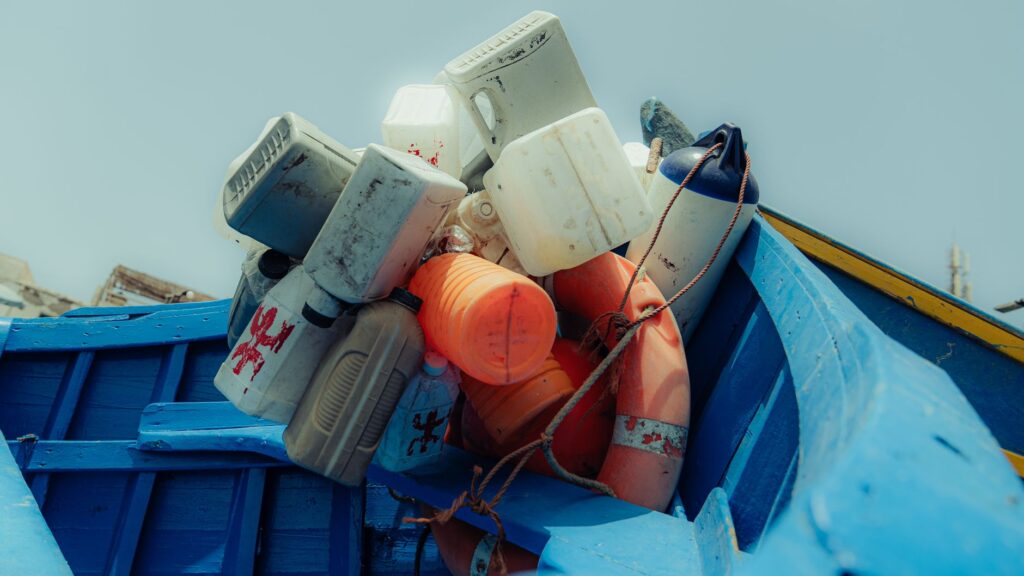
To understand the identity of Dar Bouazza, it is essential to observe the symbiotic relationship that its inhabitants maintain with the Atlantic Ocean. Beyond its scenic value, the sea represents a fundamental source of economic and food resources. Coastal fishing techniques, passed down from parents to children, adapt to seasonal cycles and variations in marine currents, ensuring sustainable exploitation of local species without depleting nearby fishing grounds.
Likewise, the coastal strip fulfills a highly relevant social and recreational function for both the local population and visitors to the region. During weekends, the beaches become intergenerational meeting points where outdoor sports are practiced and the marine landscape is enjoyed. This constant interaction with the natural environment reinforces environmental awareness among residents, who actively participate in community clean-up initiatives and beach preservation efforts against urban pressure.
Seafood Gastronomy and Local Pantry
The cuisine of Dar Bouazza is a faithful reflection of its geographic location, combining seafood with the traditional ingredients of the Casablanca-Settat plain. In modest restaurants located along the coastal highway and in private homes, the fresh catch of the day—such as sea bream, white seabream, and various mollusks—is prepared with simple recipes that highlight the natural flavor of the product using olive oil, garlic, cumin, and local lemons.
Food markets complement this offering with vegetables grown in peri-urban gardens, grains, and spices arriving from interior markets. Freshly baked bread from traditional neighborhood wood-fired ovens accompanies every meal, consolidating a recipe book where simplicity and the quality of the raw material are common denominators. This gastronomic culture prioritizes seasonality, rejecting artificial ingredients and keeping alive the culinary memory of the Moroccan Atlantic coast.
Sustainability and Responsible Visitor Choices
The increase in visitors seeking to escape the bustle of Casablanca has raised new challenges regarding environmental management and the conservation of local heritage. For those who choose this destination, adopting responsible travel practices is essential to minimize ecological impact and support the economy of the host community. This involves prioritizing purchases in small local shops, respecting beach conservation regulations, and valuing native culture without altering it.
Respect for the local pace and conscious consumption are the best tools to ensure that the coastal identity remains intact in the face of mass tourism.
Local authorities and various civil associations promote awareness campaigns on efficient water use and waste management, critical aspects in a rapidly growing coastal zone. The conscious traveler must stay informed about these guidelines, utilizing public or shared transportation when possible and displaying a respectful attitude in community spaces, thus contributing to a lasting balance between development and tradition.
Community Practices and Associative Fabric
The social fabric of Dar Bouazza is largely sustained by the work of local associations and cooperatives that drive cultural, educational, and support projects for vulnerable sectors. These initiatives strengthen neighborhood cohesion and offer spaces for youth participation, integrating the historical memory of the place with the demands of the present. Community workshops and free cultural activities act as catalysts to keep traditional artistic and artisanal expressions alive.
The active participation of residents in community decision-making ensures that urban growth does not completely devour the identity of the place. Through neighborhood meetings and community committees, priority issues such as the improvement of green spaces, accessibility to basic services, and the protection of minor architectural heritage are discussed. This civic commitment demonstrates that the future of the locality is built from the ground up, valuing the voice of those who inhabit the territory permanently.
Practical Guide
How to get there: Dar Bouazza is located a short distance southwest of Casablanca, accessible primarily via shared taxis (grands taxis), intercity buses, or private vehicles along the coastal highway.
When to travel: Spring months (March to May) and autumn (September to November) offer mild temperatures ideal for exploring the area on foot and enjoying the beaches without crowds.
Recommended gastronomy: Taste fresh fish at the stalls and small restaurants along the seafront promenade, accompanied by traditional bread and seasonal vegetable salads.
Accommodation: Family-run guesthouses, vacation rental apartments, and a few boutique hotels oriented toward wellness and relaxation tourism predominate.
Etiquette tips: Dress modestly when walking through residential areas and traditional markets, greet in Arabic or French depending on the occasion, and ask permission before photographing individuals or private property.
Final Reflection on the Atlantic Horizon
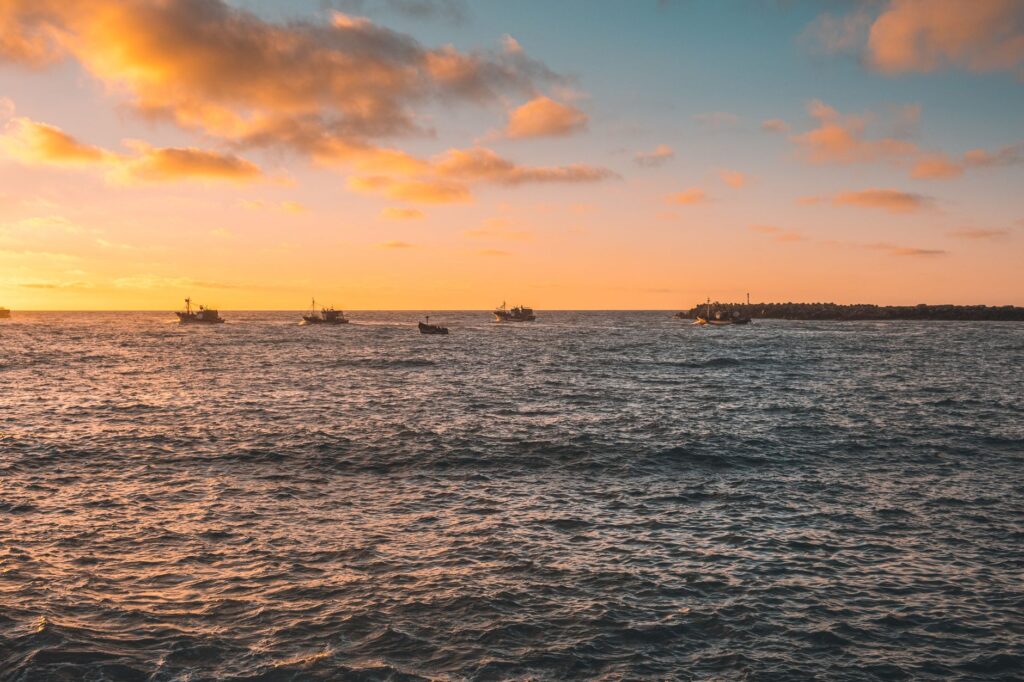
Contemplating the sunset over the Atlantic waters from the coast of Dar Bouazza invites a reflective pause on the value of places where modernity still respectfully negotiates with tradition. This Moroccan corner, removed from major mass tourism routes, preserves a fragile yet resilient balance sustained by the daily effort of its inhabitants and the persistence of its natural heritage. In every corner of its streets and in every wave breaking against its cliffs, an anonymous story of attachment to land and sea is written, reminding the traveler that true discovery lies in attentive observation and respect for the world’s genuine rhythms.