
The Green Geography Where Northern Roads Converge
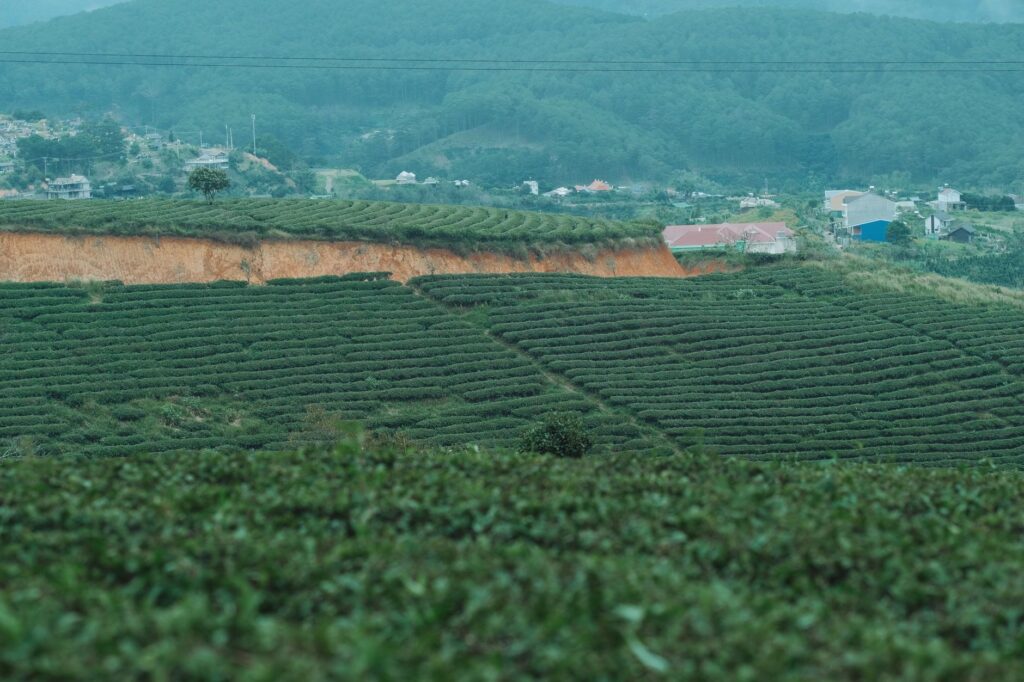
In the heart of northern Vietnam, Thái Nguyên unfolds a landscape where rolling hills are covered with geometric tea plantations. This mountainous topography, marked by fertile valleys and flowing waterways, has historically determined transit routes and forms of communication between rural communities and urban centers. Unlike the country’s major metropolises, the daily pulse here is measured by the rhythm of provincial buses, two-wheeled vehicles laden with goods, and secondary paths descending from the highlands to the administrative hub.
The territorial organization of the province relies on a complex network of secondary roads and local paths connecting traditional hamlets with agricultural production zones. Daily travel involves both local transporters and farmers carrying their harvests to supply markets. This mobility dynamic not only facilitates commercial exchange but also preserves a social fabric where route knowledge is passed down through generations.
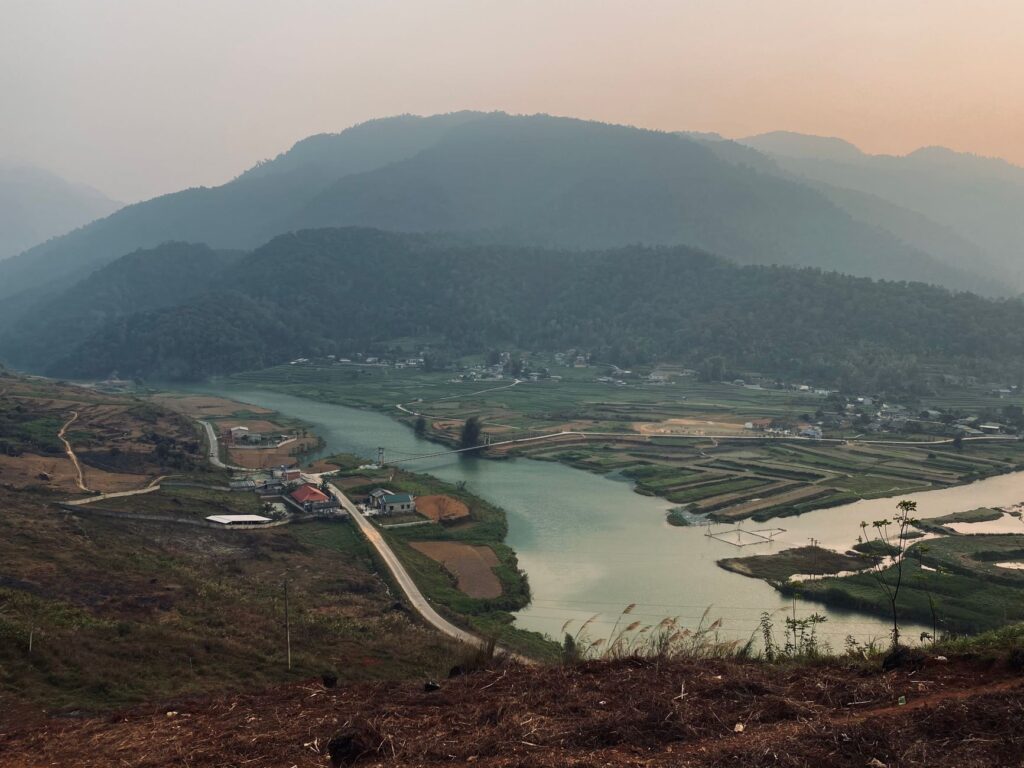
The region’s geographical configuration establishes a direct dialogue between the natural relief and the daily routes taken by its inhabitants. From high-altitude slopes down to the river basins, every track tells a story of adaptation. Small footpaths worn by generations of workers cross dense vegetation, leading to hidden clearings where local varieties of green tea thrive under misty mornings. These trajectories are not merely functional corridors for moving merchandise; they represent a living cultural heritage that anchors the community to its environment.
Furthermore, seasonal variations dictate changes in how people traverse these landscapes. When rains transform dry tracks into muddy paths, alternative routes are adopted through collective understanding, showcasing a resilient local network. Travelers navigating these areas witness firsthand how community cooperation maintains the viability of these secondary connections, ensuring isolation is prevented even in remote sub-districts.
Local Buses and the Pulse of Provincial Mobility
Road transport forms the backbone of connectivity in Thái Nguyên. From the main bus station located in the urban area, daily services connect the city with various rural districts and neighboring provinces. These public transport units operate as social spaces where students, merchants, and residents converge for work or family travel.
Along the main routes, informal stops and meeting points structure waiting times and community coexistence. Departure schedules adapt to the seasonal demands of agricultural markets and weather conditions, especially during the rainy season, when dirt roads require cautious driving. The adaptability of public transport remains essential to ensure that remote communities maintain a constant flow of communication with service centers.
Inside these buses, daily conversations weave a tapestry of local news, market prices, and shared concerns. Passengers load baskets containing fresh produce, farm tools, and textiles, turning each ride into a mobile marketplace. This collective mode of transit minimizes individual carbon footprints while reinforcing social bonds among passengers who travel the same routes week after week.
Bus drivers act as informal local guides, knowing every curve, bridge, and potential hazard along the provincial network. Their experience guarantees safe passage across winding mountain passes and valley floors. For visitors, riding these public vehicles offers an authentic window into daily life in Vietnam, far removed from the standardized experiences of typical tourist transport.
Commerce and Tea Distribution in Local Markets
Thái Nguyên’s economy is deeply linked to tea cultivation and marketing, an activity engaging both small producers and regional distribution networks. Local roads play a decisive role in this process by enabling freshly harvested leaves to move from the hills to artisanal and industrial processing centers in the valleys.
In traditional city markets, the movement of light vehicles and motorbikes defines commercial activity from early morning. Merchants organize their stalls with agricultural goods, handicrafts, and local tea varieties, creating a convergence point where goods transport intertwines with public life. Daily transactions reflect an economy based on community cooperation and sustainable resource use.
The aroma of dried tea leaves fills the air as vendors explain the subtle differences between harvest grades to interested buyers. These markets function as social hubs where older generations share traditional preparation techniques with younger family members. The continuous flow of delivery motorbikes bringing fresh batches throughout the day underscores the vibrant synergy between rural cultivation and urban commerce.
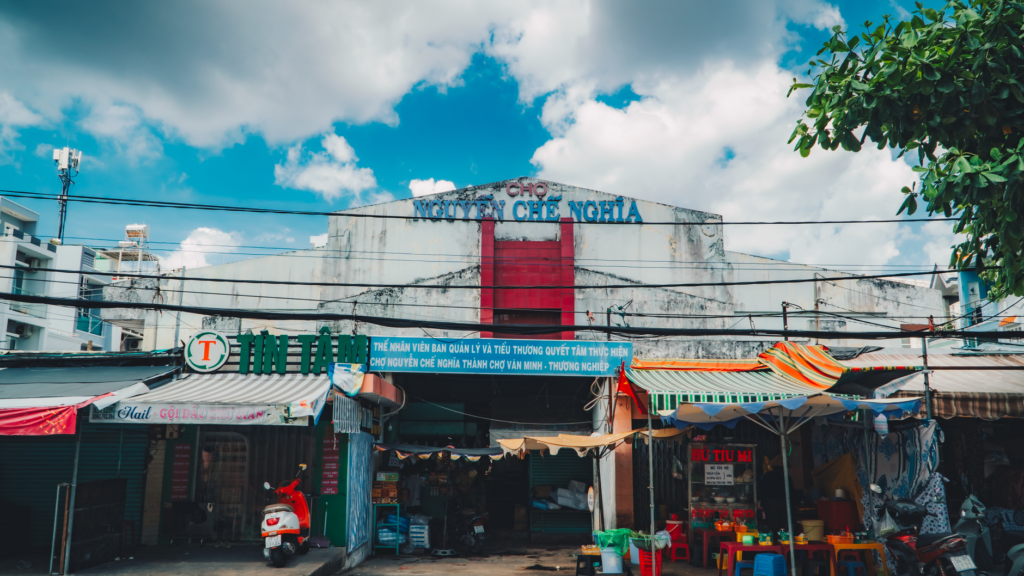
Supporting these local markets through conscious purchasing choices allows visitors to contribute directly to the livelihoods of farming families. By valuing handcrafted processing methods over mass-produced alternatives, consumers help preserve centuries-old agricultural traditions that define the unique identity of this northern Vietnamese province.
Architectural Heritage and Urban Transit Spaces
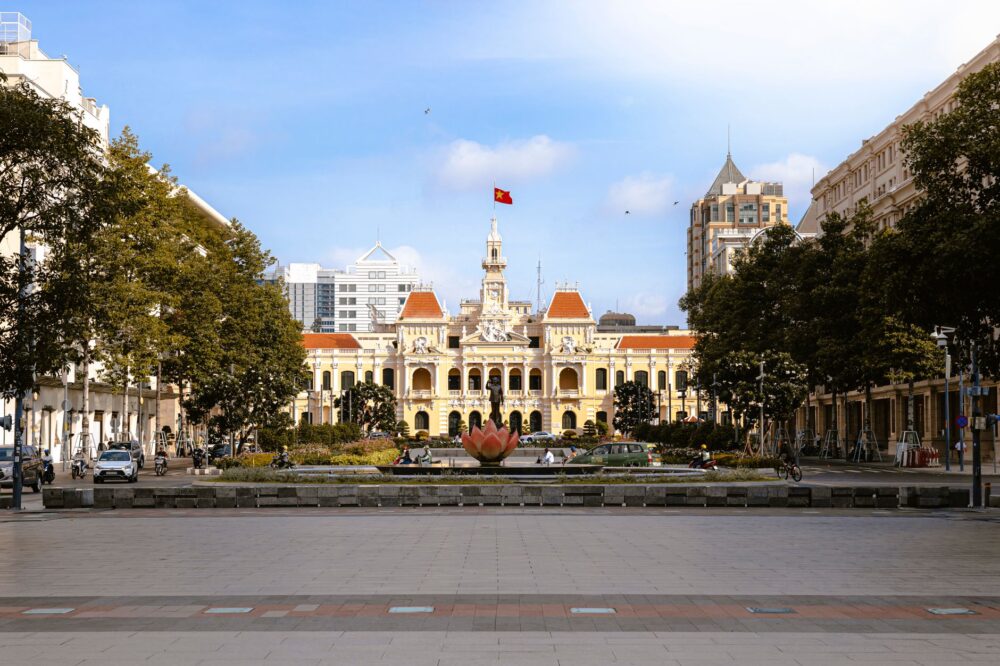
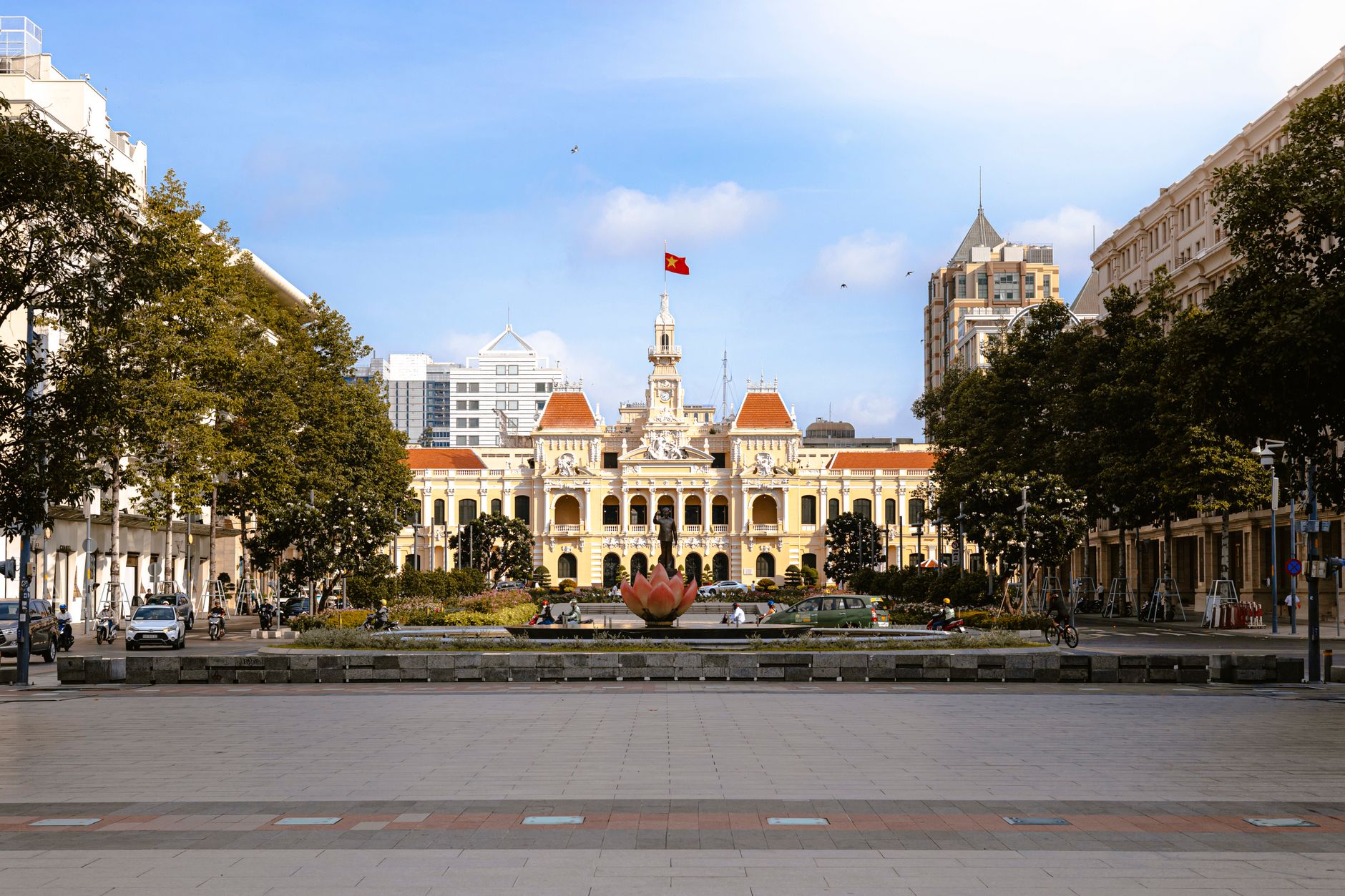
The urban development of Thái Nguyên reflects the transition between traditional administrative structures and the modernization of its communication routes. Avenues crossing the city center are flanked by low-rise buildings, local shops, and public spaces where pedestrians and road traffic meet. Civil architecture integrates functional elements designed to facilitate commercial access and daily mobility.
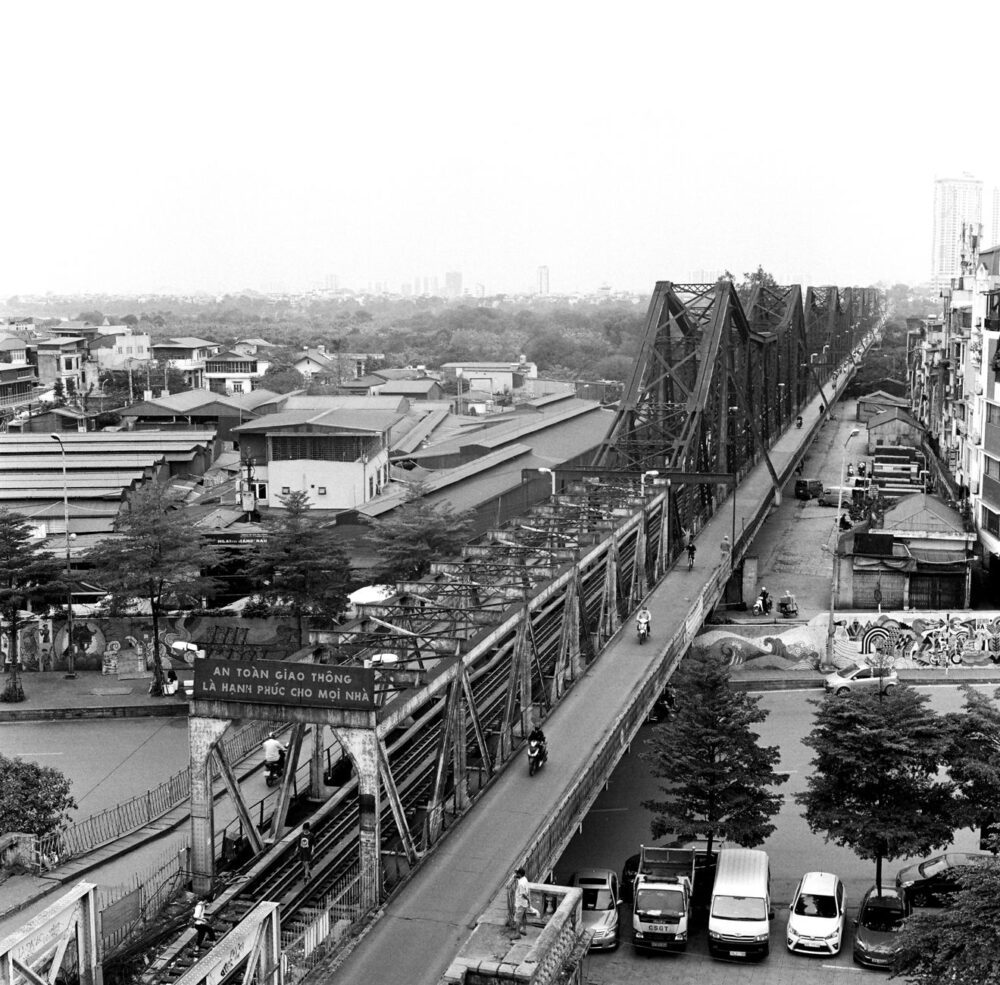
Bridges crossing local rivers act as indispensable links between different neighborhoods and the roads leading toward mountainous areas. These crossing points support vehicular flow while serving as natural viewpoints to observe river life and pedestrian movement. The integration of these infrastructures into the urban landscape maintains cohesion among different city sectors without altering its human scale.
Traditional houses with tiled roofs stand alongside more contemporary utility buildings, creating a visual mosaic of architectural evolution. Public plazas provide gathering spaces where families spend late afternoons resting beneath shade trees, observing the steady stream of cyclists and pedestrians moving along the sidewalks.
This careful balance between modern transit efficiency and preservation of historical street layouts ensures that the city retains its distinct character. Urban planners and local authorities continually work to harmonize infrastructural upgrades with the preservation of cultural landmarks, ensuring that growth respects the foundational heritage of the community.
Daily Life Around Crossings and Pathways
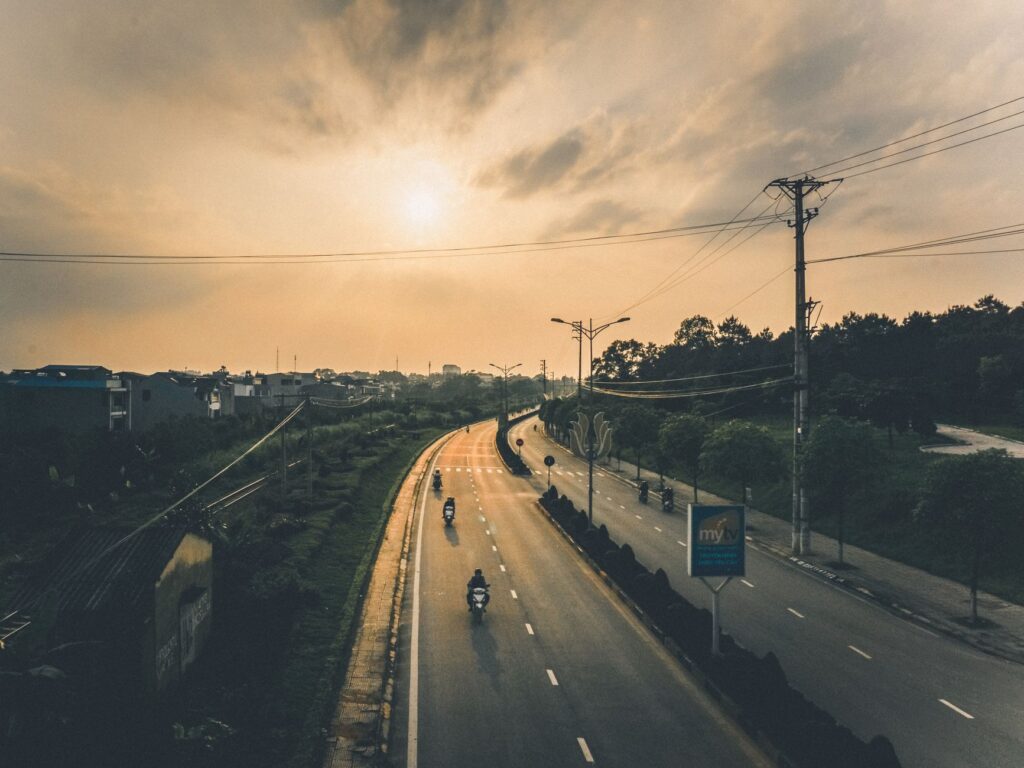
Daily life in Thái Nguyên unfolds in close connection with communication routes linking residential neighborhoods to farming areas. In the mornings, road shoulders along secondary routes come alive with small food stalls and repair shops serving both motorbikes and freight vehicles. These informal spaces function as rest stops and meeting points for travelers.
Local customs place special value on hospitality and unhurried exchange, even near busy transit routes. Residents often gather in small establishments along the roads to share a cup of local green tea, turning travel pauses into moments of conversation and neighborhood bonding. This way of inhabiting the territory demonstrates how mobility and pause complement daily routines.
Children walking home from school wave at passing drivers, while elders sit on wooden benches outside their homes, watching the steady rhythm of neighborhood life unfold. These quiet interactions foster a strong sense of place and mutual support among residents who depend on these shared pathways for daily survival and social enrichment.
For the traveler, observing these everyday routines provides a profound lesson in mindfulness. Slowing down to appreciate the simple hospitality offered at a roadside tea stall reveals the true essence of Vietnamese provincial life, where human connections take precedence over hurried itineraries.
Responsible Decisions for Visitors to the Region
Tourism in Thái Nguyên requires a respectful approach toward local communities and their natural environment. Travelers exploring the province by public transport or rental vehicles should prioritize established routes and avoid disrupting private agricultural zones. Contributing to the local economy through the purchase of native goods in traditional markets directly supports producer families.
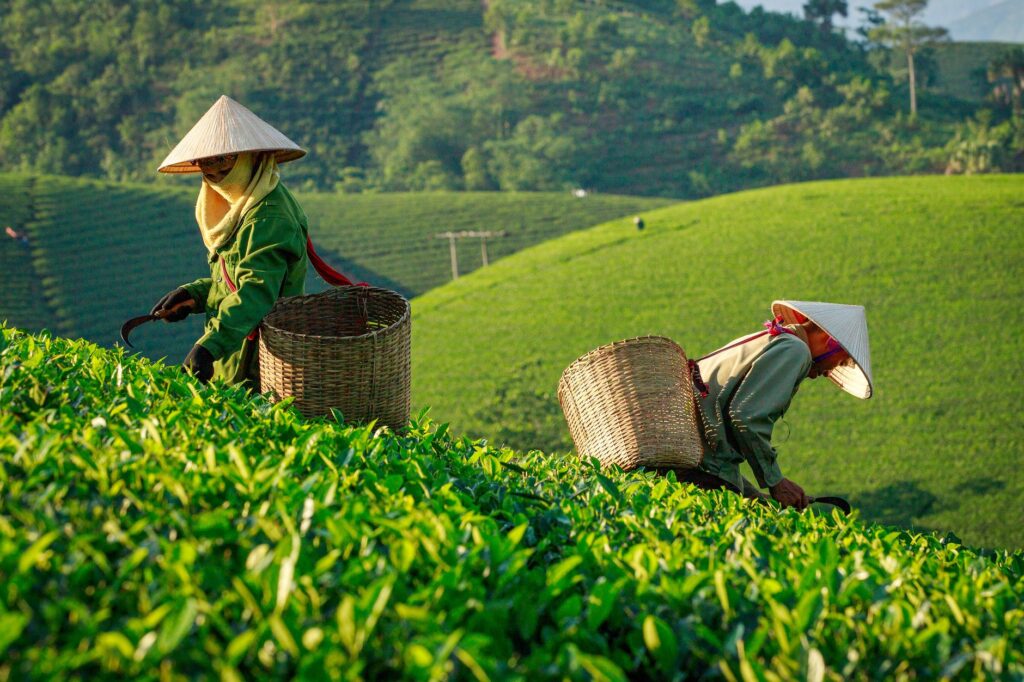
Furthermore, respecting local customs and caring for public and natural spaces ensures that visitor influx benefits the region without negatively impacting its cultural heritage. Observing agricultural practices and provincial transport offers a genuine perspective on this Vietnamese territory’s identity.
Visitors are encouraged to minimize waste, respect privacy when walking through rural hamlets, and seek permission before photographing workers tending the hillside crops. Traveling with awareness preserves the pristine quality of the landscape and honors the daily efforts of local residents who maintain these ecosystems.
By adopting sustainable travel habits, visitors become partners in regional preservation. Choosing eco-friendly accommodations and supporting grassroots conservation initiatives ensures that future generations can continue to experience the authentic charm and ecological richness of this remarkable northern destination.
Practical guide
How to get there: Thái Nguyên is connected to Hanoi via a network of roads and provincial bus services operating regularly throughout the day.
Internal transport: Mobility within the city and surrounding areas relies primarily on local buses, taxis, and rental motorbikes adapted for rural roads.
When to travel: The most favorable months to tour the region coincide with the dry season, allowing better access to tea plantations and mountain routes.
Accommodation: Lodging options include small guesthouses and family-run stays located both in the urban center and near agricultural areas.
Recommended gastronomy: Visitors are encouraged to sample local green tea varieties and traditional dishes prepared with fresh regional ingredients.
Code of conduct: Modest dress is advised when visiting residential areas, and permission should be requested before photographing workers in the plantations.
The Final Echo of Roads Among Hills
As evening falls, activity on Thái Nguyên’s roads gradually slows while sunset light illuminates tea terraces and valley slopes. Lights from vehicles returning to hamlets trace luminous paths across the landscape, recalling the ongoing importance of these roads in residents’ lives. In this corner of Vietnam, every traveled route and shared pause over a cup of tea confirms the deep connection between the land, its people, and the daily movement sustaining its identity.