
The Genesis of a Planned Capital in Australia
Canberra occupies a singular space within the vast Australian territory. Conceived from the drawing board following the federal agreement of the early twentieth century, this capital did not arise from the spontaneous accumulation of commerce or the port fever that shaped other major coastal cities in the country. Its existence responds to a geometric and landscape vision signed by the American architect Walter Burley Griffin and his wife, Marion Mahony Griffin. When walking through its concentric avenues and monumental axes, the visitor understands that here urban planning and nature do not compete, but rather establish a constant dialogue that defines the daily identity of its inhabitants.
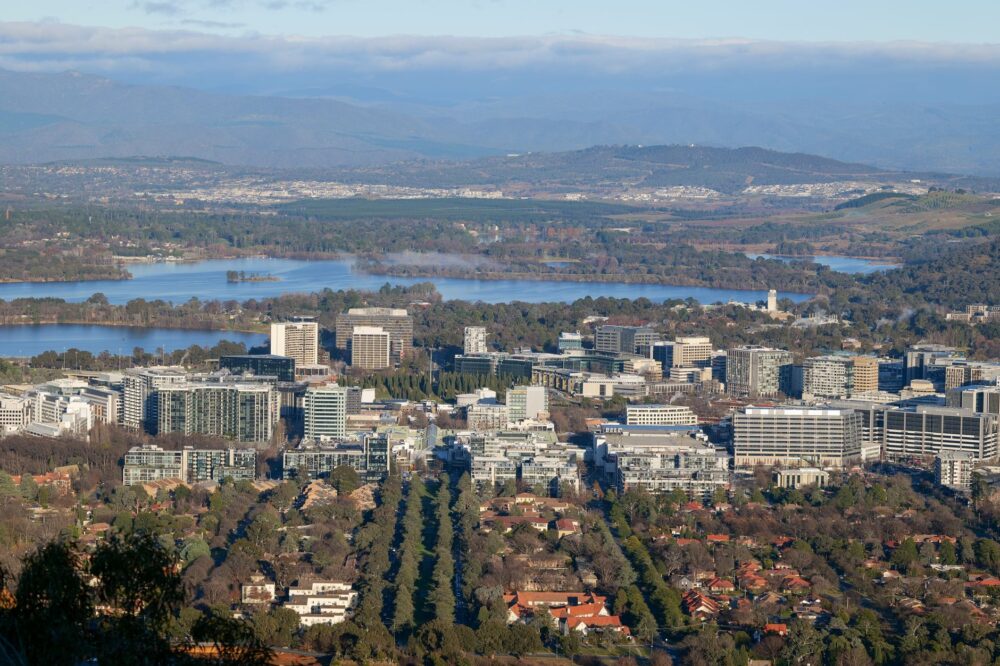
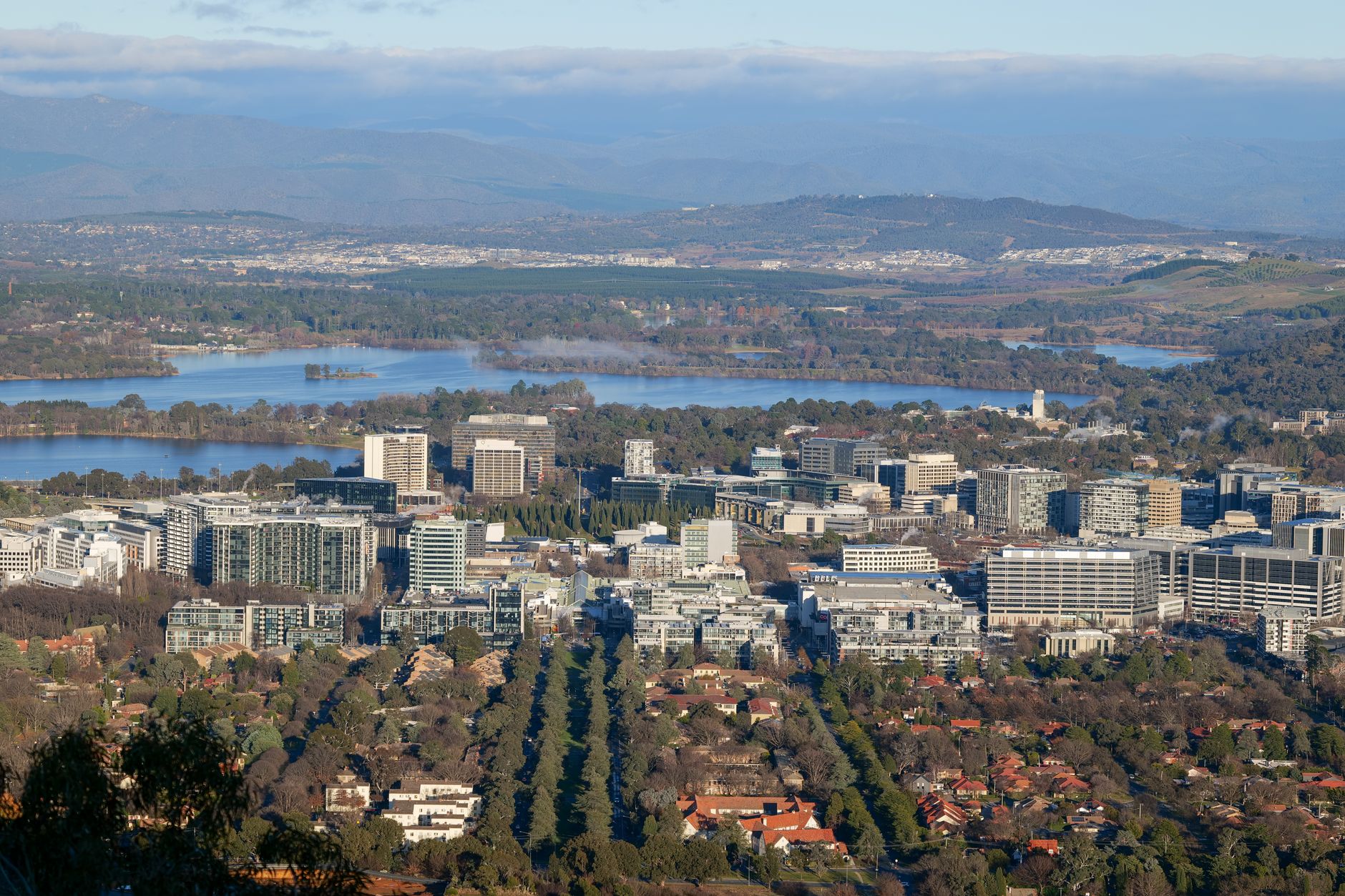
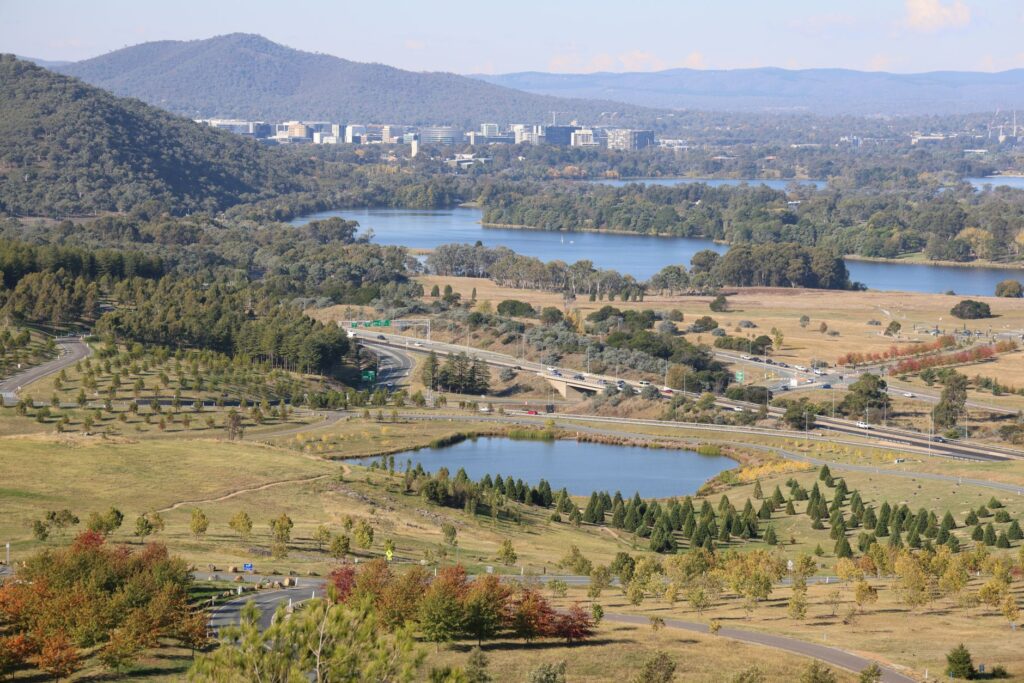
The urban layout revolves around the artificial Lake Burley Griffin, a mirror of water that divides the city into two complementary halves and brings unusual calm to the administrative pulse. Far from the dizzying pace of Sydney or Melbourne, Canberra unfolds at a human scale where bicycle trips along wooded paths form part of the routine. Native vegetation and parks designed with species from all over the world configure a changing landscape that accompanies the seasons of the year, reminding the traveler that time here is measured in golden tones of autumn and green shoots of spring.
The singularity of this urban design lies in the preservation of open spaces and in the visual integration of the surrounding hills. From any point in the city, the silhouettes of the mountains merge with the urban parks, reinforcing the sensation of inhabiting a settlement where the human scale prevails over traffic congestion or building overcrowding.
Public Institutions and Open Memory
The institutional heart of the Australian capital is concentrated in the parliamentary zone and its surroundings, where modern architecture and monumentality integrate with grass-carpeted hills. The Parliament, inaugurated in 1988 on Capital Hill, stands out for its design integrated into the topography, allowing citizens to walk literally on the roof of the building as a symbol of an accessible democracy. Nearby, the National Library of Australia and the National Gallery safeguard immense collections that narrate the complex history of the continent, from the original cultures of the First Nations to contemporary expressions.
The true measure of a planned city does not reside in the perfection of its lines on the plan, but in the capacity of its public spaces to welcome the unhurried life of those who inhabit it every day.
These institutions do not function as mere static archives, but rather as community meeting points where the present is debated and the future is projected. On weekends, the esplanades facing the lake fill with families, athletes, and visitors who enjoy local markets, temporary exhibitions, and open-air reading spaces. Civic culture is breathed in every corner, reflecting a collective commitment to education, art, and the conservation of historical heritage that makes the local community proud.
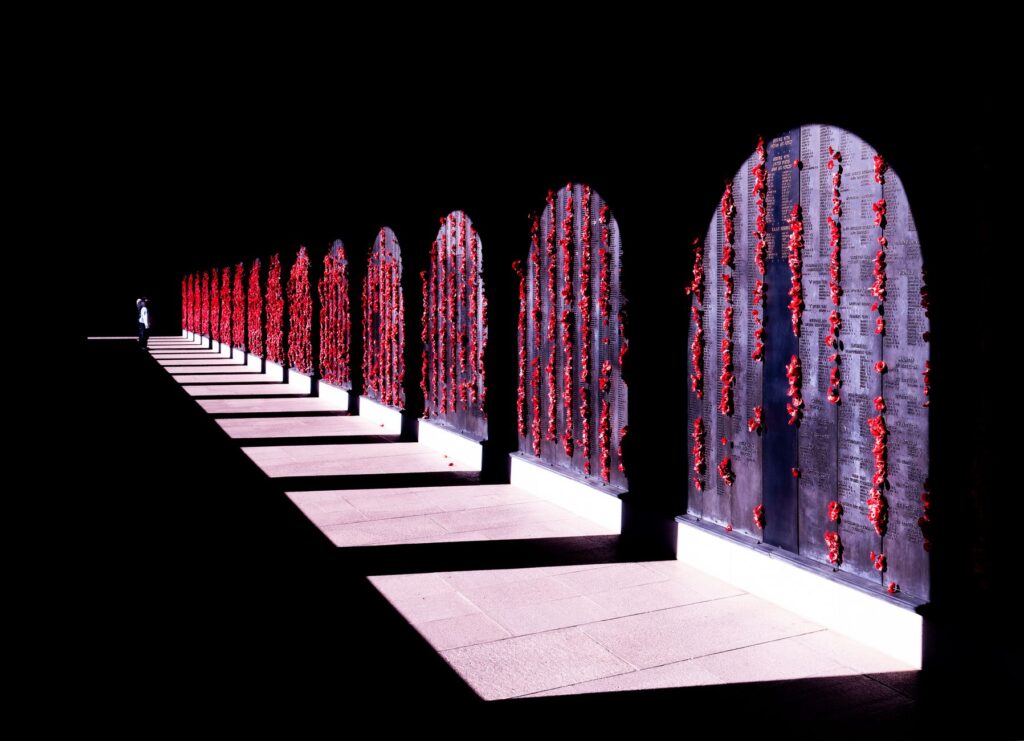
The cultural offering is complemented by smaller centers and specialized museums that address topics as diverse as science, aviation, and indigenous art. Each of these spaces reinforces the educational and reflective character of a capital conceived not only to administer laws, but to house the living archive of the country’s collective memory.
The Pulse of Neighborhoods and Daily Life
Beyond the great national monuments, the true essence of Canberra is discovered in its neighborhood centers and commercial districts such as Braddon or Kingston. Former industrial or service areas have transformed into vibrant enclaves where specialty coffee shops, independent design studios, and local product stores coexist. In these spaces, gastronomy reflects the multicultural diversity of Australia, incorporating techniques and flavors from around the world without losing sight of the ingredients from regional producers of the Australian Capital Territory.
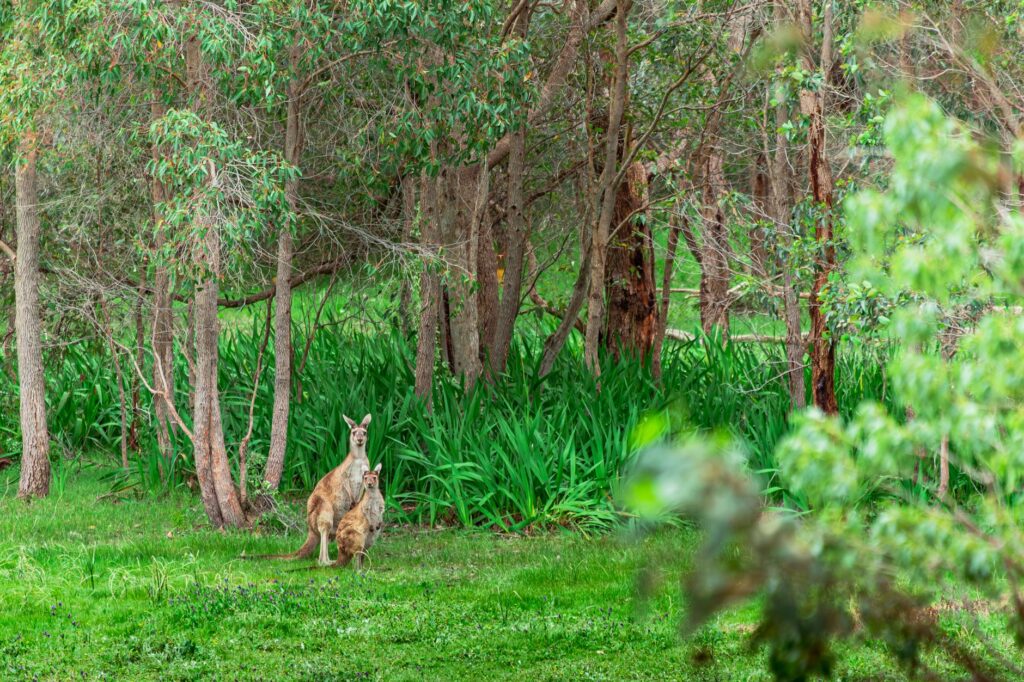
Neighborhood life fosters a leisurely pace that contrasts with the grandeur of government buildings. Local residents deeply value proximity to nature, with urban nature reserves such as Mount Ainslie or the Canberra Nature Park reserve just minutes from the center. Walking along these trails at dusk allows visitors to observe free-roaming kangaroos and native birds while the sun hides behind the hills, offering a unique perspective of a capital that has managed to preserve its connection to the ancestral landscape.
This neighborhood commercial fabric also promotes social exchange and the local economy, consolidating walkable neighborhoods where neighbors know each other and share daily meeting spaces, from small fruit and vegetable markets to independent neighborhood bookstores.
Architectural Heritage and Australian Modernism
The built heritage of the city is a living testimony of the twentieth century and the evolution of international architectural currents adapted to the climate and light of the southern hemisphere. From mid-century brutalist and modernist buildings to the most recent sustainable innovations, Canberra constitutes an open-air museum of urban design. The Reid neighborhood and the first residential areas preserve red-tiled roof homes and large gardens that show how ideal suburban life was imagined almost a century ago.
This care for architectural heritage is no coincidence; it responds to strict conservation regulations that seek to protect the visual integrity of Griffin’s original design. Visitors interested in urban history can tour these sectors on foot or by public transport, appreciating how wood, exposed brick, and concrete harmoniously integrate with the urban trees. Each building tells a story about the construction of a young nation that decided to invent its own political center in the middle of the Australian bush.
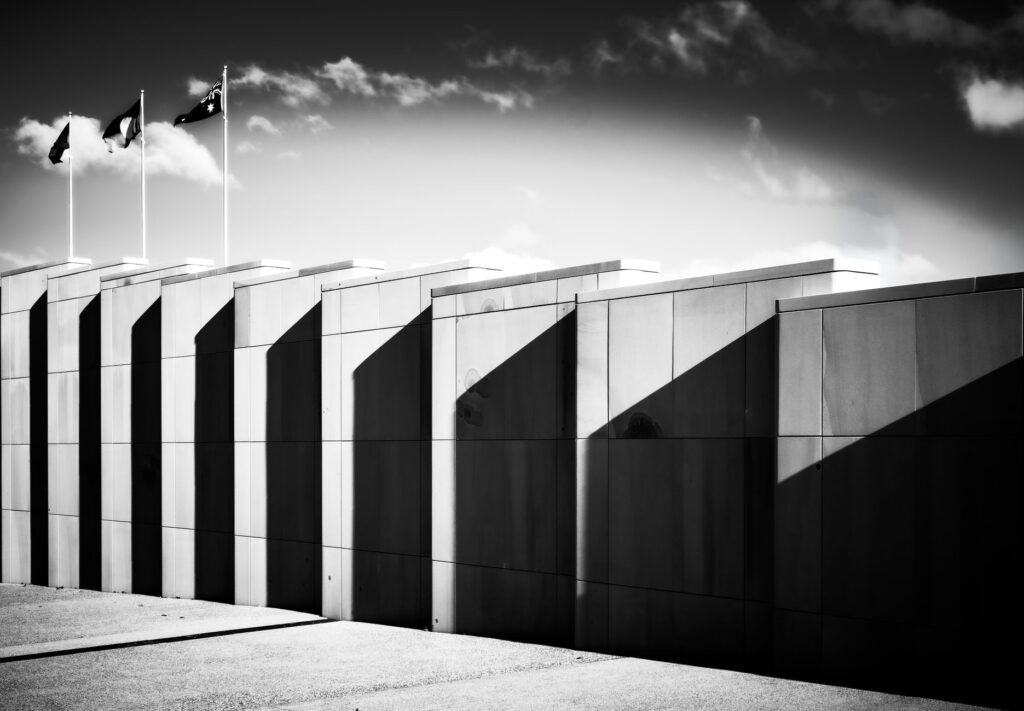
The conservation of these residential and institutional typologies demonstrates institutional respect for material memory, avoiding massive demolitions and opting for the functional rehabilitation of heritage properties for current community uses.
Sustainability and Responsible Visitor Decisions
For those visiting Canberra, respect for the environment and sustainability are fundamental principles that guide the travel experience. The city has an extensive network of bike lanes, an efficient public transport system, and numerous community-driven initiatives to reduce the carbon footprint. Responsible travelers will find accommodation options with ecological certification, restaurants that prioritize the zero-kilometer concept, and farmers’ markets where fair trade and support for local producers are encouraged.
Traveling with awareness through the natural and urban spaces of the capital means understanding that every visitor decision directly impacts the preservation of this delicate balance between human development and ecological conservation.
Likewise, cultural tourism in the city promotes a respectful approach to local indigenous communities, recognizing the historical and spiritual significance of the territory of the Ngunnawal nation. Participating in guided tours by traditional custodians or visiting interpretation centers brings a deep and truthful dimension to the trip, enriching the understanding of the environment beyond conventional tourist circuits.
The adoption of low environmental impact practices by hotels and local attractions consolidates this destination as a benchmark for sustainable tourism management within the national urban sphere.
Urban Landscapes and Seasonal Contemplation
Canberra’s design deliberately incorporates the passage of the seasons as a central aesthetic element. The alignments of trees planned by the Griffins ensure that each time of year radically transforms the urban landscape, offering a chromatic palette ranging from the intense ochres of autumn to the pastels of spring flowering. This landscape integration fosters the contemplation and well-being of residents and travelers, who find a refuge of tranquility in the parks and botanical gardens.
Green spaces are not mere landscape ornaments, but ecological corridors that guarantee urban biodiversity. When passing through them, the visitor perceives the harmonious coexistence between the flora introduced during the first years of urbanization and the native species that already inhabited the territory before the founding of the capital.
Practical Guide
- How to get there: Canberra has an international and domestic airport (CBR) connected to major Australian cities. It is also accessible via regular bus and train services from Sydney.
- When to go: Spring months (September to November) and autumn (March to May) offer pleasant temperatures and colorful landscapes ideal for exploring the city outdoors.
- Urban transport: The bus network and the tram (Light Rail) efficiently connect the center with the main commercial and cultural districts. Renting a bicycle is an excellent alternative.
- Accommodation: There is a wide range ranging from boutique hotels in Braddon to sustainable accommodations near Lake Burley Griffin and historic residential areas.
- Gastronomy and shopping: Haig Park markets and the districts of Kingston and Braddon are ideal for tasting local products, regional wines, and international cuisine.
- Useful tip: Always respect the signage in urban nature reserves and maintain a prudent distance when observing local wildlife, such as kangaroos.