Calgary, Canada: Neighborhoods and Everyday Life Shaping Identity Beneath the Peaks
A detailed journey through the urban identity, architectural heritage, and daily life of Calgary in Canada, exploring how local communities and public spaces define its daily pulse.
Calgary, Canada: Residential neighborhoods and daily life shaping identity beneath the peaks
Located in the province of Alberta in western Canada, the city of Calgary spreads across rolling terrain where the prairies begin to merge with the initial foothills of the Rocky Mountains. With a population exceeding one million inhabitants, this urban enclave combines a marked heritage tied to the natural surroundings with a very distinct contemporary dynamic. At an elevation hovering around one thousand meters above sea level, the climate is characterized by cold winters frequently tempered by Chinook winds, a meteorological phenomenon that suddenly raises temperatures and transforms the region’s atmosphere.
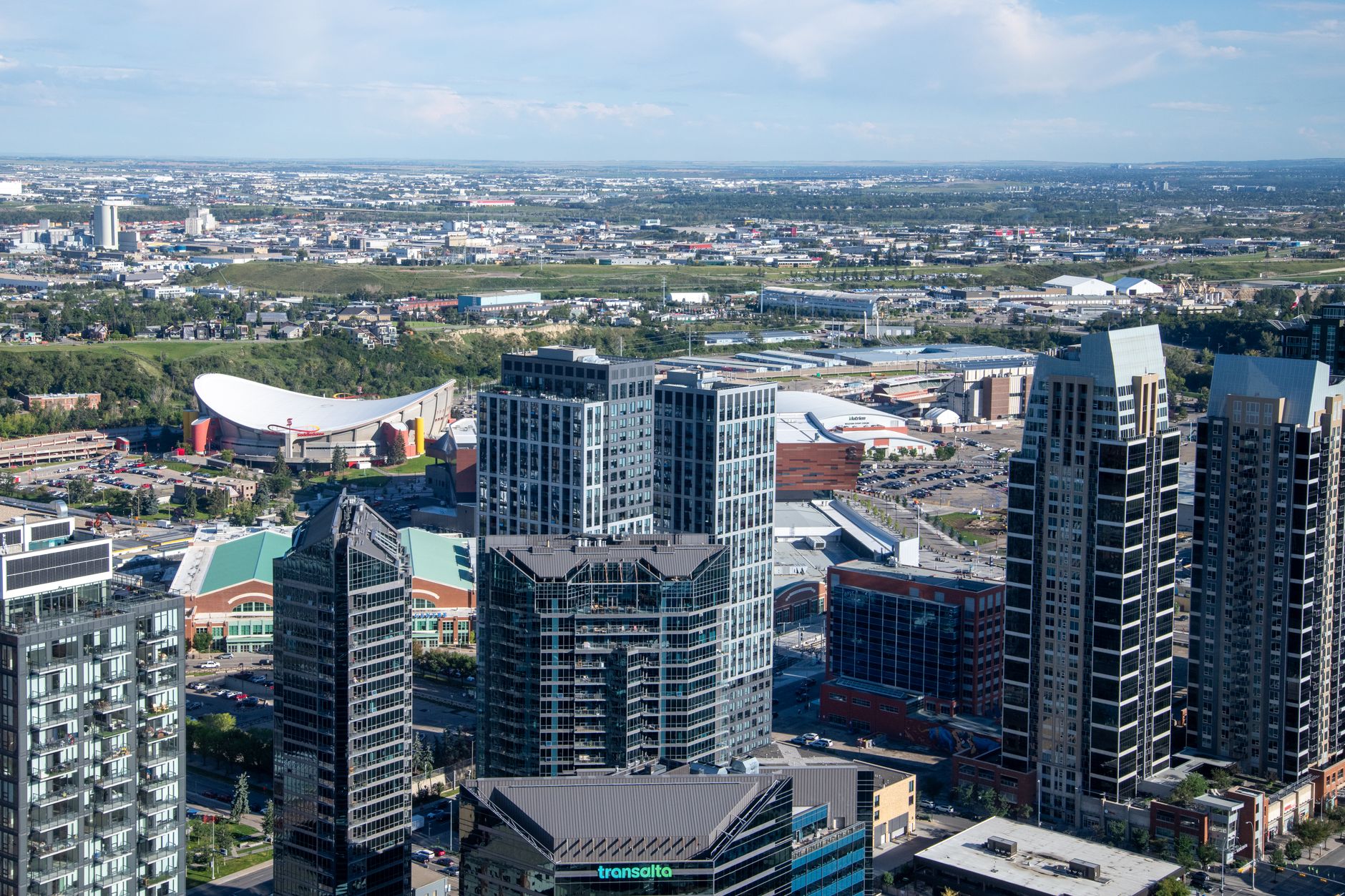
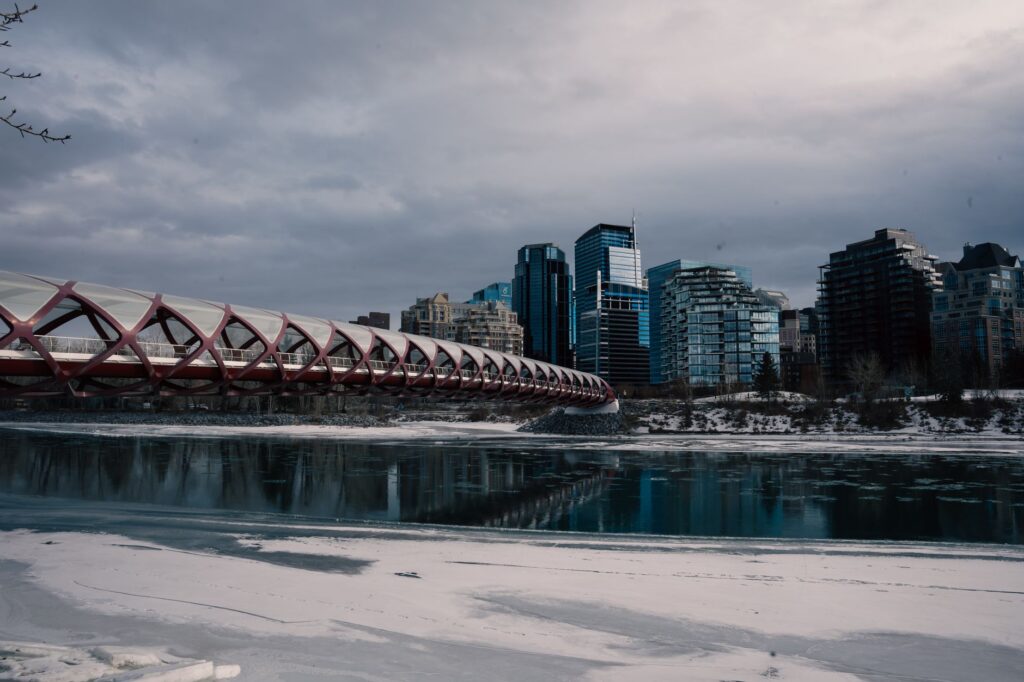
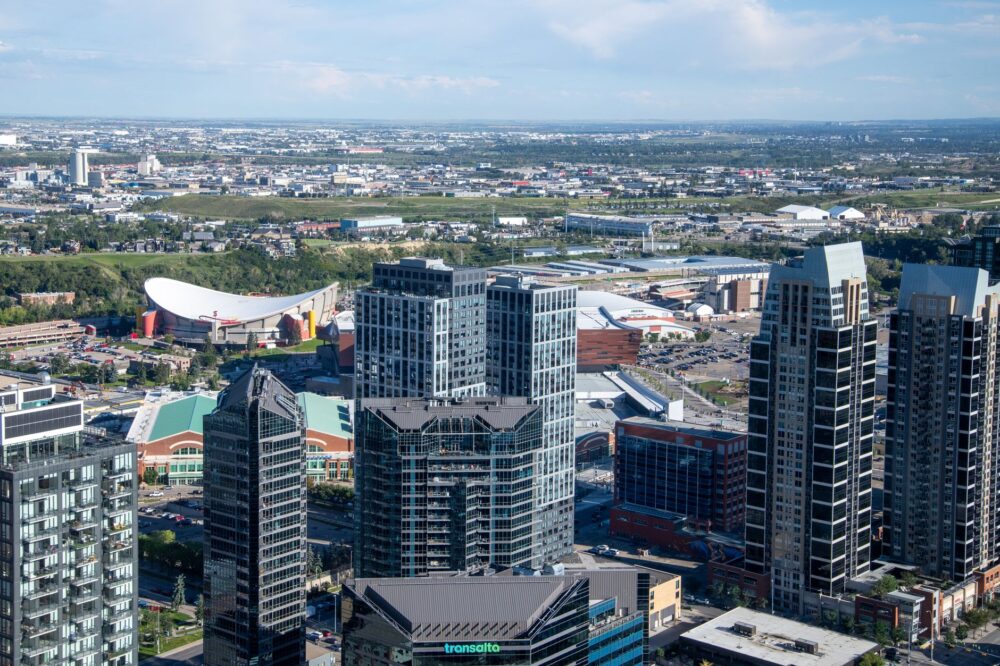
The urban planning of the locality reflects expansive yet orderly growth, structured in wide grids connecting the financial center to an extensive network of residential neighborhoods. The presence of the Bow and Elbow rivers profoundly shapes the city’s morphology, generating green corridors continually used by residents for recreation, outdoor sports, and daily commuting. These riverside spaces act as ecological and social connectors, allowing nature to maintain a constant presence in the urban experience of those who inhabit the territory.
Life in the neighborhoods and transitional architecture
Calgary’s residential fabric is not homogeneous; on the contrary, each urban sector possesses its own personality derived from its history and the profile of its communities. From the historical zones of Inglewood and Ramsay to more recent developments in the suburbs, architecture combines traditional wooden structures with contemporary design buildings prioritizing energy efficiency. Side streets are flanked by mature trees and sidewalks designed to encourage pedestrian traffic, facilitating neighborhood interaction during the warmer climatic months.
In these neighborhoods, daily life unfolds at a leisurely pace compared to the bustle of the central financial district. Small local businesses, neighborhood coffee shops, and community centers act as intergenerational meeting points. The preservation of minor architectural heritage, such as old craftsman-style houses and converted warehouses, demonstrates a growing interest in keeping historical memory alive against real estate pressure and accelerated demographic growth. This coexistence between the old and the new shapes a diverse urban landscape rooted in local identity.
Daily development in residential sectors is also nourished by citizen participation in neighborhood boards and community committees deciding on minor improvements to parks and gathering spaces. These initiatives strengthen a sense of belonging and ensure the city’s physical growth does not dilute the traditional character of communities. Neighbors organize seasonal activities celebrating cultural diversity and local historical memory, creating a bridge transmitting customs and knowledge to younger generations.
Likewise, residential architecture responds to climatic conditions through efficient insulation and the use of local materials resisting seasonal variations. Single-family homes share space with small low-rise multi-family housing complexes, favoring moderate density preventing excessive dispersion. This urban distribution facilitates walking access to essential basic services, reducing private vehicle dependency on shorter daily commutes.
Cultural heritage and community memory
Calgary’s cultural wealth is nourished by its past linked to ranching and commercial exploration, as well as the arrival of communities from diverse points across the globe. Museums, interpretation centers, and spaces dedicated to public art chronicle the evolution of a settlement transitioning from an outpost of the North-West Mounted Police into a metropolitan node of great relevance in the west of the country.
Local cultural institutions play a fundamental role in preserving traditions and promoting contemporary artistic expressions. Film festivals, indigenous art exhibitions, and local craft markets fill annual calendars, offering residents spaces for expression and mutual recognition. This cultural dynamism relies on a network of public libraries and civic centers guaranteeing universal access to knowledge and the exchange of ideas, consolidating a cohesive and participatory social fabric.
Community memory is equally reflected in the topyonymy of streets and parks, commemorating historical figures and indigenous peoples who inhabited and traveled these lands before formal urban establishment. Educational programs promoted by libraries and cultural centers foster the study of regional history, fostering deep understanding between long-time inhabitants and new residents arriving from other latitudes.
Urban artistic expressions, from murals to temporary installations in public spaces, constantly dialogue with the surrounding natural landscape. Local creators find in the duality between the large metropolis and the immensity of the prairies an inexhaustible source of inspiration translating into reflective works. Thus, culture in the urban environment is not an isolated decorative element, but an active component giving meaning to the community’s daily life.
Urban mobility and sustainable public spaces
Daily commuting in Calgary relies on a multimodal system integrating light rail lines, locally known as C-Train, with an extensive network of buses and segregated bike lanes. The commitment to sustainable mobility responds to the need to connect considerable distances efficiently while reducing the carbon footprint associated with private transport. Transit stations are designed to integrate harmoniously into the urban environment, frequently serving as secondary public squares.
Beyond transportation infrastructure, the city has invested steadily in the creation and maintenance of urban parks and protected green spaces. Millennium Park and the trails bordering the Bow river are clear examples of how landscape design can improve urban quality of life. Citizens take advantage of these spaces year-round, adapting to seasonal variations using appropriate equipment for hiking, cycling, or cross-country skiing when snow covers the landscape.
The network of bicycle lanes and pedestrian paths extends throughout the urban geography, allowing safe and continuous travel without interrupting motor traffic flow. These green ways also function as ecological corridors facilitating the presence of native flora and fauna right in the heart of the city. Maintaining these spaces requires constant collaboration between public administrations and citizen groups committed to urban environmental conservation.
Public space design prioritizes universal accessibility, guaranteeing people of all ages and abilities can enjoy squares, parks, and recreational centers without architectural barriers. Efficient lighting, urban furniture manufactured with durable materials, and clear signage contribute to generating safe, welcoming environments encouraging outdoor life during different seasons of the year.
Citizen responsibility and visitor decisions
Tourism in Calgary has evolved toward a model prioritizing respect for the natural environment and harmonious integration with local communities. Visitors arriving in the region find an offer focused on the leisurely discovery of neighborhoods, gastronomy based on proximity ingredients, and responsible use of public spaces. The primary recommendation for travelers touring the territory is to minimize environmental impact, using public transport and supporting small independent merchants.
The true value of a territory lies in the capacity of its inhabitants to preserve their daily identity in the face of vertiginous global transformation.
Likewise, local authorities promote clear guidelines for wildlife observation and the care of peripheral natural parks. Travelers are invited to follow leave-no-trace principles, respect trail regulations, and value the cultural diversity defining the province of Alberta. Thus, the travel experience becomes an exercise in mutual learning and active heritage conservation.
The conscious visitor understands their passage through the region forms part of a broader social and natural ecosystem, where every purchase decision, commute, or resource usage influences overall balance. Supporting local farmers’ markets, consuming in establishments reducing plastic usage, and opting for accommodation options with sustainable practices are concrete actions strengthening community economy without altering its rhythm of life.
Environmental education directed at visitors complements these guidelines, offering detailed information regarding flora, fauna, and risks associated with irresponsible interaction with the mountainous and fluvial environment. With a respectful approach, the traveler integrates harmoniously into the city’s daily landscape, experiencing local reality from a perspective of genuine understanding and co-responsibility.
Practical guide
How to get there
Calgary International Airport (YYC) connects the region with major national and international destinations through numerous daily frequencies. From the terminal, various public bus lines facilitate direct transport toward the urban center and light rail connection stations.
Urban commuting
The public transport system operated by Calgary Transit includes the C-Train and integrated buses. Rechargeable cards simplify payment across the entire network. To explore residential neighborhoods and riverside parks, the paved trail network is ideal for walking or cycling.
Accommodation
Hotel offerings are primarily concentrated in the financial center, though surrounding neighborhoods like Kensington, Inglewood, and Mission feature independent accommodation options, hostels, and tourist apartments allowing a closer immersion in local life.
Gastronomy and markets
Local markets and dining establishments bet on regional products, highlighting Alberta beef, seasonal agricultural goods, and a growing international cuisine reflecting the city’s multiculturalism.
Calgary in visual memory and the daily horizon
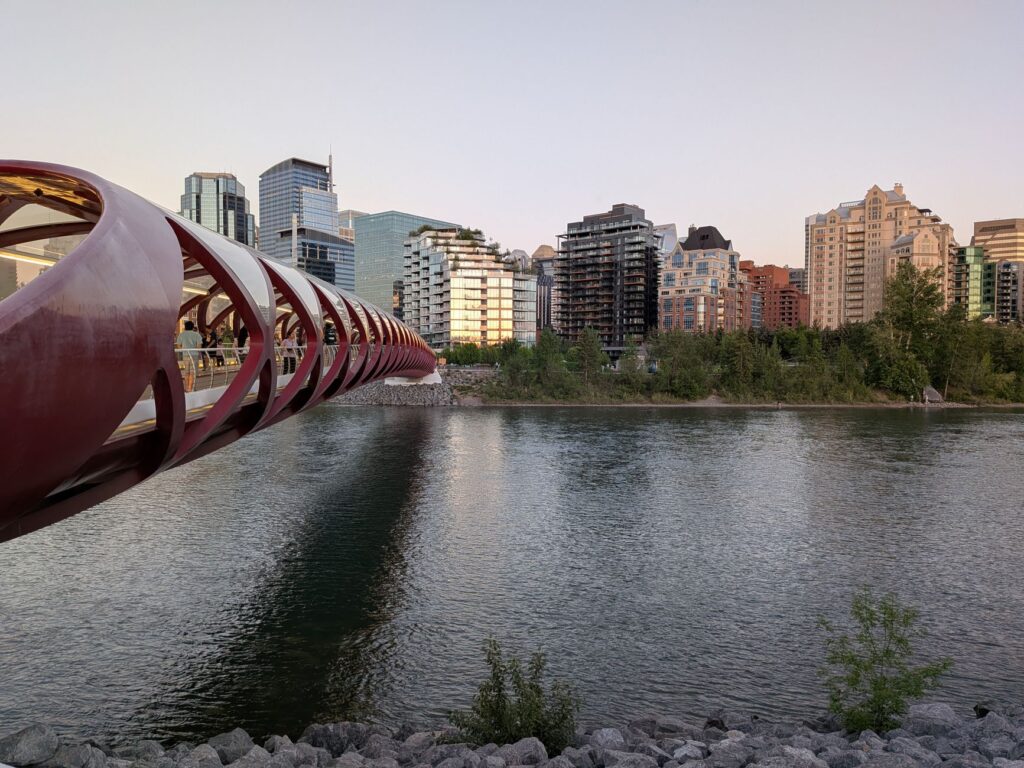
The final impression Calgary leaves is that of a horizon where the silhouette of skyscrapers softly contrasts with the vastness of the prairies and the imposing presence of the mountains in the distance. Sunsets over the Bow river dye the facades of historical buildings in golden and reddish tones, offering a visual closure of high emotional intensity. It is at that exact moment when the city reveals its true dimension: a space where nature and human life coexist in a balance built over decades of community effort and environmental adaptation.
This visual landscape is completed by observing daily life in neighborhood squares and parks, where residents enjoy seasonal changes leisurely. The relationship between urban architecture and the vast Canadian horizon defines a unique aesthetic accompanying the visitor throughout their stay in the region. At the end of the tour, understanding Calgary transcends mere tourist posturing to become the testimony of a cohesive community carefully safeguarding its identity and natural environment.