
Origins and Urban Layout in the Deep South
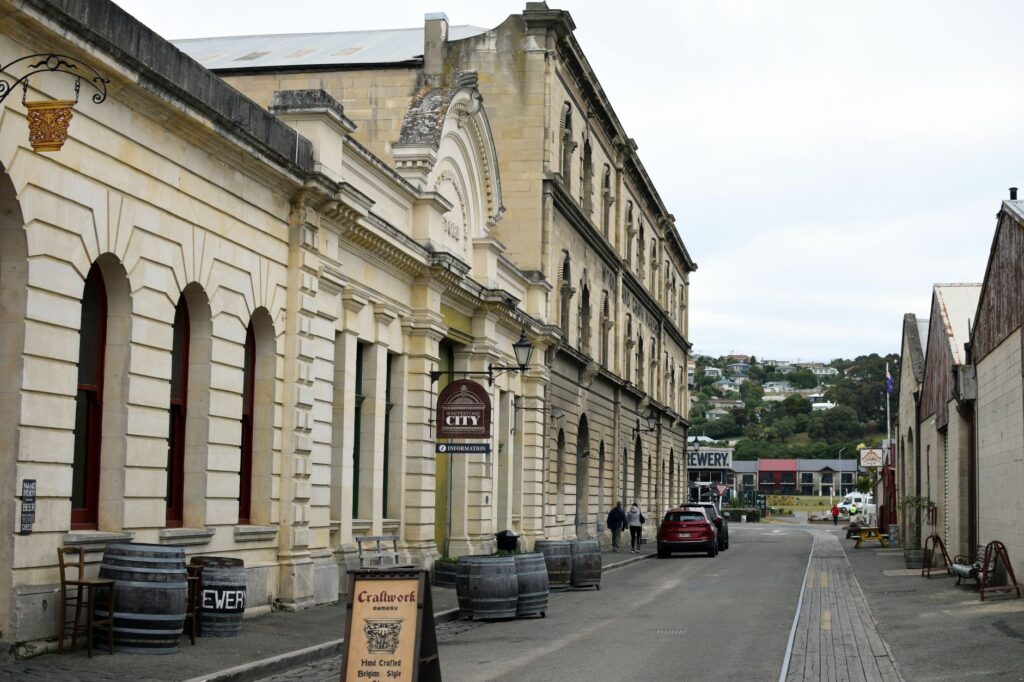
Located in the Southland region of southern New Zealand, the city of Invercargill spreads across an open plain that receives the full force of winds sweeping up from Antarctica. With a population exceeding fifty-eight thousand residents, this urban hub serves as the administrative and commercial center for its surrounding area, maintaining a grid street layout designed in the nineteenth century by British and Scottish pioneers who sought to tame the wild landscape. Unlike the denser urban centers in the northern parts of the country, the wide streets here allow southern light to penetrate deeply, illuminating period facades and exposed-brick buildings that withstand the passage of decades without losing their functional purpose.
Local history is deeply intertwined with timber and extensive pastoralism. From the outset, settlers had to adapt to an environment where forest resources and tides dictated the rhythm of survival. Today, that heritage remains visible in the arrangement of residential neighborhoods and the preservation of repurposed industrial structures that hold the memory of artisanal trades. Public squares, flanked by cold-hardy trees, act as gathering points where residents safeguard daily traditions far removed from mass tourism.
The daily pulse of the town is articulated through a network of small family-owned shops, historic automotive workshops, and farmers’ markets that prioritize local produce over large distribution chains. This economic autonomy fosters a deeply rooted sense of belonging among residents, who value tranquility and self-reliance above the accelerated dynamics of large global metropolises.
Architecture as a Testimony of Persistence
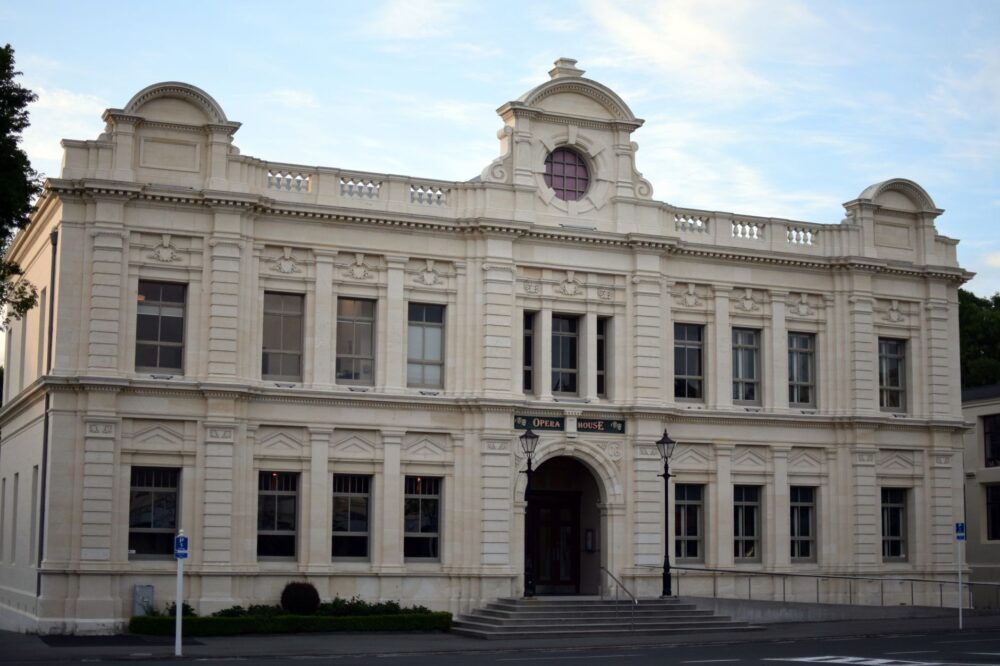
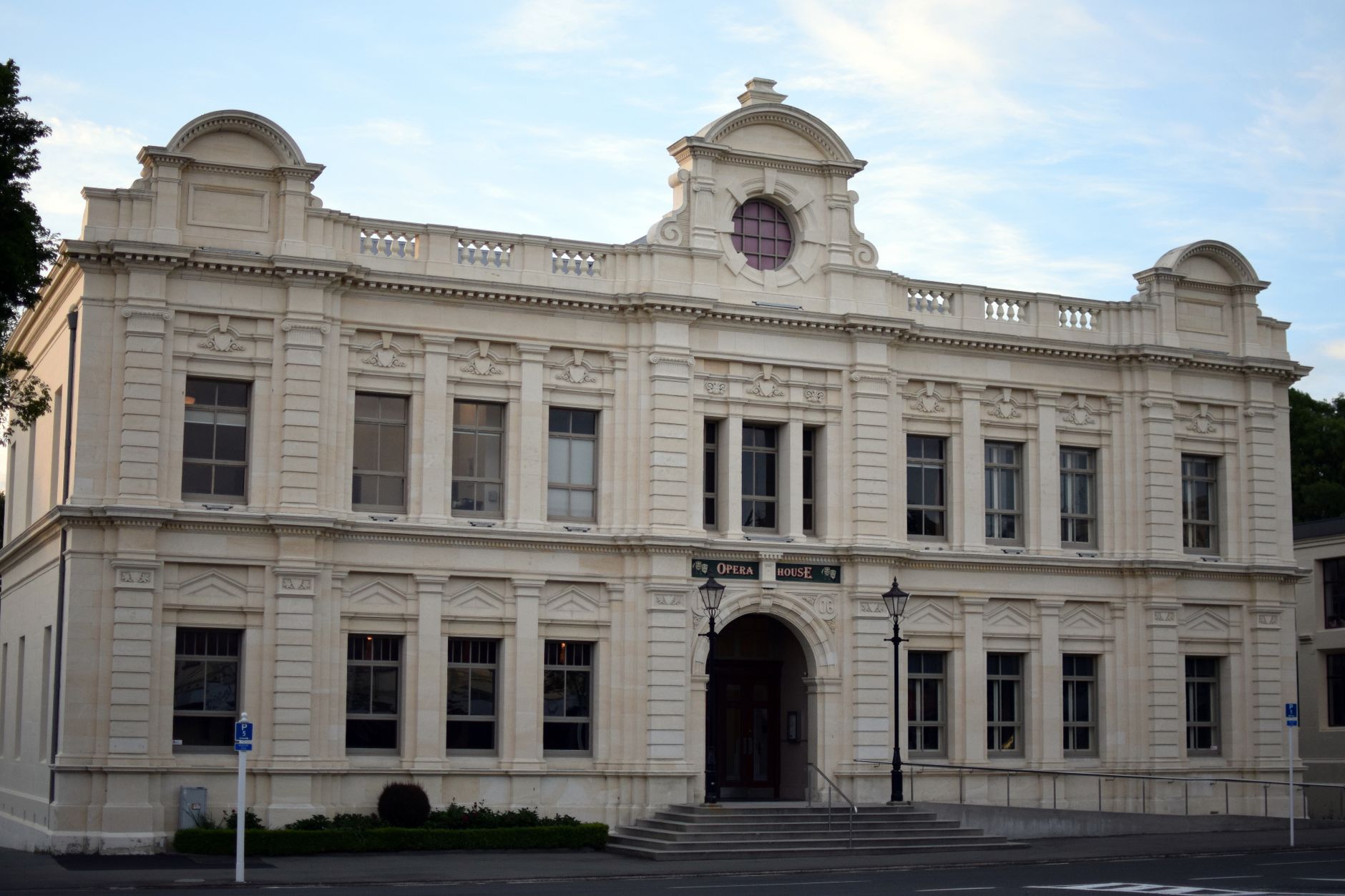
Invercargill’s architectural heritage stands out for its sobriety and material resilience. Public and commercial buildings erected in the early twentieth century employ native timbers and local stone, materials capable of withstanding the humidity and low temperatures characteristic of southern latitudes. Walking through the historic center reveals an amalgam of styles where Edwardian influence coexists with utilitarian construction solutions designed to protect pedestrians from frequent weather shifts.

The architecture of this region does not seek monumental ostentation; its beauty lies in structural honesty and its capacity to shelter daily life against the elements.
Gabled roofs, discreet arcades, and large windows oriented northward to capture scarce sunlight during winter are recurrent elements in the urban landscape. Local conservators and craftspeople play a fundamental role in maintaining these structures, utilizing traditional carpentry and restoration techniques to preserve building authenticity without resorting to historical fakes.
Likewise, public spaces have been designed with criteria of accessibility and durability. Urban parks, seamlessly integrated into the residential fabric, offer vegetative refuges where native flora survives sheltered from the constant wind. These green lungs not only beautify the surroundings but function as ecological corridors connecting the city with surrounding wetlands and estuaries.
Daily Life and Community Fabric in Southland
Social life in Invercargill moves at a measured yet steady pace. Mornings begin early in local cafes and marketplaces, where farmers, stockmen, and artisans exchange news about the weather and pasture conditions. This daily interaction reinforces a community fabric based on mutual trust and neighborly cooperation, indispensable values in a region where geographical remoteness demands high levels of self-sufficiency.
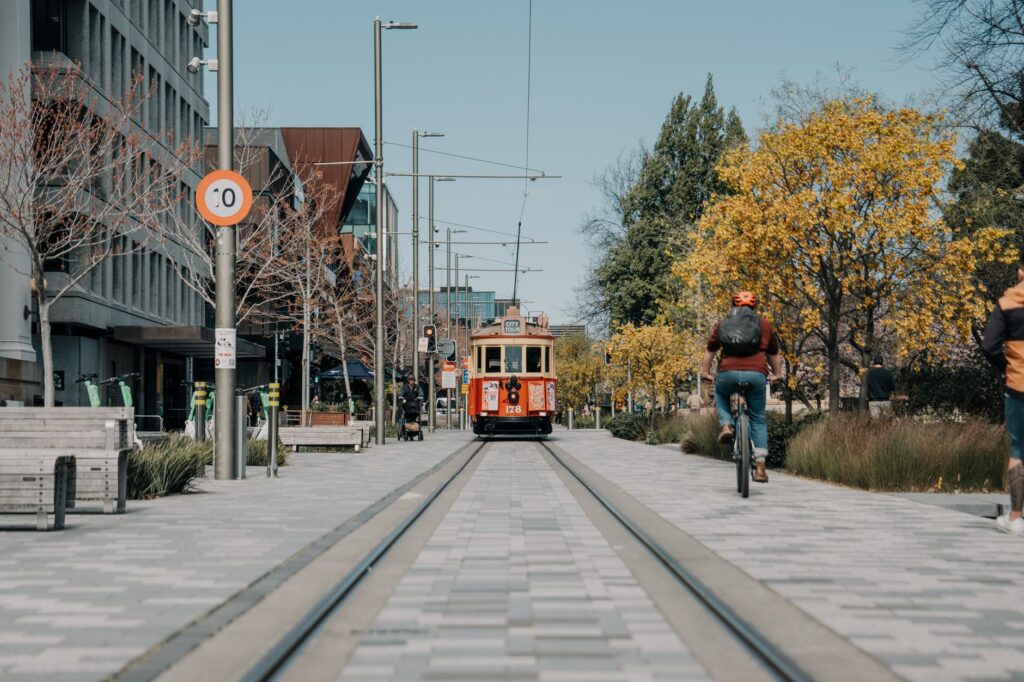
Community institutions, from public libraries to neighborhood sports centers, act as catalysts for social cohesion. Trade workshops, exhibitions on Southland’s natural history, and intergenerational gatherings are organized in these spaces to ensure the transmission of local knowledge to younger generations. Citizen participation in these activities is high, reflecting a civic commitment that transcends the individual sphere.
On the other hand, the presence of the Māori community adds a fundamental layer of cultural identity, integrating traditional placenames and respect for the natural environment into the daily routine. Intercultural dialogue manifests through community events and the shared management of regional natural resources, promoting a balanced vision between human development and landscape conservation.
Local Economy, Trades, and Sustainability
Far from depending solely on the service sector, Invercargill maintains a diversified economy that includes highly specialized agriculture, dairy processing, and a solid tradition of mechanical workshops and light engineering. This productive base generates stable jobs and encourages specialized technical training, attracting young people seeking to develop careers in a less saturated environment.
The future of southern communities depends on their ability to innovate without detaching themselves from the practical knowledge that secured their historical survival.
In recent years, local small and medium-sized enterprises have adopted practices oriented toward energy sustainability and waste reduction. The use of biomass derived from the local timber industry for heating and the optimization of internal transport are examples of how the city addresses contemporary environmental challenges from a pragmatic, community-driven perspective.
Furthermore, the commercial sector has driven initiatives to prioritize proximity consumption, reducing the carbon footprint associated with goods transport. Weekly producer markets showcase this philosophy, offering food grown in the fertile valleys surrounding the urban basin.
Natural Heritage and Relationship with the Austral Environment
Invercargill’s geographical setting is dominated by estuaries, wetlands, and temperate forests extending toward the coast. The Waihopai Estuary, located nearby, constitutes a vital refuge for numerous waterfowl and migratory bird species, making the area an international ecological interest point. Proximity to these ecosystems instills a mindset of respect and dependence on natural cycles among residents.

Hiking trails and coastal paths, maintained by local volunteers, grant access to landscapes where human intervention is minimal. These spaces serve not only for leisure but act as open-air classrooms teaching the importance of conserving austral biodiversity in the face of climate change impacts.
Water management and the protection of fertile soils are absolute priorities on the municipal and civic agenda. Through native reforestation programs, residents actively participate in restoring river margins, securing water resource quality for future generations.
Culture, Education, and Collective Memory
Culture in Invercargill draws nourishment from both European settler heritage and ancestral Māori memory. Local museums and regional archives preserve documents, photographs, and tools that chronicle the daily epic of inhabiting the southern confine of the planet. These centers are not mere static repositories, but dynamic spaces hosting debates on the region’s future and exhibitions by contemporary artists inspired by the unique southern light.
Public education plays a crucial role in social cohesion. Local schools promote curricula that include knowledge of the natural environment and regional history, preparing students to value and protect their heritage. Additionally, technical training programs ensure generational turnover in traditional trades requiring specific manual skills.
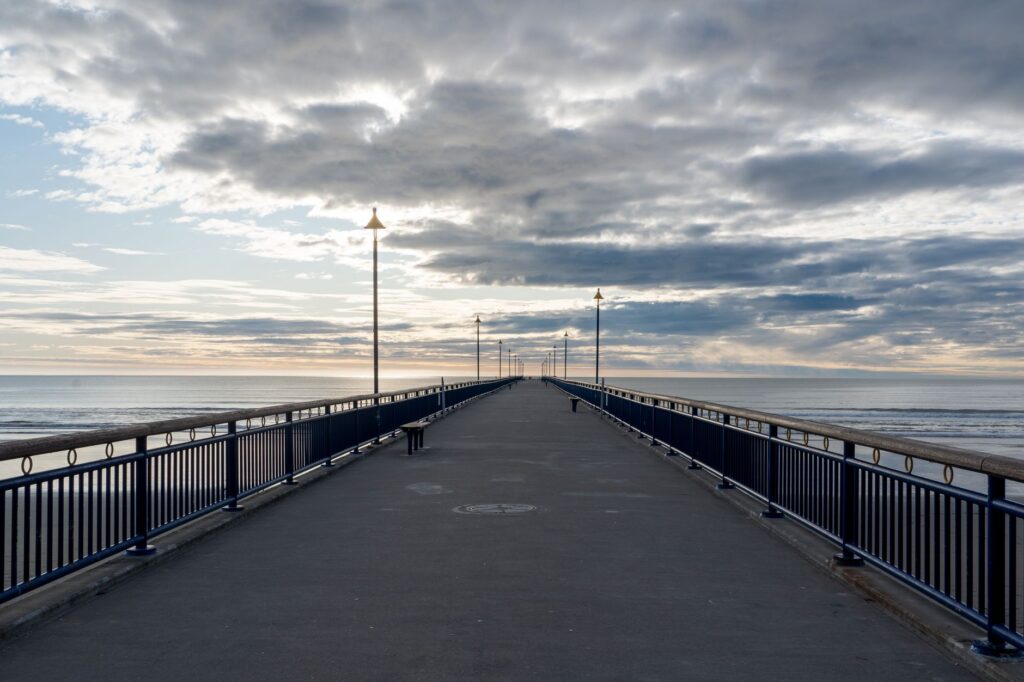
Collective memory also manifests in local literature and visual arts, where austere landscapes, mist, and the vastness of southern skies become recurring themes defining the community’s aesthetic sensibility.
Practical guide
How to get there: Invercargill features regular flight connections from major New Zealand airports, as well as long-distance bus routes traversing the Southland region.
Best time to visit: The southern summer months, from December to February, offer milder temperatures and longer daylight hours, ideal for exploring the city and its surroundings.
Local transport: The city center is easily walkable. To explore the surrounding rural area and coast, car rental is recommended.
Accommodation: Options range from restored historic downtown hotels to family-run guesthouses and rural cottages on the outskirts.
Gastronomy: Fresh local products stand out, particularly south coast seafood, Southland lamb, and farm-to-table vegetables.
Visitor recommendations: Visitors are advised to dress for sudden weather changes, respect natural trails, and support local shops and markets.
Final Reflection on the Southern Horizon
At the southern tip of New Zealand, Invercargill demonstrates that it is possible to inhabit geographical confines while maintaining a deep sense of community and respect for the environment. Far from conventional mass tourism routes, this city invites an appreciation for slowness, the solidity of traditional trades, and the austere beauty of a landscape shaped by wind and history. Its identity endures not as a museum piece, but as a living organism continuing to write its own future with the same determination its founders showed when raising the first timber structures facing the southern sea.