
Dipayal, Nepal: Riverine Biodiversity and Natural Refuge in the Doti Valley
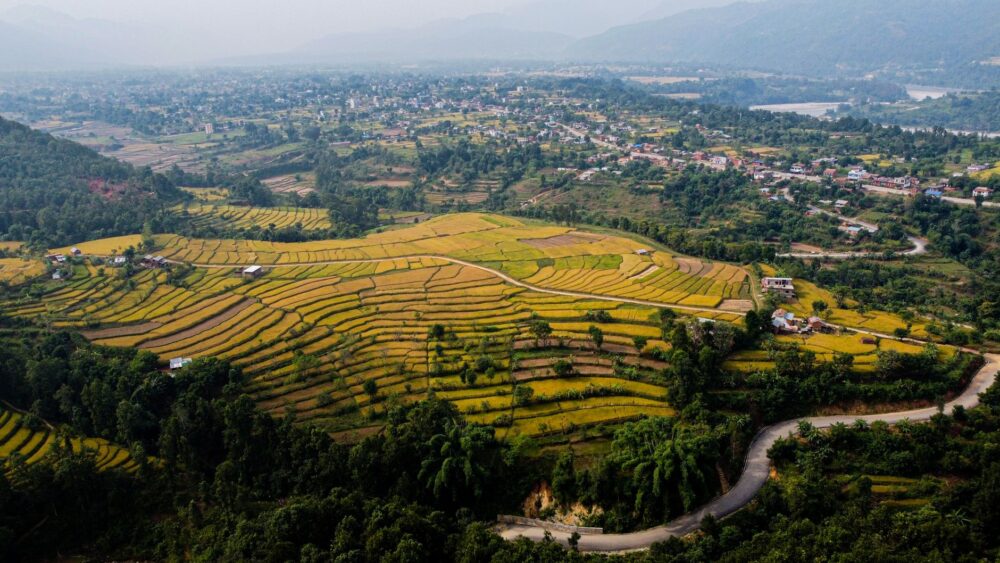
Dipayal, in Nepal, stands out for its ecological richness in the Doti valley, where subtropical forests and water corridors protect valuable mid-mountain biodiversity.
A Natural Sanctuary in the Shadow of the Himalayas
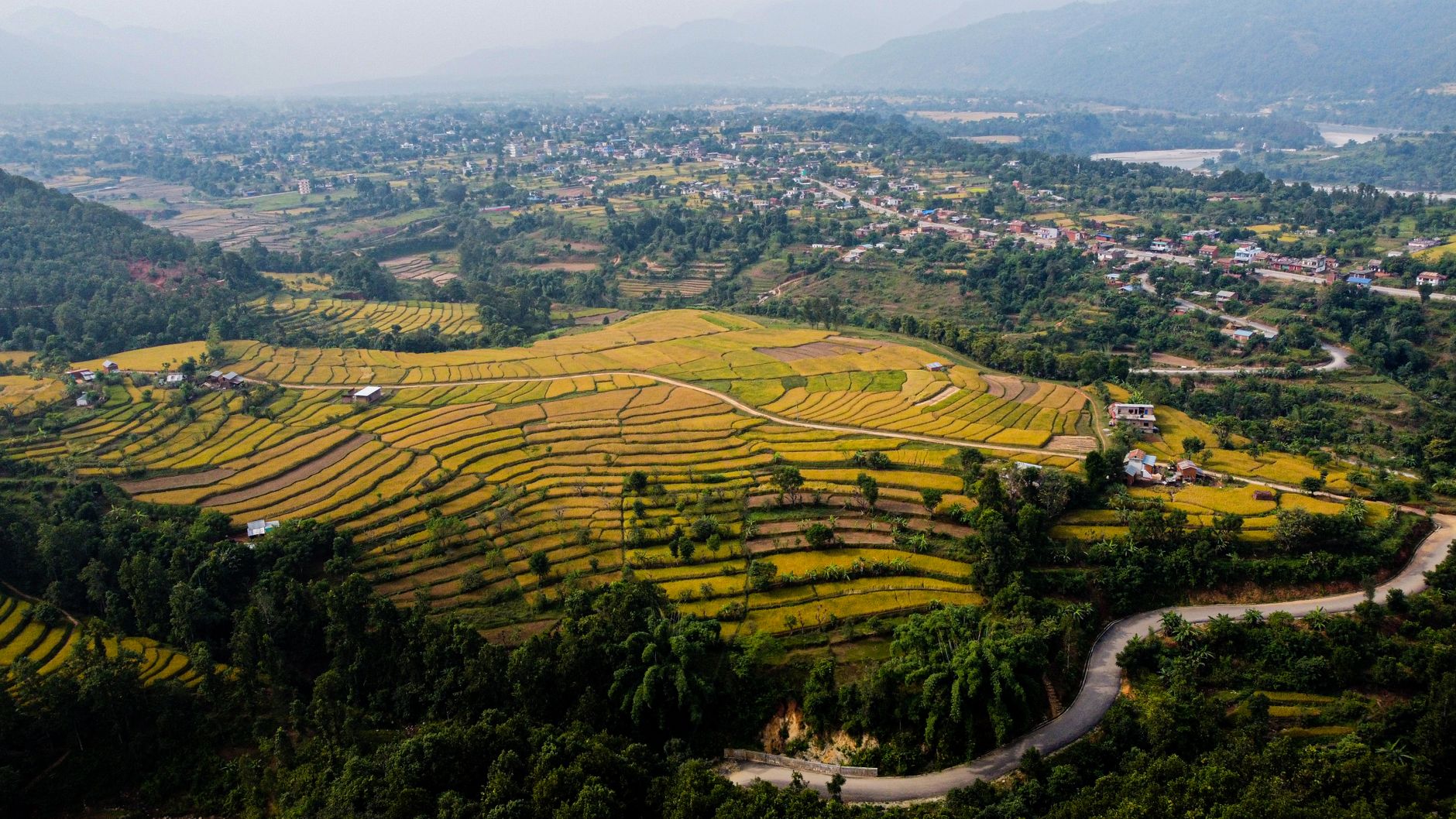
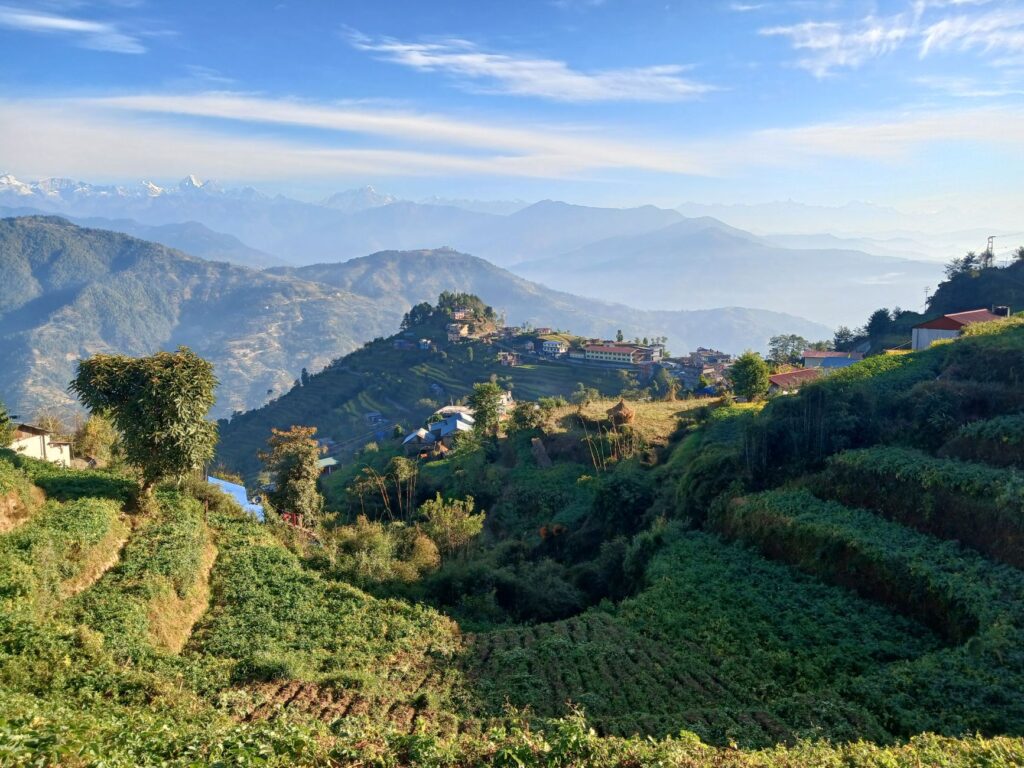
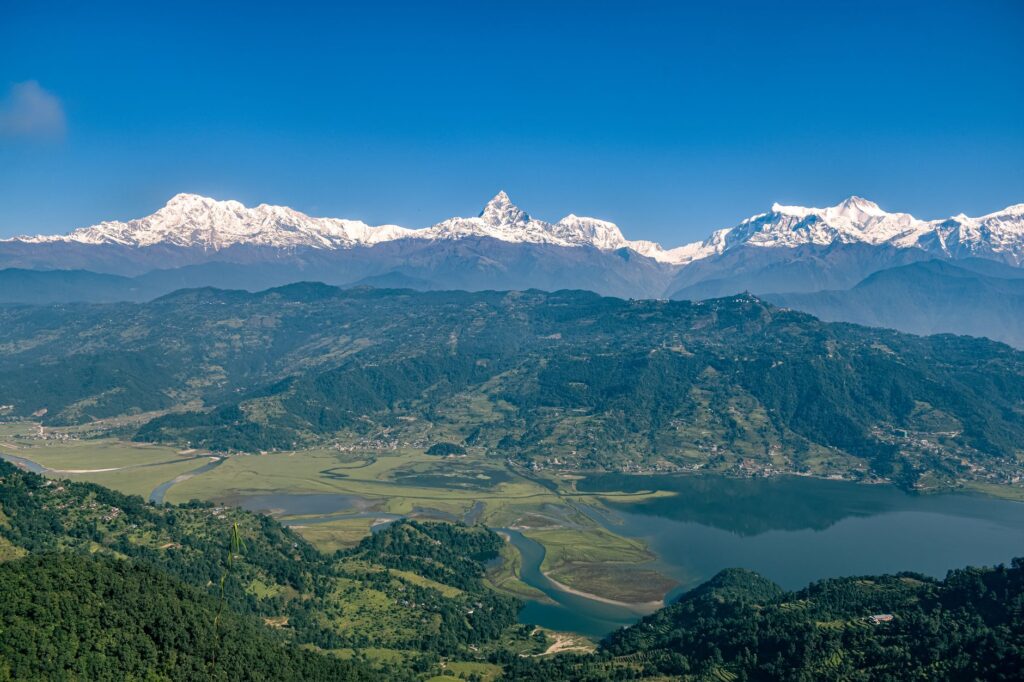
In the heart of the Sudurpashchim region, in the far western part of Nepal, the locality of Dipayal rises above a territory where the contours of the Himalayas begin to descend into river valleys of great ecological richness. Far from the most heavily traveled tourist routes of the country, this enclave offers an exceptional viewpoint over mid-mountain biodiversity. The forest formations, ravines sculpted by water, and local microclimates generate an environmental mosaic where numerous species of birds, mammals, and native flora find a vital refuge for their long-term survival.
The physical environment of Dipayal is defined by altitude and by the constant presence of water channels that act as ecological arteries. The interaction between the mountain slopes and the valley floor determines a fluid transition between temperate forests and riparian zones. In these spaces, the conservation of natural corridors is essential to guarantee the movement of fauna and the maintenance of hydrological cycles that sustain both wild ecosystems and local human communities.
The River Network and Biological Corridors of Doti
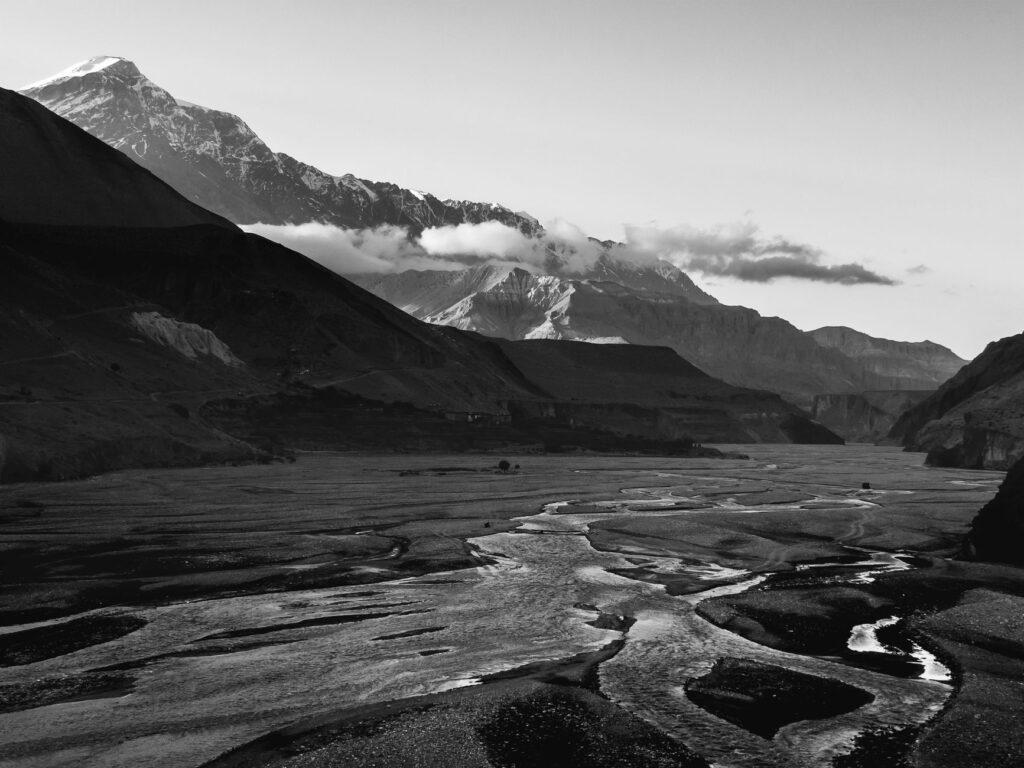
The rivers and streams that cross the Doti district form a network of high environmental sensitivity. These watercourses not only provide the necessary flow for the surrounding agricultural valleys, but also act as biological gateways where different species adapted to the current and constant humidity converge. Riparian vegetation, composed of native tree species and perennial shrubs, stabilizes the banks and curbs the erosion caused by seasonal monsoons.
Studying the dynamics of these riverbanks helps understand how local fauna uses water as a refuge and food source. Aquatic birds and small mammals depend on vegetative cover to nest and protect themselves from predators. The preservation of these hydrological corridors is indispensable to avoid habitat fragmentation, a phenomenon that threatens to isolate animal populations in increasingly smaller and more vulnerable pockets.
Avifauna and Mammals Adapted to the Subtropical Forest
The hills surrounding Dipayal harbor a notable diversity of birds and mammals adapted to the subtropical and temperate forests of Nepal. From raptors taking advantage of the thermal currents of the valleys to forest species inhabiting the dense understory, local avifauna reflects the overall health of the ecosystem. Biological inventories carried out in the Sudurpashchim region highlight the presence of numerous resident and migratory species that use this territory as a stopover or breeding area.
Among mammals, the presence of small carnivores, mountain ungulates, and nocturnal species evidences the complexity of the local trophic chain. These animals require large extensions of continuous forest to forage without entering into direct conflict with cultivated areas. Protecting the high forest zones is therefore a priority to prevent biodiversity loss and ensure a balanced coexistence between wildlife and the area’s inhabitants.
Community Conservation Work in Sudurpashchim
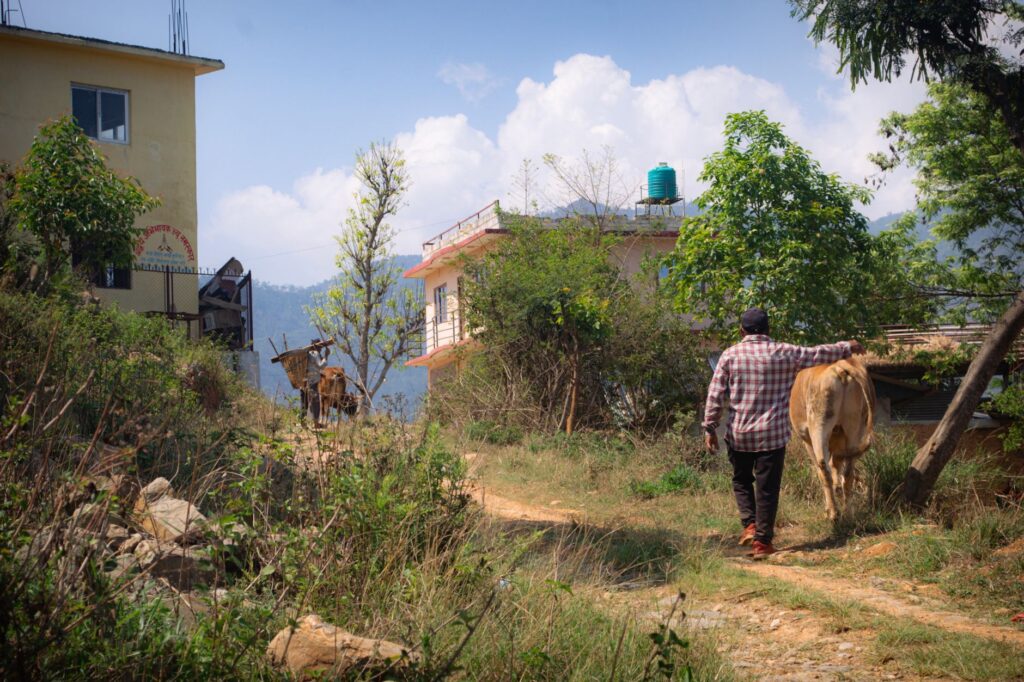
Nature conservation in this area of Nepal relies heavily on the daily effort of local communities. Community forest committees play a leading role in forest monitoring, the prevention of illegal logging, and the sustainable management of timber and non-timber resources. These initiatives demonstrate that traditional knowledge and respect for the environment are tools as effective as any official environmental protection regulation.
Through the reforestation of degraded areas and the regulation of grazing on the most sensitive slopes, the inhabitants of Dipayal and its surroundings have managed to recover part of the lost vegetation cover from previous decades. This collective effort not only benefits wild species by restoring their habitats, but also improves water quality and reduces the risk of landslides during periods of intense rainfall.
Native Flora and Soil Balance
The vegetation of Dipayal is characterized by its resilience against the region’s climatic seasonality. Mixed forests combine deciduous species with perennial trees that withstand both the heat of the dry months and the torrential precipitation of the monsoon. This plant diversity ensures a constant supply of organic matter to the soil, promoting moisture retention and preventing desertification on the most exposed slopes.
Local botanical species also fulfill an essential function in air purification and the microclimatic regulation of the valley. Each plant stratum, from mosses and ferns on the ground to the tree canopy, hosts communities of insects and microorganisms that form the base of the ecological pyramid. Studying and protecting this native botany is the first step to safeguarding the integrity of the entire regional ecosystem.
Current Challenges Against Climate Change and Human Pressure
Despite local advances in conservation, the natural environment of Dipayal faces significant global and local challenges. Climate change is altering precipitation patterns, causing more erratic monsoons that intensify erosion and affect river flows. Likewise, the expansion of road infrastructure and demographic growth exert increasing pressure on forest edges and traditional farming areas.
To mitigate these impacts, environmental managers and local organizations insist on the need to plan territorial development with criteria of ecological sustainability. This implies designing connectivity corridors that allow fauna to adapt to thermal and atmospheric changes by moving toward more favorable altitudes. Environmental education in local schools also constitutes a key pillar to raise awareness among new generations about the value of their natural heritage.
The defense of biodiversity in the western Himalayan valleys depends as much on scientific rigor as on the daily commitment of the communities inhabiting the territory.
Responsible Observation Practices and Habitat Respect
Ecotourism and nature observation in Dipayal require a rigorous ethical code to avoid disturbing wildlife and altering its natural behavior. Visitors must maintain a prudent distance from wild animals, avoid loud noises, and refrain from leaving any kind of waste in the natural environment. Respecting established trails and the instructions of local guides ensures an enriching experience without ecological cost to the surroundings.
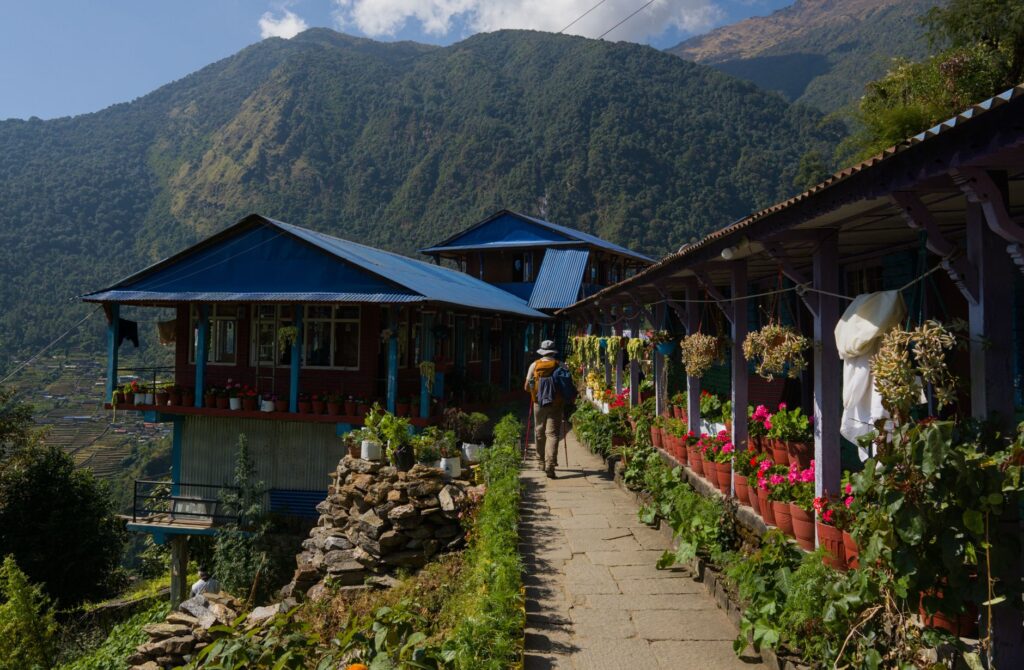
Nature photography and birdwatching benefit enormously from the use of adequate optical equipment that allows animals to be observed without invading their vital space. Likewise, it is advised to schedule outings during hours of lower activity for the most sensitive fauna, minimizing human impact in the natural refuges of the valley.
Practical Guide
How to get there: Access to Dipayal is usually done by road from the main cities of Nepal or via domestic flights to the area’s airport, followed by land transport through the road network of the Sudurpashchim region.
Best time to visit: The months following the monsoon, from October to April, offer stable weather conditions, clear skies, and mild temperatures ideal for exploring the natural trails.
Accommodation: Basic lodging options and guesthouses managed by local families are available in the urban core, ideal for closely experiencing the culture and gastronomy of the Doti region.
Health and equipment recommendations: It is essential to carry sturdy mountain footwear, clothing suitable for thermal changes, sun protection, and a basic medical kit with essential medicines.
The Green Pulse That Transcends the Valley’s Borders
The experience of exploring the natural landscapes of Dipayal leaves a lasting impression on the resilience capacity of mountain ecosystems. Among river valleys, subtropical forests, and the constant effort of its inhabitants to protect the environment, this corner of Nepal demonstrates that nature conservation is a collective endeavor that transcends local borders. Preserving this balance ensures that future generations continue to find a living and vibrant territory at the foot of the Himalayas.