
Between History and Contemporary Life
The city of The Hague, officially known as Den Haag in the Netherlands, displays a unique atmosphere that combines the institutional weight of being the seat of the Dutch government with the close-knit feel of its residential neighborhoods. Far from the frantic pace of major financial metropolises, this locality in South Holland invites visitors to discover an everyday life marked by the leisurely passage of trams, the sound of bicycles on cobblestones, and the constant presence of centuries-old trees flanking its main avenues.
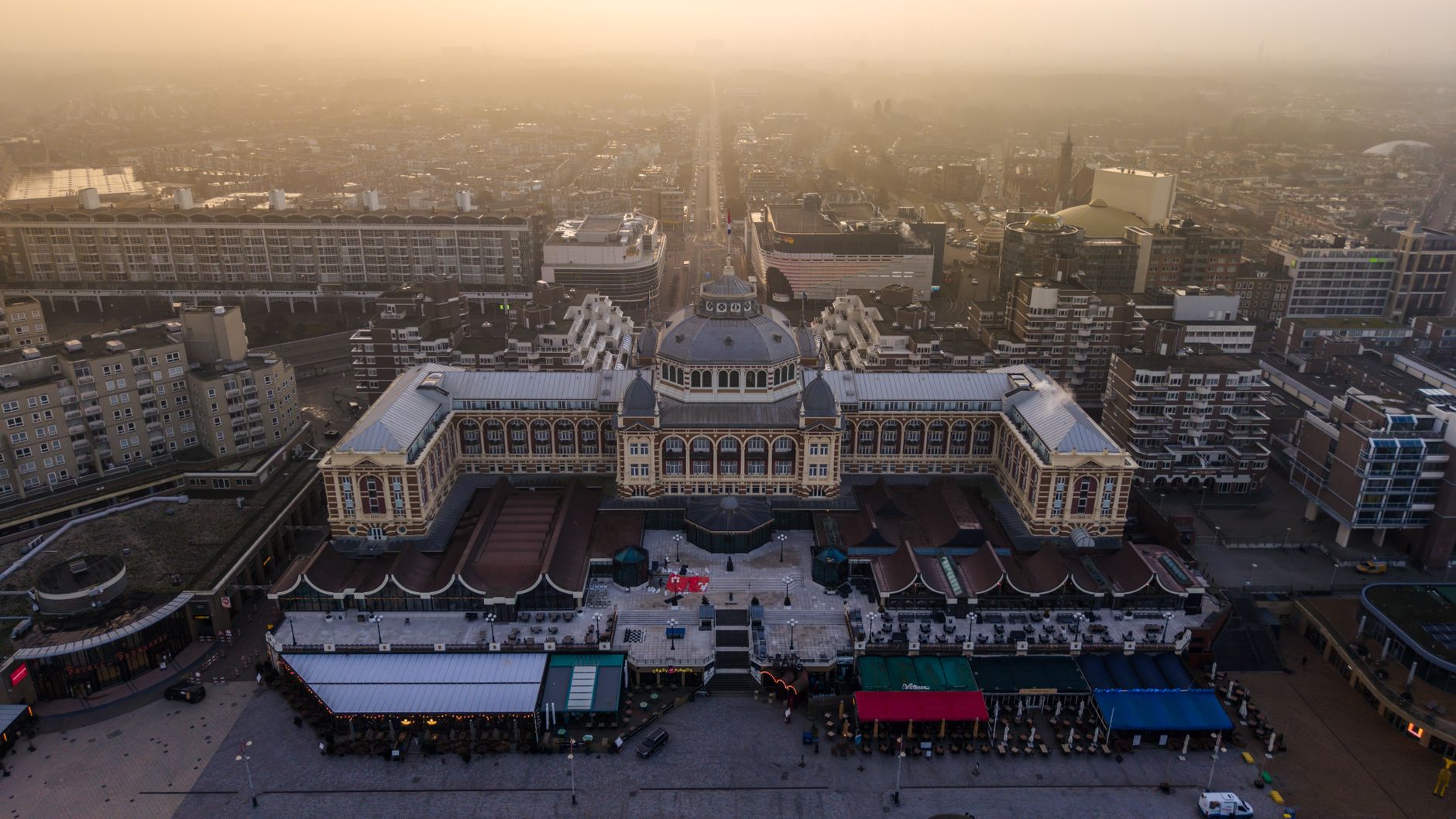
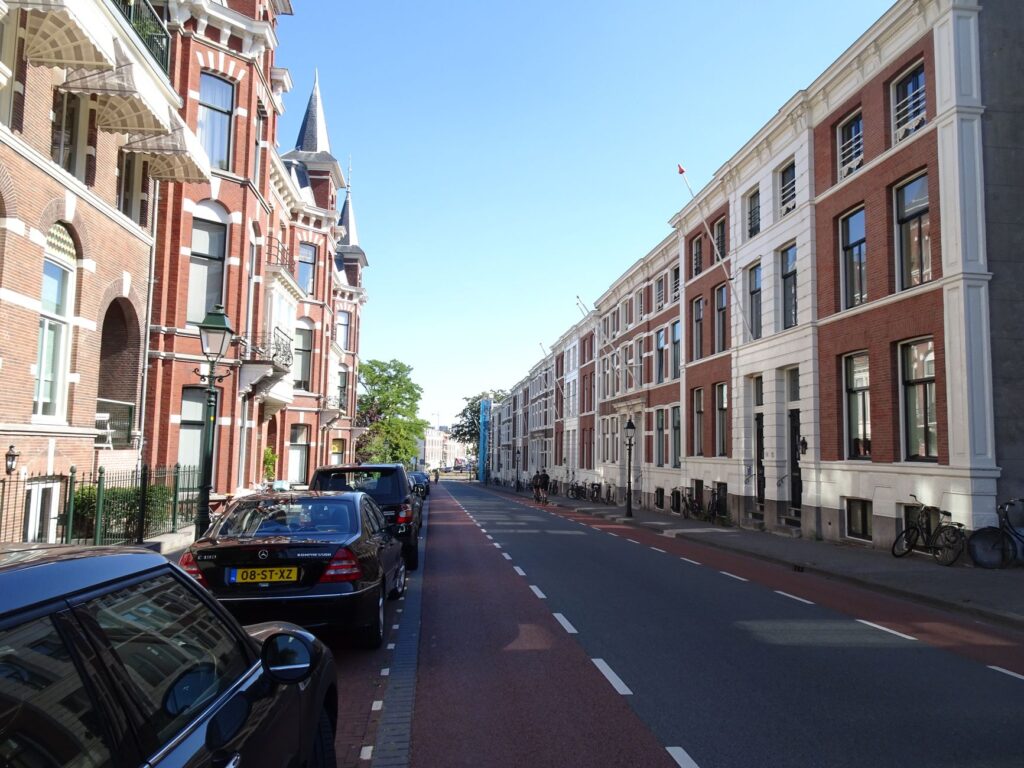
The urban layout reveals an architectural evolution spanning from the medieval vestiges of the Binnenhof to elegant 19th-century mansions. Each dark brick facade with large, curtainless windows reflects a way of understanding public space where transparency and the care of collective heritage form part of the local character. Residents navigate these streets with a naturalness that contrasts with the solemnity of the international courts and ministries headquartered here.
The Morning Pulse Around the Markets
The awakening of The Hague is clearly perceived in its squares and open-air markets, where vendors arrange their produce with meticulous care. The display of aged cheeses, smoked fish, and seasonal flowers paints a living still life that repeats several times a week in focal points such as Houtweg square or the surroundings of Noordeinde Palace. Here, neighbors exchange brief greetings while selecting ingredients for their daily meals.
This neighborhood commerce fosters a social fabric based on mutual trust and respect for artisanal traditions. Local bakers display regional specialties whose recipes have hardly varied in decades, while florists recall the historical importance that bulbs and plants have held in the country’s economy and culture. The morning hustle gradually fades toward midday, giving way to an atmosphere of serene neighborly coexistence.
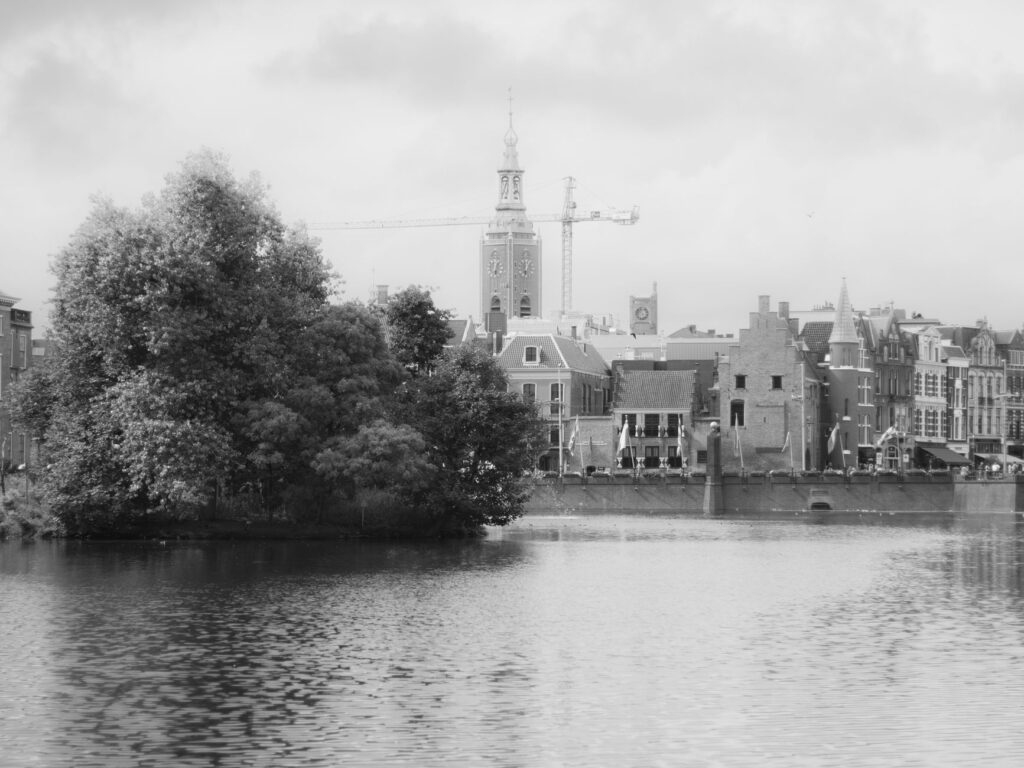
Canals and Waterways as Axes of Orientation
The network of canals crisscrossing The Hague’s urban fabric not only fulfills a scenic function but also structures the spatial orientation of those walking through the city. Unlike Amsterdam, the waterways here tend to merge with wide green spaces and urban parks such as Zorgvliet or the leafy Haagse Bos, an ancient forest that survives in the metropolitan heart and offers a natural refuge from the asphalt.
The banks of these canals serve as a daily setting for walkers and sports enthusiasts, who take advantage of the tree-lined paths to disconnect from the institutional environment. The coexistence between aquatic wildlife and urban architecture generates a visual contrast highly valued by those seeking to understand Dutch geography in proper measure, where water and land maintain a constant and peaceful negotiation.
Monumental Heritage and Civic Integration
The political heart of the Netherlands is concentrated in the Binnenhof complex, a group of historic buildings on the banks of the Hofvijver pond whose stones hold centuries of state decisions. Despite its governmental relevance, pedestrian access to this historic setting remains open, allowing passersby to cross its interior courtyards toward their workplaces or studies without barriers other than respect for the institutional space.
A few steps away, museums and art galleries integrate cultural offerings into the civic routine. The preservation of Renaissance and neoclassical buildings responds to municipal preservation policies that prevent the depersonalization of historic neighborhoods, ensuring that residents maintain a strong sense of belonging to their architectural and urban legacy.
Bicycle Life and Human Scale
Moving around The Hague means accepting the absolute primacy of the bicycle as the main means of transport. The cycling infrastructure, developed over decades, guarantees fluid and safe circulation connecting peripheral neighborhoods to the historic center and commercial areas. This sustainable mobility drastically reduces noise pollution and favors an urban scale where the pedestrian recovers prominence.
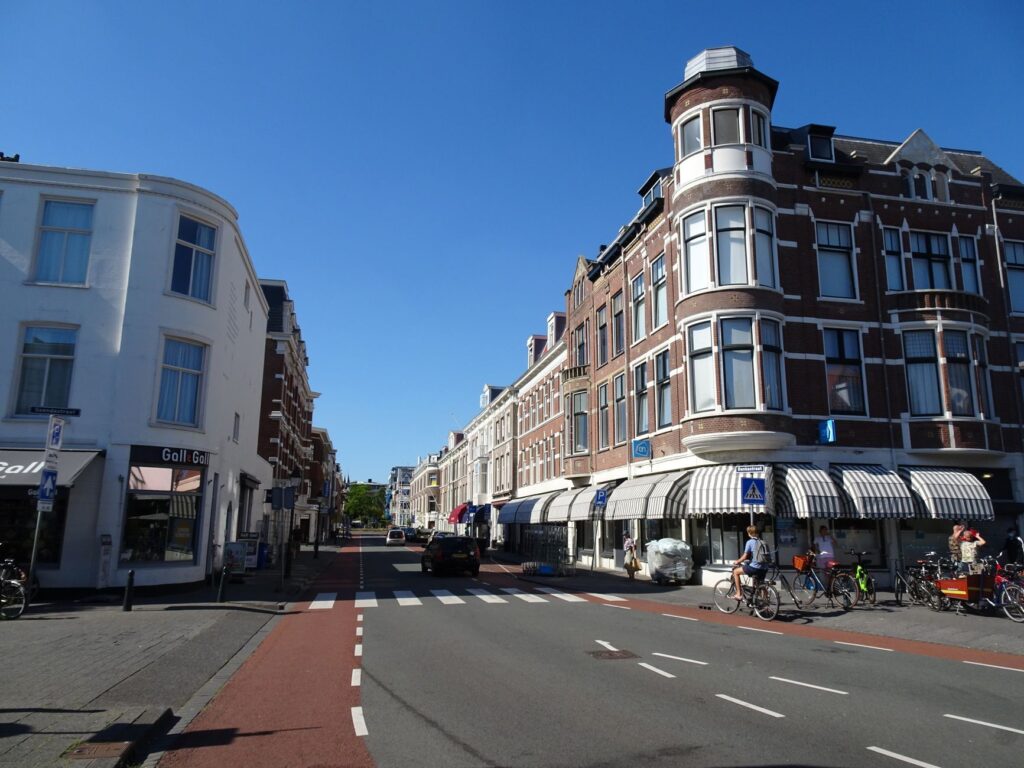
Bicycle parking facilities located near stations and main squares reflect millimeter organization. Students, civil servants, and retirees share the same bike lanes, generating a dynamic yet orderly flow that defines the community’s civic character. This daily fluidity helps the city maintain a friendly atmosphere, conducive to wandering without a fixed destination.
Green Spaces and the Transition to the Coast
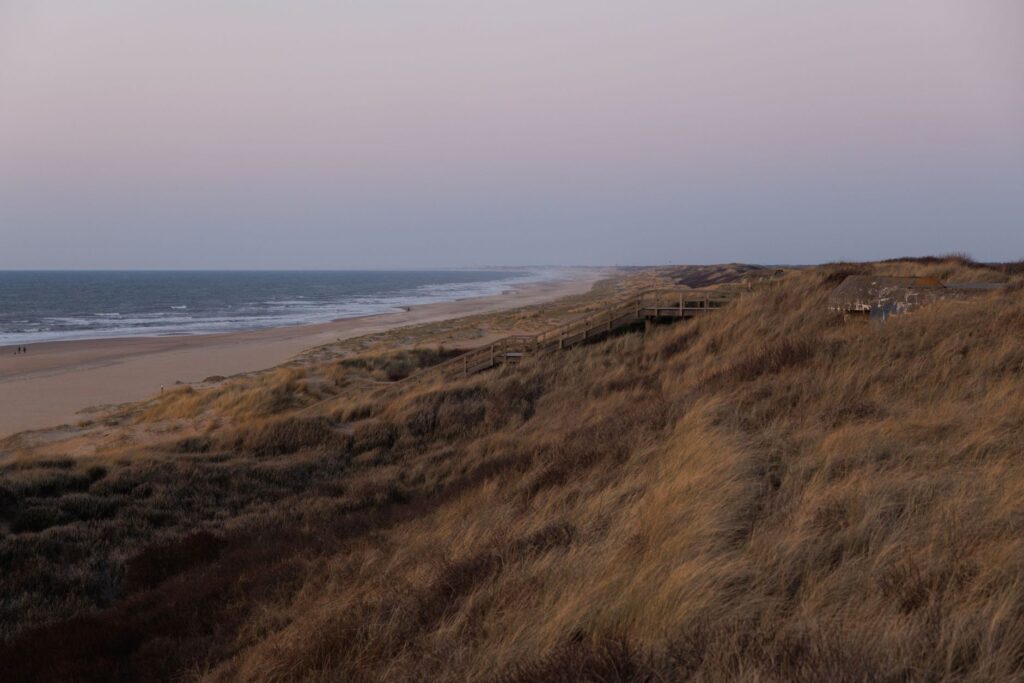
As one moves westward, The Hague’s urban landscape gradually transforms. Tree-lined streets and cobbled squares give way to wider avenues leading directly toward the coastal dunes and the beaches of Scheveningen. This landscape transition constitutes one of the locality’s greatest geographical attractions, allowing visitors to alternate urban architecture with the marine horizon in just a few minutes.
The protected dunes separating the city from the North Sea act as an ecological corridor of great value. Pedestrian paths and bike tracks cross this dune environment, where native vegetation resists marine winds and provides an ideal habitat for various bird species. It is the preferred meeting place for inhabitants during weekends to stroll and breathe the salty air.
Daily Gastronomy and Flavors of the Sea
The culinary offerings of The Hague reflect both its status as a political capital and its proximity to the North Sea. Street stalls dedicated to selling fresh herring, known locally as haring, form part of a deeply rooted gastronomic tradition enjoyed with onions and pickles, following a ritual practiced by residents for generations.
Alongside these traditional stalls, restaurants in the historic neighborhoods offer a varied selection of internationally inspired dishes and traditional Dutch regional cuisine, featuring pea soups, meat stews, and remarkable pastries. Cooking is understood here as an intergenerational meeting space, where families gather in time-honored cafes to share a steaming cup of coffee and artisanal sweets.
The true identity of an administrative city does not reside in its government offices, but in the patience with which its inhabitants care for every corner of their shared space.
Responsible Practices for the Visitor
Tourism in The Hague benefits from an approach respectful of the environment and the local community. Visitors are encouraged to use the tram network and bicycles for their journeys, avoiding private vehicles in the historic center. Likewise, respecting coexistence rules in bike lanes and exercising discretion when photographing residential areas guarantee harmonious coexistence between travelers and permanent residents.
Supporting local commerce in traditional markets and small neighborhood shops contributes to the city’s economic sustainability. Travelers should also keep in mind the importance of preserving the natural spaces of the dunes and urban parks, limiting travel to marked trails and responsibly managing waste during their stay.
Practical guide
How to get there: The Hague features frequent rail connections from major airports in the Netherlands, such as Amsterdam Schiphol and Rotterdam The Hague, facilitating direct access to the city center within minutes.
Internal transport: The best way to explore the locality is on foot or by bicycle, complemented by an efficient network of urban trams and buses managed by the HTM company.
Accommodation: Various options exist ranging from small boutique hotels in historic buildings to guesthouses and apartments in districts surrounding the center.
Recommended gastronomy: Try fresh herring at traditional harbor stalls and enjoy coffee with homemade apple pie in cafes paired with traditional terraces.
Climate and best time to visit: Spring and summer months offer mild temperatures and longer daylight hours, though maritime weather can change rapidly, so light waterproof clothing is recommended.
Official currency: Euro (EUR), with widespread availability of electronic payments in almost all commercial and transport establishments.
Local etiquette: It is customary to greet when entering small shops and strictly respect areas reserved for cyclists on shared sidewalks and streets.
Final Reflection on Urban Memory
The Hague demonstrates that it is possible to maintain a delicate balance between high institutional representation and the simplicity of community life. Among its quiet canals, stately facades, and the constant murmur of the marine wind, the city preserves a living memory that needs no artifice to show its authenticity. Every traveler who wanders its streets without haste discovers a space where past and present coexist in absolute harmony, offering an enduring lesson on the art of inhabiting the territory with respect and dignity.