
The Memory of Stone in the Lisbon Metropolitan Area
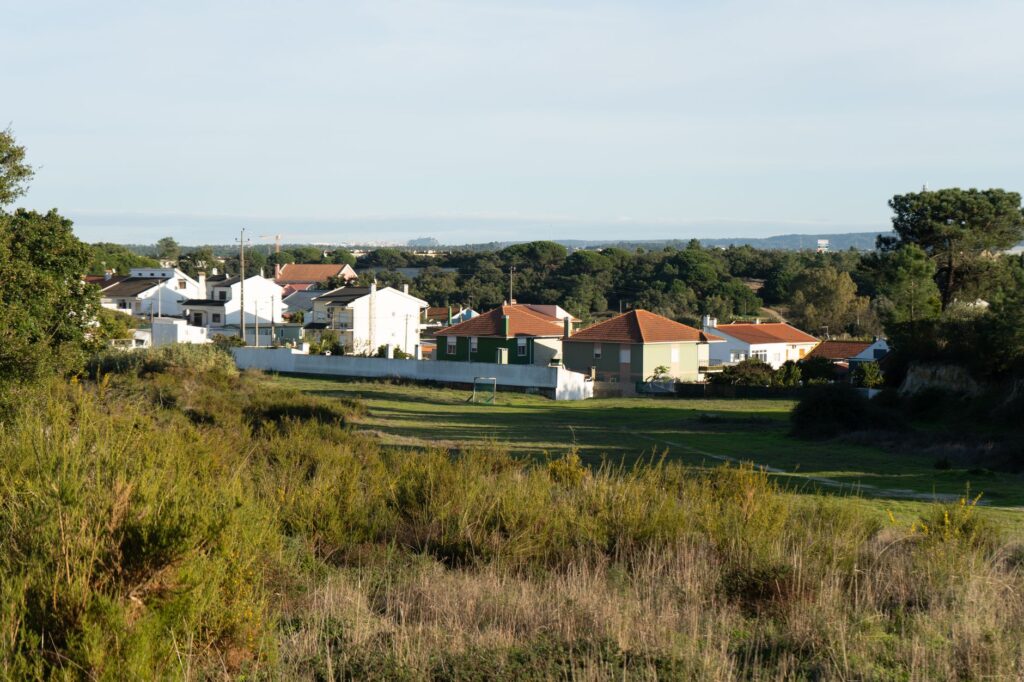
Within the municipality of Sintra, inside the Lisbon district, stands Queluz, a populated place exceeding one hundred thousand inhabitants that balances its monumental historical heritage with contemporary urban development. Situated on the western fringe of the metropolitan area, the locality maintains its own distinct rhythm that differs from the nearby capital. While visitor flows concentrate around the grand palatial attractions, residential neighborhoods operate on a community-oriented logic focused on environmental preservation and the maintenance of neighborhood commerce. This balance between the weight of the past and the demands of the present defines the daily identity of those who inhabit the place, where public space management has become a priority for local councils and resident associations.
The urban layout of Queluz reflects decades of demographic and territorial transformation. Former agricultural areas and traditional pathways have given way to residential infrastructure accommodating a diverse population, integrated both by families rooted in the region and new residents arriving from different latitudes. This coexistence generates a complex social fabric where collective memory is transmitted through squares, markets, and small shops that resist commercial homogenization. Citizen choices, from walking mobility to the responsible use of water and energy, configure a human-scale sustainability model that contrasts with the pressure of large cities.
Monumental Heritage as an Axis of Community Life
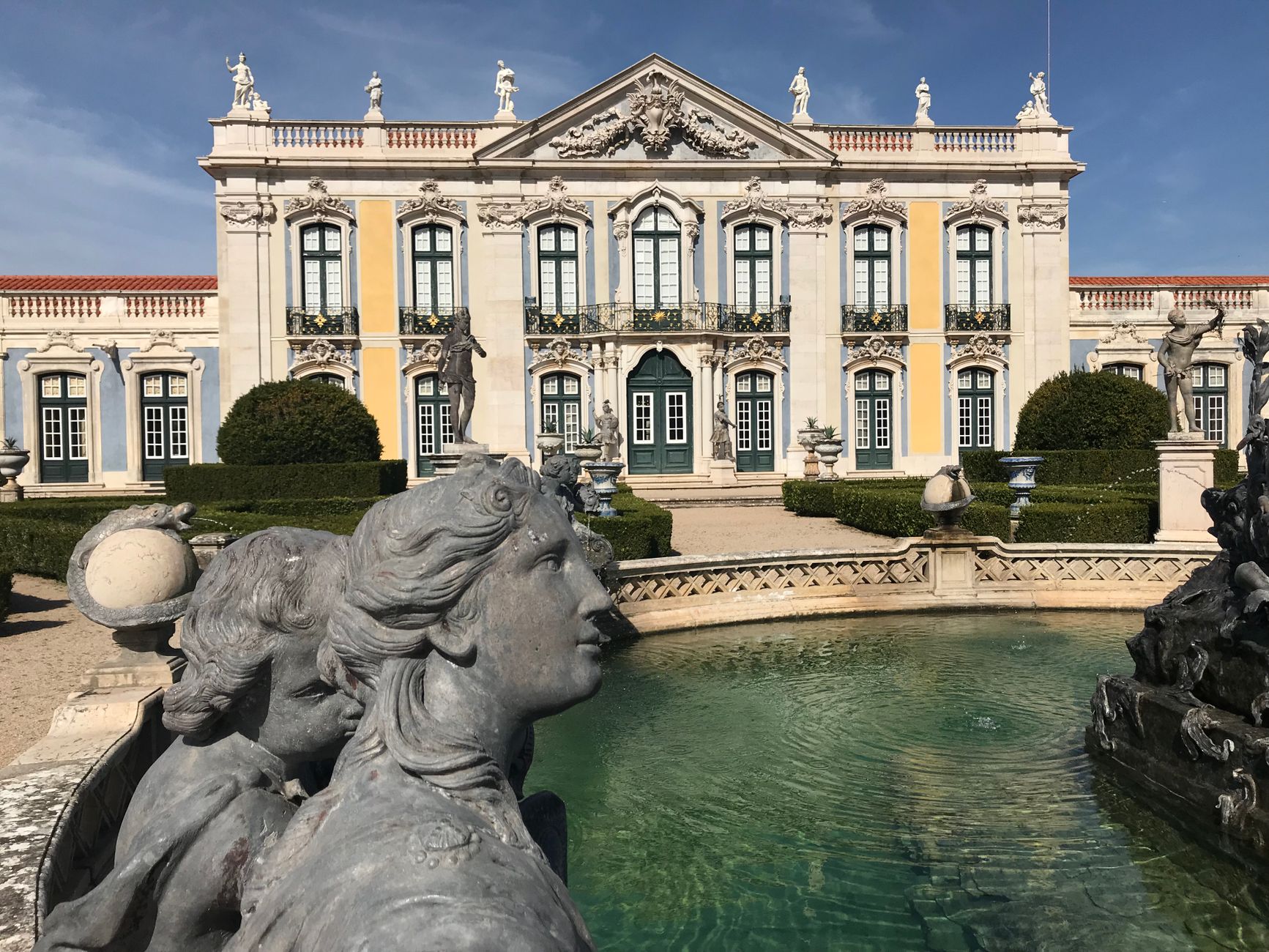
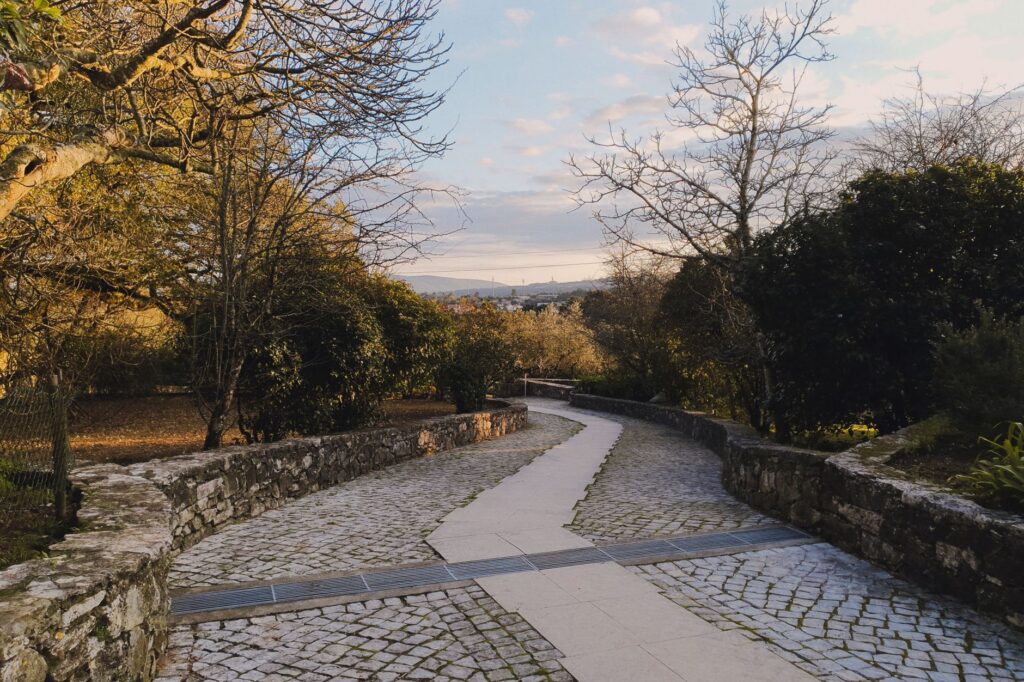
The architectural ensemble of Queluz, internationally known for its palace and gardens, exerts a constant influence on the community’s perception of its own environment. Far from constituting a mere tourist stage, the landscaped areas and historical canals act as green lungs and meeting points for citizens. The local administration, in collaboration with cultural entities, promotes initiatives designed to integrate these heritage assets into the daily routine of the neighborhoods. In this way, Sunday walks around the historical enclosures form part of the identity of several generations of residents who defend the conservation of these spaces against real estate speculation.
The relationship between heritage and urban sustainability is also manifested in the protection of surrounding natural resources. Local associations drive environmental education programs directed at educational centers and residents, aiming to raise awareness about the importance of local biodiversity. Although demographic pressure is a constant challenge, the community response is articulated through active participation in citizen forums and monitoring of land-use policies. The conservation of open spaces responds not only to aesthetic criteria but to an urgent need to maintain ecological balance in a densely populated region.
The Pulse of Markets and Proximity Economy
Local commerce and traditional markets constitute the true social engine of Queluz. In these spaces, the relationship between vendor and buyer transcends mere economic transaction to become an act of neighborhood cohesion. Regional products, ranging from vegetables grown in peri-urban gardens to artisanal pastry, circulate through short supply channels that reduce the carbon footprint and support small producers. This circular economy network reinforces community resilience in the face of global market fluctuations and ensures that generated wealth remains within the local sphere.
Municipal policies and neighborhood initiatives have found in markets a convergence point to foster sustainability. Campaigns have been implemented to reduce single-use plastics, and the separation of organic waste for community composting is encouraged. These practices, rooted in the daily routine of merchants, demonstrate that the ecological transition does not necessarily require massive technological investments, but rather a cultural shift based on shared responsibility. Residents positively value this closeness, which contrasts with the anonymity of large commercial surfaces located in the metropolitan peripheries.
The true strength of a community lies in its capacity to care for what sustains it, combining respect for collective memory with responsible action in the present.
Daily Mobility and the Challenge of Sustainable Transport
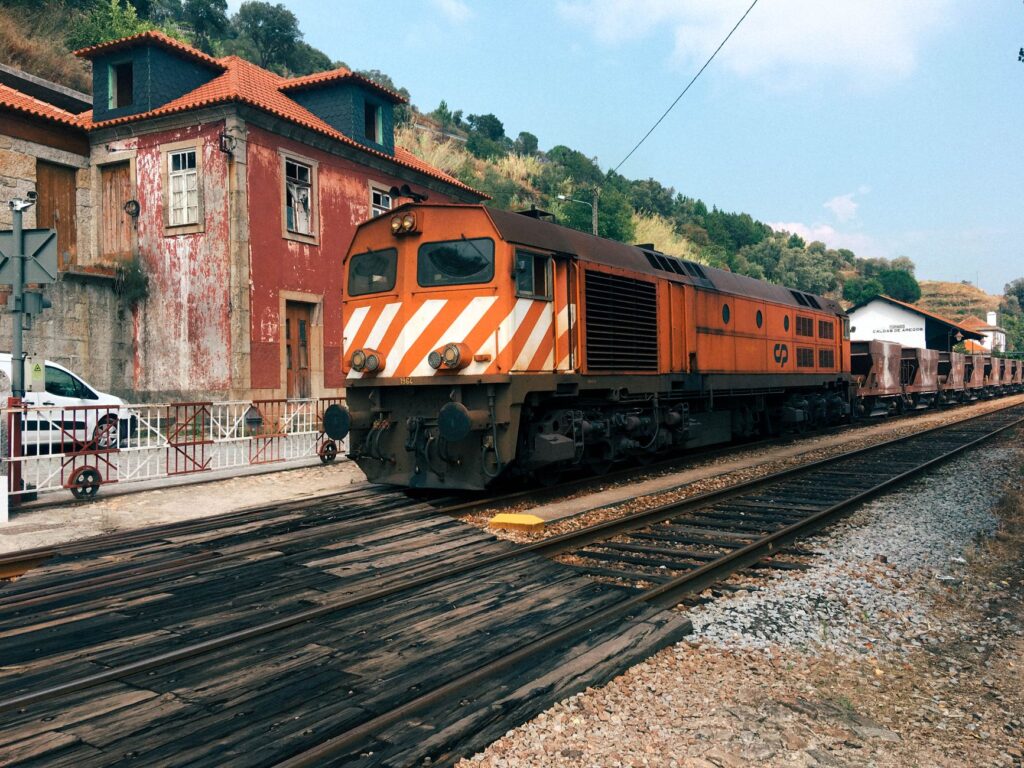
Moving around Queluz and its surroundings involves confronting the typical challenges of an area with high pendular traffic density toward Lisbon. The railway network, connecting the locality with the capital and Sintra, is the backbone of daily commutes for thousands of workers and students. The use of trains and urban buses is a priority option to reduce road congestion and pollutant emissions. However, resident associations insist on the need to improve and expand pedestrian infrastructure and bike lanes to facilitate short-distance travel without relying on private vehicles.
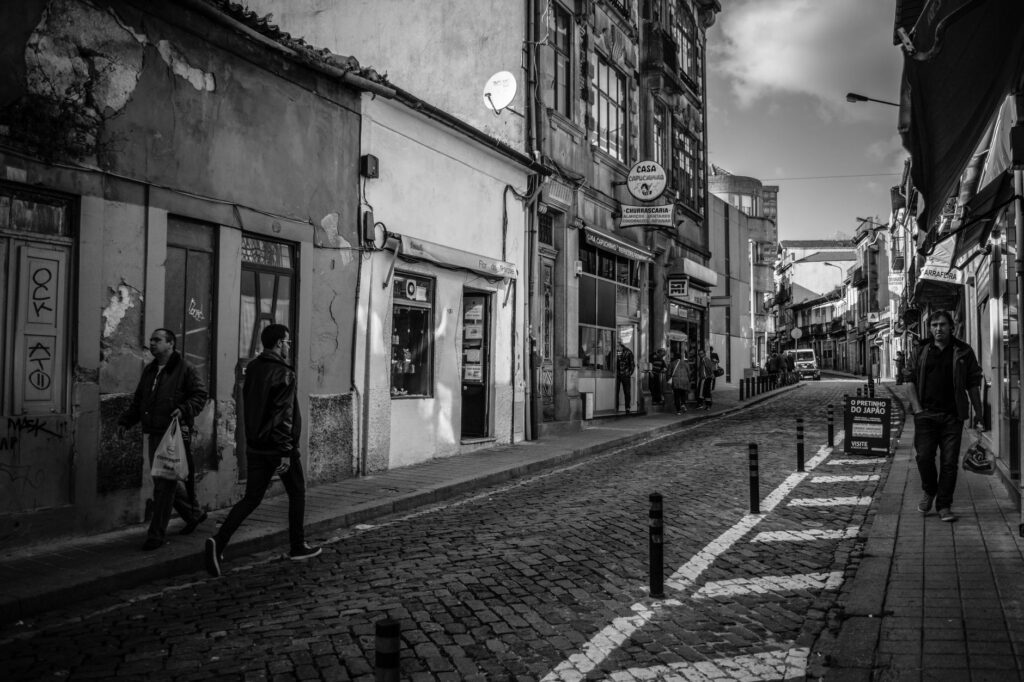
In recent years, local authorities have launched sustainable urban mobility plans aimed at pacifying traffic in residential areas and widening sidewalks on main arteries. These measures seek to make walking safer for children and older adults, fostering a healthier and more active lifestyle. Integrating different modes of transport is a complex process requiring constant coordination between various levels of public administration and citizen demands, who demand efficient and environmentally friendly solutions.
Green Spaces and Biodiversity in the Urban Fabric
Despite intense urban development, Queluz preserves valuable patches of vegetation and urban parks that serve as refuges for local fauna and recreation spaces for inhabitants. The management of these green areas follows sustainability criteria, prioritizing native plant species that require lower water consumption and better withstand summer droughts. Local volunteers regularly participate in cleanup and reforestation days, consolidating a sense of belonging and responsibility toward the natural environment surrounding their homes.
The protection of small water streams and creeks traversing the area is another priority for environmental and neighborhood groups. These river courses, historically neglected or improperly channeled, are the object of ecological restoration projects aimed at recovering their hydrological functionality and landscape value. Restoring these green corridors not only improves air quality and urban biodiversity, but also offers citizens new places for direct contact with nature without leaving the municipal boundary.
Cultural Life and Citizen Participation
Cultural dynamization in Queluz relies on a network of local associations, civic centers, and libraries promoting activities for all sectors of the population. From historical memory workshops to contemporary art exhibitions and gastronomic gatherings, the cultural agenda reflects the demographic diversity of the municipality. This offering does not seek to attract mass tourism, but rather to strengthen bonds among residents themselves, offering spaces for expression and intercultural dialogue that enrich community life.
Citizen participation in participatory budgeting and neighborhood councils allows decisions on public investments to reflect the real needs of residents. This local governance model fosters transparency and trust in institutions, reducing the distance between administrators and the administered. The citizens of Queluz demonstrate a strong commitment to their environment, understood not only as a physical space, but as a collective project built day by day through shared effort and civic responsibility.
Practical guide
How to get there: The most efficient way to reach Queluz from Lisbon or Sintra is via the Sintra railway line, operated by CP (Comboios de Portugal), disembarking at Queluz-Belas station.
When to go: Spring and autumn offer mild temperatures ideal for exploring historical gardens and natural spaces without the high summer temperatures.
Where to eat: Visiting municipal markets and small taverns in the historic center is recommended to taste traditional Portuguese gastronomy based on local products.
Getting around: The urban bus network connects various neighborhoods with train stations, although much of the historic and commercial center is easily explored on foot.
Visit rules: When visiting the palace and gardens, respect marked trails, do not litter, and collaborate in the conservation of historical and natural heritage.
Accommodation: Small-scale options and local lodgings integrated into the urban fabric are prioritized to support the proximity economy.
Useful information: Local tourism offices offer updated maps and guides on walking routes and cultural events within the municipality.
The Future of a Community Rooted in Its History
The future of Queluz is shaped by the capacity of its inhabitants to reconcile urban growth with the defense of their heritage and environment. Decisions made today regarding mobility, waste management, and the protection of public space will determine the quality of life for coming generations. Along this path, the memory of stone and the daily flow of its people intertwine to demonstrate that sustainable development is not a distant goal, but a daily practice built through collective effort and respect for local identity.