
Introduction to the Historical Labyrinth of Fès al Bali
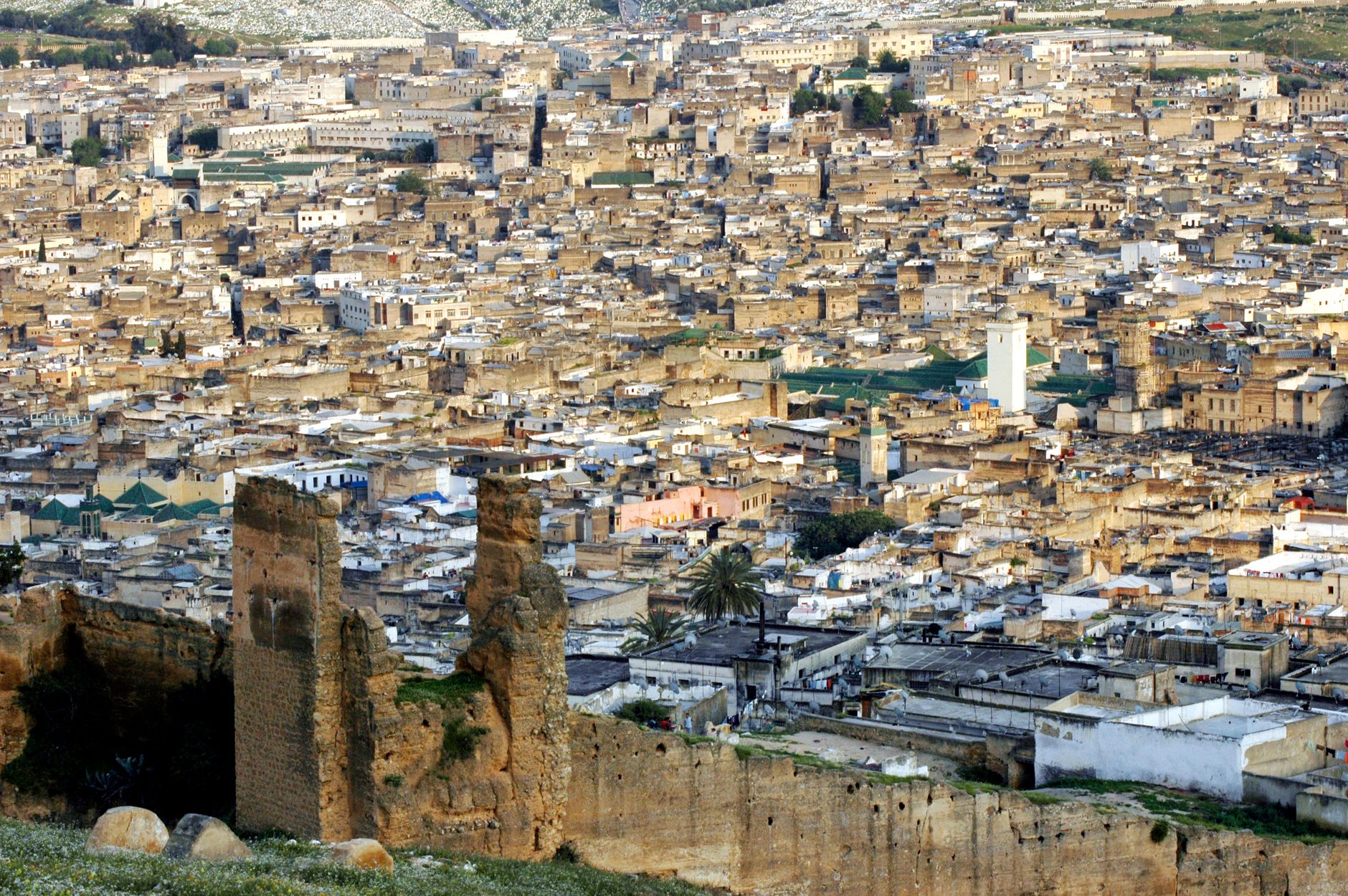
Fès al Bali, the foundational and walled core of the city of Fez in Morocco, represents one of the best-preserved medieval urban settlements in the Islamic world. Designated as a UNESCO World Heritage site, this vast urban network is not merely an open-air museum, but a living ecosystem where more than one hundred and fifty thousand inhabitants coexist within an irregular relief that descends gently from the surrounding mountain foothills. For travelers seeking an approach rooted in walking adventure and urban hiking, this territory demands rigorous preparation that goes far beyond conventional tourism. Understanding the topography, weather conditions, and local regulations is essential for traveling safely and respectfully.
Unlike large open natural spaces, urban hiking in a setting of high historical density presents unique logistical challenges. The narrow, steep pedestrian streets act as canyons of shadow and stone where traditional GPS orientation often fails due to wall thickness and the absence of clear sightlines. Planning each day in advance and possessing adequate physical fitness to endure prolonged walks over irregular paving stones are the foundational pillars upon which any responsible expedition to Fès al Bali must rest.
The intricate nature of the streets requires visitors to remain attentive at all times. Navigating this vast space involves continuous adaptation to changing environmental conditions, pedestrian flows, and architectural boundaries. Understanding the historical context helps frame the physical effort required to traverse the various neighborhoods, ensuring that the journey remains both safe and deeply educational.
Geographical Environment and Terrain Topography
Situated at an approximate elevation of two hundred and thirty-seven meters above sea level, the area is influenced by the proximity of the Middle Atlas mountains, which imparts notable variations in the relief of the old town. The terrain features constant elevation changes, with steep slopes connecting the lower areas, through which the Fez River flows, to the upper neighborhoods and defensive fortifications flanking the valley. This topographic layout means that traversing the medina involves physical effort comparable to a mid-mountain route, even though the ground is paved with traditional cobblestones, worn stones, and masonry staircases.
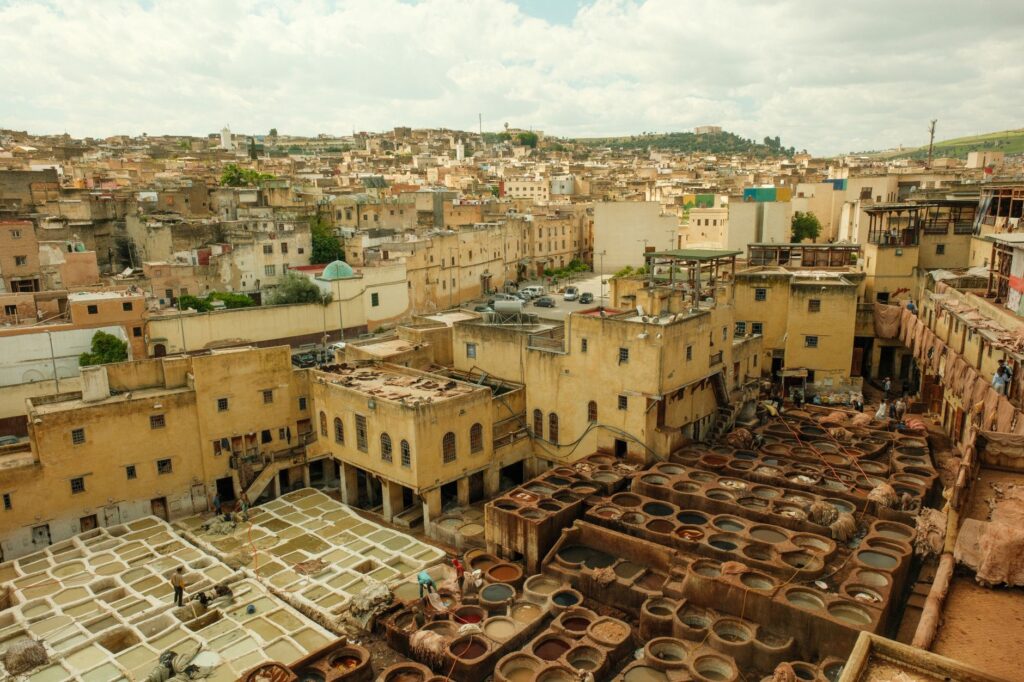
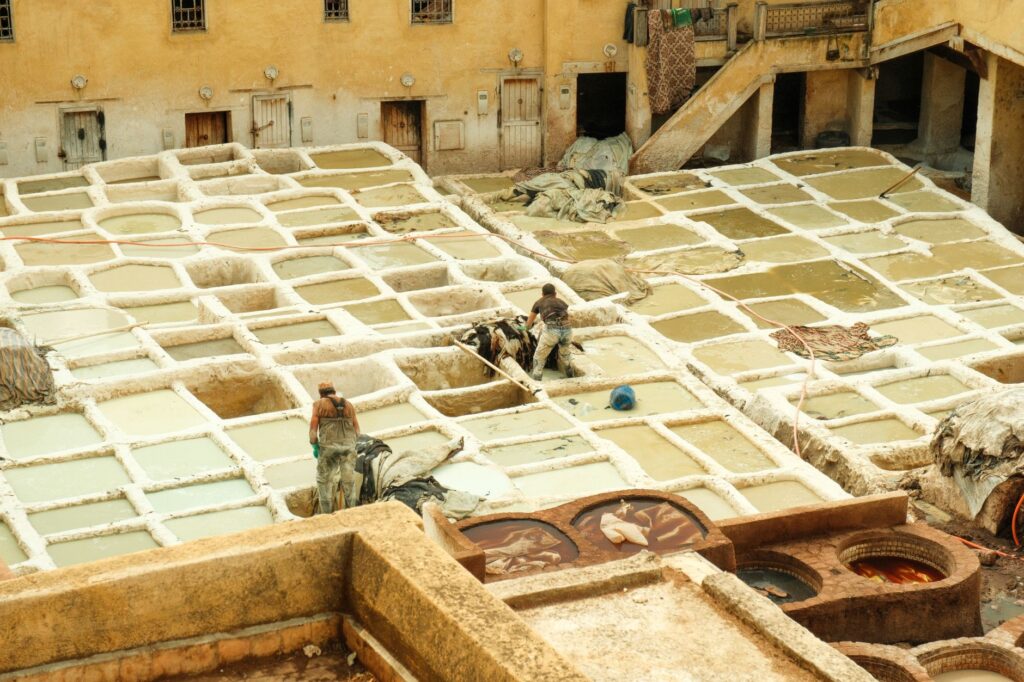
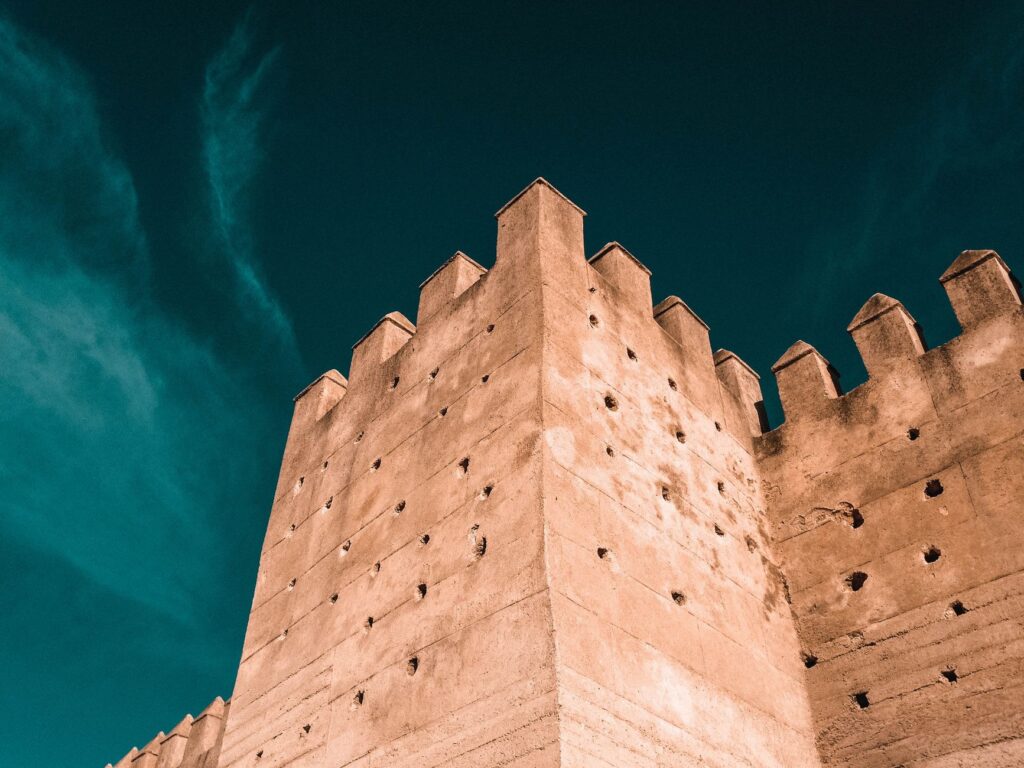
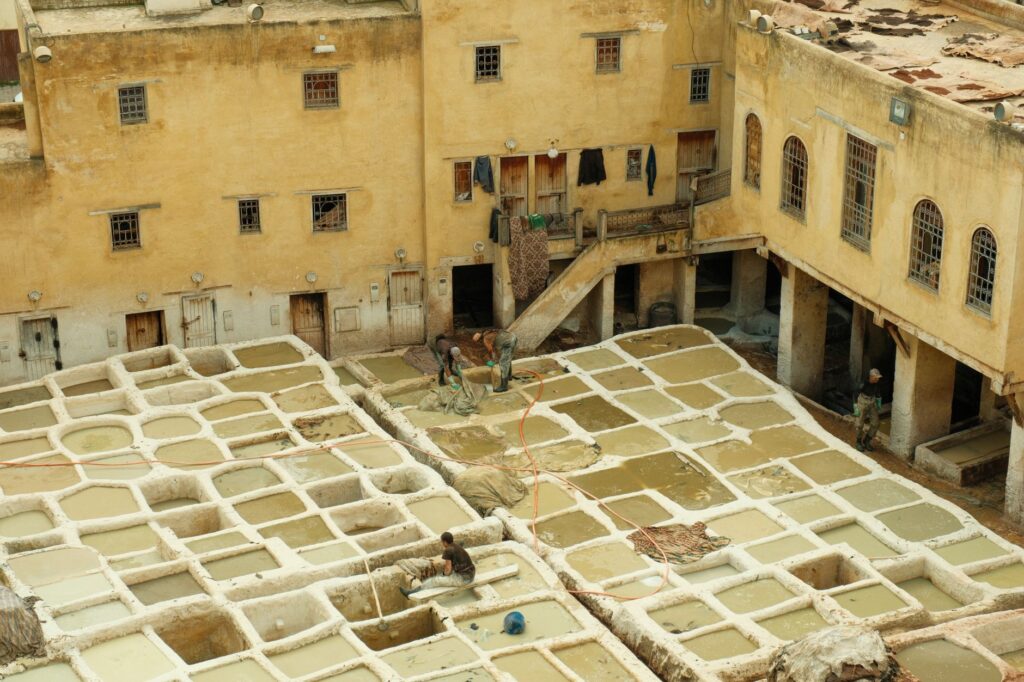
Understanding the geographical environment also requires paying attention to the boundaries of the walled zone. The historical gates, locally known as babes, serve as fundamental geodetic reference points for visitors. Far from being a homogeneous terrain, the ground changes texture depending on the guild district being crossed; the tanneries and commercial areas present moisture or dust accumulations that alter footwear traction. Therefore, wearing urban hiking boots with high-traction soles and ankle support is an indispensable technical recommendation to prevent injuries during prolonged journeys.
The layout of the paths reflects centuries of organic urban growth, resulting in gradients that test the endurance of even experienced walkers. Recognizing these topographical features before embarking on a daily route helps manage energy expenditure and prevents unexpected fatigue in remote sectors of the urban settlement.
Seasonal Climate and Meteorological Planning
The climate in this region of Morocco is characterized by marked seasonality that directly conditions the viability and comfort of any outdoor physical activity. Summers are extremely hot and dry, with maximum temperatures easily exceeding values considered comfortable for prolonged exertion, while winters can bring cold mornings and seasonal rainfall that turns steep ramps into slippery surfaces.
To conduct a safe exploration, checking local weather bulletins before starting each day of walking is strongly advised. During the summer months, direct solar radiation in the few open squares and elevated terraces requires the use of broad-spectrum sunscreen, caps, and constant hydration. Conversely, transitional seasons bring morning fogs and noticeable thermal drops by late afternoon, making the principle of layered clothing essential for regulating body temperature during exercise.
Preparing for these meteorological fluctuations ensures that physical activities can be maintained without compromising health or safety. Monitoring weather patterns throughout the day adds an extra layer of preparedness for travelers undertaking extended walking itineraries.
Physical Preparation and Route Demands
Facing the pedestrian routes of Fès al Bali requires moderate-to-high physical fitness due to the combination of heat, accumulated elevation changes, and ongoing movement. An average walker can easily accumulate several kilometers of daily marching interrupted by staircases and constant inclines. Leg muscles and lower joints are subjected to continuous stress, so strength training and aerobic endurance exercises are recommended weeks before embarking on the journey.
Adapting to the local rhythm is another critical performance factor. The constant flow of people, pack animals, and artisanal carts requires frequent stops and starts, altering cardiovascular cadence. Respecting local porters and workers ensures harmonious coexistence and avoids risky situations in narrower sections where physical space is reduced to a minimum.
Building stamina gradually during the initial days of exploration helps the body adjust to the unique demands of the terrain. Rest periods should be integrated into daily planning to sustain performance levels across multiple days of travel.
Safety, Navigation, and Orientation Protocols
Safety in a complex urban environment relies on prevention and the traveler’s self-management capacity. Although violent crime rates are low, population density and labyrinthine structures can generate feelings of disorientation. It is essential to always carry updated physical maps or downloaded offline cartographic applications, as exclusive dependence on the mobile network can fail in deeper alleys.
VENTURING outside primary itineraries during nighttime hours without deep sector knowledge is strongly discouraged. Likewise, maintaining a prudent and respectful attitude toward local authorities or security personnel contributes decisively to a peaceful journey. Carrying a basic first-aid kit, rehydration solutions, and identification documents in a secure place completes the essential operational equipment.
Clear communication protocols and familiarity with main landmarks significantly reduce navigation errors. Maintaining situational awareness in crowded marketplaces and narrow passageways ensures a secure and stress-free exploration.
Environmental Impact and Sustainability on the Urban Trail
The conservation of a historical site of this magnitude depends on both institutional policies and the civic behavior of its visitors. Adventure tourism and urban exploration generate an ecological footprint that must be minimized through responsible practices. Disposing of waste of any kind on public roads or watercourses crossing the area is strictly prohibited; all packaging and disposable material must be kept until proper containers are found.
Efficient use of water and energy resources during stays in traditional local accommodations, known as riads, forms part of the conscious traveler’s ethic. Supporting the local economy by purchasing goods directly from local artisans, without aggressive commercial pressure, fosters the preservation of traditional trades that give soul and meaning to the cultural heritage of Fès al Bali.
Minimizing environmental disruption preserves both the physical integrity of the historical infrastructure and the quality of life of the local community. Sustainable choices reinforce the positive relationship between visitors and the destination.
Recommended Practices to Minimize the Traveler’s Footprint
- Use reusable water bottles to avoid mass consumption of single-use plastics.
- Respect the privacy of local residents and seek consent before photographing individuals in private or semi-closed spaces.
- Maintain a moderate voice volume during early morning or nighttime transits to preserve neighborhood tranquility.
- Always follow marked primary trails and avoid entering private properties or restricted zones without authorization.
- Support community initiatives that promote heritage preservation and environmental education.
- Limit energy consumption within lodging facilities by turning off lighting and climate control systems when leaving rooms.
The true value of a journey through historical paths does not lie in marching speed, but in the depth of understanding and absolute respect for the environment being traversed.
Practical guide
This section compiles essential logistical data for preparing a visit to Fès al Bali based on safety, sustainability, and heritage respect criteria.
- Main location: Fès al Bali, Fes-Meknes, Morocco.
- Reference coordinates: 34°04′12″ N, 4°57′17″ W.
- Average elevation: 237 meters above sea level.
- Predominant climate: Mediterranean continental with hot, dry summers and moderate winters.
- Main access: Pedestrian only; motorized vehicle traffic is prohibited inside the medina.
- Equipment recommendation: Urban hiking footwear, lightweight breathable clothing, sun protection, and an offline navigation system.
- Local currency: Moroccan Dirham (MAD), with ATMs available along the perimeter walls.
Responsible exploration of this ancient enclave demonstrates that urban and cultural hiking, when planned with technical rigor and environmental sensitivity, constitutes one of the most enriching experiences for contemporary travelers interested in the history and human geography of Morocco.