
The Open Gateway to Northern Peru
Located on Peru’s northwestern coast, the city of Chiclayo stands as the economic and cultural heart of the Lambayeque department. Far from the bustling activity of the federal capital, this coastal enclave and agricultural valley combines a hospitable provincial atmosphere with the energy of a major trade hub. Formally founded in the sixteenth century and consolidated during the republican era, the city rises over soils that once sheltered some of the most complex civilizations of ancient Peru, such as the Moche and the Sican cultures.
First-time visitors discover an urban fabric where republican balconies with wrought-iron railings coexist with bustling markets and avenues shaded by centennial ficus trees. Unlike other Andean metropolises, here the daily rhythm is set by the proximity to the Grau Sea and the warmth of a dry, sunny climate. The main streets reflect a hardworking daily life where traditional crafts, neighborhood trade, and popular devotion create a genuine experience for those seeking to understand the true essence of Peru’s northern coast.
Commercial Pulse and Memory in the Central Market
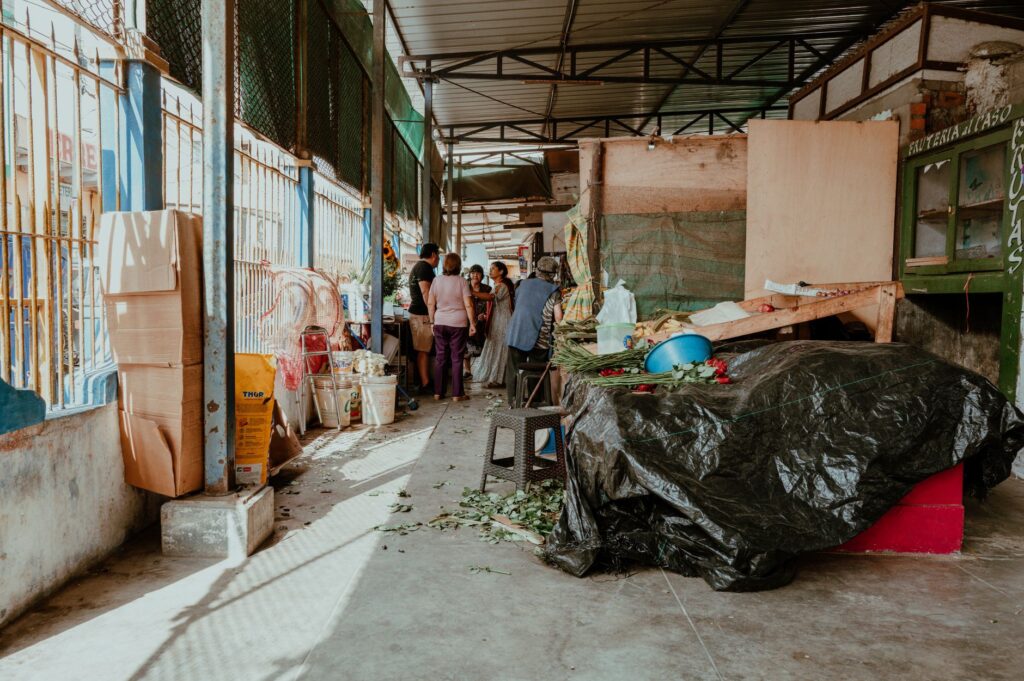
The beating heart of Chiclayo is concentrated in its supply spaces, with the Central Market and the famous Model Market serving as the epicenters of daily life. In these venues, the day begins before dawn with the arrival of agricultural produce harvested in the surrounding valleys of Chancay and Reque. Fresh vegetables, grains, and tropical fruits fill every aisle with color and aromas, offering an unmatched panorama of the agricultural biodiversity of northern Peru.
Within this commercial complex stands the Paseo de las Musas and, very notably, the sector dedicated to traditional medicine and ancestral knowledge. Healers and traditional practitioners from the northern coast and highlands gather here to offer herbs, amulets, San Pedro cactus extracts, and ritual elements that form part of an ancient worldview. This section of the market is not a mere tourist attraction, but a living space where traditional pharmacopoeia remains active in addressing the daily ailments of the local population.
The value of a traditional market lies not only in the variety of its goods, but in its capacity to act as the living archive where a community preserves its food memory and daily wisdom.
Republican Heritage and Domes in the Historic Center
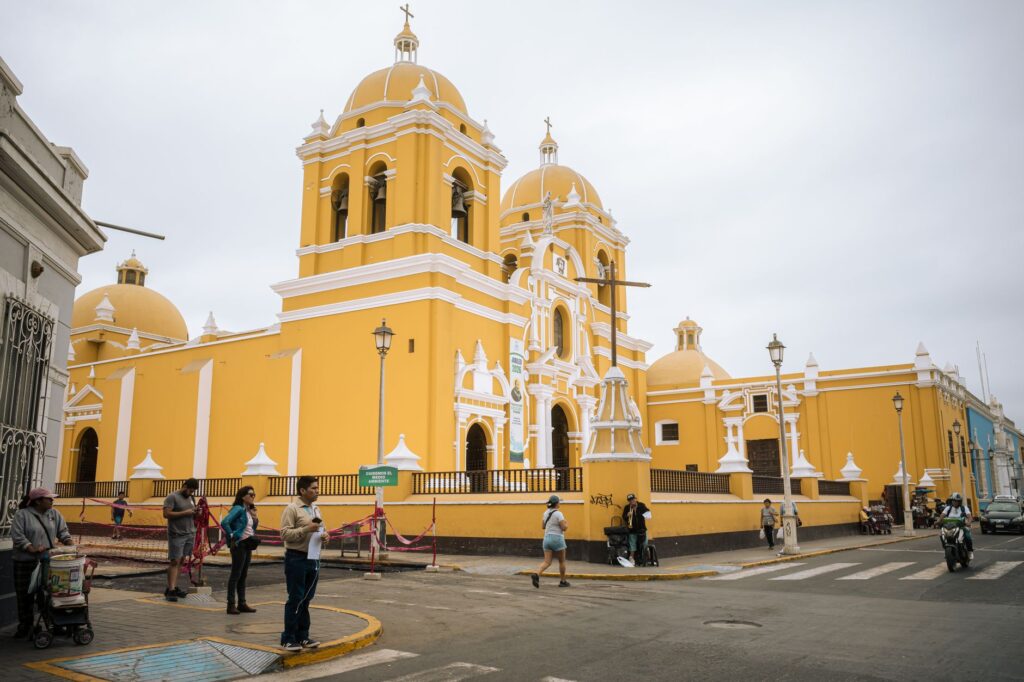
The urban layout of Chiclayo’s historic center preserves buildings of great architectural value that narrate its evolution from a modest colonial doctrine into a provincial capital. The Plaza de Armas, flanked by ficus trees planted in the late nineteenth century, serves as the natural meeting point for residents. Around it stands the imposing Cathedral of Chiclayo, a neoclassical temple whose main facade was designed based on plans attributed to Gustave Eiffel’s workshop.
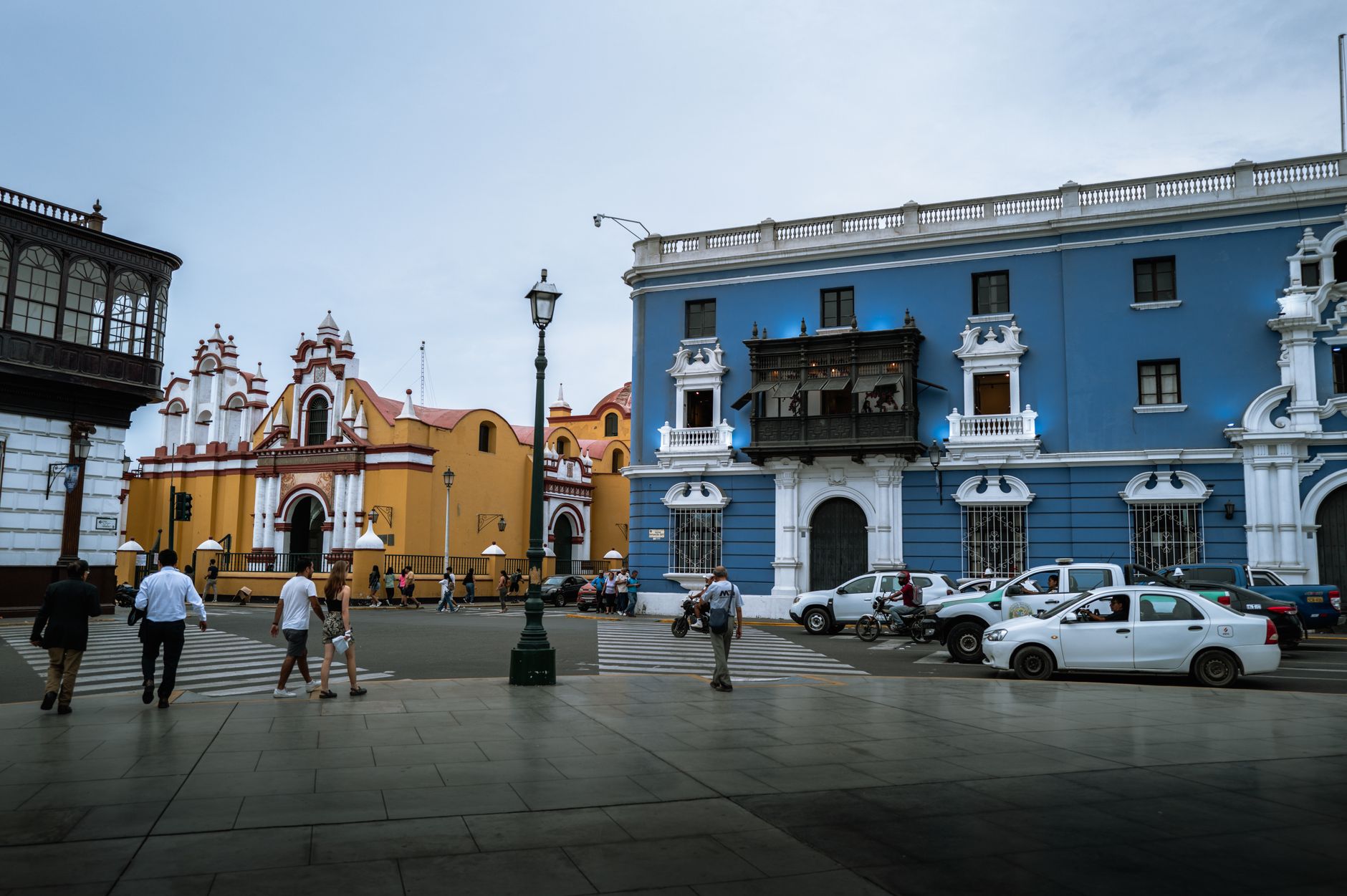
Walking just a few blocks from the main square, the stroller discovers stately homes with ornate facades, wrought-iron windows, and interior courtyards that recall the economic boom generated by the sugar agroindustry in the late nineteenth and early twentieth centuries. These buildings, though many are now adapted for retail commerce, maintain the dignity of an era when the city consolidated its political and administrative role in northern Peru.
The Route of Moche and Sican Treasures
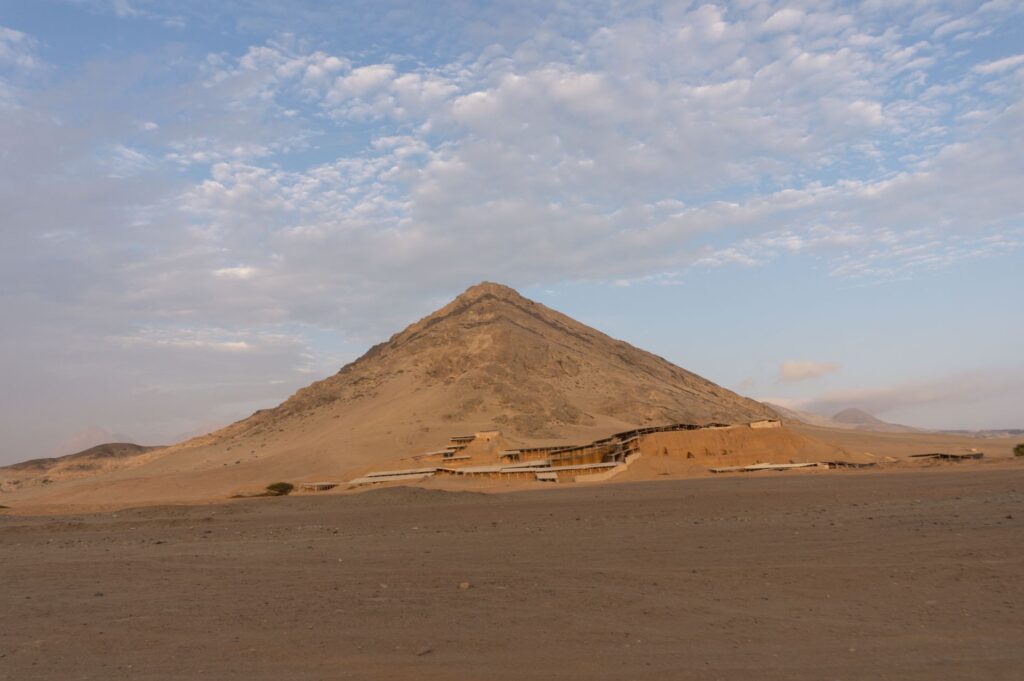
Chiclayo’s geographical position makes it an indispensable starting point for delving into the country’s pre-Inca past. A few kilometers outside the urban radius stand monumental archaeological complexes that have rewritten the history of the ancient theocratic chiefdoms of the Peruvian coast. Outstanding among them are the truncated pyramids of Túcume and the imposing historic sanctuary of the Pómac Forest, where nature and archaeology merge into a landscape dominated by ancient carob tree woodlands.
Likewise, the region hosts world-class museums that safeguard the funerary assemblages of dignitaries such as the Lord of Sipán and the Lord of Sican. These institutions not only exhibit priceless gold, silver, and spondylus shell metalwork, but also offer rigorous scientific context regarding the social organization, metallurgical techniques, and funerary rituals of societies that dominated the desert and the sea more than a millennium ago.
Northern Flavors: The Chiclayo Table
Gastronomy is undoubtedly one of the fundamental pillars defining Chiclayo’s identity. Lambayeque cuisine is characterized by the generous use of local ingredients such as loche—a squash variety endemic to the region—fresh cilantro, yellow ají pepper, and chicha de jora corn beer. Emblematic dishes like arroz con pato (duck with rice), seco de cabrito (goat stew), and espescado form part of a recipe book that blends Moche heritage with Spanish and African influences.
Traditional markets and picanterías are the temples where this culinary tradition remains unaltered. In these spaces, experienced cooks prepare broths and stews using techniques passed down from generation to generation. Sitting down at a table in Chiclayo implies understanding that food is an act of social cohesion, a daily ritual celebrating the abundance of the valleys irrigated by the western slopes of the Andes.
Craft Traditions and Life in Surrounding Districts
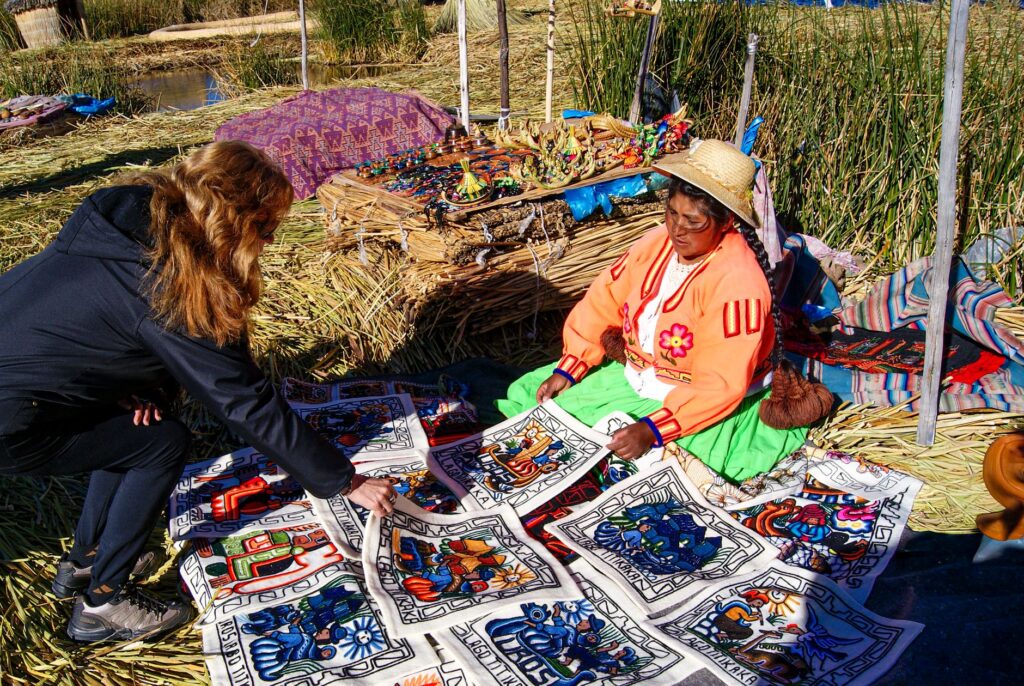
Beyond the metropolitan center, the districts and settlements making up the Chiclayo province harbor cultural expressions of immense craft wealth. Towns like Monsefú and Eten are nationally and internationally recognized for the skill of their weavers working with toquilla straw and native cotton. The nimble hands of artisans transform plant fibers into fine hats, bags, and mantles that reflect an uninterrupted textile tradition dating back to pre-Hispanic times.
Visiting these family workshops allows travelers to converse with local makers and appreciate the time and patience required to craft each piece. Unlike mass industrial production, Lambayeque’s craftsmanship maintains a close bond with the natural environment, utilizing dyes extracted from local plants and minerals to color yarns that narrate the worldview of northern Peru.
Responsible Practices for Visitors
Tourism in Chiclayo and its surroundings demands a conscious attitude from travelers to preserve both the cultural heritage and the fragile ecosystems of the coastal desert and dry forests. It is essential to respect conservation regulations at archaeological sites, avoiding touching or altering ancient structures and always following the instructions of official local guides.
Likewise, when exploring markets and purchasing crafts, travelers are encouraged to prioritize fair trade, acquiring pieces directly from local artisans and producers. Supporting small traditional gastronomy businesses and minimizing single-use plastics in natural areas directly contributes to the sustainability of the community economy and the well-being of residents.
Practical guide
How to get there: Chiclayo is served by Captain FAP José A. Quiñones International Airport (CIX), which receives daily flights from Lima. It is also accessible via long-distance bus services from major cities along the Peruvian coast via the Pan-American Highway.
When to go: The city enjoys a warm climate for much of the year. The southern summer months (December to March) feature higher temperatures, while the period between May and November offers mild mornings and clear skies ideal for archaeological excursions.
Where to stay: The historic center offers a wide range of traditional hotels and boutique hostels. Staying in this area facilitates walking access to the Plaza de Armas, the Central Market, and the main public transport routes toward archaeological sites.
Unmissable gastronomy: Be sure to try the classic northern-style goat stew served with yucca and beans, Chiclayo-style duck with rice, and for breakfast, the traditional ray fish tortilla or corn espesado.
Getting around: To visit nearby archaeological complexes like Túcume or Sipán, booking official transport or organized excursions through authorized local agencies located in the city center is strongly recommended.
Final Reflections on Northern Peru
Exploring Chiclayo means discovering a territory where ancient history is not found solely behind museum display cases, but pulsates in the leafy squares, the aromas of traditional picanterías, and the daily friendliness of its people. Lambayeque demonstrates that cultural tourism can and must be an exercise in respect and deep mutual learning, building a solid bridge between the glorious past of its ancestral cultures and the future of its communities.