
A Strategic Oasis at the Foot of the High Atlas in Morocco
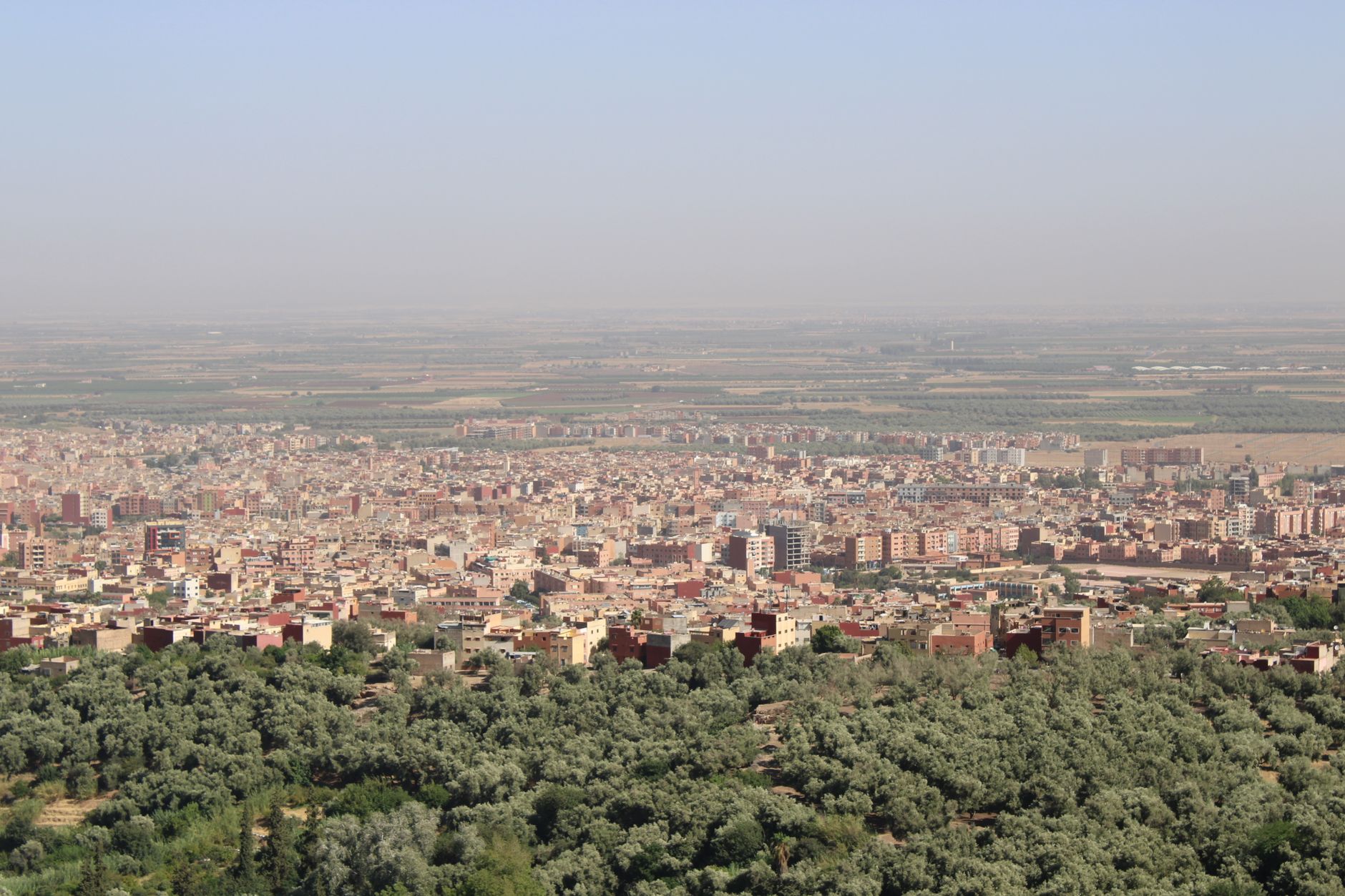
At the gates of the mountains that mark the backbone of Morocco, the city of Beni Mellal unfolds a geography where the altitude of the relief meets the fertility of the plains. Situated in the Beni Mellal-Khenifra region, this locality of more than two hundred thousand inhabitants rises as a historical meeting point between trade routes descending from the peaks and extensive cultivated fields stretching toward the horizon. Its average altitude, close to five hundred and thirty meters above sea level, conditions a climate of pronounced thermal contrasts, where fresh mornings of continental influence give way to luminous days with clear skies.
The physical surroundings of the city are dominated by the limestone formations of the Middle Atlas, acting as an imposing natural barrier and, at the same time, as an invaluable source of water resources. Water runoffs from snowmelt and seasonal precipitation feed numerous springs that irrigate the surrounding orchards. This abundance of water has allowed the valley, over the centuries, to evolve from a resting point for caravans into a prosperous agricultural enclave, specialized in the cultivation of citrus fruits, olive trees, and vegetables that supply a large part of the country.
Understanding the identity of this territory requires looking beyond its contemporary urban façade and dwelling on how the inhabitants relate to their natural environment. The traditional architecture of the region, characterized by the use of rammed earth and local stone, responds to a logic of climatic adaptation and respect for available materials. Homes take advantage of the thermal inertia of thick walls to mitigate summer heat and retain warmth during cold winter nights, demonstrating a constructive wisdom passed down from generation to generation.
Urban dynamics reflect a deep rootedness in local traditions, where modernity integrates gradually without eroding the pre-existing social fabric. Families and artisans keep alive the construction techniques and agricultural labors that have sustained the community for generations, ensuring that material and intangible heritage continues to flow harmoniously toward the future.
Monumental Heritage and Historical Orchards
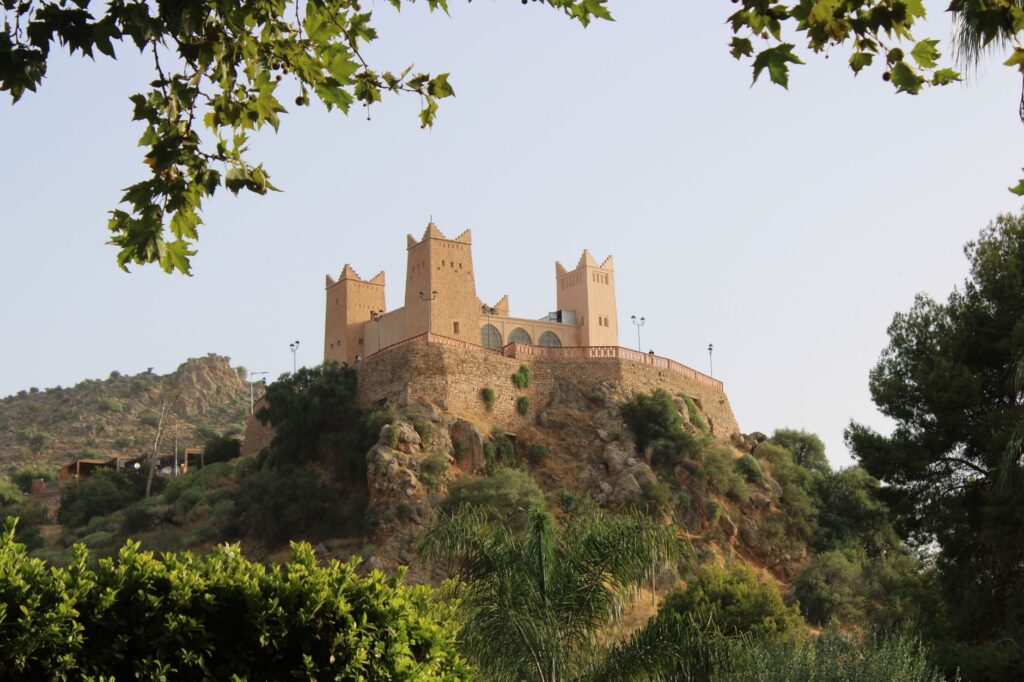
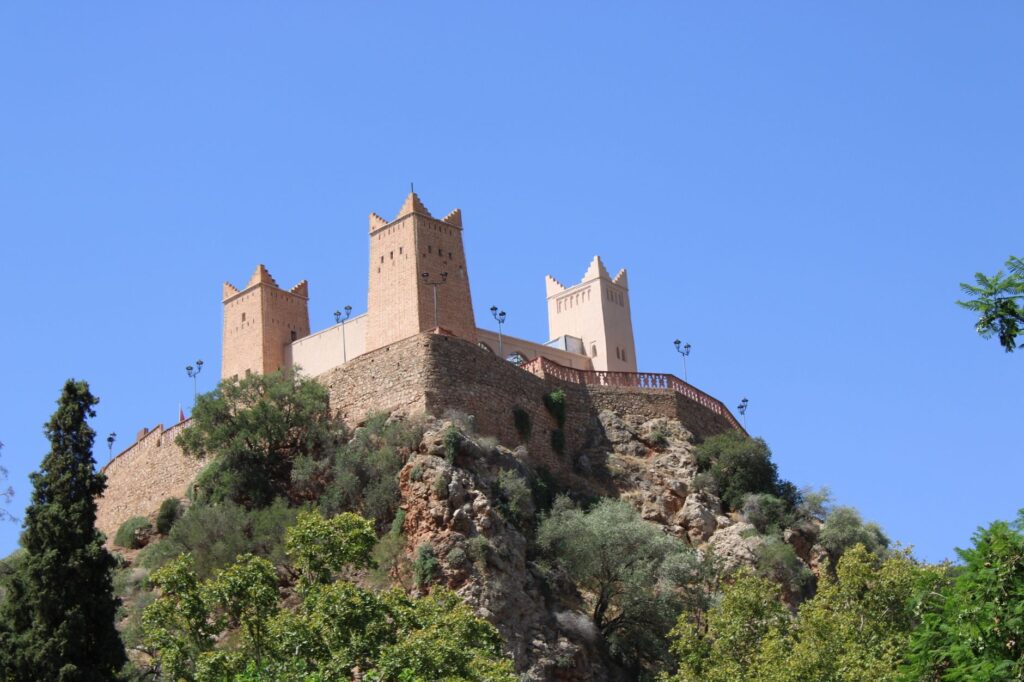
Human presence in these lands dates back to times when the control of mountain passes was fundamental for security and trade. One of the most notable testimonies of this past is the Kasbah of Ras el Ain, a historical fortification erected in an elevated position overlooking the springs and surrounding orchards. From its ramparts, the perspective encompasses a green sea of centenarian olive trees contrasting with the aridity of the upper rocky slopes, evidencing the secular effort to transform the landscape through traditional canalization systems.
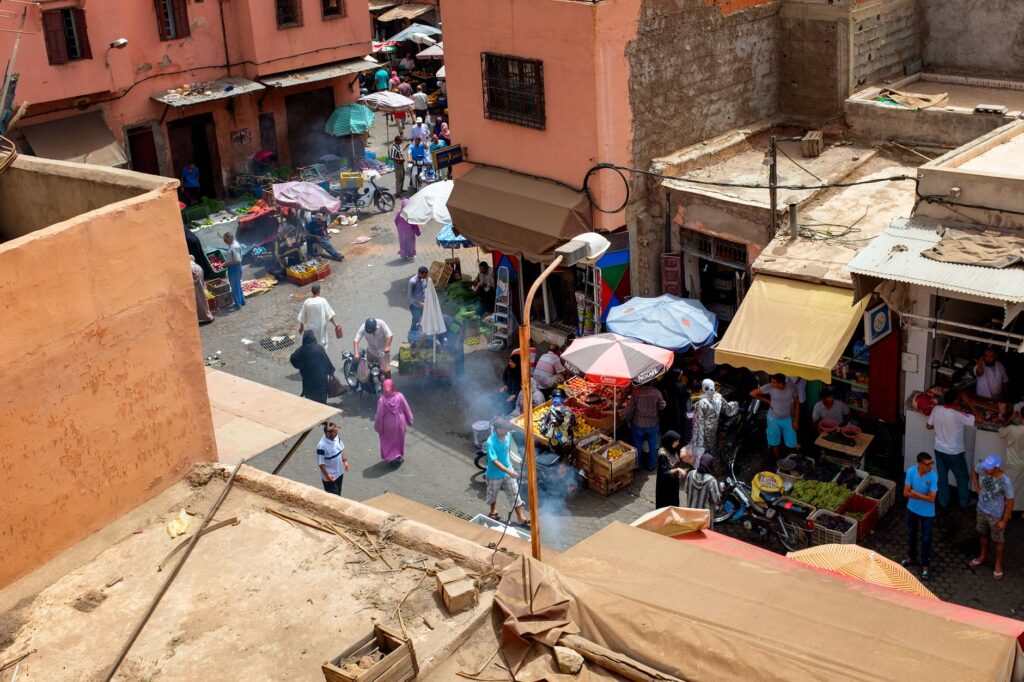
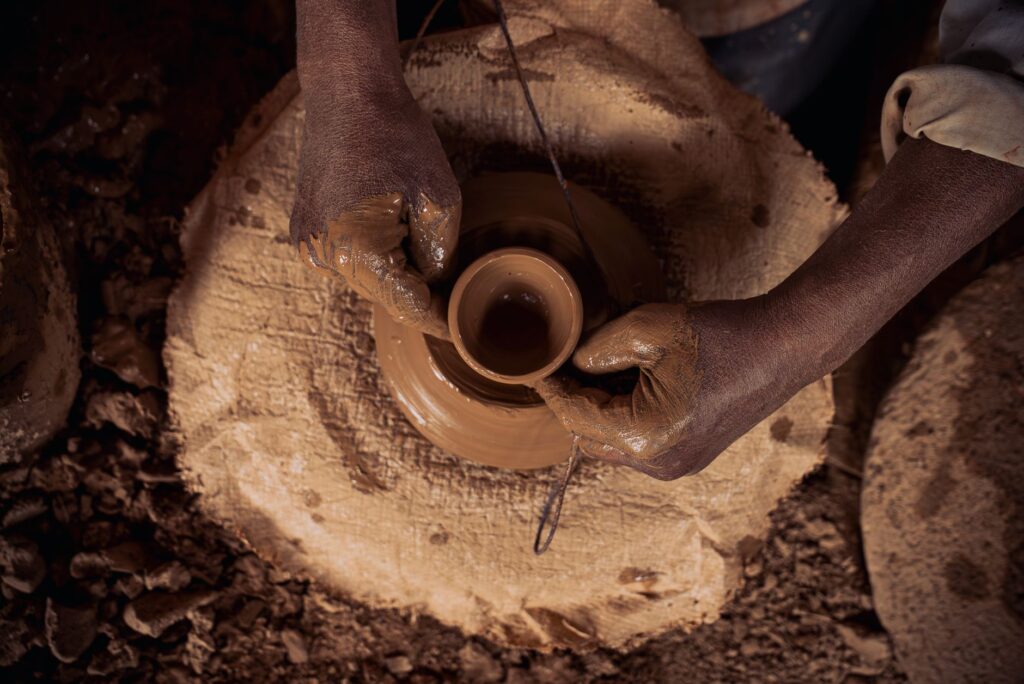
Around these historical monuments, daily life unfolds with a leisurely yet steady rhythm. Local markets, known as souks, act as the true social and economic heart of the city. Here, products of the land are displayed: olives of various varieties, extra virgin olive oil of recognized quality, seasonal fruits, and crafts made of wool and ceramics. These spaces are not mere places of commercial exchange, but meeting points where oral traditions are preserved and community ties are consolidated.
The water descending from the peaks not only feeds the cultivated fields, but sustains the collective memory of those who have inhabited this valley for centuries.
Respect for agricultural heritage is also manifested in the sustainable farming practices that many local farmers continue to apply. Unlike intensive methods that deplete aquifers, the traditional orchards of Beni Mellal operate through communal management of irrigation water, where each plot receives the strictly necessary flow according to ancestrally established turns. This delicate balance between human activity and the conservation of natural resources constitutes one of the greatest patrimonial values of the region.
The conservation of these ancestral practices requires constant attention from local groups, who watch over the maintenance of irrigation channels and the purity of the springs. Thus, historical heritage is not limited to the inert stones of fortifications, but lives through the daily labor of those who cultivate the land with environmentally friendly methods.
Life in the Squares and Daily Hospitality
The urban pulse of the city is experienced with greater intensity in its public squares and commercial arteries connecting residential neighborhoods with the historic center. Unlike large tourist metropolises, here the rhythm is marked by local customs and seasonal cycles. At dusk, when the heat of the day diminishes, families and neighbors gather in open spaces to share a mint tea, converse, and enjoy the breeze descending from the mountains.
Local gastronomy reflects this deep connection with the rural environment. Traditional dishes are based on fresh, proximity ingredients: lambs raised in high-altitude pastures, seasonal vegetables grown in valley orchards, and a careful selection of spices that enhance flavors without masking them. Bread, baked daily in community wood-fired ovens, accompanies every meal and serves as an elemental symbol of hospitality and coexistence in the homes of the region.
For the visitor seeking a respectful and enriching experience, the key lies in adopting a leisurely approach, prioritizing direct contact with local communities over conventional tourist consumption. Walking along trails ascending toward the springs, dialoguing with artisans in their workshops, and staying in family-managed establishments allows visitors not only to experience the reality of Beni Mellal, but also to contribute directly to the sustainable economic development of its inhabitants.
This respectful exchange fosters conscious tourism, where each traveler assumes the responsibility of minimizing their environmental and cultural impact. Direct interaction with residents allows an understanding of the nuances of their daily life, valuing the daily effort necessary to preserve the authenticity of the environment against the challenges of contemporary globalization.
Practical Guide
How to get there: Beni Mellal has road connections from major Moroccan cities such as Marrakech, Casablanca, and Fez, via regular bus services and long-distance shared taxis.
When to travel: Spring months (March to May) and autumn (September to November) offer the most pleasant temperatures to tour the city and take excursions through the foothills of the Atlas.
Accommodation: It is recommended to choose traditional guest houses (riads) located around the old town or in the vicinity of the orchards, thus promoting human-scale tourism.
Recommended gastronomy: Do not miss trying the local olive oil, considered one of the best in the country, as well as braised lamb dishes with seasonal vegetables.
Etiquette tips: It is advisable to dress modestly, respecting local customs, and always ask permission before photographing people in markets and public spaces.
Urban transport: Most of the historic center and markets can be easily explored on foot; for longer trips to peripheral springs, small local taxis are the most practical option.
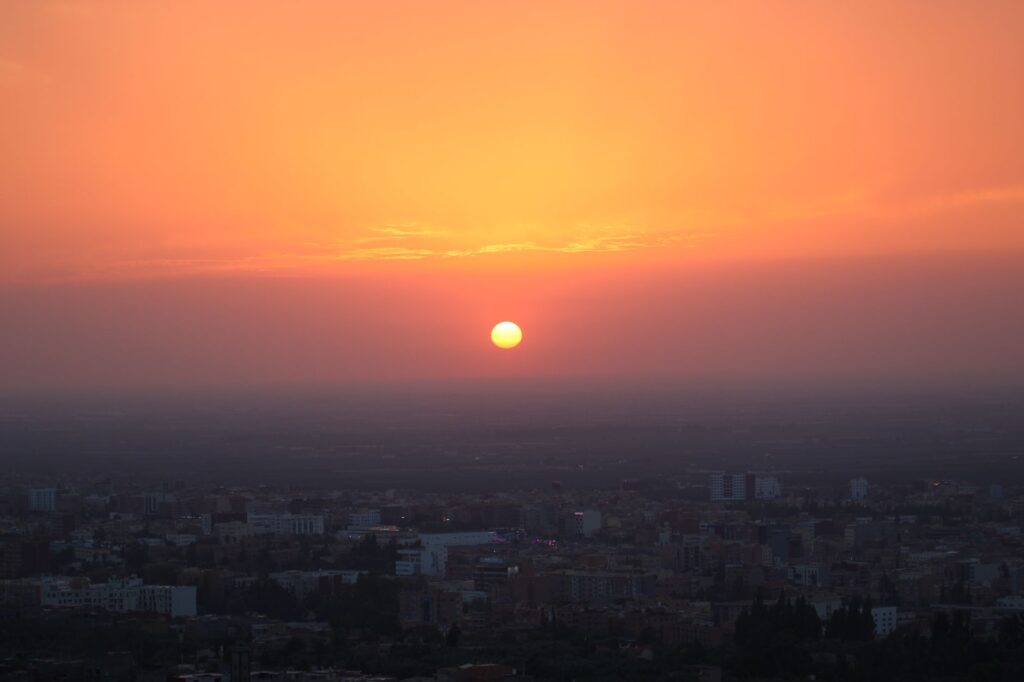
The Horizon of Water and Stone
Contemplating the sunset from the hills protecting the city, golden light dyes the stone walls and olive tree canopies with hues that seem unaltered by the passage of time. In this corner of Morocco, where the imposing presence of the Atlas perpetually dialogues with the fertility of the valley, life flows in tune with the essential rhythms of the earth. The conservation of this balance is not just a matter of environmental management, but a daily commitment to the identity and future of its communities.
The responsible decisions of the visitor, added to the daily endeavor of its residents, guarantee that this landscape of water, stone, and olive trees maintains its unaltered essence. The future of this valley depends on the collective capacity to value and protect its rich natural and cultural heritage against the pressures of the modern world.