
Understanding Gloucester Beyond Administrative Maps
Located in the eastern sector of Canada’s National Capital Region, Gloucester presents itself as a territory where metropolitan expansion converges with deep-rooted community ties. Far from constituting a mere residential appendage, this sector of Ontario holds a heterogeneous urban and rural fabric, shaped by decades of planning and the active participation of its residents. Understanding its current reality requires observing how daily life unfolds between efficient transit corridors, protected natural spaces, and consolidated neighborhoods that defend their local identity against the pressure of demographic growth.
Geographical and historical analysis reveals an enclave that transcended its status as an independent municipality to integrate into Ottawa’s broader structure, without losing its distinct pulse. The daily commutes of thousands of residents reflect a constant tension between the need to connect large distances and the collective will to reduce environmental footprints. In this scenario, sustainable mobility ceases to be an abstract concept and materializes in concrete decisions regarding public transport use, the integration of pedestrian networks, and the protection of ecological corridors crossing the territory.
Daily Life and the Transformation of Mobility
The organization of daily travel in Gloucester relies on a network of infrastructures designed to diversify transport options beyond the private vehicle. Bus connections and the progressive expansion of lanes designated for bicycles respond to a regional strategy aimed at mitigating congestion and encouraging cleaner travel habits. This transition is not without challenges, as the vast territorial expanse and rigorous climatic conditions of the Canadian winter demand precise technical and logistical solutions to ensure service continuity throughout the year.
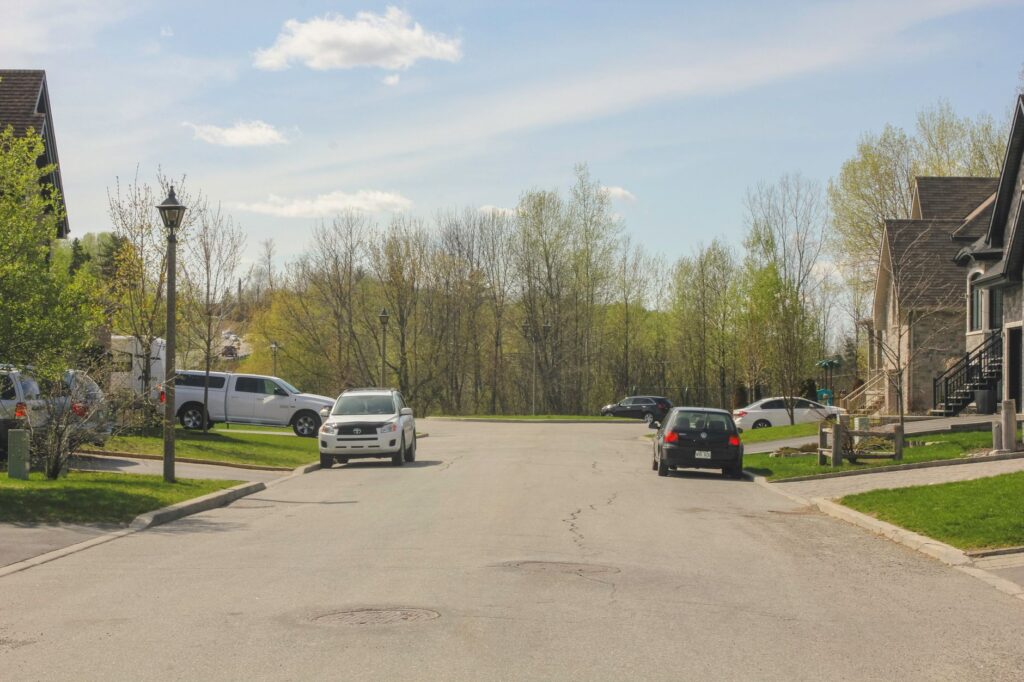
At the neighborhood level, the acceptance of these mobility alternatives largely depends on the proximity of essential services. Community centers, public libraries, and local shops act as attractive nodes that allow residents to resolve much of their daily needs without undertaking long journeys. This proximity model reinforces the social fabric and reduces automobile dependency, promoting a more walkable and cohesive urban environment where human scale prevails over the speed of road traffic.
Natural Heritage and Ecological Resilience
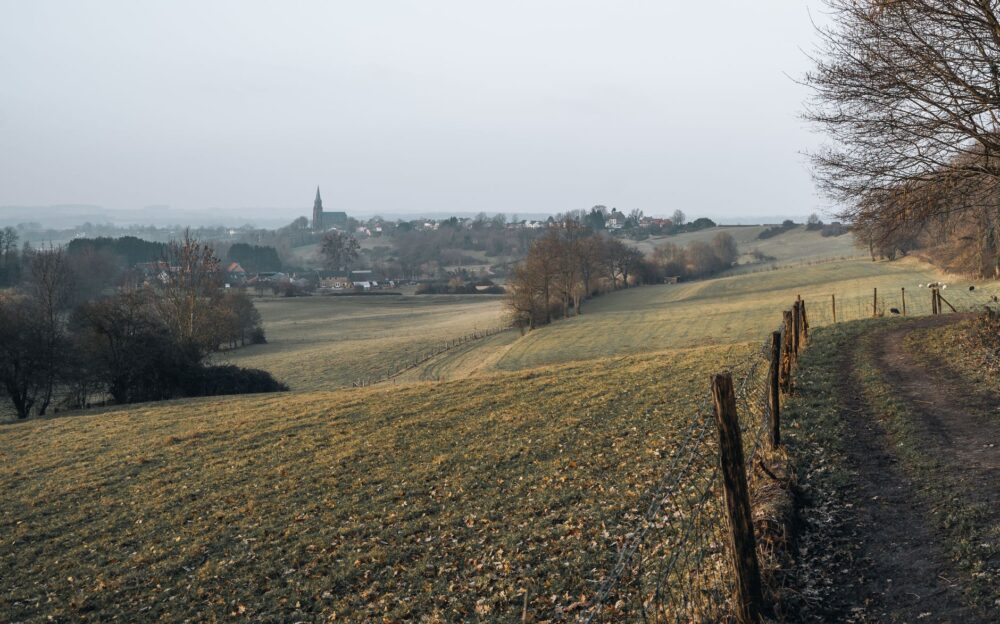
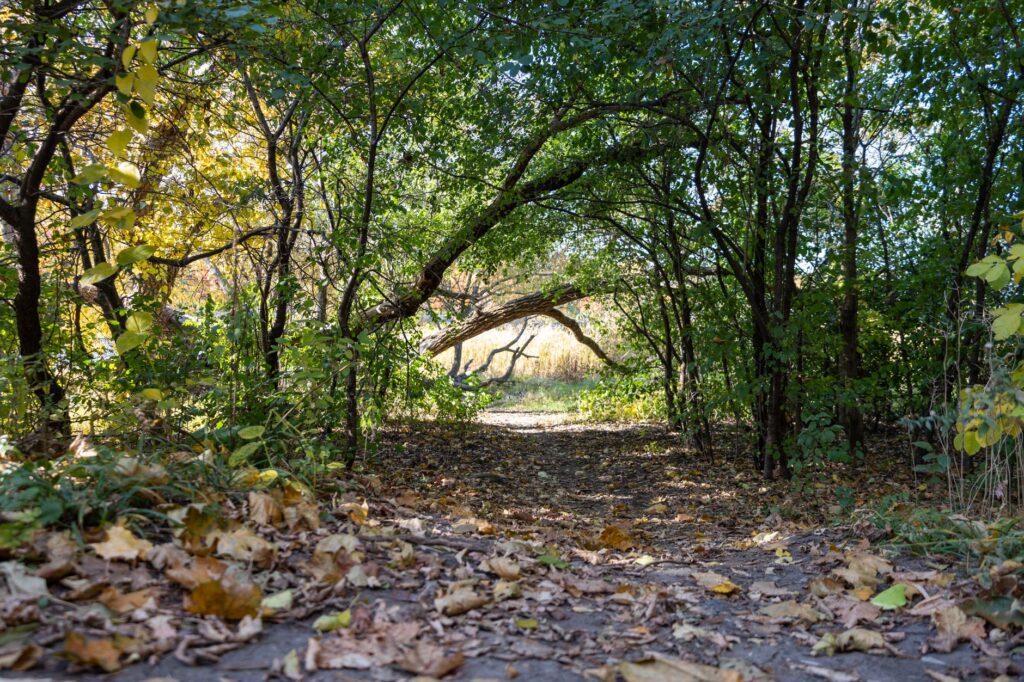
Gloucester’s landscape is deeply marked by the presence of natural spaces and watercourses that act as green lungs and environmental regulators. The conservation of these habitats is a shared priority among municipal authorities, citizen science groups, and neighborhood collectives monitoring the health of local ecosystems. The preservation of wetlands and native woodlands not only protects regional biodiversity but also mitigates the effects of extreme weather events and improves air quality in surrounding residential areas.
Responsible territory management requires a delicate balance between environmental protection and infrastructure demands for a constantly growing population. This balance translates into strict zoning regulations that limit uncontrolled expansion over soils of high ecological or agricultural value. Residents actively participate in public consultations and reforestation programs, demonstrating that caring for the immediate environment is a collective responsibility that transcends mere governmental administration.
Neighborhood Identity Facing the Metropolitan Challenge
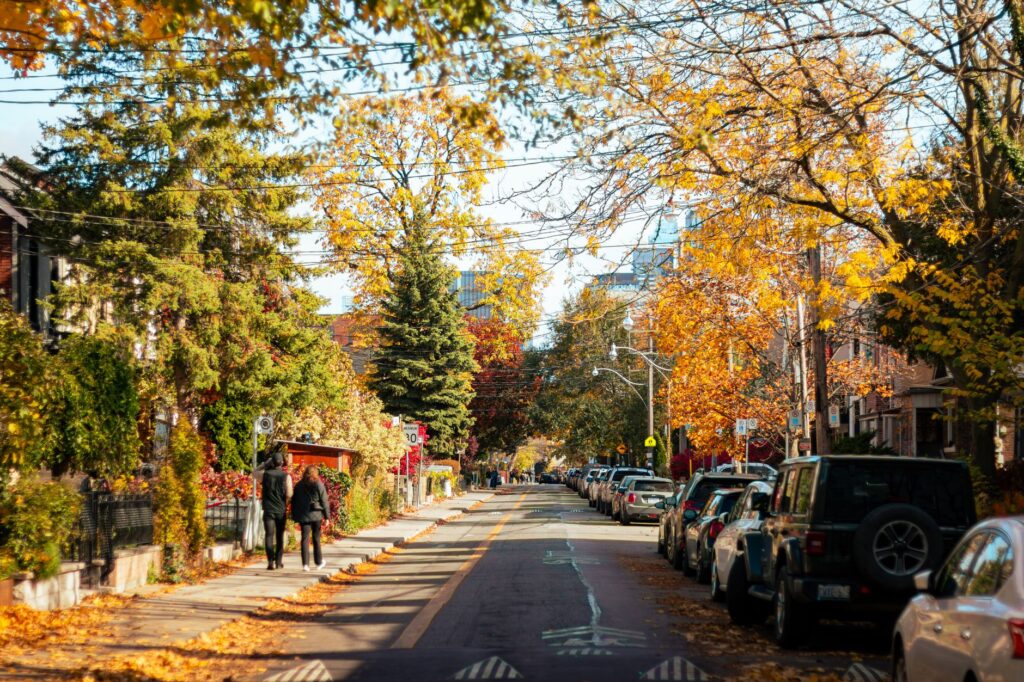
The cultural identity of Gloucester is nourished by the diversity of communities that have chosen this sector of Ontario to settle over the years. Older neighborhoods coexist with more recent housing developments, generating a dynamic social mosaic where different traditions, languages, and ways of understanding community life intersect. Neighborhood associations play a fundamental role in mediating between local interests and metropolitan guidelines, ensuring that urban planning decisions reflect the real needs of those who inhabit the place.
This social cohesion manifests in the celebration of local markets, cultural events, and outdoor activities that strengthen a sense of belonging. Against the homogenization typical of large cities, Gloucester residents value and protect those tangible and intangible elements that set their community apart, from low-density residential architecture to the preservation of local toponyms and histories explaining the evolution of settlement in eastern Ontario.
Community Infrastructures and Proximity Services
Contemporary urban design in Gloucester prioritizes the decentralization of public services to ensure education, health, and recreation are within accessible reach from any residential zone. Sports facilities, municipal parks, and cultural centers function as intergenerational meeting points, fostering social integration and the physical and mental well-being of the population. These infrastructures are designed under criteria of energy efficiency and universal accessibility.
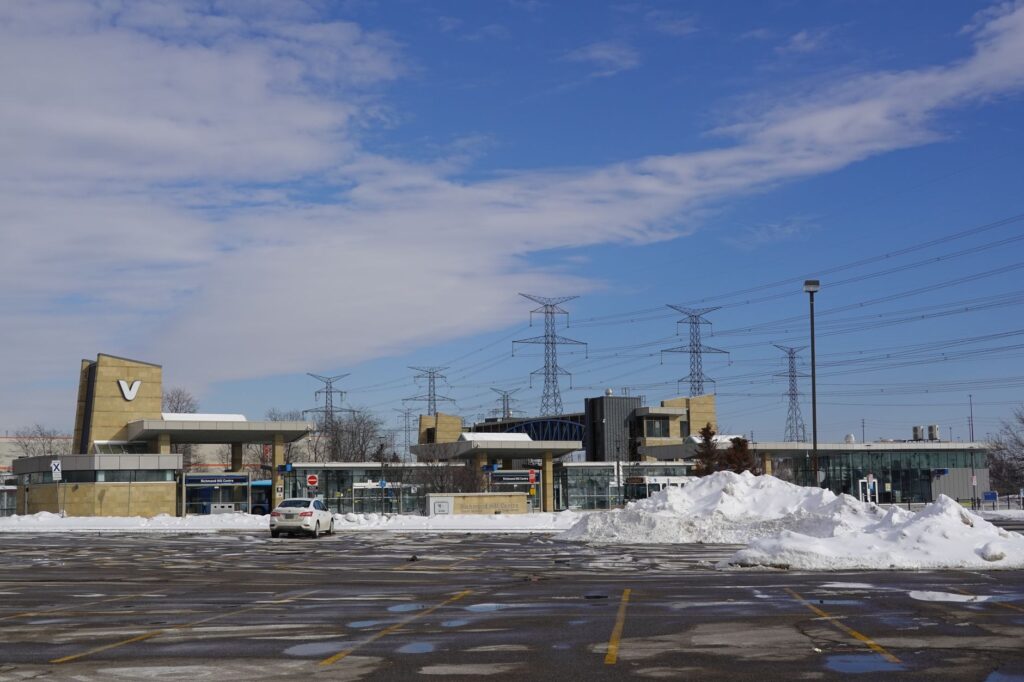
Furthermore, the integration of technologies aimed at smart traffic and street lighting management demonstrates a firm commitment to sustainable modernization. However, local authorities insist that technology must serve people and not the other way around. Therefore, any urban intervention is evaluated based on its direct impact on the quality of life and neighborhood cohesion, avoiding grandiose projects that disconnect citizens from their daily environment.
Responsible Tourism and Appreciation of the Local Environment
For visitors arriving in Gloucester, the experience moves away from mass tourist circuits to enter a dynamic of unhurried tourism respectful of the host community. Cycling and hiking trails traversing the sector allow visitors to discover the river and forest landscape without disturbing the tranquility of neighborhood life. Travelers are encouraged to use regional public transport and consume from local establishments, directly supporting the community economy and fostering genuine cultural exchange.
The true value of a territory lies in its capacity to welcome visitors without losing its essence, allowing the traveler to understand the daily dynamics sustaining community life across the seasons.
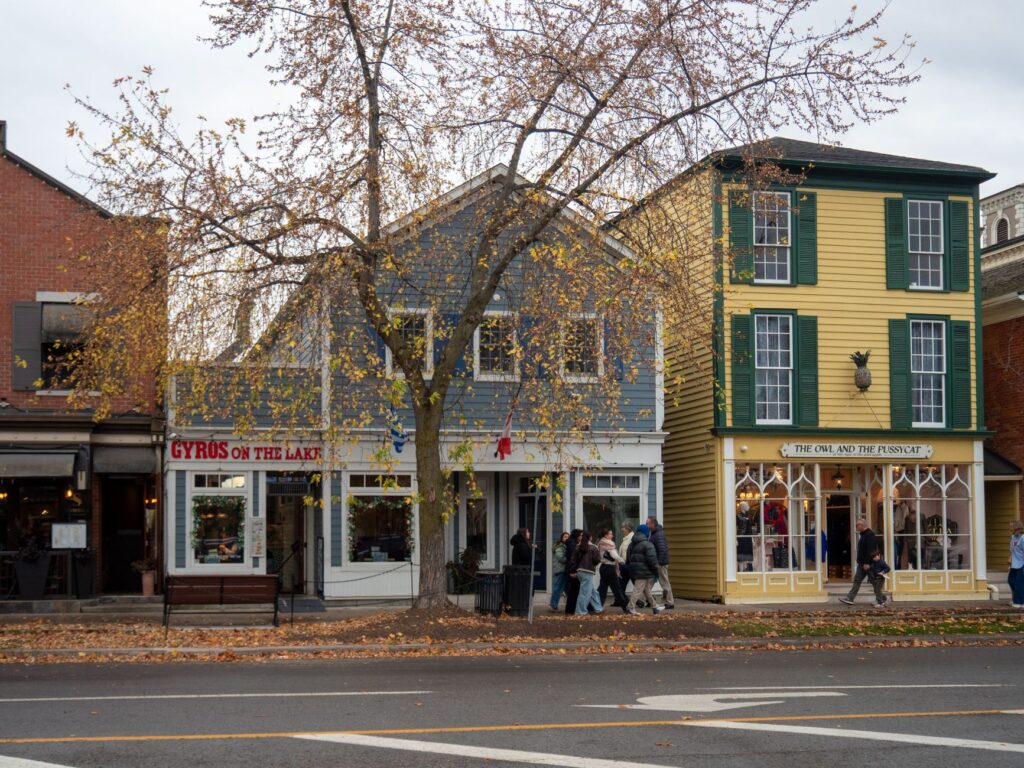
This approach to sustainable tourism reinforces the idea that destinations are not mere sets for leisure, but living spaces inhabited by citizens carefully managing their natural and cultural heritage. Information available to visitors highlights the importance of minimizing waste, respecting local wildlife, and following conservation regulations in parks and public spaces.
Future Challenges for an Evolving Community
Looking toward coming decades, Gloucester faces the challenge of accommodating sustained demographic growth while preserving the environmental and community values defining its identity. Population projections and urban development plans point toward smart densification, prioritizing vertical construction within existing activity centers rather than consuming new rustic land. This approach seeks to optimize infrastructure maintenance costs and reduce emissions associated with transportation.
Likewise, adaptation to climate change heads the local priority agenda, with investments aimed at improving urban drainage capacity, protecting mature trees against adverse weather phenomena, and promoting energy efficiency in the housing stock. Collaboration among citizens, academic researchers, and public managers will be decisive in ensuring Gloucester remains a benchmark of balance between metropolitan development and sustainability.
Practical guide
Getting there: Gloucester is integrated into the Ottawa region transportation network. It is accessible via the OC Transpo regional public transport system and road connections from Highway 417.
Local mobility: The use of the bike lane network and local buses is recommended to travel between the various neighborhoods and commercial centers of the area.
Recommended season: Autumn months (September and October) and spring (May and June) offer moderate temperatures ideal for exploring natural spaces and residential areas on foot or by bicycle.
Accommodation: Lodging options range from small hotels to family-run accommodations, all operated under local sustainability regulations.
Gastronomy and commerce: Prioritizing local markets and regional product establishments helps stimulate community economy and reduces food transport footprints.
The Green Horizon and Shared Memory
At dusk, when golden light illuminates open spaces and tree canopies flanking residential neighborhoods, Gloucester reveals its most intimate and enduring face. Far from the hustle and bustle of major financial centers, this corner of eastern Ontario demonstrates that progress is not at odds with tranquility or environmental responsibility. The collective memory of its inhabitants, woven through generations of work and coexistence, continues to guide steps toward a future where the community and its natural environment walk firmly hand in hand, preserving intact the pulse of its daily identity.