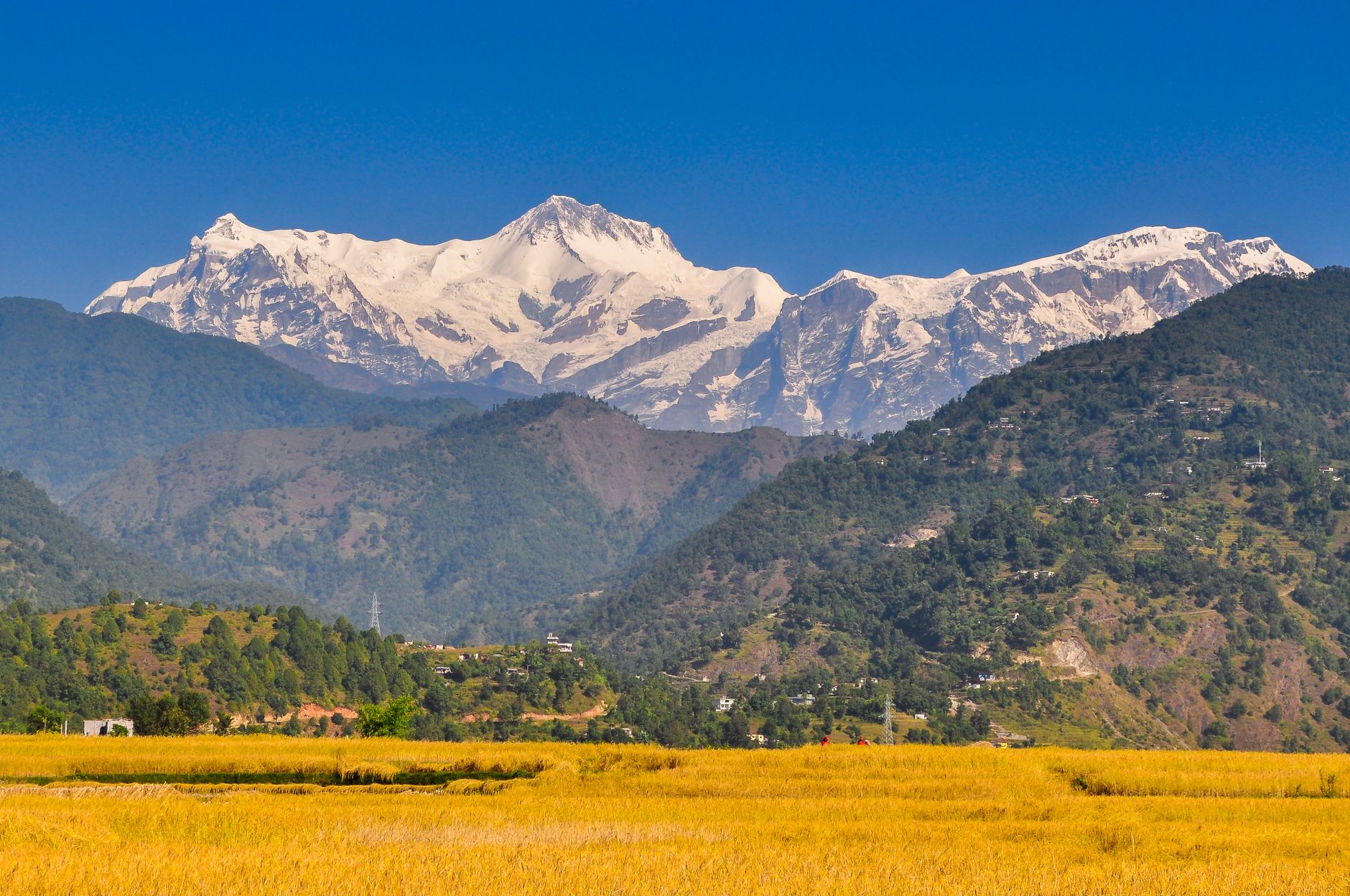

A Balcony Overlooking the Himalayas
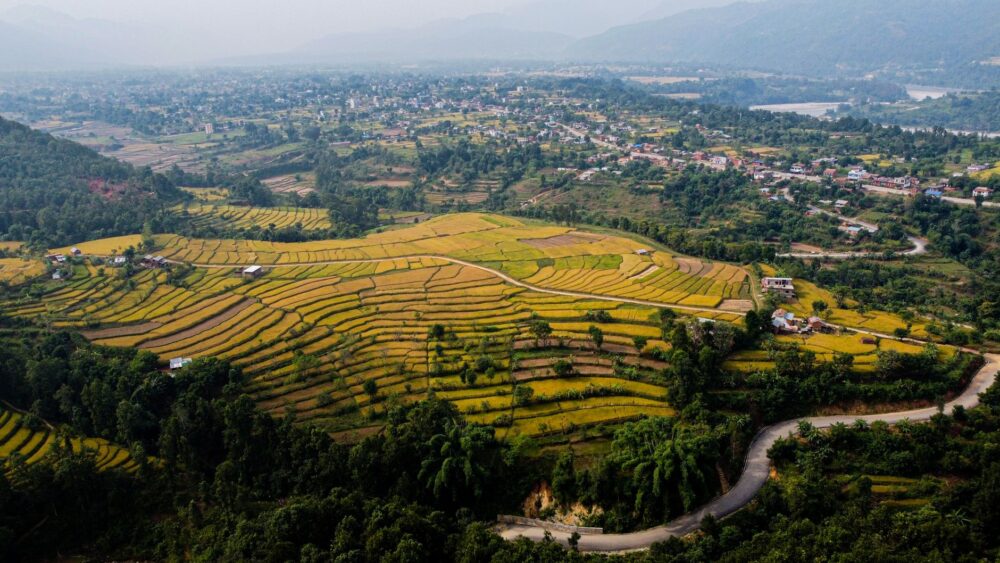
Situated at an approximate altitude of one thousand nine hundred metres above sea level, the locality of Charīkoṭ stands as a privileged viewpoint in the Dolakha district of Bagmati Province in Nepal. Home to over forty thousand residents, this settlement blends a rich cultural heritage with a topography defined by steep slopes and agricultural terraces carved across centuries. Far from the heavily touristed high-altitude trails, this enclave offers a genuine window into rural Nepali life, where the daily rhythm is dictated by the rising and setting sun over the peaks.
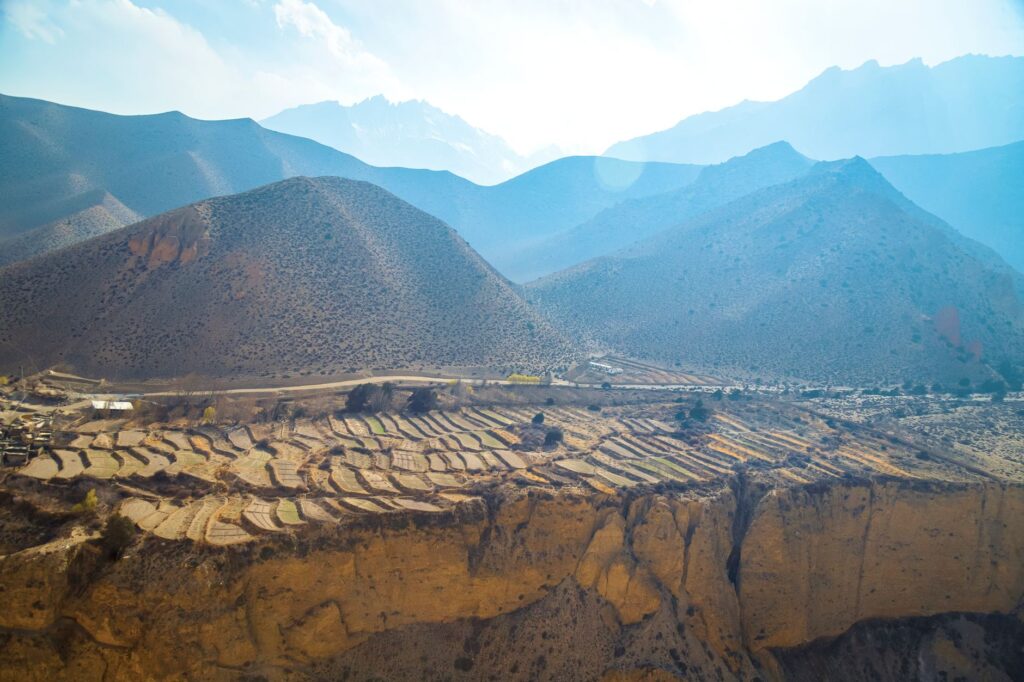
The administrative and social history of the region is deeply intertwined with the surrounding mountain range. Mornings in Charīkoṭ begin with the measured movement of local merchants opening their small shops along the main thoroughfares. The crisp, clean mountain air accompanies the daily commute of residents transporting goods on foot and farmers tending to their terraced plots. This mountainous setting is not merely a scenic backdrop, but the direct sustenance and mold that defines the identity of its inhabitants.
Traditional Architecture and Urban Space Utilization
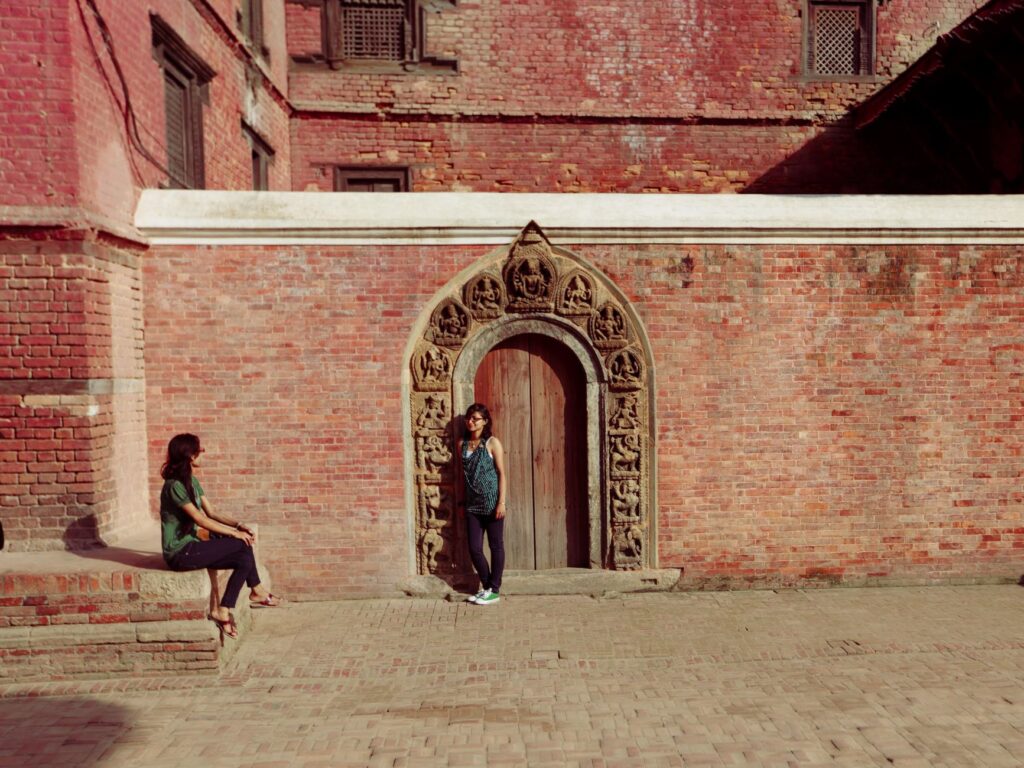
The urban layout of Charīkoṭ responds organically to its rugged topography. Traditional dwellings, constructed from local materials such as stone and carved wood, are stepped along the hillsides to make the most of the scarce flat surface available. Slate roofs and balconies oriented toward the valleys allow residents to observe the shifting light throughout the day. This vernacular architecture reflects a millennial adaptation to the alpine climate and the seismic fluctuations of the region.
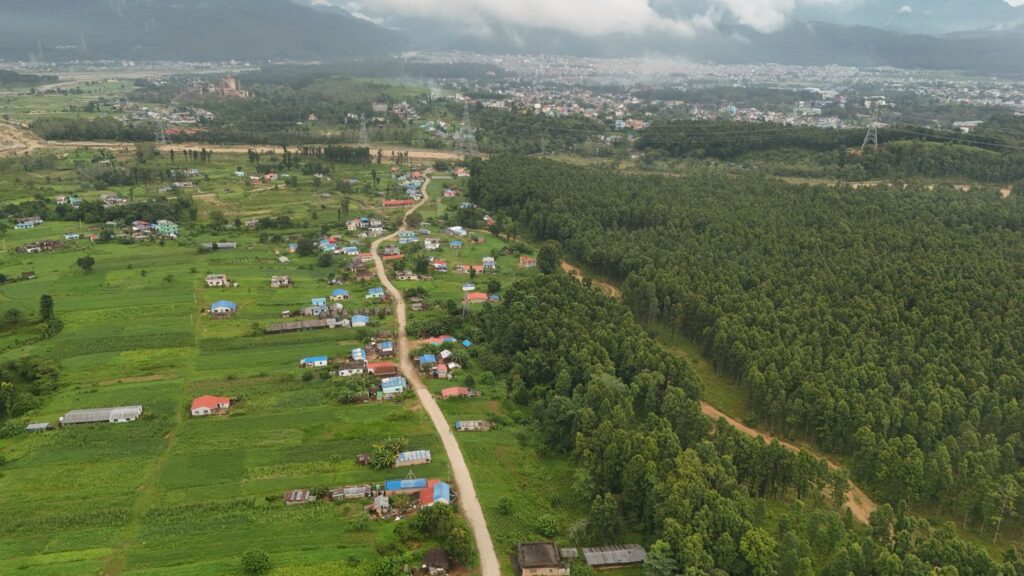
Walking through the streets of the historic center reveals how public and private spaces merge fluidly. Shared courtyards serve as intergenerational meeting points where elders pass down local stories to younger generations while preparing hot infusions. The arrangement of the buildings provides shelter against the cold winds descending from the snowy summits, fostering an active community life close to the residents despite the altitude.
The Pulse of the Market and Subsistence Economy
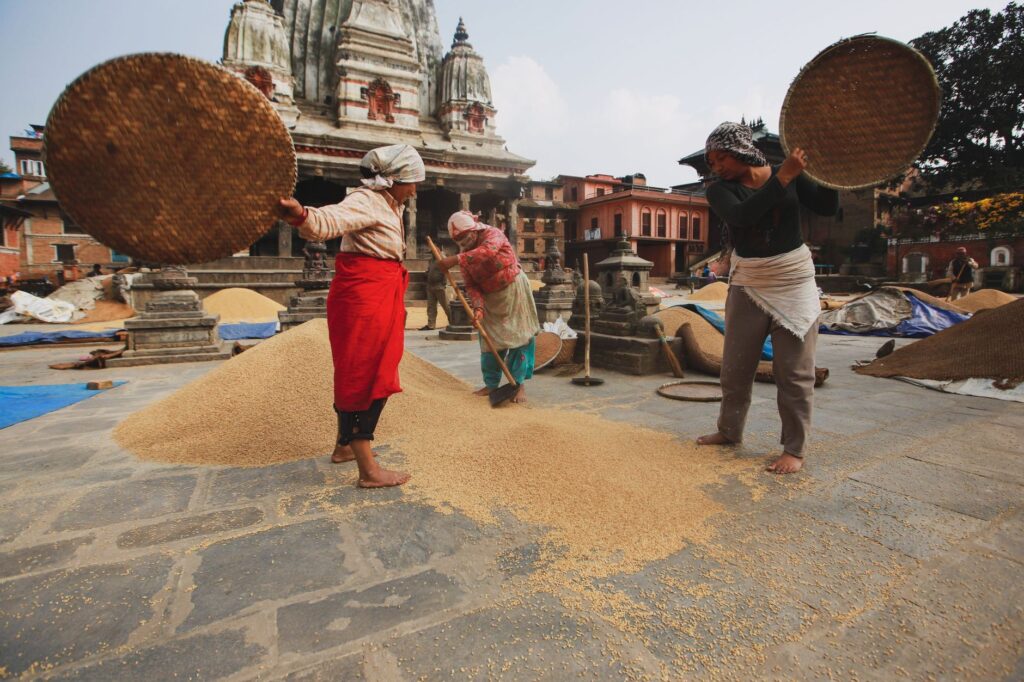
The commercial heart of Charīkoṭ beats in its main market, a convergence point where crops grown in the surrounding valleys meet goods brought up from southern urban centers. Here, stalls display highland legumes, aromatic spices, seasonal vegetables, and hand-woven crafts. This space fulfills more than just an economic function; it acts as the primary social forum of the community, where agreements are sealed and news regarding harvests and weather is exchanged.
The market is not merely the place where daily sustenance is acquired, but the mirror that reflects the collective memory of the Dolakha valleys.
The local economy rests on traditional pillars such as subsistence agriculture, small-scale livestock rearing, and neighborhood trade. As younger generations seek to balance ancestral practices with twenty-first-century opportunities, the market of Charīkoṭ adapts without losing its core essence. Everyday exchanges are imbued with a mutual respect characteristic of Nepal’s mountain communities, where neighborhood solidarity remains essential for overcoming terrain challenges.
Spiritual Heritage and Community Life
A spiritual dimension permeates every corner of Charīkoṭ and its surroundings. Small shrines, prayer flags fluttering in the wind, and local temples form an inseparable part of the daily landscape. These expressions of faith extend beyond liturgy, structuring the social and agricultural calendar of the population by marking auspicious moments for sowing, harvesting, and community festivals.
Local festivities gather neighbors from adjacent villages, transforming paths and squares into stages for traditional music, ritual dances, and shared offerings. These celebrations reinforce a sense of belonging and social cohesion among the inhabitants of the Dolakha district. Participation in collective rituals constitutes a fundamental pillar of the community’s emotional and spiritual wellbeing, fostering resilience in the face of geographical and economic challenges.
Highland Gastronomy and Local Flavors
The cuisine of Charīkoṭ is a faithful reflection of its geography: simple, nourishing, and prepared with zero-kilometer ingredients. The quintessential staple dish is dal bhat, consisting of steaming rice, lentil soup, and seasonal vegetable stews seasoned with local spices such as ginger, garlic, and wild cilantro. This daily menu provides the necessary energy to cope with the physical demands of mountain life.
Alongside dal bhat, households and small eateries prepare specialties based on millet, barley, and buckwheat, cereals that withstand high-altitude conditions well. Dairy products from local livestock, such as cheese and clarified butter, complement a nutrient-rich diet. Sharing a meal in Charīkoṭ is a deeply rooted act of hospitality, where travelers are welcomed with the same warmth locals use to brave the coldest days of the year.
Water and Natural Resources of the Surrounding Landscape
Water is the vital element that articulates both agriculture and daily life in Charīkoṭ. Meltwater streams descending from higher summits feed traditional irrigation channel systems, enabling terrace watering even during drier months. Community management of these water resources requires strict agreements and ongoing cooperation among farmers, ensuring an equitable distribution that avoids conflicts over seasonal scarcity.
Surrounding forests, composed primarily of conifer species and rhododendrons, provide firewood for winter, timber for construction, and medicinal plants used by local healers. The conservation of these forests is a quiet yet constant priority for residents, who recognize that their wellbeing depends directly on the health of the mountain ecosystems that surround and protect them.
Education, Oral Memory, and Knowledge Transmission
Knowledge transmission in Charīkoṭ relies on both formal educational institutions and the rich tradition of oral memory. Local schools integrate the study of regional languages and customs into their curricula, encouraging youth to value their cultural heritage. At the same time, artisan workshops and family farming tasks act as open-air classrooms where traditional trades, such as wood carpentry and wool weaving, are learned.
Community elders play a crucial role as guardians of collective memory. Their accounts of landscape transformations, historical trade routes, and frost-adapted cultivation techniques form a living archive of incalculable value. This steady flow of intergenerational knowledge ensures that Charīkoṭ’s identity remains intact against the pressures of accelerated modernization.
Contemporary Challenges and Responsible Tourism
In recent years, Charīkoṭ has begun receiving visitors interested in ecotourism and discovering destinations far from conventional circuits. This moderate influx of travelers presents both opportunities and challenges for the local community. The priority of community leaders is to promote responsible tourism that respects local customs, minimizes environmental impact, and generates direct economic benefits for resident families without disrupting the social fabric.
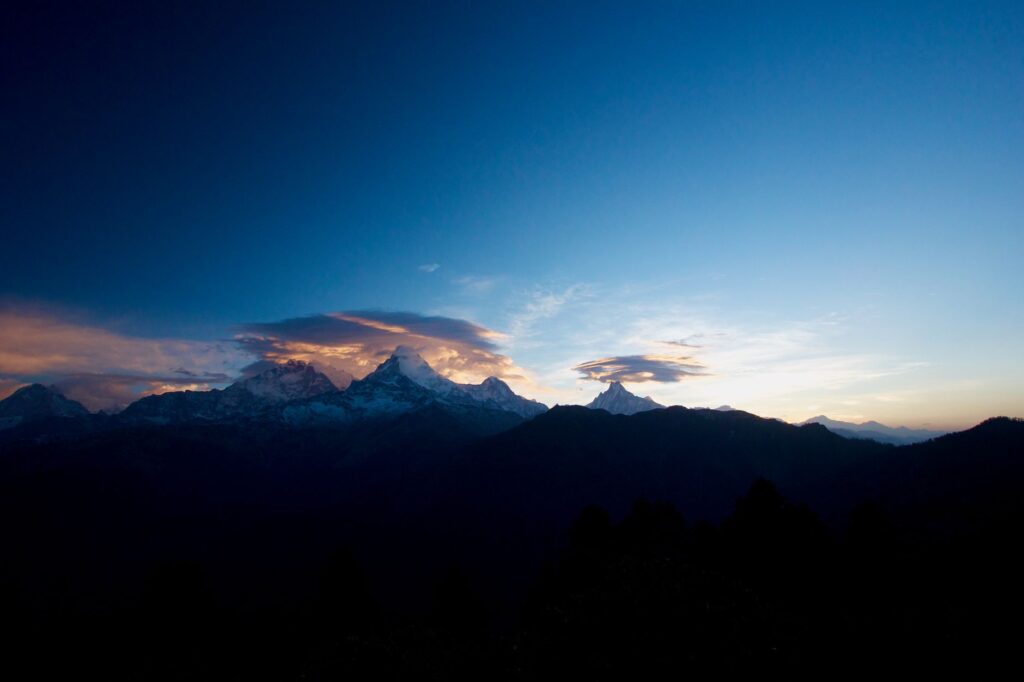
The future of Charīkoṭ is built upon a balance between openness to the outside world and the non-negotiable preservation of its identity and natural environment.
Homestay initiatives allow visitors to integrate respectfully into the daily rhythm of the village, learning agricultural and culinary routines firsthand. This exchange model fosters a deeper understanding of the realities of the Nepali mountains, transforming travel into an experience of mutual learning and respect for the biodiversity and cultural heritage of the Dolakha district.
Practical guide
- Getting there: Accessible by road from Kathmandu via local buses or off-road vehicles, along a route winding through the valleys of Bagmati Province.
- Best time to visit: Spring months (March to May) and autumn (September to November) offer clear skies, moderate conditions, and optimal trail-walking weather.
- Accommodation: Family-run guesthouses and small local lodges dominate, offering simple yet comfortable and authentic stays.
- Recommended gastronomy: Try traditional dal bhat, millet breads, and wild herbal infusions gathered from mountain slopes.
- Cultural respect: Dress modestly, ask permission before photographing individuals, and greet others with hands pressed together in a respectful gesture (namaste).
Refuge Among Summits and Perennial Horizons
As evening falls, mountain shadows lengthen across the terraces of Charīkoṭ, tinting the landscape in golden and bluish hues. In this moment of stillness, the locality regains a profound silence that invites introspection and rest. Far from the noise of large metropolises, this corner of the Dolakha district demonstrates that everyday wellbeing resides in harmony with nature, the strength of community bonds, and respect for the unhurried rhythms set by the earth.