
The Valley Where History and Plains Converge
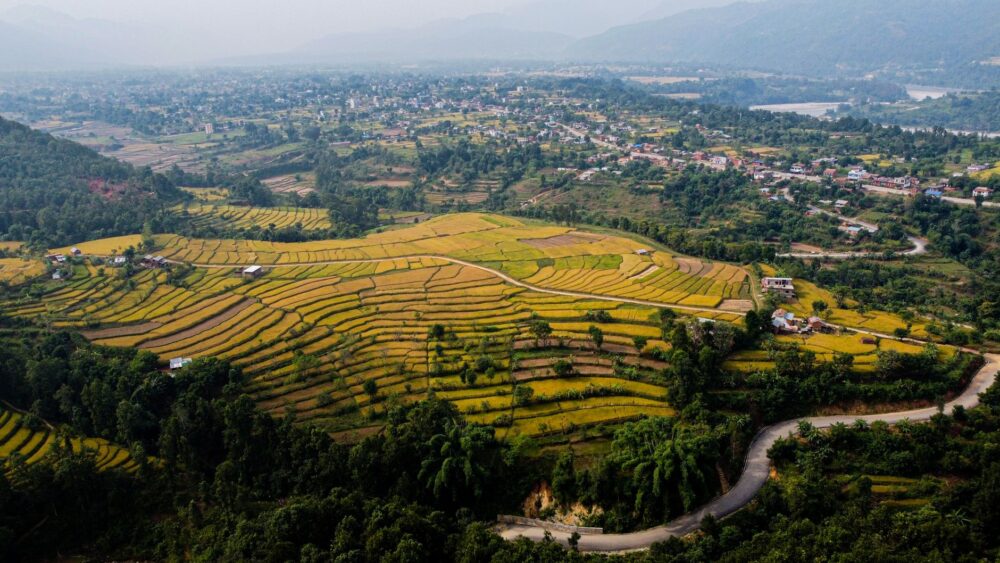
Tucked within the Surkhet basin in western Nepal, the municipality of Birendranagar stands as a vital geographical and cultural meeting point. Far from the bustling tourist trails of the central Himalayas, this originally planned city offers a unique perspective on the country’s contemporary identity. Mornings in the valley begin with the soft murmur of local markets and the silhouette of surrounding hills slowly emerging beneath the morning mist. Here, daily life unfolds at a gentle pace, shaped by ancestral traditions that adapt naturally to the challenges of the twenty-first century.
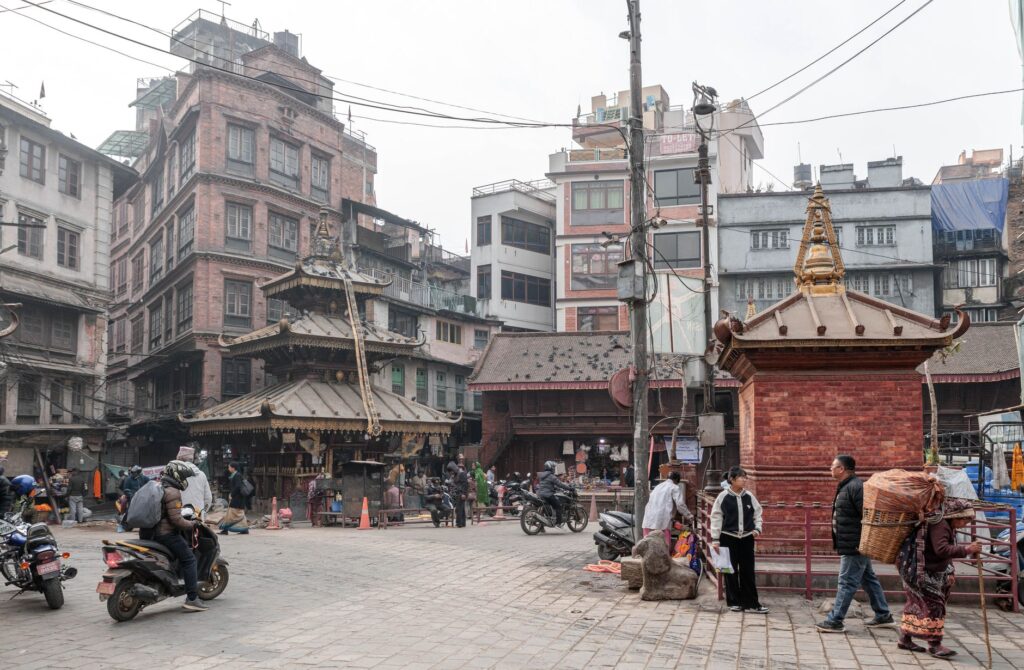
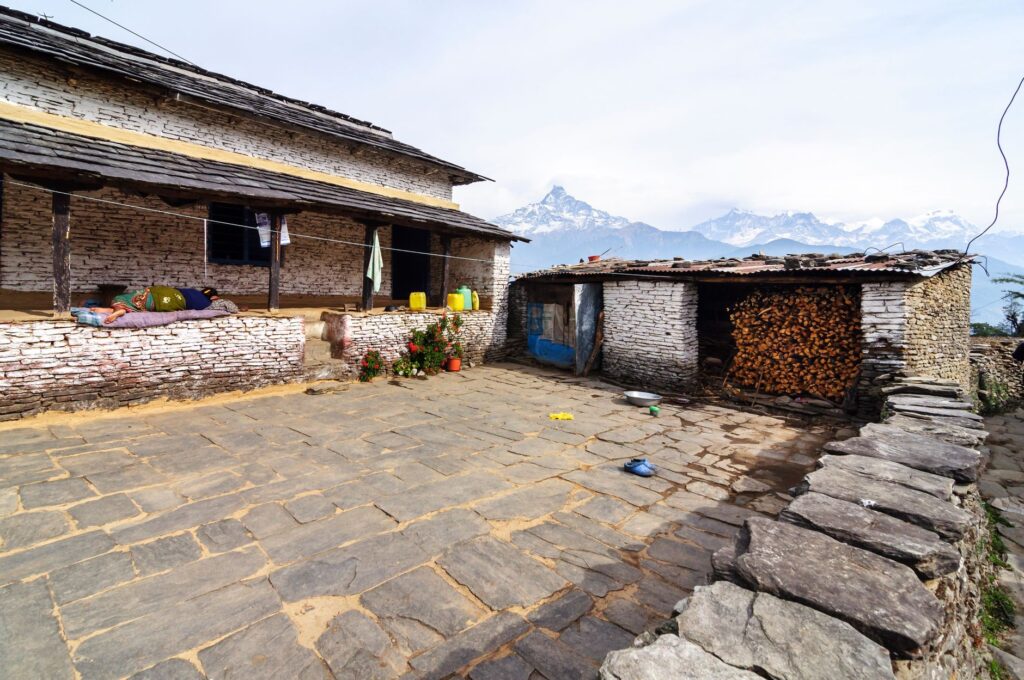
The urban layout, originally conceived with wide avenues and green spaces, reflects a commitment to order that contrasts sharply with the dense tangle of other Asian metropolises. However, the soul of Birendranagar lies not merely in its geomorpological design, but in the warmth of its communities and the preservation of an architectural and craft heritage that survives in the most mundane details. Slate roofs, interior courtyards where grain dries in the sun, and small family-run shops compose a visual mosaic that invites slow contemplation and respect for local ways of life.
Memory Woven in Workshops and Squares
Walking through the residential neighborhoods of Birendranagar is akin to stepping into a living museum of traditional trades. On street-facing porches and in small workshops, local artisans continue to shape clay and weave plant fibers using techniques passed down through generations. This craftsmanship does not pander to foreign visitors; rather, it responds to the organic needs of the community. The expert hands that work the loom or carve wood embody the collective memory of a valley that has successfully protected its cultural diversity against the currents of global homogenization.
A people’s heritage does not reside in static monuments, but in the living continuity of daily gestures and the mutual respect that sustains the community.
Public squares act as the true social heart of the town. As afternoon arrives and midday heat yields to the breeze descending from the mountains, neighbors gather to converse, play, or simply watch the sunset. In these intergenerational spaces, stories are shared, municipal decisions debated, and civic values passed on to the young. Citizen participation in preserving these customs ensures that the region’s cultural identity remains robust, anchored in the collective memory of its residents.
Vernacular Architecture and Climatic Adaptation
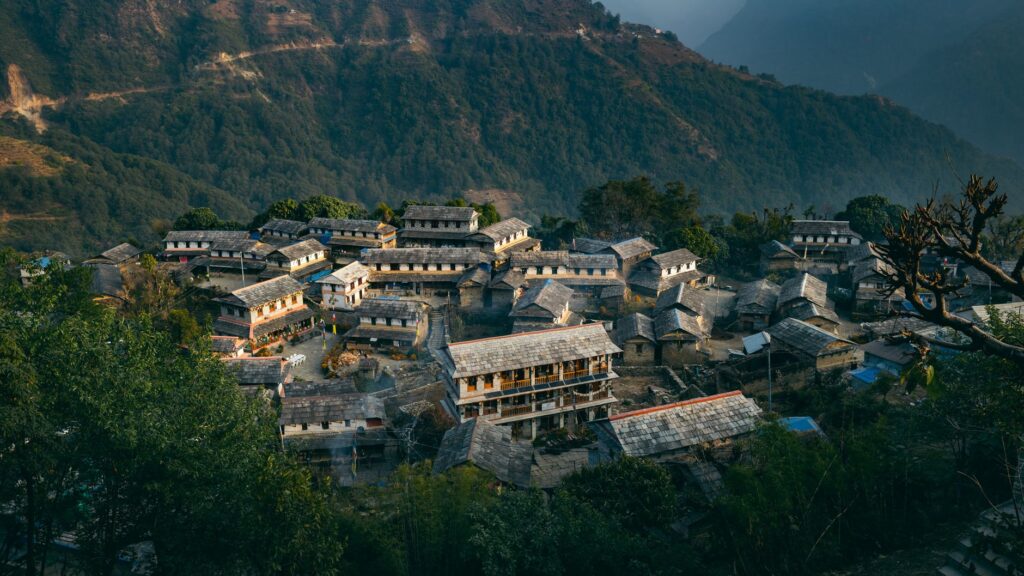
Traditional construction in Birendranagar reflects an ancestral wisdom deeply attuned to the monsoon climate and locally available materials. One- and two-story homes built with adobe walls, local stone, and noble timber beams demonstrate remarkable thermal efficiency. These houses—cool in summer and warm during winter nights—result from centuries of empirical observation of natural elements. Each structural feature serves a practical function, from the overhanging eaves protecting facades from intense rainfall to the strategic orientation of courtyards to maximize cross-ventilation.
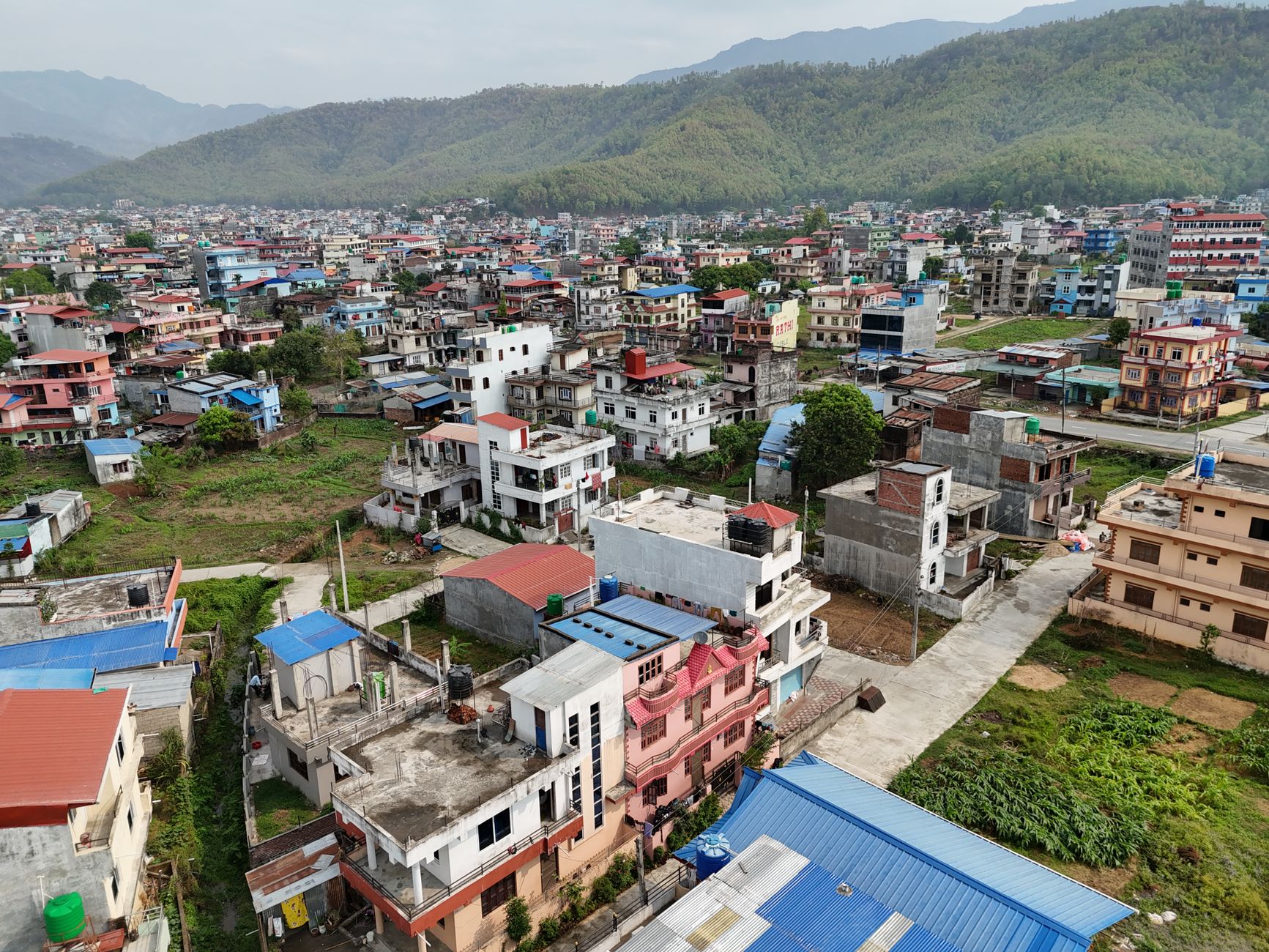
In recent years, demographic growth has transformed parts of the urban landscape, introducing new materials and building typologies. Yet, a conscious effort persists among local architects and municipal authorities to integrate modernity without erasing the traces of the past. The revival of earth-building techniques and the use of locally certified timber have become fundamental pillars for sustainable urban development. This balance between innovation and architectural conservation establishes Birendranagar as a benchmark for urban planning in western Nepal.
Flavors and Knowledge of the Local Market
The central market of Birendranagar serves as a sensory showcase of the agricultural wealth of the Surkhet valley. Stalls overflow with native legumes, rice harvested from hillside terraces, aromatic spices, and seasonal fruits that shift with the agrarian cycle. Far from being a mere commercial exchange point, the market functions as an agora where farmers from mountain villages and urban merchants converge, weaving an economic and social safety net indispensable to regional stability.
Local gastronomy reflects this confluence between the Terai plains and the high peaks. Traditional dishes, prepared with fresh, zero-kilometer ingredients, prioritize simplicity and nutritional balance. Family recipes favor seasonal produce, reducing the ecological footprint and promoting a human-scale circular economy. Sharing a meal in the market eateries reveals that sustainability here is not a recent trend, but an ancient practice rooted in the rational use of resources.
Commitment to Nature and Responsible Travel
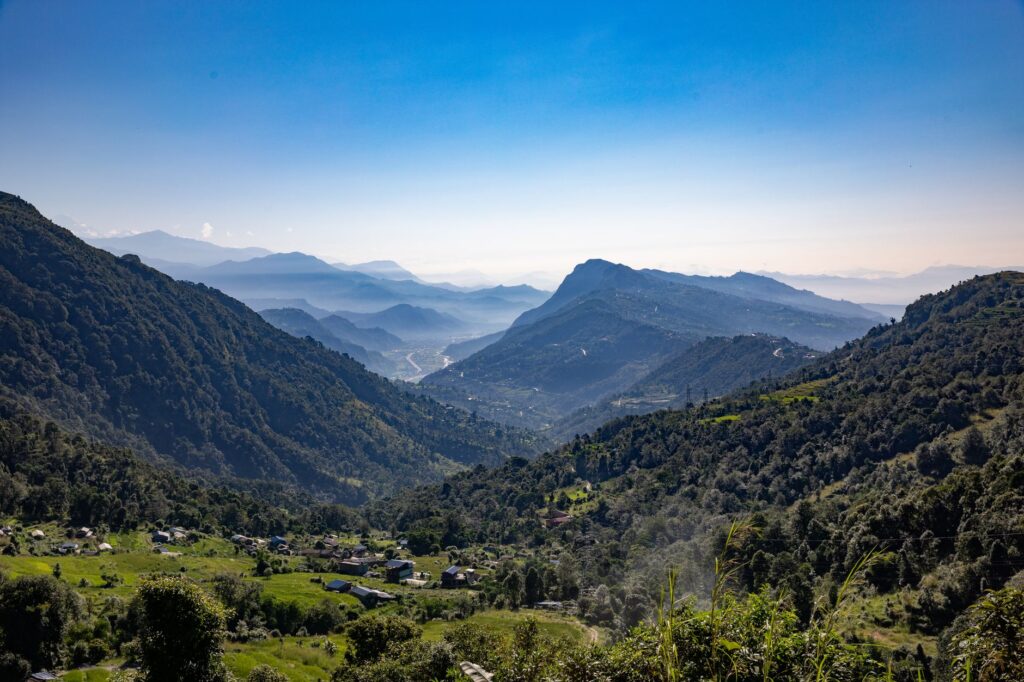
Surrounded by a natural environment of high ecological value, Birendranagar faces the challenge of balancing demographic expansion with the protection of its forests and water sources. Community reforestation and biodiversity conservation initiatives enjoy strong neighborhood participation. Residents understand that the city’s well-being is inextricably linked to the health of surrounding ecosystems. Trails ascending toward hills and natural viewpoints are maintained by volunteer brigades committed to cleaning and respecting local flora and fauna.
Responsible travel in these valleys is not about consuming landscapes, but learning to inhabit them with humility, heeding the invisible rules that govern community life.
For travelers arriving in Birendranagar, the key lies in adopting an attitude of listening and learning. Recommendations for a respectful stay include lodging in family-run guesthouses, purchasing regional products, using public transport or walking whenever possible, and asking permission before photographing individuals or private spaces of worship and artisanal work. This ethical approach transforms the visit into an enriching exchange while minimizing impact on residents’ daily lives.
Daily Practices and Neighborhood Coexistence
Birendranagar’s social fabric relies on robust mutual support networks and community celebrations marking the agricultural and religious calendar. Unlike mass tourism destinations, visitors here are not passive spectators, but temporary guests expected to integrate discreetly into daily rhythms. Local festivals dedicated to protective deities or seasonal shifts mobilize entire neighborhoods in collective preparations where each family contributes time, culinary skill, or musical talent.
Interethnic and interfaith coexistence forms another pillar defining the town’s peaceful atmosphere. Communities of diverse geographical and cultural origins live side by side across neighborhoods, sharing public spaces, schools, and celebrations. This everyday pluralism enriches urban life and fosters constant respect and dialogue. Observing how naturally these human connections are woven offers a valuable lesson in peaceful coexistence within an increasingly fragmented world.
Practical guide
Getting there: Birendranagar is connected by road from major cities in Nepal and lies close to the regional Surkhet Airport, which operates regular flights to and from Kathmandu depending on weather conditions.
When to go: Optimal months to visit are from October to April during the dry season, when mild temperatures and clear skies allow for comfortable walking tours across the valley.
Where to stay: Opt for small family-run lodges and locally managed guesthouses, which provide an authentic experience and ensure the economic impact directly benefits the community.
Food and shopping: Sample dishes made from local grains and legumes in traditional markets and purchase handicrafts directly from family workshops to support the local economy.
Code of conduct: Dress modestly, greet others respectfully, and always request permission prior to taking photographs in private spaces or religious ceremonies.
Visual Epilogue in the Surkhet Valley
At dusk, as the final rays of the sun set the hills of Surkhet ablaze and cast long shadows over cultivated fields, Birendranagar recovers its most intimate quietude. The faint lights of homes begin to flicker in the twilight as the valley prepares for nightfall. In that moment of shared silence, the city reveals its true essence: a sanctuary of peace where memory, living culture, and human dignity continue to beat to the slow rhythm of the earth.