
A Forest Threshold at the Western Edge of the Metropolis
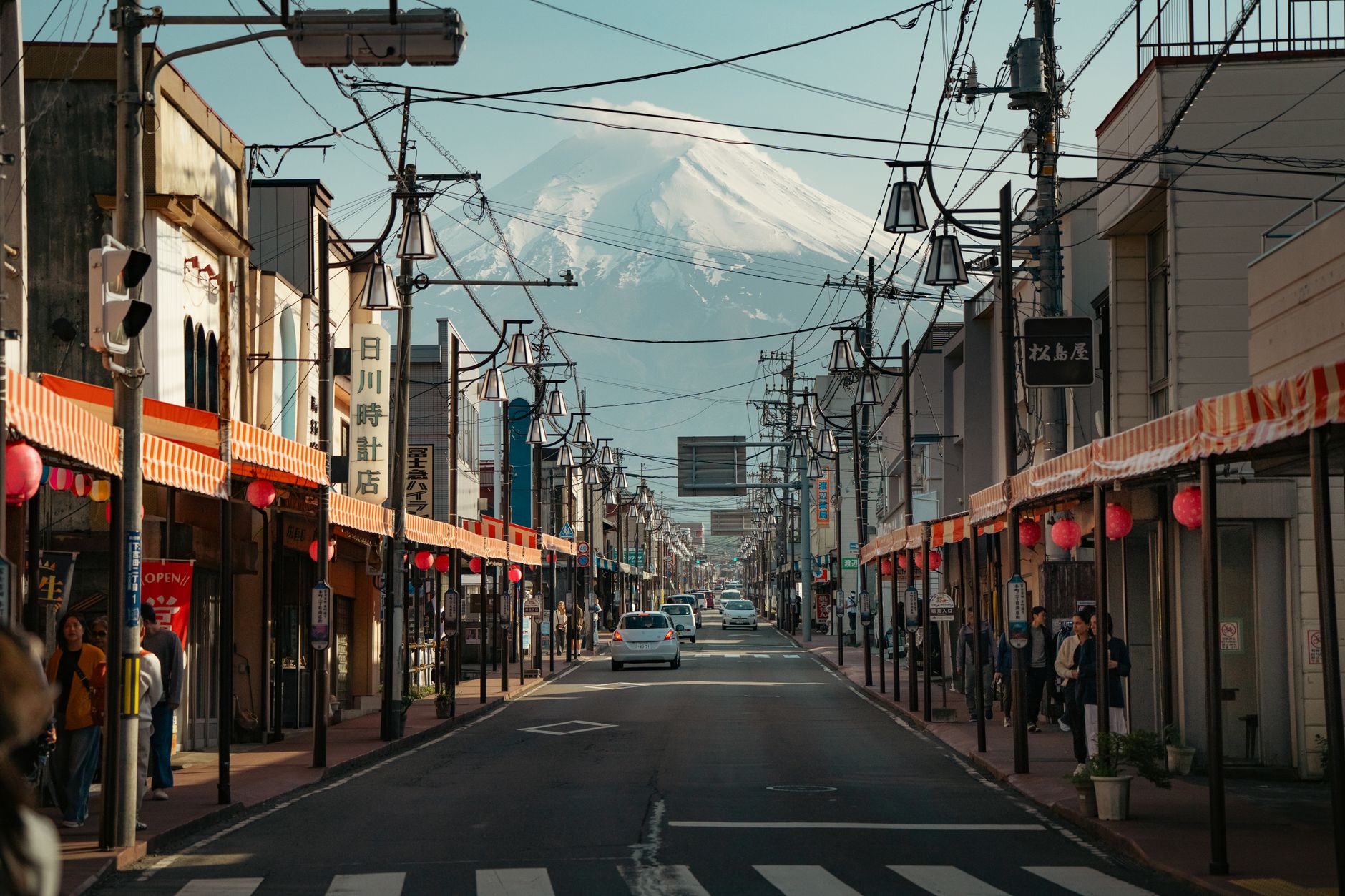
At the western extremity of the Tokyo prefecture, the city of Hachiōji offers a perspective entirely distinct from the hyper-technological and fast-paced imagery commonly associated with the Japanese capital. Here, the bustling intensity of massive skyscrapers yields to low-rise residential streets, vegetation-lined waterways, and a constant proximity to the mountainous foothills that mark the transition toward the Chūbu region. With a population nearing half a million residents, Hachiōji functions as an autonomous hub that keeps alive artisanal and commercial traditions deeply rooted in the history of the Kōshū trade route.
The urban layout is profoundly shaped by its geography. The slopes of Mount Takao and the surrounding hills not only define the visual horizon but serve as a green lung and a daily destination for residents seeking to escape the asphalt. Far from being a mere metropolitan dormitory, this enclave has successfully preserved a distinct identity grounded in neighborhood commerce, seasonal festivals, and a symbiotic relationship with the natural environment reflected in both its architecture and daily customs.
The Memory of the Trade Route and the Centenary Castle
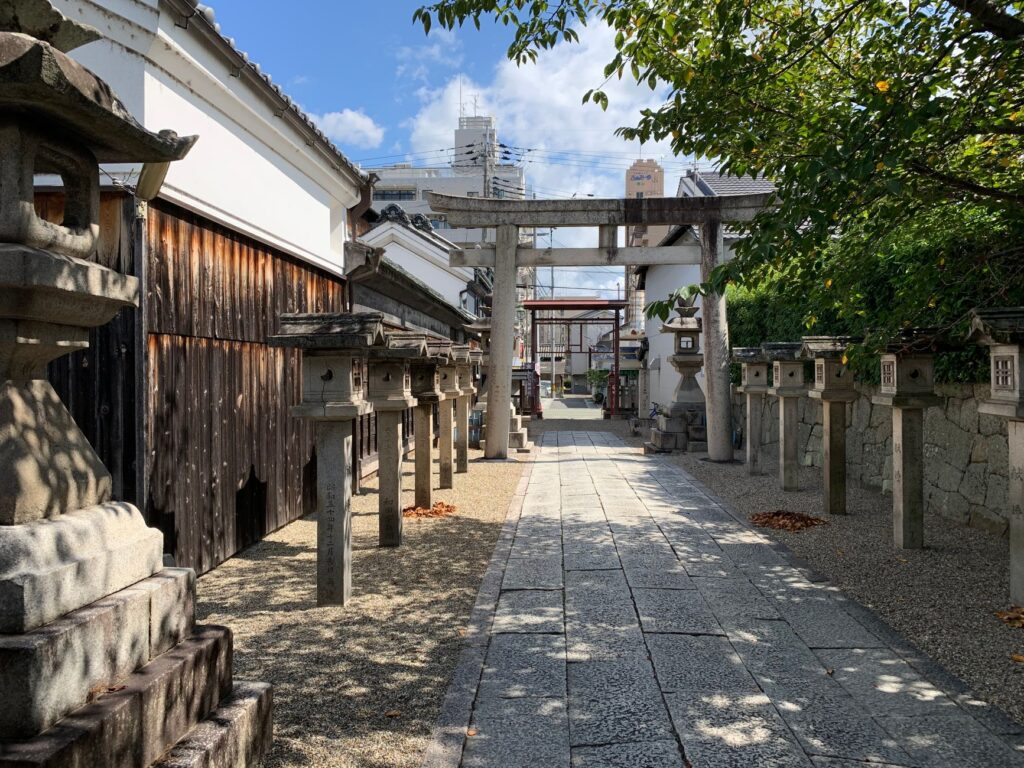
The history of Hachiōji is inextricably linked to its strategic role as a communication node during the Edo period. The Kōshū Highway, one of the primary arteries connecting the old shogunate with the mountainous interior, traversed this valley, turning it into a thriving marketplace for agricultural produce, textiles, and timber. The traces of this past persist in the structure of older neighborhoods, where it is still possible to identify historic storehouses featuring white mud walls and dark tile roofs, known as kura.
On the hills overlooking the city stand the vestiges of Hachiōji Castle, built in the late 16th century by the Hōjō clan. Although much of the original fortress was destroyed during the turbulence of national unification, the archaeological site and the forested trails surrounding it invite quiet reflection on the power dynamics of feudal Japan. Informational signage and respectful maintenance of the area allow visitors to understand the defensive scale of this stronghold without disturbing the tranquility of the woodland ecosystem that has reclaimed it.
The Commercial Pulse of Local Markets
Daily commerce in Hachiōji avoids impersonal shopping centers, instead finding refuge in covered arcades and neighborhood markets where human interaction remains the central focus. In these areas, local vendors offer seasonal produce harvested in the peri-urban gardens of the Tama region. Fresh vegetables, green tea grown on the hillsides, and traditional sweets made from local chestnuts stand out as undisputed staples in the stalls that open their doors from early morning.
This commercial fabric fosters a strong sense of community, where neighbors pause to converse about the weather or the harvest. The preservation of these traditional spaces in the face of urban pressures demonstrates a conscious effort by local government and merchants to keep the social fabric alive. Regular patrons value the traceability and authenticity of the goods, consolidating a sustainable consumption model based on mutual trust and geographic proximity.
Daily Life Among Temples and Riverbanks
The daily rhythm of Hachiōji aligns with the changing seasons and activities surrounding its historical temples, such as the Buddhist complex of Sōsen-ji or the Shinto shrines scattered across the neighborhoods. These sites are not merely tourist attractions, but intergenerational meeting spaces where local rituals marking seasonal transitions are celebrated, from the blooming of cherry blossoms in spring to falling leaves in autumn.
Simultaneously, the rivers crossing the municipality, such as the Asa River, act as recreational and ecological axes. The riverbanks, equipped with paths for pedestrians and cyclists, serve as convergence points for university students, families, and seniors. This harmonious coexistence between the youth brought by multiple higher education centers and the long-term population gives Hachiōji a unique vitality, combining the wisdom of secular traditions with the dynamism of new generations.

The true identity of this valley is found not in grand monuments, but in the way its residents maintain the balance between urban development and respect for the land that sustains them.
Craftsmanship and Textile Heritage in the Tama Valley
Beyond its agricultural and commercial facets, Hachiōji has historically stood out for its textile production, particularly the Tama Ori weaving technique. During the 19th and 20th centuries, the silk industry experienced notable growth in the area, supplying both the domestic market and export channels. Today, although large-scale industrial production has declined, numerous artisanal workshops continue to operate discreetly in residential alleys, keeping alive complex hand-loom patterns and natural dye selections.
This industrial and artisanal heritage is documented and taught in local cultural centers, where young artisans learn the secrets of a trade requiring patience and millimetric precision. The preservation of these techniques is not an exercise in nostalgia, but a deliberate commitment to quality and differentiation against mass production. Interested visitors can observe part of this process in small exhibitions highlighting the importance of textile design in the city’s modern configuration.
Sustainability and Responsible Visitor Choices
Tourism in Hachiōji is increasingly oriented toward low-impact models, driven by the need to protect both the natural environment of Mount Takao and the peace of residential neighborhoods. Local authorities and neighborhood associations promote clear guidelines for travelers: minimizing single-use plastics, respecting quiet hours in residential zones, and utilizing local train and bus networks rather than private vehicles. These measures aim to mitigate the tourist pressure affecting other crowded points of the capital.
Likewise, the consumption of zero-kilometer produce in local restaurants and the use of authorized trails are encouraged to prevent soil erosion in forest areas. Visitor responsibility thus becomes a key element in ensuring that coexistence between residents and visitors remains enriching and sustainable over the long term, allowing natural and cultural heritage to remain intact for future generations.

Mobility Practices and Neighborhood Coexistence
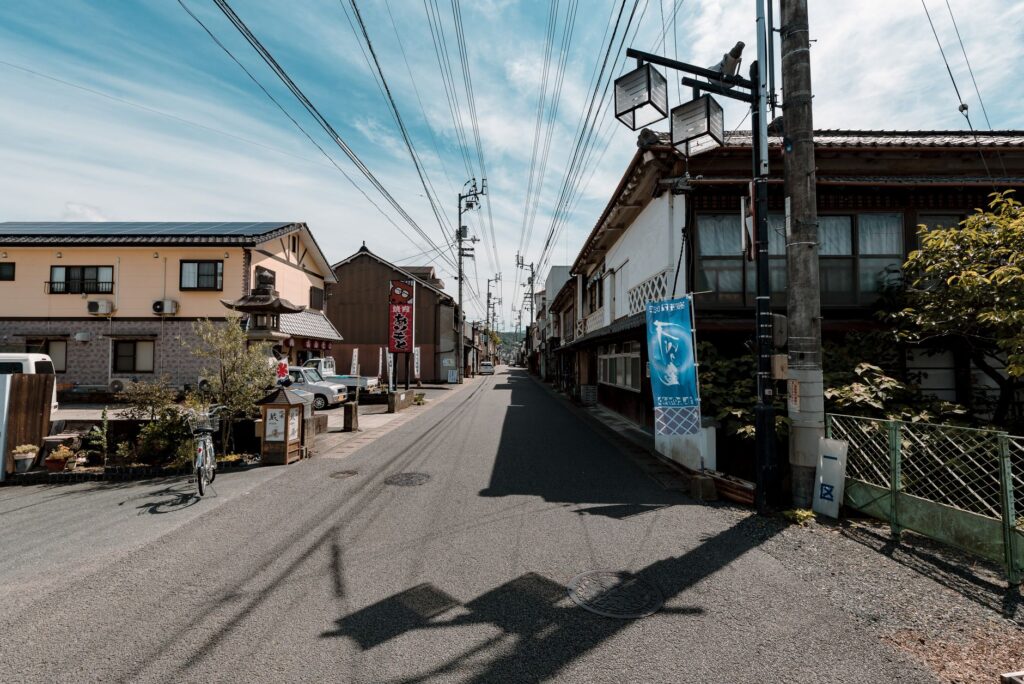
The transport network connecting Hachiōji with central Tokyo is an example of efficiency and punctuality, but within the neighborhoods the predominant mode of transport is walking or cycling. Secondary streets, designed without wide sidewalks in many sections, require a peaceful and cautious coexistence among pedestrians, cyclists, and reduced-speed automobiles. This human scale facilitates daily greetings and fosters a sense of security highly valued by those residing in the area.
Neighborhood associations play a fundamental role in organizing community life, managing everything from public space cleanliness to child safety along school routes. This civic involvement reinforces a sense of belonging and social cohesion, making Hachiōji an orderly, welcoming community where newcomers—whether temporary visitors or new residents—find an environment respectful of local living standards.
Respect for public space and attention to everyday details shape a form of hospitality that manifests without fanfare, grounded in discretion and mutual care.
Practical guide
How to get there: Hachiōji is excellently connected to central Tokyo via JR railway lines (such as the Chūō line from Shinjuku station) and private Keio lines, with travel times hovering around forty to fifty minutes.
When to go: Any time of year is suitable, with spring standing out for cherry blossoms and autumn for the reddish coloration of the forests on the slopes of Mount Takao.
Local gastronomy: It is recommended to try traditional soba noodles made with mountain water and chestnut-based sweets (*kuri*), typical of local artisanal confectioneries.
Getting around: Rechargeable transit cards (Suica or Pasmo) are recommended for local train and bus networks, complementing urban journeys on foot or by rental bicycle.
Rules of respect: Avoid eating while walking, keep mobile devices on silent on public transport, and strictly adhere to signage on natural trails and religious grounds.