
A Valley Where Warmth Sets the Rhythm of Daily Life
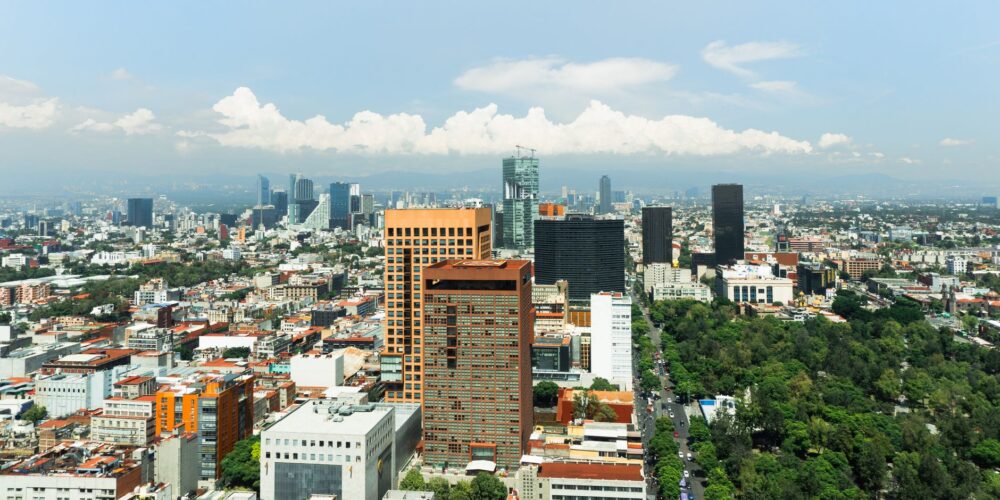
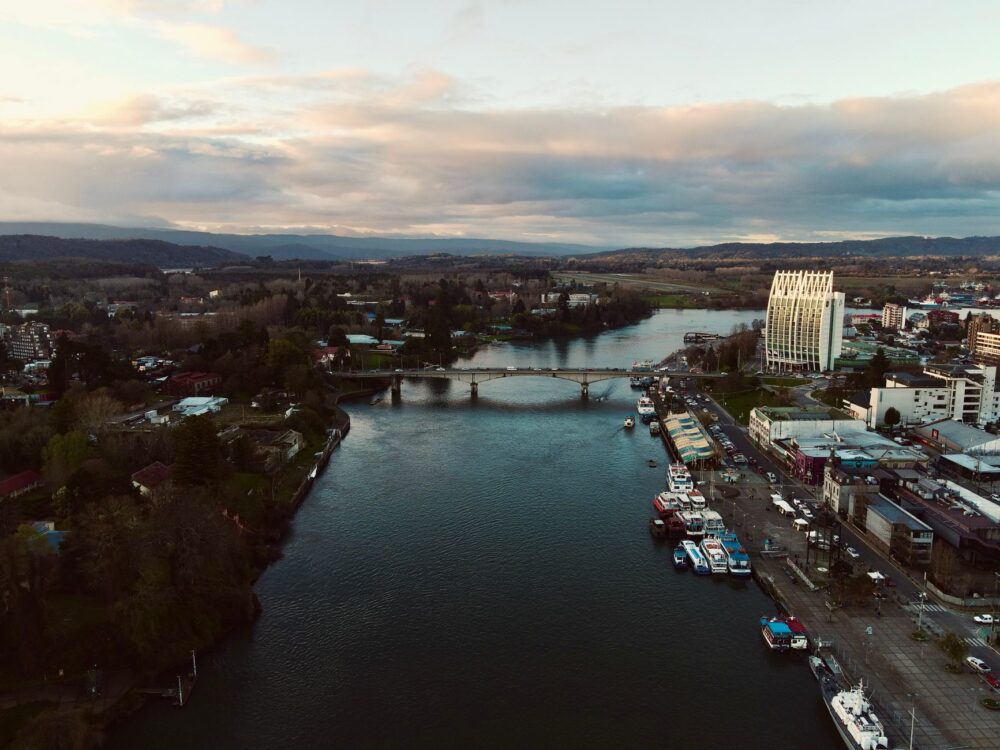
Tuxtla Gutiérrez, the vibrant capital of the state of Chiapas in Mexico, unfolds along a valley flanked by hills and crossed by the Sabinal River. Unlike neighboring colonial towns perched in the highlands, this enclave is characterized by a warm climate and an energetic atmosphere where community life takes place outdoors. Residents, locally known as tuxtlecos, walk along tree-lined avenues and public squares that function as the true social heart of the locality. Here, architectural heritage coexists with lush vegetation that anticipates the proximity to the jungle and the state’s grand geographical formations.
The daily pulse begins early, when the sun illuminates facades in the center and municipal markets open their doors to receive producers coming from surrounding rural communities. In these spaces, the Zoque identity—the region’s indigenous people—remains latent in commercial forms, traditional knowledge, and the persistence of languages and customs. Far from purely monumental circuits, getting to know Tuxtla involves pausing to observe how indigenous heritage and urban modernity intertwine in the dynamics of its traditional neighborhoods.
The geography of the central valley creates a unique urban microclimate that has shaped local architecture and human routines for generations. Traditional houses with high ceilings and interior courtyards were historically designed to capture breezes and mitigate the intense heat characteristic of this region in Mexico. Today, while modern constructions and commercial activity have transformed parts of the urban landscape, residential areas still retain that domestic tranquility where neighbors sit outside on sidewalks during cooler evening hours to converse and share news.
Parque de la Marimba: A Sonic and Social Refuge
If there is one place that encapsulates the community spirit of Tuxtla Gutiérrez, it is Parque de la Marimba. This public space, shaded by laurels and flamboyant trees, transforms every afternoon into the cultural epicenter of the city. As the sun begins to descend and the heat eases slightly, local musicians gather in the central gazebo to perform traditional pieces on the marimba, the national instrument of Chiapas. Entire families, couples dancing under the shade, and curious travelers gather on stone benches to share a moment of intergenerational coexistence that repeats without fail every week.
Marimba music is not merely an attraction for visitors, but a living manifestation of collective memory. Melodies resonate among conversations and the aroma of Chiapanecan coffee emanating from nearby cafes. Around the park, neighbors chat about daily events, children play on the paths, and artisans exhibit textile pieces reflecting the manual dexterity of communities from the Highlands and the Central Depression. This meeting point demonstrates how public urban space can preserve social cohesion in the face of modern life’s transformations.
The meticulous maintenance of the park and its daily cultural programming reflect a deep municipal commitment to safeguarding intangible heritage. Visitors are invited to participate respectfully as observers of a living ritual rather than mere consumers of a spectacle. Local dancers welcome newcomers to join the circle, creating an inclusive atmosphere where traditional rhythms bridge cultural divides and foster a genuine sense of shared community.
Market Flavors: Maize, Cacao, and the Zoque Heritage
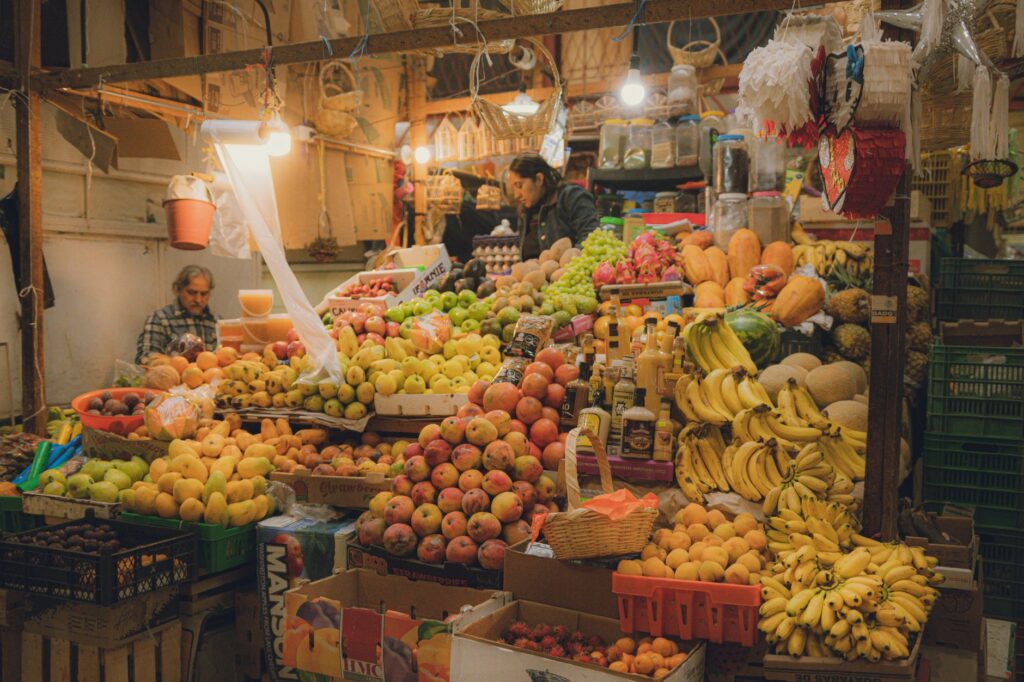
The gastronomy of Tuxtla Gutiérrez is a direct testament to the biodiversity and cultural heritage of Chiapas. Public markets, such as Mercado Lucas de Gálvez or Mercado Gustavo Díaz Ordaz, are sensory laboratories where ingredients that have sustained the population for centuries converge. Maize, in its multiple native varieties, constitutes the undisputed base of local cuisine, transforming into hand-pressed tortillas, tamales wrapped in banana leaves, and ancestral beverages.
Among the most representative preparations is pozol, a refreshing mixture of cooked corn and ground cacao consumed cold to combat the valley’s high temperatures. Likewise, tascalate—made with toasted corn, cacao, achiote, cinnamon, and pine nuts—provides a characteristic reddish color and a unique spiced flavor. Food stalls also offer stews prepared with local herbs, smoked meats, and artisanal cheeses from neighboring municipalities. Each dish tells a story of adaptation to the natural environment and cultural exchange among the state’s different regions.
The cuisine of this Mexican valley seeks no artifice, but rather the honesty of ingredients grown in the earth and respect for recipes passed down from generation to generation.
Exploring these bustling market halls also reveals lesser-known delicacies, such as seasonal wild greens, native beans, and exotic fruits harvested from nearby tropical forests. Vendors take pride in explaining the origin of their produce, often sharing traditional culinary tips that highlight the deep connection between local diet and regional biodiversity. Supporting these traditional markets directly helps sustain family agriculture and small-scale food producers across the broader Chiapas territory.

Sumidero Canyon National Park and Surrounding Biodiversity
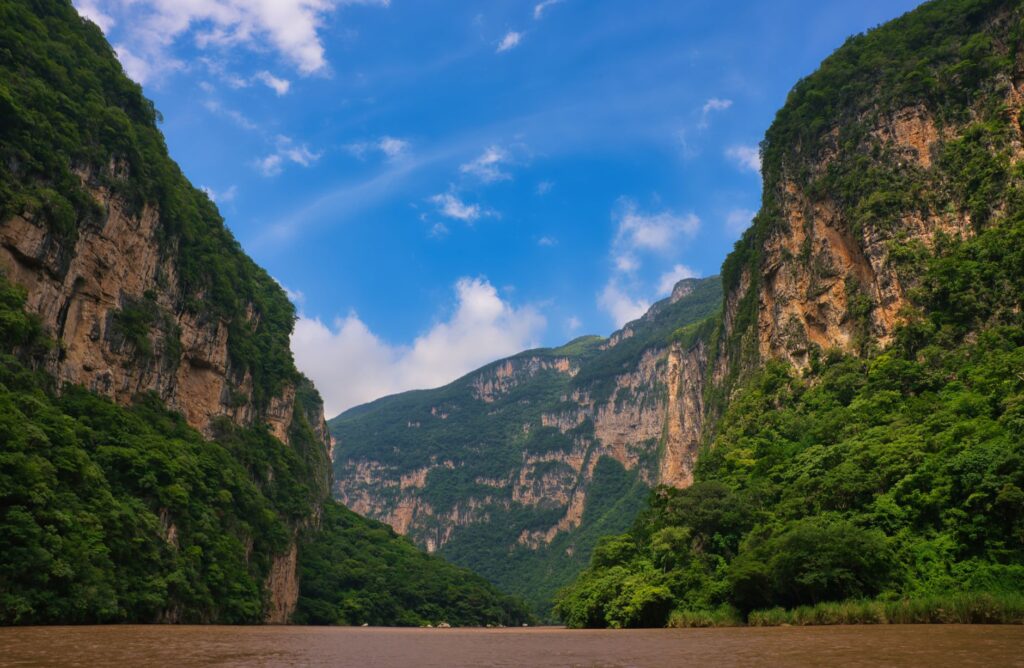
Although Tuxtla Gutiérrez presents itself as a dynamic urban center, nature is never far away. On the city’s outskirts and extending northward lies Sumidero Canyon National Park, one of Mexico’s most imposing geographical features. Limestone walls rising hundreds of meters above the Grijalva River channel create a landscape of immense ecological and visual value. The proximity of this natural colossus influences the climate, urban flora, and environmental awareness of the capital’s inhabitants.
Tuxtla’s urban parks, such as Parque Chiapasiónate and Zoomat (Miguel Álvarez del Toro Regional Zoo), act as extensions of this wild environment. Unlike traditional zoos, Zoomat is located within a native natural reserve where regional fauna—from jaguars to tapirs and quetzals—live in semi-captivity within their own forest habitat. This approach highlights the urgency of conservation and offers visitors the opportunity to observe Chiapas’s biological wealth without altering local ecological balances.
Environmental education initiatives integrated into these natural reserves help visitors understand the delicate interdependence of local ecosystems. Guides emphasize the importance of watershed protection, native reforestation, and wildlife monitoring. For travelers exploring Mexico, recognizing the ecological vulnerability of these protected areas reinforces the necessity of adopting low-impact visitation practices during every excursion into the surrounding canyons and tropical forests.
Architecture, Squares, and Urban Memory in the Historic Center
The layout of Tuxtla Gutiérrez’s historic center reflects the rapid growth the city experienced during the 20th century upon becoming the seat of state powers. Around Plaza Cívica y Cultural Bicentenario, institutional buildings and open spaces concentrate, marking the administrative and cultural pulse. St. Mark’s Cathedral, with its characteristic white tower and sober facade, has witnessed urban evolution since colonial times, although its current structure combines elements from various architectural interventions.
Walking through downtown streets reveals details such as old portals, facades decorated with tropical motifs, and small traditional shops resisting the expansion of large commercial chains. Smaller plazas and pedestrian walkways invite a pause to observe the comings and goings of passersby, seasonal fruit vendors, and shoe shiners on street corners. This human scale in architecture and public space usage adds a layer of authenticity that enriches the experience of any traveler interested in the real life of Mexican cities.
Preserving these architectural fragments allows the city to maintain a tangible link to its past amidst rapid modernization. Old government buildings, leafy interior courtyards, and modest neighborhood chapels tell the story of a community that gradually grew from a small settlement into a bustling state capital. Observing these details offers visitors a deeper understanding of the social layers that constitute contemporary identity in this part of Mexico.
Responsible Decisions for Travelers in the Chiapas Territory
Exploring Tuxtla Gutiérrez and its surroundings from a responsible perspective means recognizing the value of local commerce and respect for indigenous communities sustaining much of the state’s artisanal and agricultural economy. Buying textiles directly from weavers, consuming in traditional markets, and using public transport or walking through neighborhoods are decisions that reduce ecological footprints and directly benefit local families.
Furthermore, conserving natural spaces requires an active commitment from those visiting the region. Avoiding single-use plastics, respecting flora and fauna in natural reserves, and heeding instructions from community guides in national parks are essential practices to ensure that Chiapas’s natural and cultural heritage remains intact for future generations.
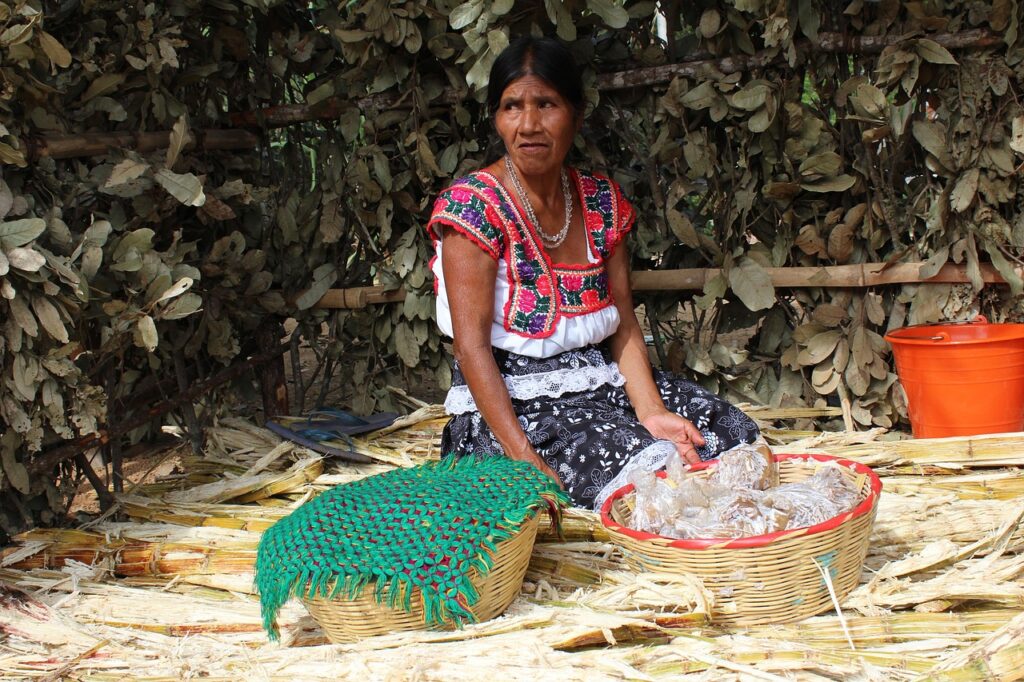
Thoughtful tourism in this region of Mexico is not measured by the number of places visited, but by the depth of respect and attention with which local life is observed.
Travelers can also contribute positively by seeking out authentic cultural experiences that prioritize community benefit over mass tourism. Engaging respectfully with local artisans, learning a few words of greeting in regional languages, and supporting cooperative ventures ensure that tourism acts as a positive force for cultural preservation and sustainable regional development throughout Mexico.
Practical guide
How to get there: Ángel Albino Corzo International Airport (TGZ) connects Tuxtla Gutiérrez with major Mexican cities such as Mexico City, Guadalajara, and Monterrey through regular flights.
When to go: The dry season, running from November to April, offers favorable weather for exploring parks and undertaking outdoor excursions, though temperatures can be high during midday hours.
Getting around: The historic center and many neighborhoods can be comfortably explored on foot. For longer journeys or visiting peripheral natural reserves, authorized taxi services and local public transport are available.
Accommodation: Lodging options range from small family-run guesthouses in the center to boutique hotels set in restored traditional mansions.

Recommended gastronomy: Sample fresh pozol, tascalate, chipilín tamales, and dishes prepared with produce from the Chiapanecan countryside in municipal markets.
Cultural respect: Prioritize purchasing handicrafts and local goods in community markets, directly supporting the region’s artisan economy.
Final recommendation: Dedicate at least one afternoon to peaceful coexistence at Parque de la Marimba to grasp the true sense of time in this corner of southern Mexico.