
Sheffield, United Kingdom: Bricks, Steel, and the Green Memory Defining Its Neighborhoods
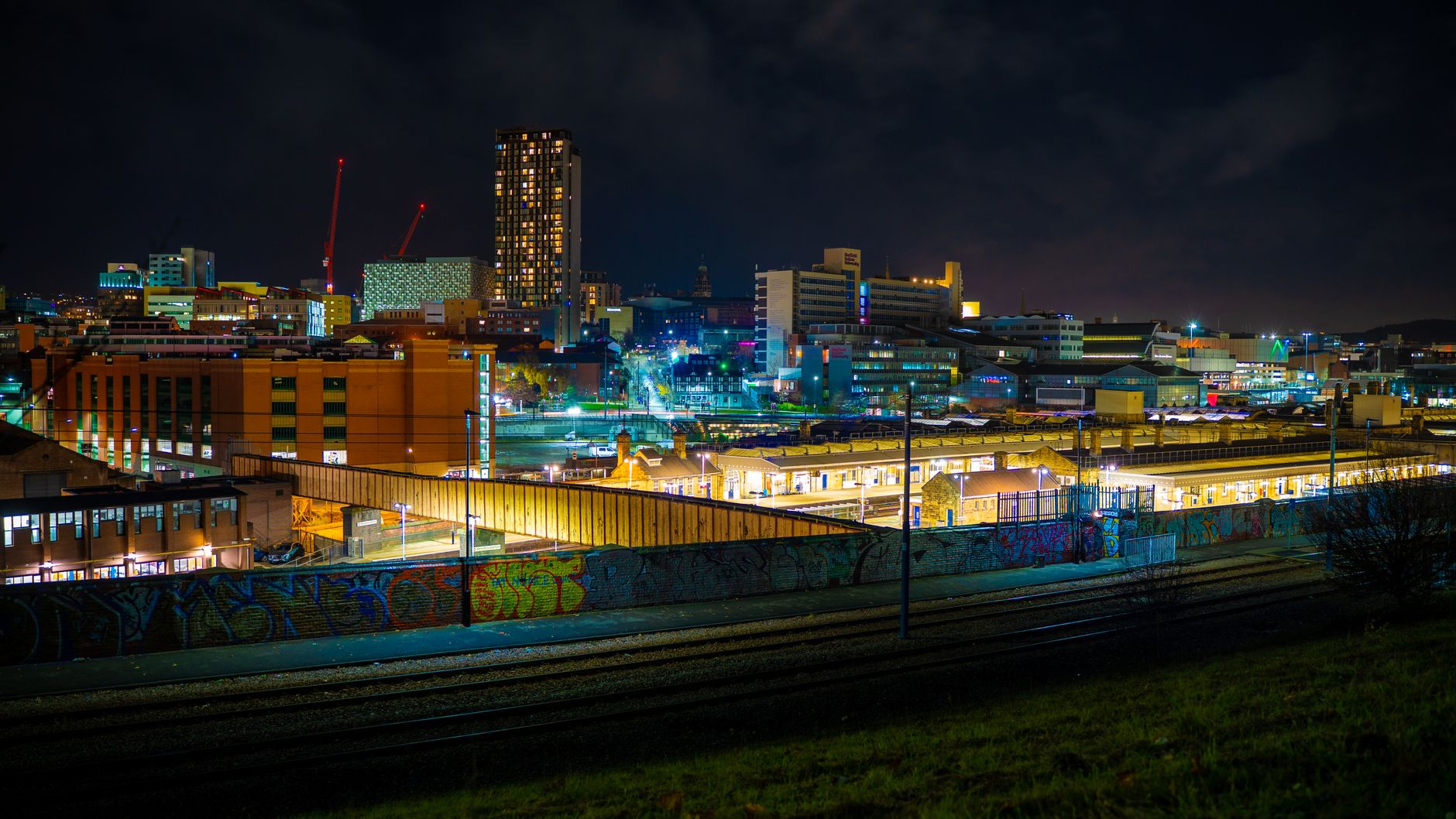
Located in the county of South Yorkshire, the city of Sheffield unfolds across a terrain of steep slopes where five rivers converge. This capricious topography, far from being a mere geographical accident, determined the destiny of its inhabitants since the dawn of the Industrial Revolution. The hydraulic power of the watercourses drove the mills that forged the worldwide fame of the locality in the production of steel and cutlery. Today, walking through its streets involves traversing a territory where the memory of labor coexists with an urban transformation toward ecological sustainability.
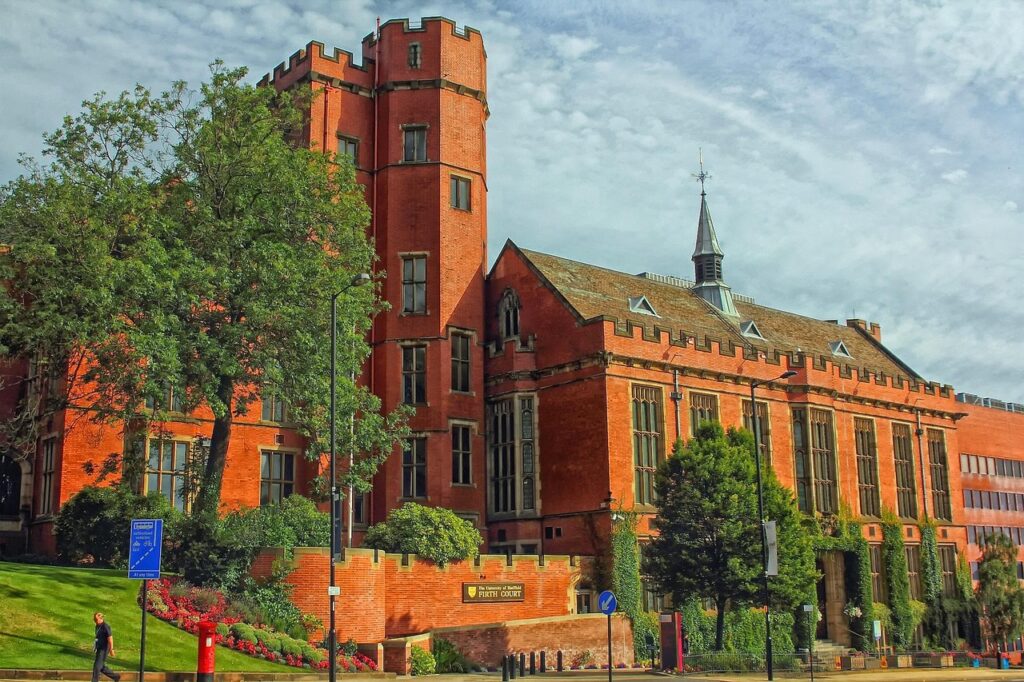
Unlike other British manufacturing centers that completely erased their past by dismantling chimneys, Sheffield has chosen to integrate its industrial heritage into daily life. The former red-brick factories and rehabilitated artisanal workshops now house cultural centers, design studios, and neighborhood cooperatives. This exercise in heritage reuse does not respond to a tourist marketing strategy, but rather to an internal necessity to preserve the dignity of a trade that shaped the collective identity of entire generations.
The Green Pulse of a Protected Environment
One of the most surprising aspects for those visiting Sheffield for the first time is its extraordinary forest density and the constant presence of urban parks. Situated on the eastern edge of the Peak District National Park, the city acts as a natural gateway between the high gloomy plateau and the inhabited valleys. Urban trees outnumber human residents, a statistic that translates into tree-lined streets, wild ravines, and a network of public spaces managed with long-term conservation criteria.
Neighborhood associations play a fundamental role in maintaining these green lungs. Through citizen science programs and local volunteering, residents monitor water quality in the Don and Sheaf rivers, replant native species in the surrounding forests, and protect local wildlife habitats. This symbiotic relationship between the citizenry and its natural environment demonstrates that urban sustainability does not depend exclusively on high municipal budgets, but on a daily and sustained commitment over time.

Supply Markets and Proximity Commerce
The commercial fabric of Sheffield is articulated around traditional markets such as the historic Castle Market, converted and decentralized into various neighborhood proposals that prioritize local and seasonal produce. Grocers and farmers from the neighboring valleys supply stalls where commercial exchange recovers its human dimension. People come here not only to buy food, but to weave networks of trust that strengthen social cohesion against the homogenization of large commercial surfaces.
This commitment to proximity economy extends to the restaurant and independent hospitality sector. Small cafes, artisanal bread bakeries, and local breweries collaborate closely to reduce their carbon footprint, prioritizing suppliers located less than fifty kilometers away. The result is an honest gastronomic landscape, rooted in the resources of the territory and far removed from fleeting trends that erode the authenticity of urban destinations.
Life in the Neighborhoods: Identity and Citizen Participation
Outside the central core, districts like Ecclesall, Sharrow, or Kelham Island exhibit well-differentiated personalities that resist accelerated gentrification. In these neighborhoods, old Victorian brick houses and community courtyards continue to be the setting for active neighborhood life. Decisions regarding the use of public spaces and the opening of new businesses are usually debated in local assemblies, where the impact that each initiative may have on the tranquility and well-being of the community is evaluated.
This decentralized governance model fosters a very deep sense of belonging. Inhabitants do not perceive themselves as mere spectators of their city, but as active custodians of their architectural and social heritage. Neighborhood libraries, self-managed community centers, and community urban gardens act as integration nodes where people from diverse backgrounds coexist, consolidating a resilient and inclusive social fabric.

Active Mobility and the Challenge of Slopes
Moving around Sheffield entails facing a constant physical challenge due to its steep hills. To cope with this difficulty without increasing polluting emissions, the city has promoted a mobility strategy based on the integration of low-emission buses, electric trams, and a network of pedestrian routes designed to smooth out elevation changes. The use of the bicycle, although complex for cyclists less accustomed to hills, has the backing of associations that promote urban cycling and the creation of protected lanes.
Urban design prioritizes pedestrians in commercial axes and in the vicinity of educational centers, drastically reducing the maximum speed permitted in residential streets. This traffic pacification not only improves road safety, but transforms the public space into a meeting place where children can play outdoors and the elderly can travel without the pressure of road traffic.
The Working-Class Memory as a Compass for the Future
The metallurgical history of Sheffield has left an indelible mark on its character. Far from being ashamed of its working-class past, the city claims it as the ethical foundation upon which it builds its current policies of sustainability and social justice. Local museums, such as the Kelham Island Museum, do not limit themselves to exhibiting old machinery, but document the living conditions of workers, their union struggles, and the technological evolution that transformed an artisanal craft into a global industry.
This historical awareness permeates current decision-making. When a new urban intervention is planned, historical archives and elders’ councils are systematically consulted to ensure that new constructions respect the human scale and the visual memory of the place. In this way, Sheffield demonstrates that modernity and respect for roots are not mutually exclusive concepts, but two sides of the same coin.
The Everyday Fabric and Civic Commitment
Daily life in this area of the United Kingdom is nourished by a network of small businesses and neighborhood associations that energize the neighborhoods beyond the historic center. Neighborhood life relies on community initiatives that encourage the exchange of local knowledge, the repair of goods, and responsible consumption. These daily actions reinforce a collective identity based on local self-sufficiency and mutual care among neighbors.
Likewise, public spaces and plazas in peripheral districts regularly host farmers’ markets and exchanges of seasonal products. This dynamic favors a consumption model in which the citizen assumes an active role in the preservation of the environment and in the reduction of environmental impact, avoiding exclusive dependence on large commercial chains and strengthening the local economy.
Practical Guide
How to get there: Sheffield has excellent rail connections from London (St Pancras station), Leeds, and Manchester, operated by major British companies. The nearest airport with international connections is Manchester, located about two hours away by train.
When to go: Spring months (May to June) and early autumn (September to October) offer moderate temperatures ideal for walking through urban parks and making excursions to the nearby Peak District.

Where to stay: Opting for small independent hotels or family accommodations located in residential neighborhoods like Ecclesall or in the rehabilitated area of Kelham Island allows you to support the local economy and live a more integrated experience in urban daily life.
Behavior recommendations: Respect neighborhood coexistence rules in residential areas, use public transport or walk whenever possible, and collaborate with the cleanliness of natural spaces by depositing waste in enabled points or carrying it with you.
The Silent Embrace of the Valleys
At dusk, when golden light bathes the slate roofs and brick chimneys silhouette against the gray northern sky, Sheffield reveals its most intimate face. On park benches and paths descending toward the rivers, life passes without fanfare, sustained by the discreet effort of a community that has known how to reinvent itself without renouncing its past. The hills that once fueled the most powerful furnaces of the empire now guard a fragile yet firm balance, reminding the traveler that the true value of a destination lies in the authenticity of its people and in the silent respect for its own history.