
A Horizon of Sea and Plateau Defining the Patagonian Edge
Located in the province of Chubut along the coast of the San Jorge Gulf, the Argentine city of Comodoro Rivadavia sprawls across a landscape where the vast Patagonian steppe abruptly meets the cold waters of the South Atlantic. Unlike other coastal enclaves in the region, this municipality is not a silent transit point, but rather a vibrant urban center of over one hundred and forty thousand residents that throbs to the steady rhythm of its extreme geography. The surrounding hills, sculpted by millions of years of wind erosion, embrace a town that descends in terraces toward the port, creating a visually unmistakable landscape where gray stone coexists with the deep blue of the sea.
The presence of the wind is never a minor detail when exploring these streets; it is a shaping element that influences architecture, movement, and the character of its people. The constant gusts, which frequently exceed the usual limits of other latitudes, have forced the creation of a resilient urbanism—low-rise in many sectors—where public spaces are ingeniously sheltered from the elements. Far from being a temporary inconvenience, this meteorological phenomenon forms an indissoluble part of local identity, a permanent reminder that we are in deep Patagonia, a territory that demands respect and adaptation.
The Black Heritage and the Footprint of the Patagonian Subsoil
The contemporary history of Comodoro Rivadavia shifted definitively in December 1907, when a drilling rig searching for drinking water struck oil more than five hundred meters underground. This discovery transformed an incipient port outpost into the national capital of hydrocarbons, an energy engine that fueled demographic and economic growth across Argentina’s entire southern region. Today, the legacy of that industrial epic is felt in every corner of the urban fabric, from the historic neighborhoods built for state oil workers to the extraction towers that still cut across the horizon on the outskirts.
Walking through sectors like the General Mosconi neighborhood, historically known as Kilometer 3, is like stepping into an open-air museum of early twentieth-century industrial architecture. Wooden and sheet-metal houses with gabled roofs, built with aesthetics reminiscent of European mining camps, stand alongside English-style chalets destined for the engineers and directors of the era. This architectural contrast tells the story of a hierarchical yet deeply communitarian social structure, where shared effort under adverse weather conditions forged bonds of solidarity that endure in neighborhood associations and the oral memory of older families.

Daily Life in Public Spaces and Meeting Places
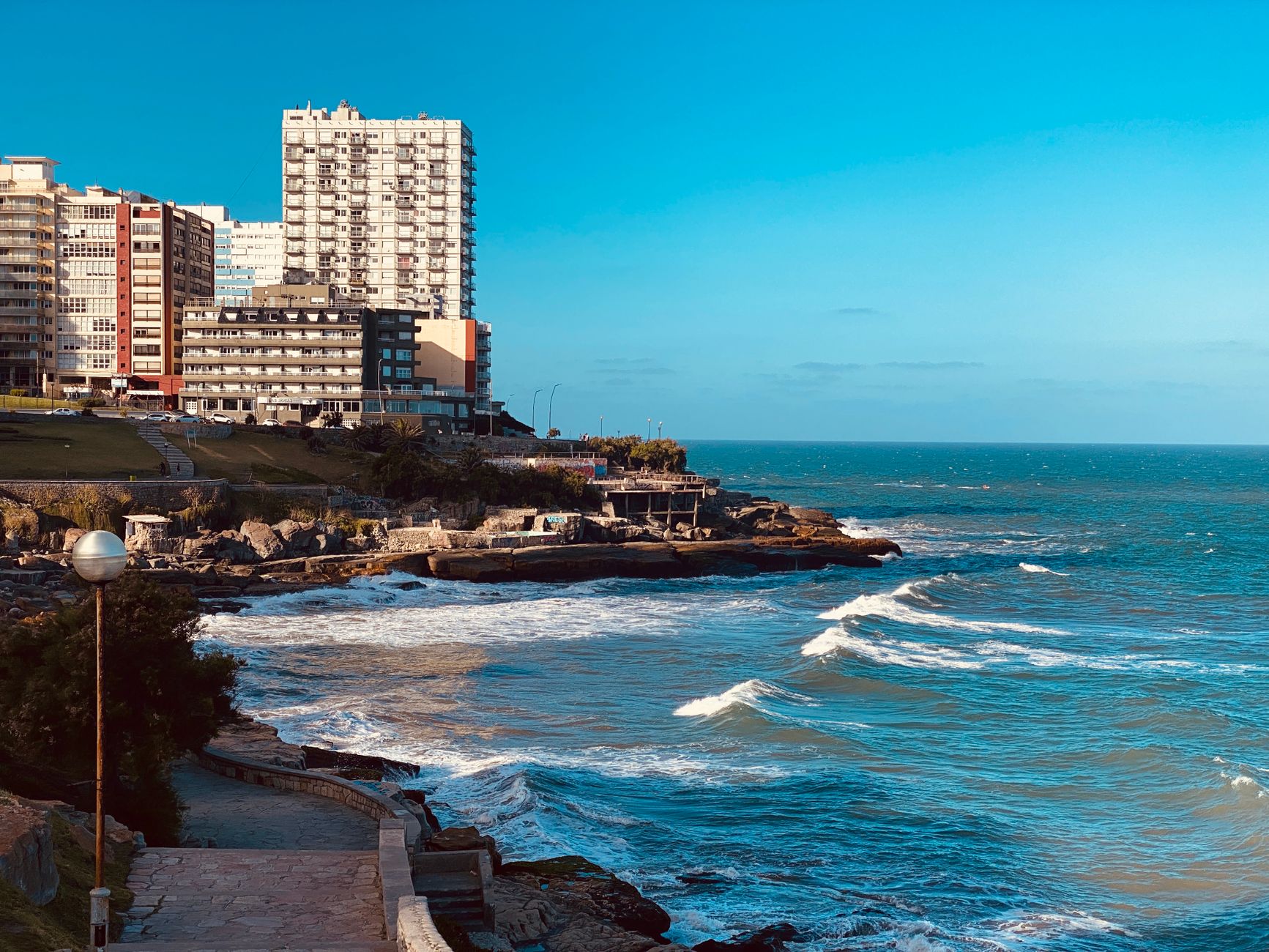
Beyond its manufacturing past, daily life in Comodoro Rivadavia unfolds in squares, coastal promenades, and cultural centers that reflect the vitality of a diverse population, made up of European immigrant descendants and internal migrants from various Argentine provinces. The local Costanera, bordering the San Jorge Gulf, becomes the premier gathering spot during weekends. Families come together to watch cargo ships pass, artisanal fishermen arrive, and seagulls glide low, in a postcard where the immensity of the ocean contrasts with the dryness of the urban hills.
Neighborhood markets and local artisan fairs offer a clear display of regional production, where sheep wool, worked wood, and gastronomic products from the Patagonian coast occupy a central place. In these spaces of commercial and social exchange, human warmth pleasantly contrasts with the harshness of the outside climate. Conversations revolve around the weather, tales of old oil wells, and projects of a community seeking to diversify its economy toward renewable energy, integrating modern wind farms that already populate the surrounding plateaus with its historical vocation.
Flavors of Sea and Steppe on the Local Table
The culinary offering of Comodoro Rivadavia is the logical result of its geographic location: a meeting point between the marine wealth of the San Jorge Gulf and the livestock tradition of the Patagonian plateau. The city’s restaurants and traditional eateries feature a menu where marine fruits—especially fresh shellfish and fish such as hake and silverside—share the spotlight with traditional cuts of sheep and beef prepared over coals. This gastronomic duality reflects the adaptability of a kitchen that makes the most of available resources in a demanding geographic environment.

Among the most representative dishes are preparations based on Patagonian lamb, slowly roasted on an open fire, accompanied by sauces made with native herbs from the steppe. Likewise, the influence of migratory currents is evident in artisanal baked goods, traditional European pastries, and a growing craft beer scene that uses high-quality local water and selected malts. Every meal in Comodoro Rivadavia comes accompanied by stories about the origin of the ingredients, turning the act of eating into an experience of cultural understanding about the territory.
Urban Architecture and Cultural Refuges Against the Wind
The urban layout of Comodoro Rivadavia responds to an overlapping expansion logic, where mid-twentieth-century administrative buildings coexist with contemporary glass and concrete constructions. The main streets, set along steep slopes descending from the hills to the coast, require pedestrians and drivers to navigate with care, discovering architectural details on every corner that recall the economic prosperity of the golden decades of oil. Local museums, such as the National Petroleum Museum, safeguard heavy machinery, photographic archives, and testimonies explaining how a small village in the middle of nowhere became a strategic industrial hub.
A few steps from the commercial arteries are spaces dedicated to plastic arts and independent theater, managed by cultural collectives maintaining an intense year-round agenda. These centers function as true community refuges where residents seek shelter from windy days to attend lectures, screenings, and art exhibitions. Culture in Comodoro Rivadavia is not a superficial ornament, but a tool for social cohesion that strengthens a sense of belonging in a natural environment that can sometimes feel imposing and lonely.
Sustainability and Energy Transition in the Wind Capital
In recent decades, Comodoro Rivadavia has begun traveling a path of productive diversification that transcends traditional hydrocarbon extraction. The vast expanse of its plateaus, swept by constant, high-intensity winds, has turned this area into one of Latin America’s most important natural laboratories for wind energy development. The massive wind turbines rising on the surrounding hills not only supply clean electricity to thousands of homes, but also symbolize a profound cultural transformation toward sustainability and respect for natural resources.

For the responsible traveler, this process offers the opportunity to understand how an industrial community reinvents itself in the face of twenty-first-century climatic and economic challenges. Guided tours of the wind farms allow visitors to grasp the monumental scale of this green technology, while local conservation initiatives promote the protection of native fauna, such as guanacos and rheas inhabiting the transition zones between steppe and coast. This balance between manufacturing memory and energy transition configures a model of reflective tourism, focused on valuing human resilience over mere entertainment.
Patagonia is not experienced solely through the eyes; it is heard in the constant whistle of the wind and understood by walking the streets where daily effort has triumphed over geographic adversity.
Practical guide
How to get there: General Enrique Mosconi International Airport receives daily scheduled flights from Buenos Aires and other key Argentine cities. It is also accessible by land via National Route 3, which runs along the entire Atlantic coastline.
When to go: The months of the southern spring and summer (October to March) offer milder temperatures and lower precipitation intensity, though the wind is always present.

What to visit: The National Petroleum Museum in Kilometer 3, the coastal promenade of the San Jorge Gulf, the panoramic viewpoints over the hills, and the peripheral wind farms.
Accommodation: Hotel options are concentrated in the downtown area, ranging from corporate establishments to family-run guesthouses with strong local roots.
Gastronomy: It is essential to try roasted Patagonian lamb, fresh fish from the San Jorge Gulf, and artisanal pastries in historic downtown cafes.
Mobility: Renting a vehicle is recommended to explore peripheral viewpoints and nearby natural attractions, or using established urban transport for central routes.

Local respect tips: Heed safety guidelines at windy viewpoints, purchase products at neighborhood stores, and support independent cultural initiatives that energize community life.
The Final Embrace Between Steppe and Sea in Southern Patagonia
As evening falls and the last rays of sunlight strike the cliffs of the San Jorge Gulf, Comodoro Rivadavia reveals its most contemplative and human face. The city lights begin to flicker on the slopes of the hills, drawing a luminous map that contrasts with the infinite darkness of the surrounding steppe. In that moment of quietness, far from the feverish pace of major metropolises, the Patagonian town invites visitors to pause, listen to the distant murmur of waves, and recognize in every resident the certainty of belonging to an indomitable frontier that has successfully forged its own destiny through dignity and memory.