
The Memory of Bracara Augusta in the Twenty-First Century
In northwestern Portugal, the city of Braga rises upon the foundations of its Roman past while fully embracing the dynamics of the present. With a population exceeding 190,000 residents, this municipality within the homonymous district combines the solemnity of its secular temples with a commercial bustle that animates every corner of its historic center. Walking through its cobblestone streets reveals how local administration and neighborhood associations collaborate to preserve public spaces, fostering pedestrian mobility that reduces reliance on private vehicles for daily urban commutes.
The city’s pulse is clearly felt in its tree-lined squares and ancient markets where regional producers sell vegetables, seasonal fruits, and artisanal goods. This neighborhood commerce not only guarantees food freshness but also serves as the axis around which the municipality’s social economy revolves. Residents gather at these daily meeting spots to converse, exchange impressions about harvests, and keep alive the culinary traditions of Minho, a territory where popular gastronomy is passed down through generations without artifice or commercial rhetoric.
Proximity Commerce and Circular Economy in Municipal Markets
Sustainability in Braga does not respond to fleeting trends, but rather to a deeply rooted understanding of available resources. At the municipal market, local vendors and farmers have applied practices for decades that are now framed under the concept of the circular economy. Reducing single-use plastics, prioritizing native horticultural varieties, and minimizing organic waste through selective collection are daily tasks involving both sellers and buyers. This direct relationship between grower and consumer strengthens community fabric and drastically reduces the carbon footprint associated with goods transport.
Likewise, small shops in the historic center have adapted their window displays and energy management methods without altering the traditional aesthetics of nineteenth-century buildings. Low-energy lighting, the recovery of original wooden carpentry, and the installation of thermal insulation prove that architectural heritage conservation and energy efficiency can go hand in hand. Merchants understand that caring for the urban environment is the sole guarantee for future generations to continue enjoying the sober beauty characteristic of this Portuguese locality.
Urban Green Spaces and Conscious Water Management
Braga’s ecological equilibrium is also supported by a network of parks, gardens, and riverbanks acting as green lungs amid the urban grid. The care of these natural spaces is not limited to purely ornamental tasks; municipal services employ xeriscaping criteria and automated irrigation systems that make the most of every available liter of water. Thus, native vegetation successfully withstands periods of lower summer rainfall without compromising the water resources intended for the local population’s human consumption.
Environmental groups and local educational centers actively collaborate in riverbed cleanup days and the planting of native tree species along the edges of peri-urban streams. These citizen initiatives reinforce environmental awareness among younger generations, who learn to value local biodiversity through practical workshops and guided excursions led by biologists and environmental management experts. Active community participation ensures that environmental protection is not an external imposition, but a conviction shared by all inhabitants.
Civil and Religious Architecture as Living Heritage
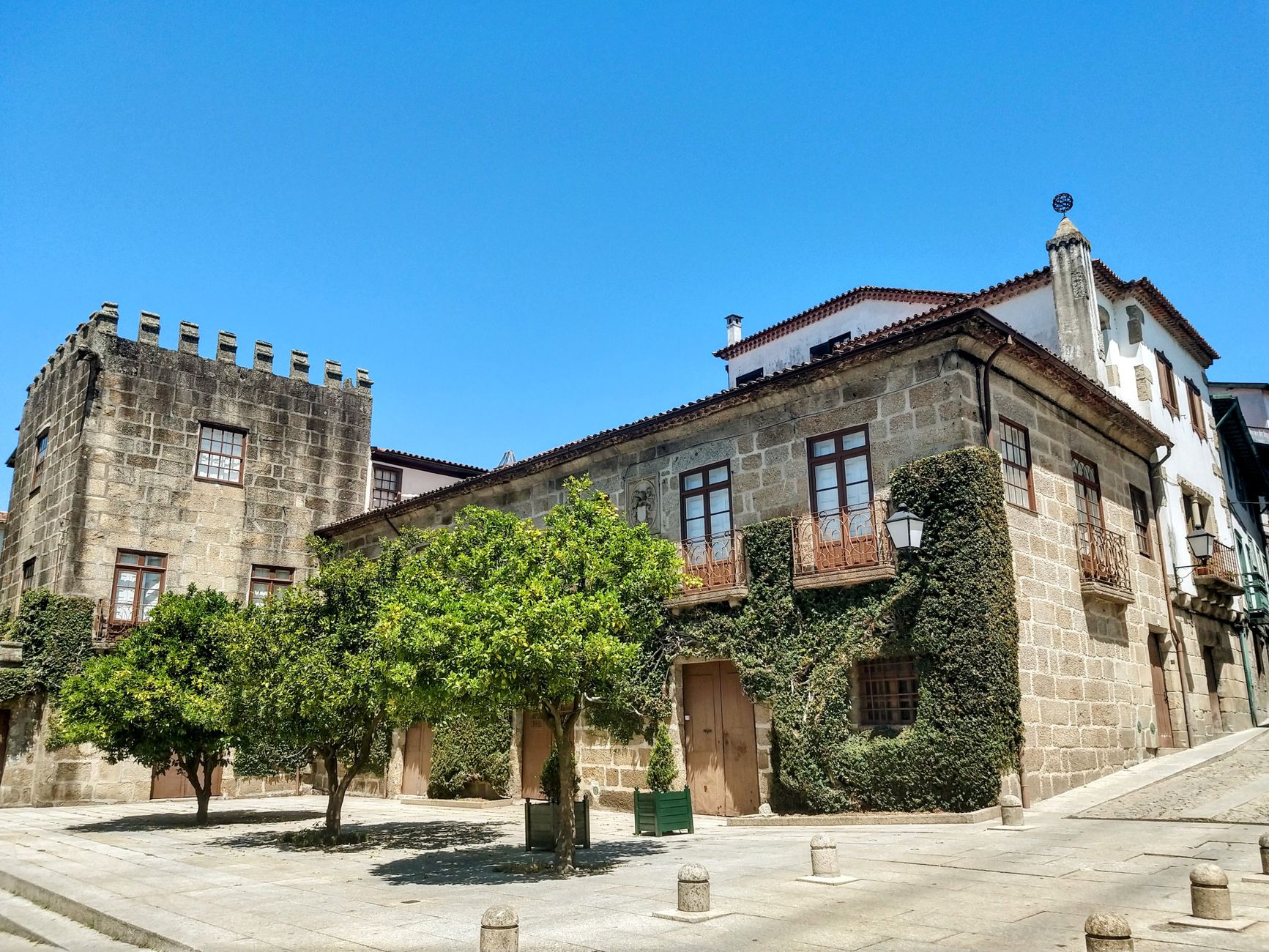
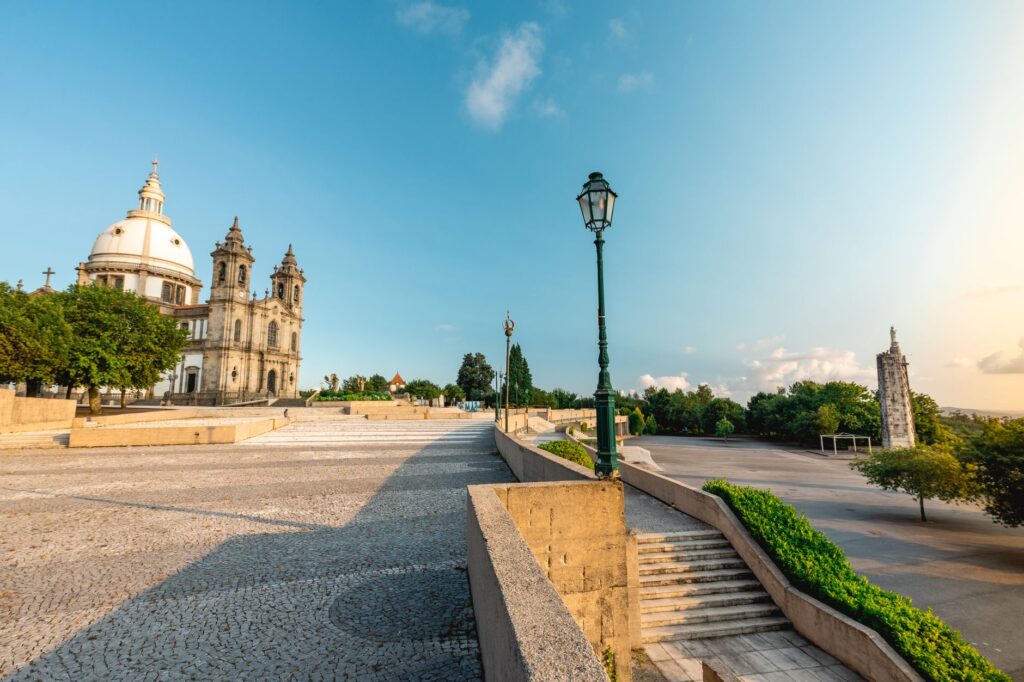
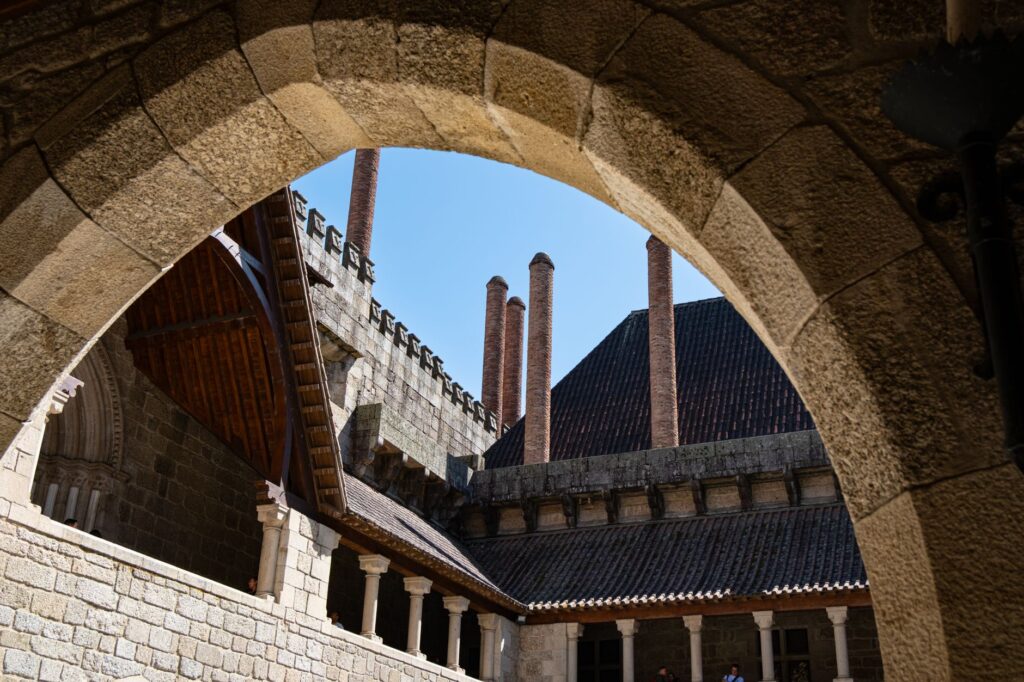
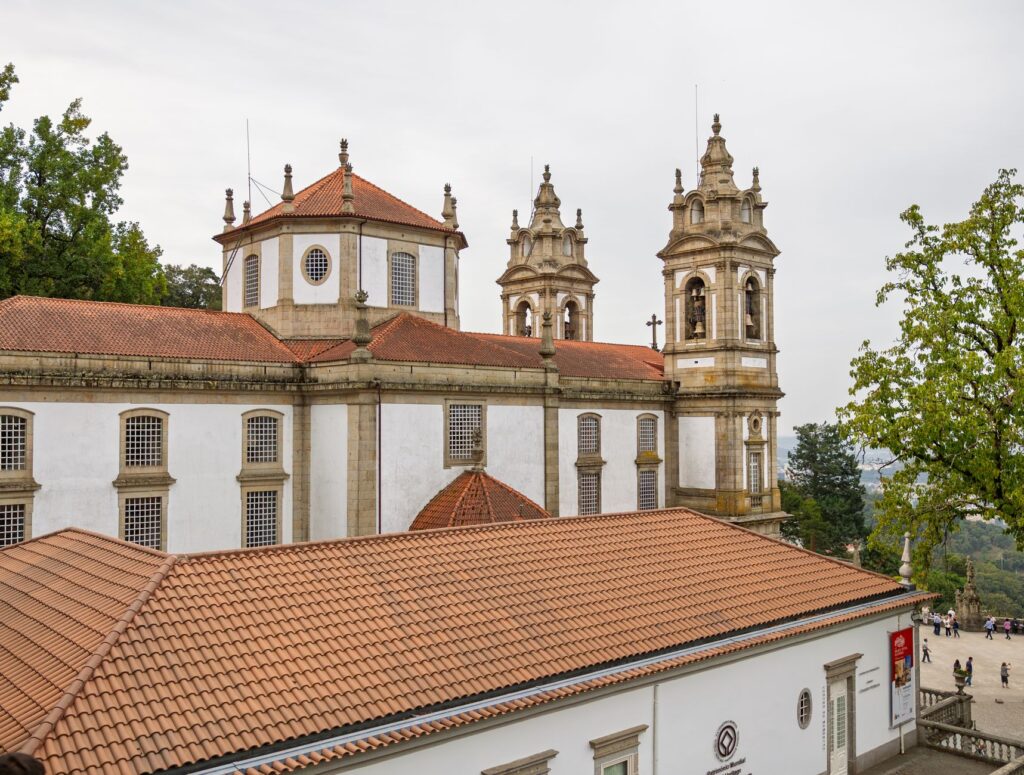
Braga’s monumental heritage, headed by its emblematic cathedral and the numerous baroque churches dotting the urban landscape, demands constant and specialized maintenance. Local restorers use traditional stonemasonry techniques and lime mortars to repair granite walls, avoiding synthetic materials that could damage the original stone. This respect for traditional construction methods ensures the visual authenticity of monuments while generating stable employment for regional artisans.
Far from becoming a sterile museum for the occasional visitor, Braga’s architectural heritage forms an inescapable part of daily life. The temple steps serve as improvised resting benches for neighbors, and historic arcades shelter small goldsmithing and tailoring workshops that keep alive trades nearly vanished in other European cities. This continuity in urban space use demonstrates that the best way to conserve a monument is to allow the community to inhabit and care for it naturally.
Active Mobility and the Design of Daily Commutes
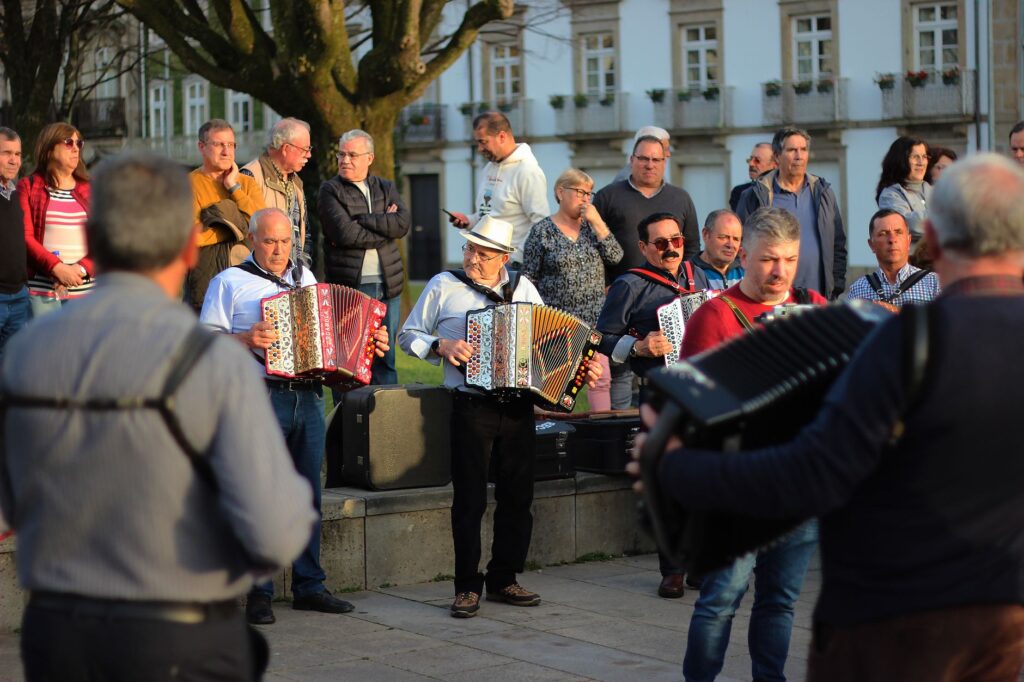
To curb road traffic congestion during peak hours, the municipality has promoted the creation of new pedestrian routes and the expansion of bicycle lanes in recent years. These active mobility axes connect residential neighborhoods with educational institutions, health centers, and markets, facilitating smooth and safe daily commutes. Residents have welcomed these measures with a favorable attitude, integrating daily walking into their routines and voluntarily reducing automobile use within the city interior.
The value of a city is measured not by the speed at which one traverses it, but by the capacity of its streets to welcome the leisurely life of those who inhabit it daily.
Additionally, urban public transport stops have been redesigned to offer real-time information and facilitate intermodality with rail services connecting Braga to the rest of northern Portugal. This integrated planning prioritizes the convenience of regular users over mass tourism, ensuring the transport system functions as an efficient and sustainable public service for the entire community.
Traditional Gastronomy as Heritage and Sustainable Commitment
Braga’s cuisine is a faithful reflection of its territory: simple, hearty, and crafted with locally sourced products. Traditional dishes such as bacalhau à minhota or various regional pork preparations follow ancestral recipes prioritizing ingredient quality above any avant-garde pretension. Traditional restaurants and neighborhood taverns work hand in hand with local agricultural cooperatives, ensuring the food supply chain remains within the county and directly benefits regional producers.
This gastronomic commitment also includes rigorous management of food surplus. Various establishments collaborate with local solidarity networks to utilize unsold fresh foods, transforming them into prepared meals for vulnerable families. Thus, Braga’s culinary identity associates not only with good eating, but also with solidarity and shared social responsibility among all actors in the restaurant sector.
Culture as a Fabric of Integration and Neighborhood Participation
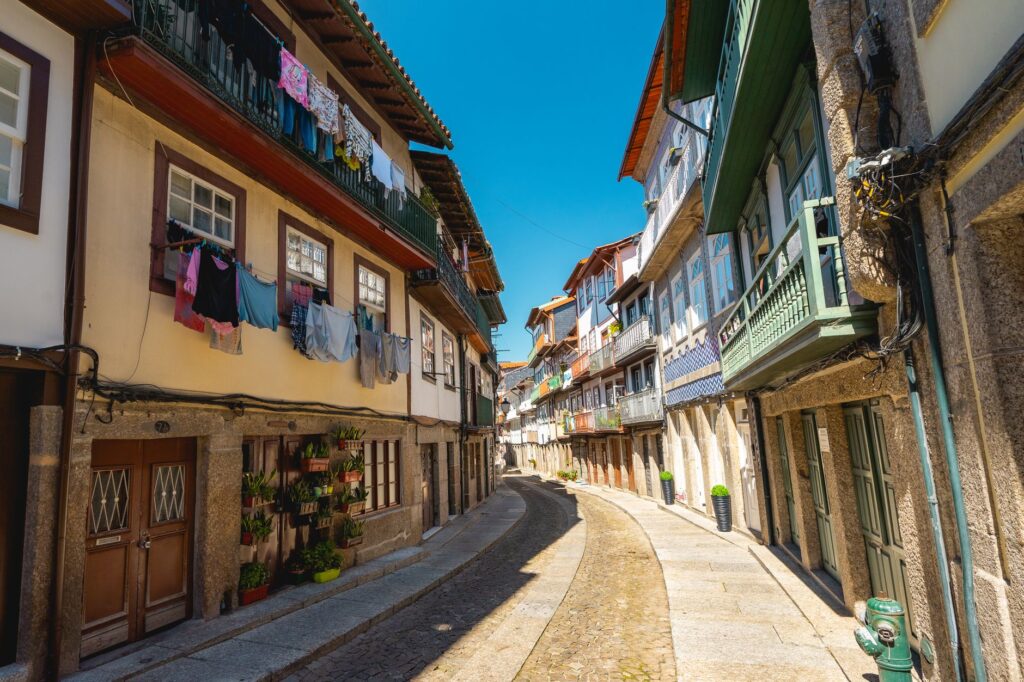
Braga’s cultural life is nourished by popular music festivals, amateur theater competitions, and temporary exhibitions hosted in civic centers across different neighborhoods. Unlike major tourist events designed exclusively to attract external visitors, these activities are conceived by and for residents. District cultural centers offer free workshops in ceramics, traditional dance, and sewing, fostering social cohesion among neighbors of various ages and backgrounds.
Preserving a territory’s cultural identity demands opening its artistic creation spaces to the direct participation of its inhabitants, preventing culture from becoming a mere fast-consumption product.
This commitment to community-based culture strengthens a sense of belonging and prevents gentrification processes affecting other historic centers in the country. Neighbors participate in decision-making regarding which events receive public funding, ensuring local artistic expressions remain a faithful reflection of collective memory and the welcoming spirit defining the Bragansean community.
Practical guide
How to get there: Braga features excellent rail connections from Porto and other northern Portuguese cities via frequent regional and urban trains. The central station is located a few minutes’ walk from the historic center.
When to go: Spring and early autumn months offer mild temperatures ideal for exploring the city on foot, avoiding intense summer heat and frequent winter rains.
Where to stay: Opt for small local accommodations, family-run guesthouses, or tourist apartments managed by residents in the historic center or surrounding residential neighborhoods.
Recommended gastronomy: Try bacalhau à minhota, regional vinho verde, and traditional convent sweets at historic pastry shops in the center.
Urban mobility: The best way to explore Braga is on foot or by using the urban bus network and new bicycle lanes enabled by the municipality.
Responsible shopping: Acquire vegetables, fruits, and crafts directly at the municipal market and small traditional shops in the old town.
Local respect rules: Respect the tranquility of residential neighborhoods, avoid unnecessary noise in historic squares, and always support proximity commerce.
The Reflection of a Community Walking United Toward the Future
At dusk, when golden light bathes Braga’s granite bell towers and whitewashed facades, the city recovers a tranquil pace where daily rushes seem to dissolve. On the benches of Republic Square or under the shade of trees in Ponte Park, neighbors converse unconcerned with the bustle of global tourism. This daily balance between respecting the past and adopting sustainable decisions proves that a destination’s future depends not on massification, but on the strength of its community ties. Braga thus moves forward with a firm step, preserving in every cobblestone and every daily gesture the living essence of a land that knows who it is and where it wants to walk.