
Origins and Geography of Riverside Paths in Amora
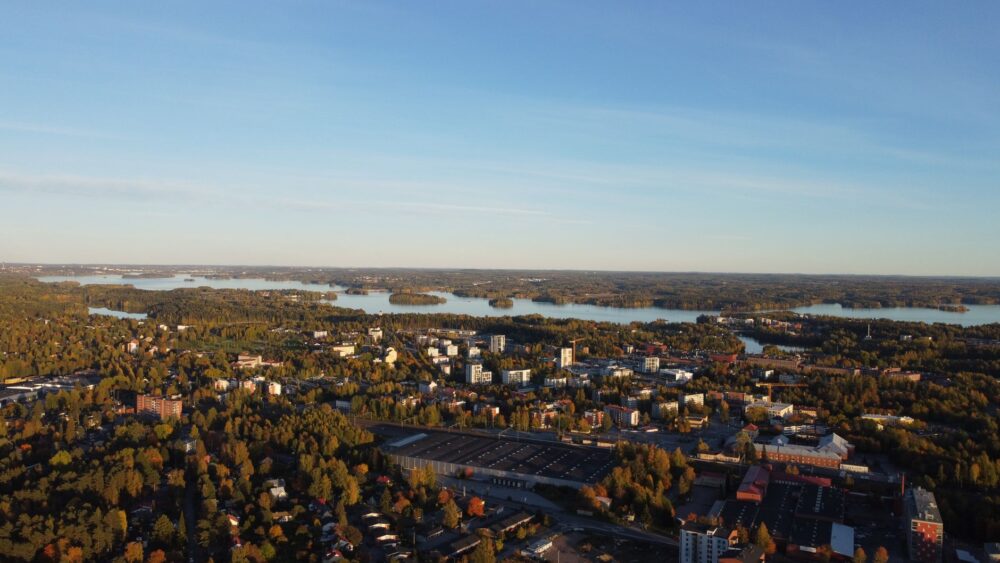
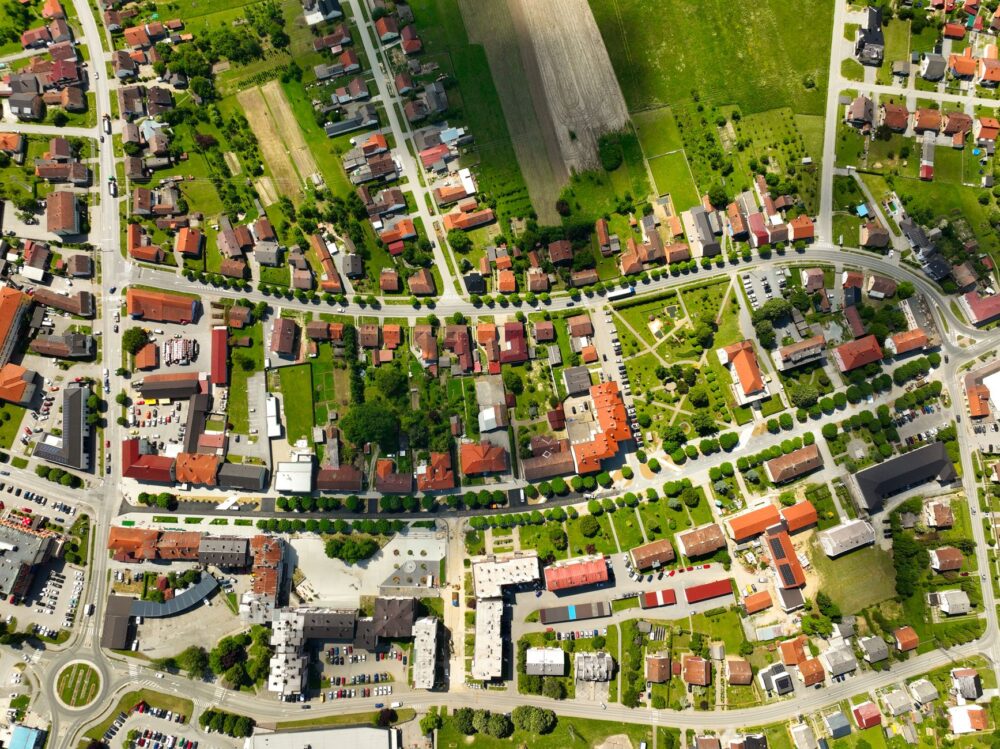
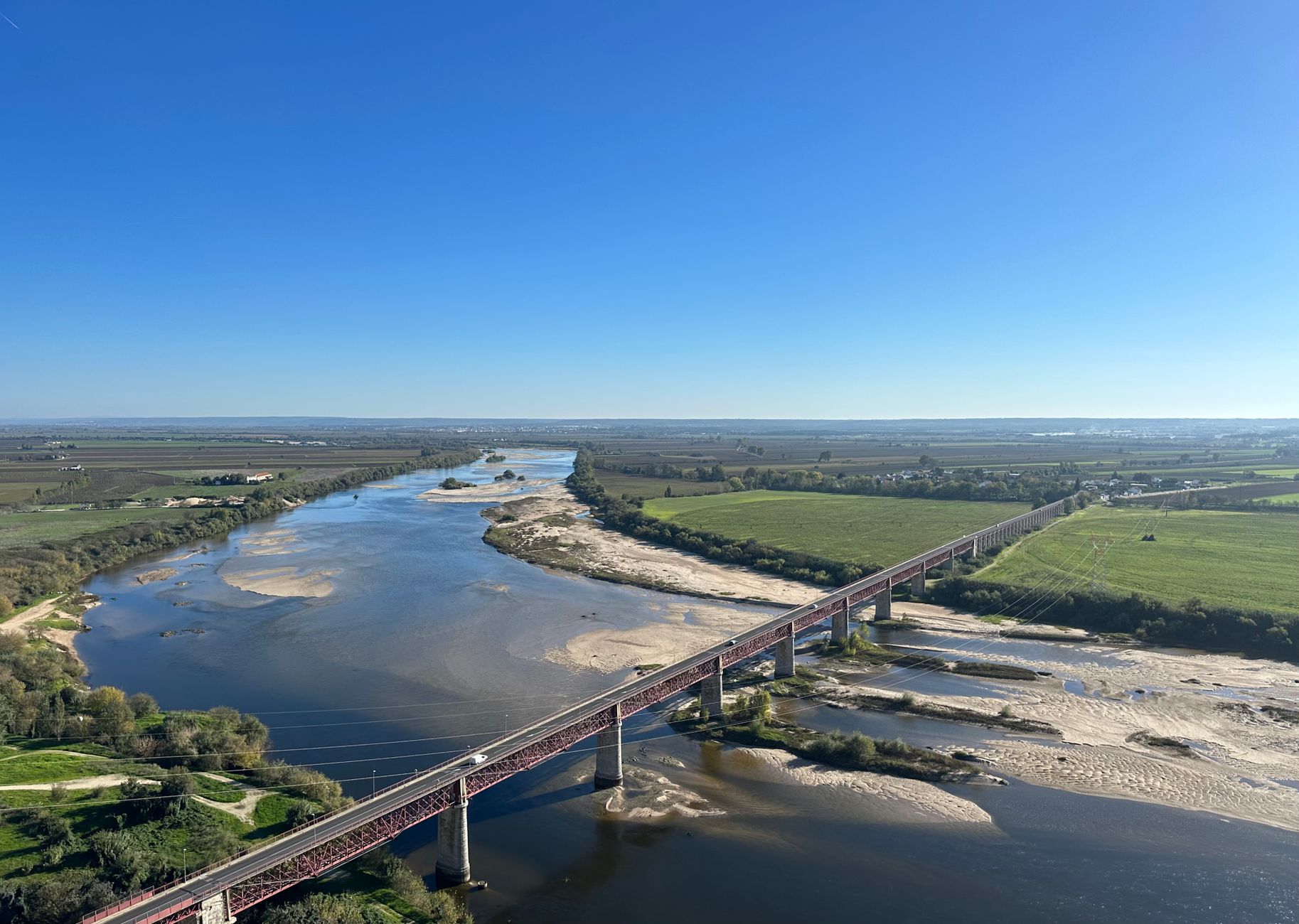
Located in the district of Setúbal and belonging to the municipality of Seixal, the town of Amora unfolds along the southern bank of the Tagus River estuary. This Portuguese enclave, with a population exceeding fifty thousand residents, blends an intense urban tradition with a valuable natural heritage where saltwater and flat terrain dictate the rhythm of the landscape. Unlike high-mountain expeditions, hiking in this territory is defined by its accessible profile, meandering among wetlands, ancient marshland areas, and strips of pine forest bordering the river branches.
The relief of the region is characterized by a low average elevation of around twelve metres above sea level, which facilitates low technical difficulty itineraries that nevertheless require proper logistical planning. The paths connecting Amora with neighboring nuclei like Seixal and the Tagus bay invite visitors to understand local geography on foot, discovering how traditional artisanal fishing and shellfish gathering have given way to green corridors designed for responsible enjoyment and waterbird observation.
Planning a route through these landscapes implies accepting that low altitude does not exempt hikers from adequate physical preparation. Although accumulated elevation gain is minimal, prolonged walks under the influence of the Atlantic climate require breathable footwear, constant sun protection, and rigorous knowledge of the tides, as certain trails near the estuary can become partially flooded during high tide cycles.
Atlantic Climate and Wind Behavior in the Estuary
The climate of Amora is deeply shaped by oceanic Atlantic influence and its proximity to the mouth of the Tagus. Winters are generally mild but humid, with frequent precipitation and gusty winds blowing from the west, while summers are warm and dry, tempered by sea breezes that ease the central hours of the day. For the hiker, this climatic duality demands close attention to weather forecasts before embarking on any journey through the open spaces of the municipality.
During transitional months, especially in spring and autumn, sunrises are often covered by dense mists rising from the estuary, reducing visibility along riverside paths. This phenomenon, while aesthetically fascinating for landscape photography, requires reflective elements or bright clothing if walking along shared paths with cyclists or local residents. Relative humidity also plays a decisive role in thermal sensation, making fresh mornings require light layering systems that can be easily removed as the day progresses.

Proper water management and protection against ultraviolet radiation are essential even in cooler months, given that exposure in open marshland areas is constant. The force of the Atlantic wind should not be underestimated, as it can increase fatigue on long walks without an adequate windbreaker jacket to protect the chest and maintain core body thermal stability.
Flora, Fauna, and the Fragile Biodiversity of Marshes
The ecosystem surrounding Amora constitutes a refuge of invaluable ecological value within the metropolitan area of Lisbon. The Tagus marshes and small streams flowing into the bay harbor a rich diversity of wading birds, grey herons, and flamingo populations that use these shallow waters as feeding and resting grounds during migratory routes. Walking through these environments demands respectful behavior, avoiding unnecessary noise or straying from marked trails that could disturb local birdlife.
Predominant vegetation includes species adapted to salinity, such as glassworts and halophytic scrub, alongside small groves of stone pines and cork oaks providing shade in sections far from the coast. This plant mosaic not only beautifies the landscape but plays a vital role in stabilizing clay soils and naturally filtering runoff water from urban and agricultural sources.
Absolute respect for wetland habitats ensures that Amora’s natural richness remains intact for future generations of hikers and naturalists.
Hiking in this territory also fulfills an educational function, allowing visitors to understand the interdependence between the estuary’s natural cycles and historical human activities. Informational panels installed along routes offer precise data on native flora, reminding hikers of the prohibition against collecting protected plant species or disturbing nesting birds inhabiting the reed beds.
Trail Infrastructure and Transportation Connections
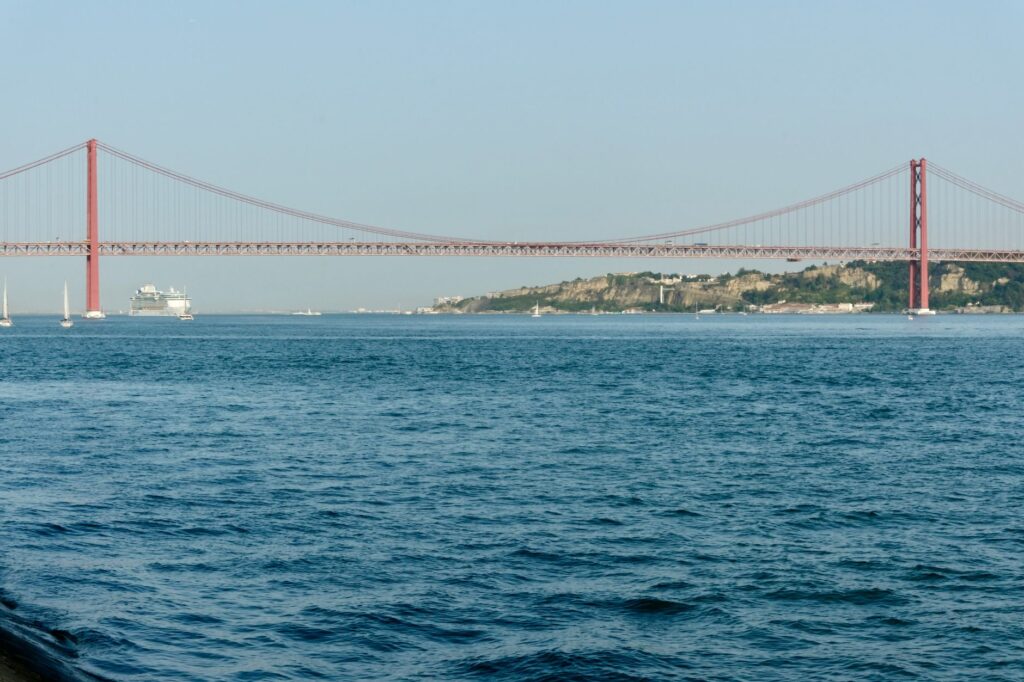
Exploring Amora on foot relies on a network of boardwalks, cycle lanes, and compacted dirt paths facilitating connectivity between different neighborhoods and protected natural areas. Access to the municipality is fully integrated into the transport system of the Setúbal region, allowing arrival via urban bus networks or utilizing railway and river services connecting the southern bank to Lisbon across the estuary.
For those planning a hiking day, intermodality is an excellent ally. It is possible to start a route walking from Amora’s historic urban core to the river docks, combining asphalt stretches with dirt tracks running parallel to the water. This ease of access makes the municipality an ideal destination both for experienced walkers seeking a distance route without major slopes and for families interested in environmental education.
Local authorities and neighborhood associations have promoted clear signposting of main itineraries in recent years, incorporating tactile maps and approved paint markings indicating remaining distance and estimated marching time. Nevertheless, carrying a digital or printed updated map of the area is always recommended, as some secondary sections may undergo temporary modifications due to maintenance work on dikes and riverbeds.
Historical Heritage and Traces of Local Tradition
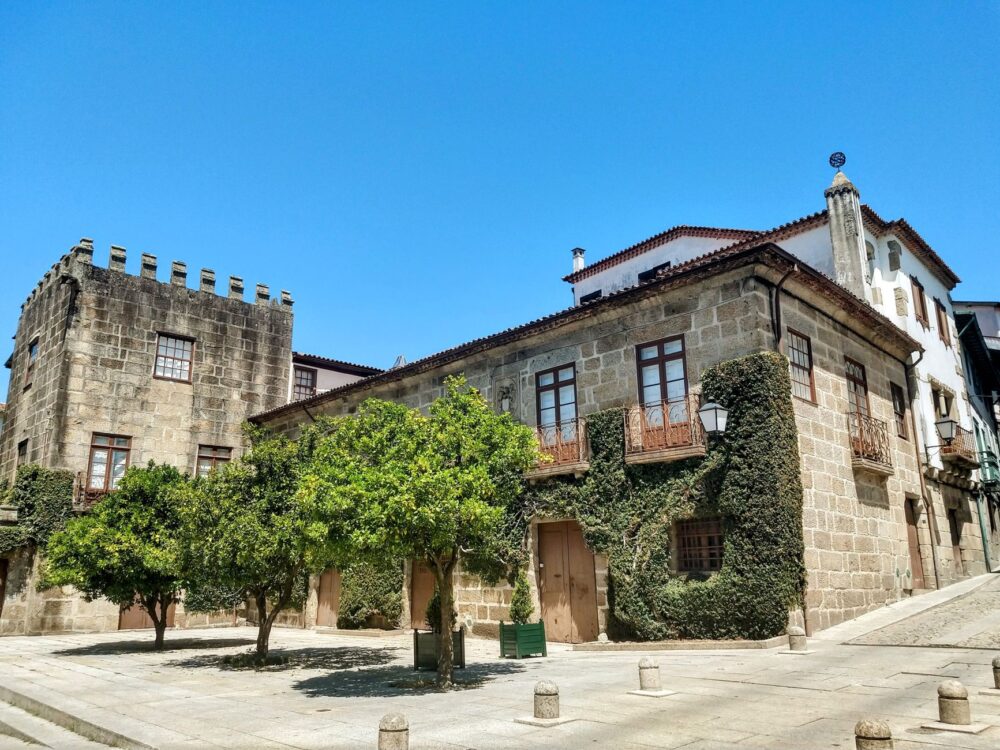
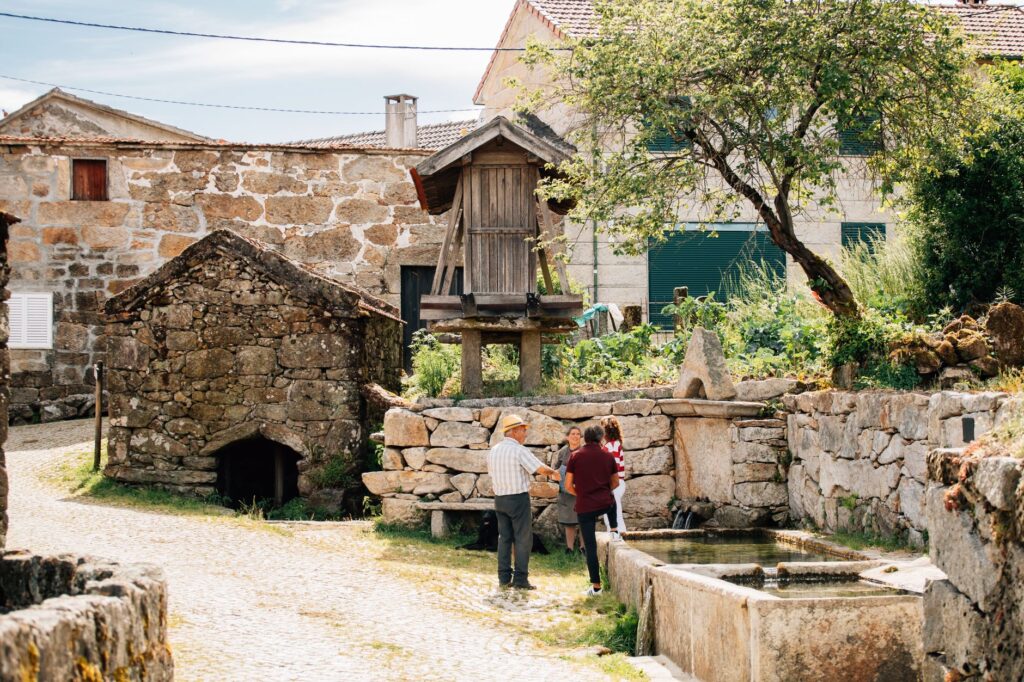
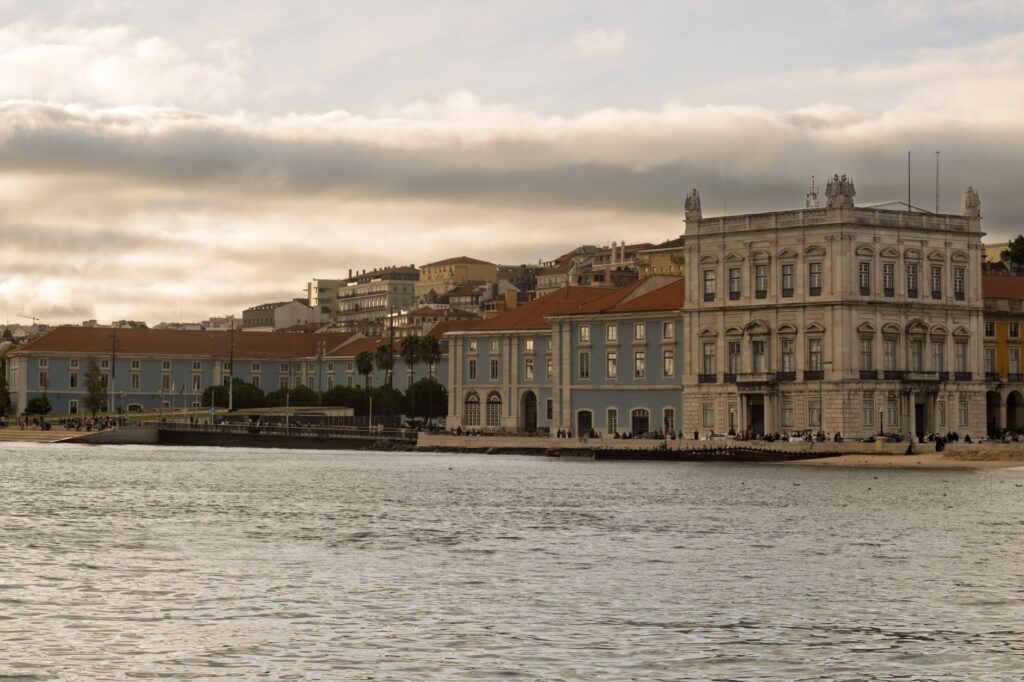
The value of a route through Amora lies not only in its natural richness but also in the historical testimony preserved in its streets and squares. The old quarter retains traditional buildings, cobbled alleys, and former tide mills recalling the economic importance of river milling in past centuries. These architectural elements offer hikers an enriching cultural pause, allowing them to understand how riverside communities harnessed the hydraulic energy of the tides.
The presence of hermitages and small rural chapels along traditional paths adds a devotional and heritage nuance to the landscape. These constructions, many erected in honor of seafaring patron saints, formerly served as reference points and orientation guides for fishermen and farmers traversing the region before contemporary urban expansion.
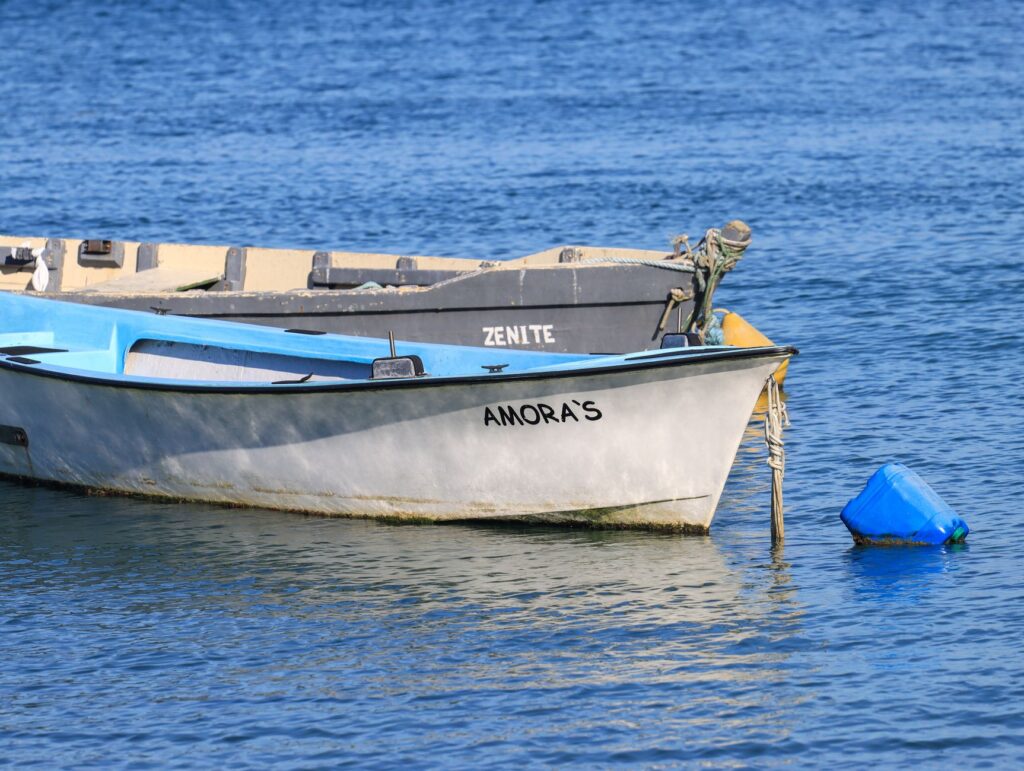
Integrating built heritage into hiking itineraries transforms a simple walk into a journey through the municipality’s collective memory. Every square and every corner by the water narrates a story of effort and adaptation, consolidating a cultural identity deeply rooted in the southern shore of the estuary.
Safety, Emergencies, and Best Practices in the Environment
Hiking in a semi-urban and estuarine environment like Amora requires observing basic safety rules to prevent unforeseen incidents. Although the risk of serious accidents is low compared to high-mountain routes, proximity to deep water, tidal currents, and the occasional presence of vehicles on shared paths demand constant attention from hikers.
Carrying a fully charged mobile phone with local emergency numbers memorized, as well as informing third parties of the planned route and estimated return time, is fundamental. In case of illness or minor injury due to heat or prolonged exertion on flat surfaces, access for emergency services is guaranteed at most points of the trail network thanks to the proximity of residential areas.
Safety in the natural environment begins long before taking the first step, materializing in a well-equipped backpack and prudence in the face of sudden Atlantic weather changes.
Similarly, the leave-no-trace principle must be strictly applied: all waste generated during the march, from packaging to organic scraps, must be carried back for disposal in urban containers. Lighting fires in pine and scrub areas is strictly prohibited due to the high summer wildfire risk affecting the entire Setúbal region during drier months.
Local Gastronomy and Estuary Products
The experience of exploring Amora is naturally completed by delving into its gastronomic offerings, strongly linked to seafood and products from the Tagus estuary. Local restaurants and taverns offer traditional dishes where fresh fish, river shellfish, and seafood recipes take center stage, reflecting the culinary identity of the southern bank.
Among the standout specialties are estuary fish stews, clams prepared in traditional style with garlic and cilantro, and select Portuguese pastries that perfectly accompany coffee after a long walk. These local flavors represent a tribute to the hard work of fishing communities that have historically inhabited these lands.
Supporting local markets and proximity establishments during a visit not only enriches the traveler’s cultural experience but directly contributes to the municipality’s sustainable economy, fostering the preservation of recipes and culinary traditions at risk of fading into oblivion.
Practical guide
How to get there: Amora is located in the municipality of Seixal, Setúbal district, a short distance from Lisbon. It is accessible via the southern region bus network, commuter trains, and river connections crossing the Tagus River.
Recommended season: Spring and autumn offer the best weather conditions, with pleasant temperatures and fewer visitors. Summer requires extreme caution regarding high temperatures and solar radiation.
Basic gear: Lightweight hiking footwear or shoes with good grip, breathable layered clothing, hat, sunglasses, broad-spectrum sunscreen, and at least one and a half liters of water per person.
Rules and safety: Respect local birdlife by maintaining distance in marshland areas. Do not stray from marked paths, avoid littering, and mind tide schedules if walking along riverside trails very close to the water.
Useful information: Always check weather forecasts and trail conditions before starting the march. Keep mobile devices adequately charged and respect private property and protected natural areas.