
Origins and Transformation of a Hardworking Territory
Located in the province of Buenos Aires, in the Argentine Republic, Berazategui has undergone a profound evolution from its rural roots to its subsequent consolidation as a key manufacturing hub. Far from being a mere bedroom community, this municipality maintains a very distinct identity, forged through the efforts of generations of workers who built workshops, foundries and industrial plants. Today, strolling through its streets reveals how the architecture of former industrial warehouses coexists with family residences and leafy squares where locals gather as evening falls.
The urban layout reflects this duality between a productive past and a contemporary quest for quality of life. The main avenues retain the dynamic pulse of local commerce, while the interior neighborhoods maintain a peaceful atmosphere, featuring wide sidewalks and everyday greetings among neighbors who have known each other for a lifetime. The area’s collective memory remains tied to the culture of work, a value that permeates both cultural initiatives, gastronomy and the preservation of public spaces.
Documenting this territorial transition requires looking beyond simple economic metrics to observe the daily habits of those who inhabit the district. The persistence of community bonds in neighborhoods originally settled by factory hands demonstrates a social resilience that anchors the municipality within the broader history of the province of Buenos Aires.
Glass and Artisan Hands: Living Heritage
If there is one element that defines the material and historical personality of Berazategui, it is the glass industry. For decades, glass production not only boosted the local economy but also shaped the human and labor landscape of the region. Today, this legacy is reinvented through the work of artisans and creators who keep blowing and shaping techniques alive, making the municipality a national benchmark for artisan design.
Cultural centers and local workshops offer a fascinating window into this craft. The knowledge passed down from master to apprentice remains active in every piece molded in the heat of the fire. Visitors can explore spaces dedicated to the exhibition of works in glass, ceramics and wood, confirming that artistic creativity is an indissoluble part of the city’s social fabric. This commitment to author design demonstrates that economic transformation does not imply the loss of identity, but rather its diversification into more sustainable and humane forms of expression.

Mastering these high-temperature techniques demands years of dedication, turning each studio into a repository of oral history and technical experimentation. By sustaining this productive tradition without massive industrial scale, the community safeguards a tactile heritage that connects contemporary visitors with the enduring rhythm of manual craftsmanship.
The heritage of a community does not reside solely in its ancient monuments, but in the continuity of its crafts and the daily dignity of those who transform matter with their own hands.
Green Spaces and Natural Lungs for the Community
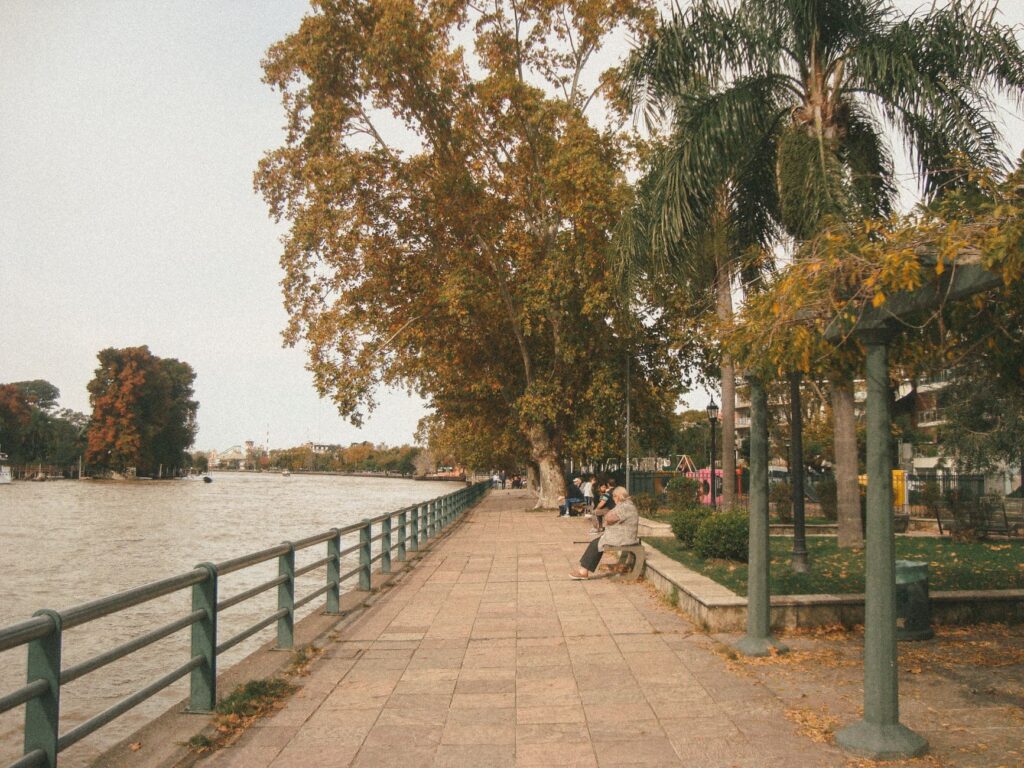
Despite its proximity to intense metropolitan movement, Berazategui has successfully protected and enhanced its green areas. Linear parks, tree-lined squares and natural reserves near the coast of the Río de la Plata offer refuge both to native fauna and to inhabitants seeking respite from their daily routine. These spaces serve as the stage where community life is woven: families sharing mate under the shade of trees, children playing on weekends and athletes jogging along the trails at dawn.
The conservation of these environments reflects a collective awareness regarding the importance of balancing urban development with respect for the environment. Local authorities and neighborhood organizations routinely collaborate in reforestation tasks and the care of riverside biodiversity. Walking through these green spaces allows visitors to understand the human scale of the locality, where nature is not a distant decorative element, but a central component of everyday experience.
Environmental stewardship in this sector of Argentina involves active management of public flora and the maintenance of permeable soils that absorb seasonal rainfall. Observing these ecological buffers highlights how urban planning can successfully integrate natural habitats into everyday municipal routines.
Local Flavors and Proximity Markets
The gastronomy in Berazategui draws upon Creole tradition and the influence of successive migratory waves that populated the province of Buenos Aires. In proximity markets and traditional grocery stores, fresh produce is the undisputed protagonist. Artisan bakeries, family pastry shops and small neighborhood restaurants offer straightforward cuisine based on comforting home-cooked recipes that tell stories of hospitality.
Dining in the city involves sitting down at the table without rush, sharing traditional dishes where grilled meats, empanadas and homemade pasta hold a prominent place. On weekends, local producer fairs become essential meeting points for purchasing regional vegetables, artisan cheeses and homemade sweets. This direct relationship between producer and consumer strengthens the circular economy and guarantees an authentic culinary experience anchored in the genuine flavors of the land.
These food networks reduce logistical distances and preserve culinary preparations handed down across generations. Engaging with local food markets gives travelers a direct taste of domestic traditions that define regional identity in Argentina without relying on commercial standardization.
Residential Architecture and Neighborhood Coexistence
The architectural landscape of Berazategui avoids excessive monumentality in favor of a human and accessible scale. One- and two-story homes, with facades ornamented by small gardens and neat fences, predominate in most neighborhoods. This urban model encourages visual contact and direct communication among residents, reinforcing a sense of community that is increasingly difficult to find in large cities.
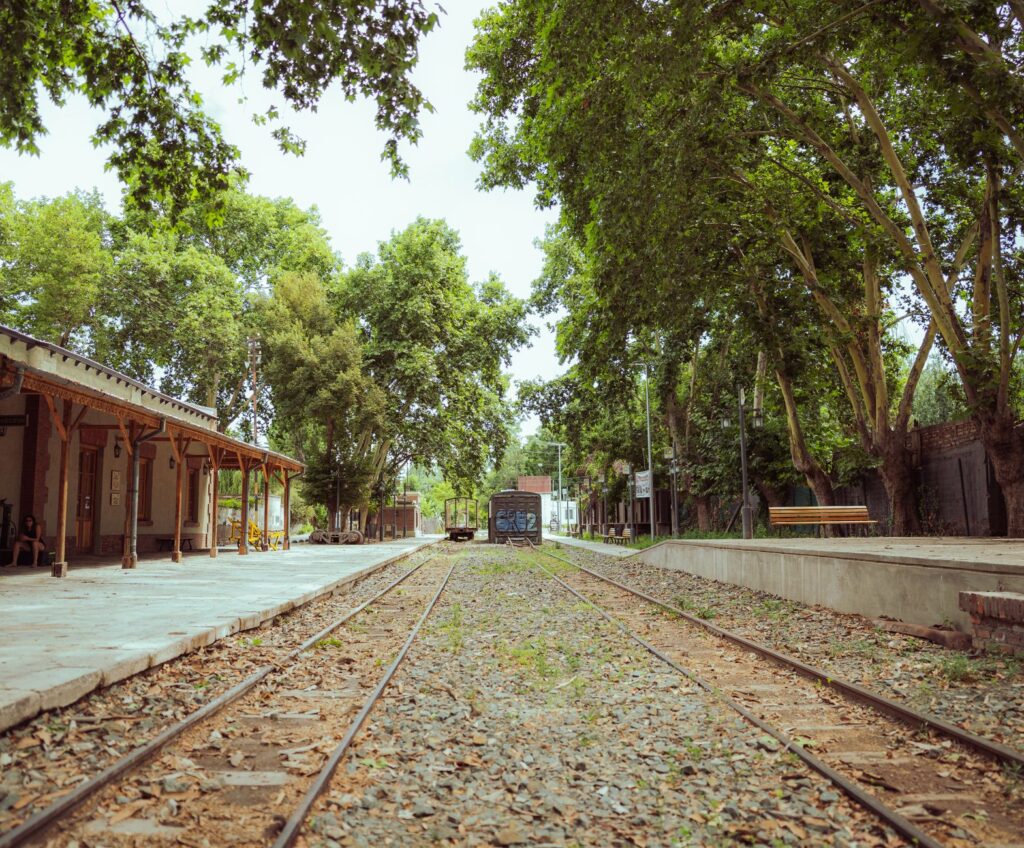
Strolling through residential neighborhoods at dusk reveals an urban scene where house doors remain open to the breeze and sidewalks serve as the natural territory for neighborhood conversation. Former railway or industrial houses, rescued and repurposed for cultural or community uses, serve as a bridge between architectural heritage and the needs of the present. The beauty of these corners lies in their authenticity, free from artifices designed for mass tourism.
Preserving these modest domestic structures maintains a visual continuity that contrasts with high-rise developments elsewhere in the metropolitan region. The resulting streetscape encourages unhurried pedestrian exploration and underscores the value of neighborhood interaction.
Education, Memory and Popular Culture
The intellectual and cultural life of Berazategui is sustained by a solid network of public libraries, neighborhood centers and municipal workshops that promote democratic access to art and knowledge. These spaces function as true engines of social integration, where people of all ages participate in courses on theater, music, painting and traditional crafts. Historical memory is cultivated through local archives and photographic exhibitions that rescue the faces of pioneers and the transformation of the urban landscape.
Attending a lecture at a neighborhood library or visiting an exhibition of local artists allows visitors to gauge the cultural pulse of the community. These are not quick-consumption mega-events, but rather a constant, organic activity that fills residents with pride. Citizen commitment to culture ensures that local identity remains alive and in continuous dialogue with new generations, who inherit respect for the past and openness toward innovation.
Lifelong learning initiatives organized in community halls reinforce civic participation and provide accessible creative outlets for residents. This grassroots cultural infrastructure ensures that neighborhood history is continuously documented and celebrated by its own participants.
Practical guide
How to get there: Berazategui is very well connected to the Autonomous City of Buenos Aires via the Buenos Aires-La Plata highway and through the Roca Line metropolitan train service, facilitating a convenient day trip or an extended stay.
When to go: The spring months (September to November) and autumn (March to May) offer mild temperatures ideal for walking through green spaces and touring open-air cultural centers without the oppressive summer heat.
Where to eat: Visiting municipal markets and traditional downtown taverns is recommended to taste home-cooked cuisine, empanadas and artisan pastries crafted by local producers.
Visitor tips: Respect the resting hours of residential neighborhoods, support the economy by purchasing directly from artisan fairs, and use public transport to naturally integrate into the community’s daily rhythm.
A Horizon of Identity and Hospitality
A journey through Berazategui leaves the certainty that territories still exist where tourism is not a staged spectacle for visitors, but a sincere invitation to share daily life. Among its recovered industrial heritage, its glass artisan workshops, its riverside green spaces and the warmth of its inhabitants, the city offers a reflective and enriching travel experience. As one bids farewell to its tree-lined streets, there remains the gratifying sensation of having understood an authentic fragment of the province of Buenos Aires, where a hardworking past and a creative present walk firmly hand in hand.
Reflecting on this destination reveals the value of places that retain their working-class soul amid widespread urbanization. For travelers seeking genuine cultural context in Argentina, the municipality offers an exemplary model of community persistence, artisanal pride and balanced everyday living.