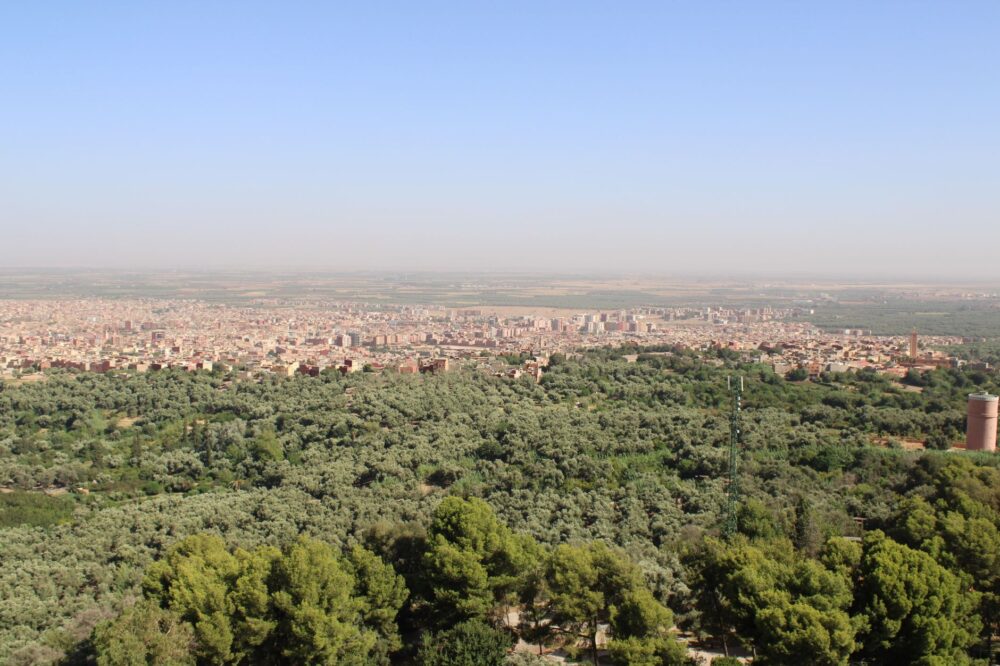

Taourirt does not appear on Morocco’s postcards. It has no monumental medina or crenellated walls to draw tour buses. It is a city of some 112,000 people in the province of the same name, within the Oriental region, halfway between Fez and Oujda, where the steppe begins to gain ground on the mountains. Its name, in Tamazight, means ‘small hill’, and that discreet geography explains much of what happens in its streets: a city that grew around a railway station, a weekly market, and a crossroads of routes that never sought the spotlight.
Arriving in Taourirt means accepting that the journey offers no grand monument, but rather a lesson in everyday Moroccan life far from the usual circuits. Here heritage is not found within walled enclosures, but in the way people organize their week, in the trades that endure, in the coexistence between the Amazigh community and the descendants of families who arrived with the railway. This report proposes looking at the city calmly, without inventing epics, paying attention to what can be verified: its railway history, its souk, its functional architecture, and the hospitality of a region that rarely receives foreign visitors.
A city born beside the tracks
Taourirt’s modern history is tied to the railway. In the early twentieth century, the construction of the line that would connect eastern Morocco with Algeria and, later, with the rest of the country, turned this point into a strategic hub. The station not only moved goods and passengers: it brought employment, workshops, housing for workers, and a mix of origins that is still perceptible today in surnames and conversations.
The train remains part of the soundscape. Freight convoys cross the city at unpredictable hours, and the distant whistle is a reference point for residents. The station, with its sober, functional architecture, retains that air of infrastructure that was important without needing to be beautiful. There is no railway museum or explanatory signs for tourists, but sitting on the platform one morning is enough to understand that Taourirt is, to a large extent, a child of the track.
«Here the train is not nostalgia: it is the noise that has always accompanied us and that continues to bring and take people,» says a resident who prefers not to be identified, while waiting for a convoy to Oujda.
The Monday souk: the true heart
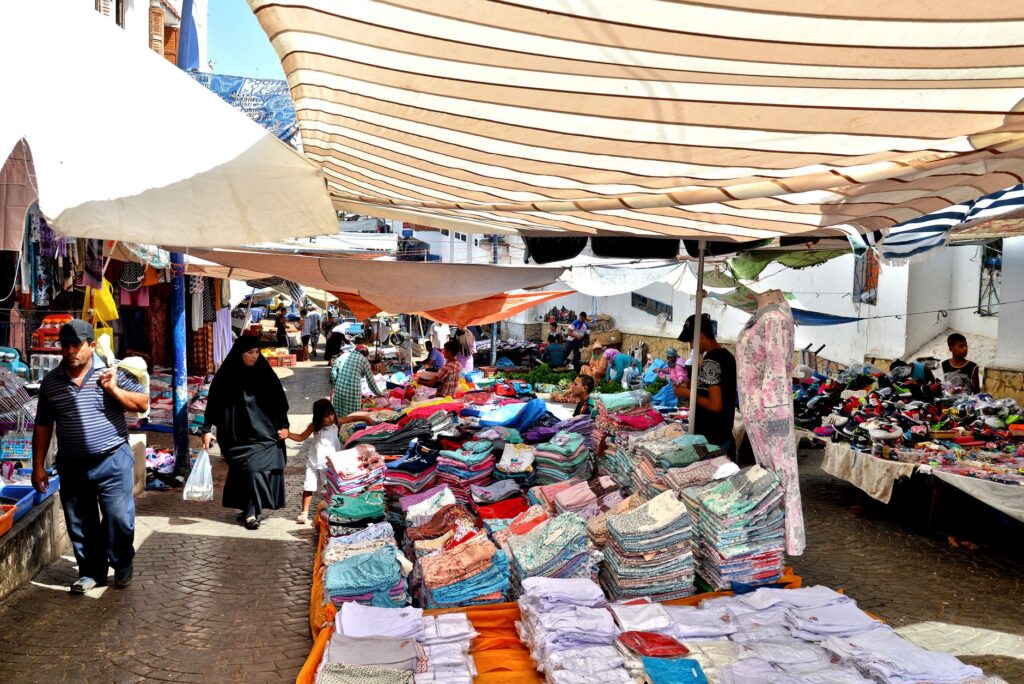
If the railway ordered urban growth, the weekly souk orders rural life. Every Monday, farmers, herders, and traders from nearby villages gather in an open lot on the outskirts to sell livestock, vegetables, olives, spices, tools, and fabrics. It is a market of barter and word, where deals are sealed with a handshake and news is transmitted that appears in no media outlet.
The souk is not an attraction prepared for visitors. It is an economic and social institution. Women sell bread and aromatic herbs; men negotiate sheep and goats; young people look for spare parts for motorcycles and generators. For those arriving from outside, the recommendation is simple: observe with respect, ask permission before photographing, and do not interfere in negotiations. The best time is early, when the sun is not yet fierce and the market is in full swing.
Architecture without fanfare: adobe house and concrete block
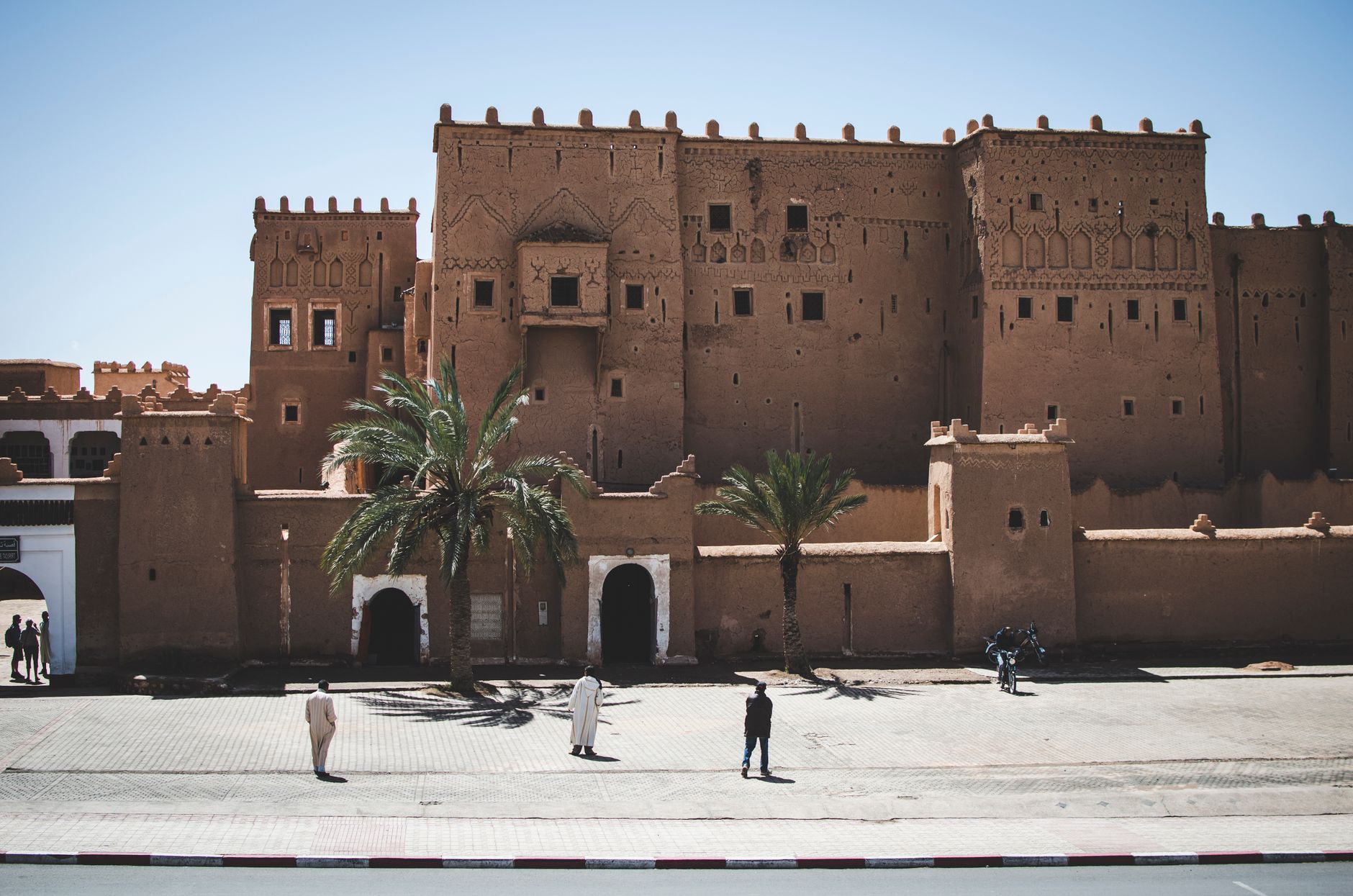
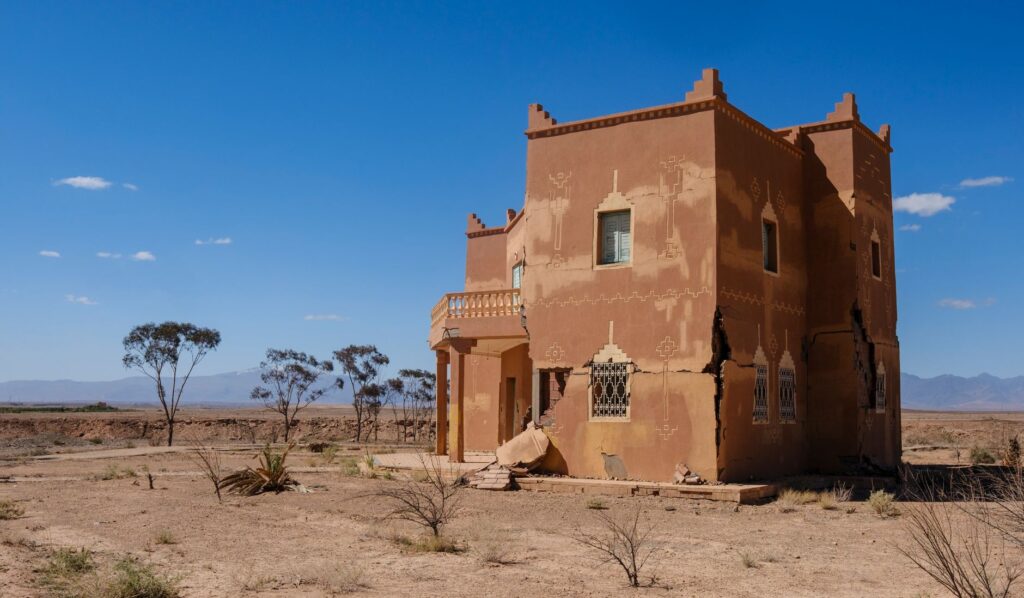
Taourirt’s urban landscape is a collage of eras. In the older neighbourhoods near the centre, adobe and rammed-earth houses are still visible, with interior courtyards that protect from heat and prying eyes. They are low dwellings with thick walls, designed for an extreme climate: very hot summers and cold winters, with little rain.
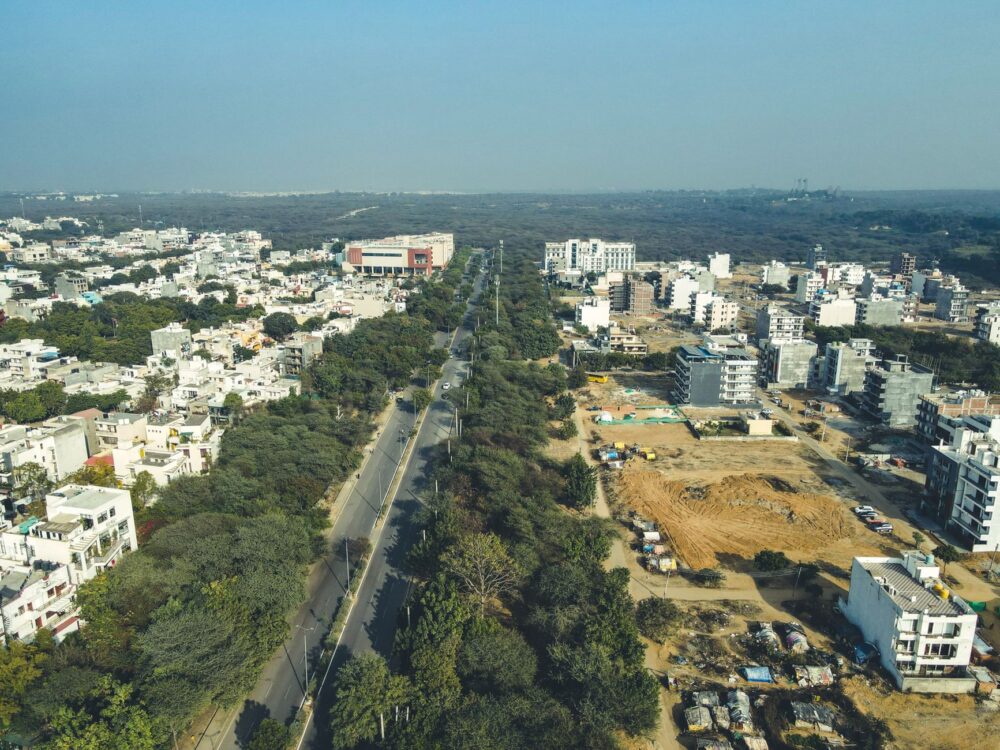
Around the station and along the main avenues, concrete and brick took over from the 1960s and 1970s onwards. There is no aesthetic plan, but rather a pragmatic response to demographic growth. The result is a city of contrasts, where a mosque with a simple minaret can be flanked by a three-storey building with metal shutters. That lack of monumentality is, paradoxically, its greatest authenticity: Taourirt does not pose for anyone.
Amazigh identity and frontier life
Taourirt’s population is predominantly Amazigh, with a strong presence of tribes from the Oriental region. Tamazight is spoken at home and in the souk, although Arabic and French dominate administration and schooling. This linguistic coexistence is one of the city’s most interesting traits, and also one of the least documented.
The location, near the border with Algeria, has marked recent history. For decades, the region was a transit zone and a military control area. Today, life continues normally, but the awareness of being in a frontier territory permeates the local mindset: prudence, hospitality, and a certain distrust of fashions arriving from the big cities.
«Taourirt is not a city to see, it is a city to understand. If you come looking for monuments, you are mistaken. If you come to listen, you take something away with you,» says a secondary school teacher who has spent thirty years in the city.
Trades that endure on the margins
As in many intermediate Moroccan cities, traditional trades coexist with the informal economy and small-scale commerce. In Taourirt there are still blacksmiths repairing farm implements, carpenters working eucalyptus wood, and leatherworkers stitching saddles and livestock straps. They are not artisans of a tourist souk, but professionals serving a real demand: that of the countryside surrounding the city.

Pottery, once present, has been disappearing in the face of competition from plastic and metal. Few workshops remain, and those that survive do so thanks to specific commissions: flowerpots, water containers, roof tiles. Visiting one of these workshops requires patience and, above all, not expecting a spectacle: the work is hard, repetitive, and silent.
The steppe as landscape and resource
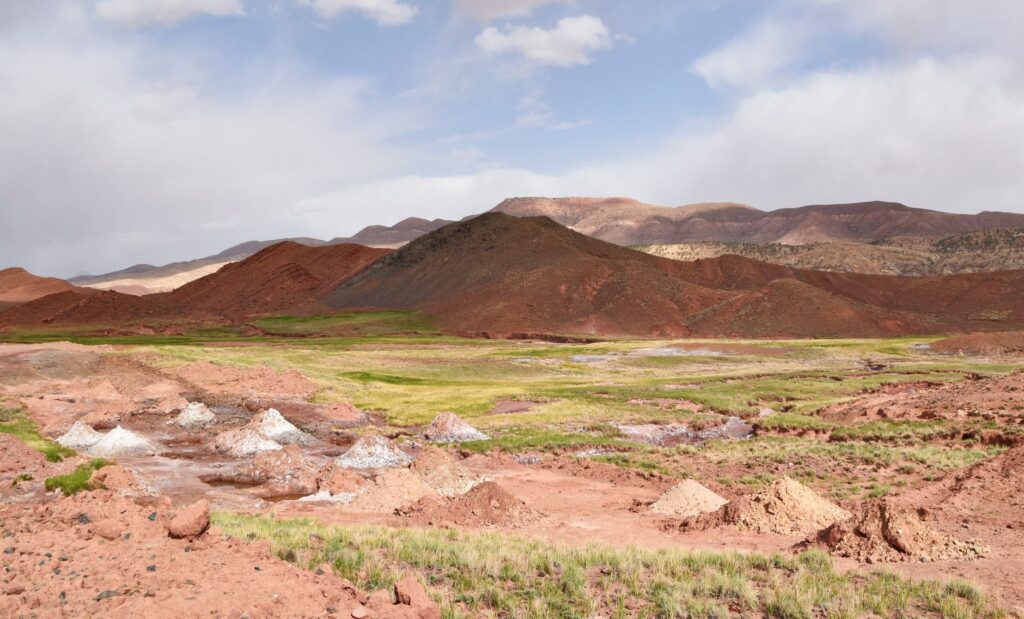
Around Taourirt stretches an arid steppe, dotted with esparto grass, wormwood, and some olive and almond trees in areas where there is water. It is not a spectacular landscape, but it has an austere beauty that rewards those who pause. The hills that give the city its name rise to the south, and from some points an expansive horizon is visible, unobstructed, which on clear days takes on ochre and pink tones at sunset.
Esparto grass has been an economic resource for generations: it was harvested to make ropes, baskets, and mats. Today its exploitation is residual, but patches of the plant can still be seen in the surroundings and some family workshops still work it. For the traveller, the steppe offers no tourist services, but it does offer the possibility of walking without crowds and observing steppe birds if one has patience and binoculars.
What the responsible visitor can do
Taourirt is not a destination for those seeking strong emotions or for those travelling with a list of monuments. It is a place for those who value quiet observation, human contact, and understanding a Morocco that does not appear in guidebooks. The responsible visitor should keep a few guidelines in mind:
- Respect the souk: it is a workspace, not a theme park. Ask permission before photographing and do not interrupt transactions.
- Dress discreetly: although the city is tolerant, clothing that covers arms and legs is appreciated, especially in more traditional neighbourhoods.
- Learn a few words in Tamazight or Arabic: a simple greeting opens many doors and shows genuine interest.
- Spend in local businesses: buying in the souk or in small shops helps money stay in the community.
- Do not expect tourist infrastructure: there are few hotels and restaurants, and online information is scarce. The best source is the residents themselves.
Practical guide
Getting there: Taourirt has a railway station on the line connecting Fez, Taza, and Oujda. It can also be reached by road from Oujda (approximately 120 kilometres) or from Fez (about 250 kilometres). There is no commercial airport in the city; the nearest are Oujda and Fez.
When to go: spring (March to May) and autumn (September to November) offer milder temperatures. Summer is very hot and winter can be cold, especially at night. The souk is held on Mondays and is the time of greatest activity.
Where to stay: the hotel offer is limited and simple. There are some establishments in the centre and near the station. For longer stays, consider Oujda as a base and visit Taourirt on a day trip.

What to bring: sunscreen, a hat, water, comfortable footwear, and, if you want to take photographs, a discreet camera. There are not many ATMs, so carrying cash is advisable.
Language: Tamazight and Moroccan Arabic are the languages of the street. French is used in administration and commerce. English is uncommon outside educational settings.
A closing between the whistle and the bread
At the end of the day, when the souk is dismantled and the streets recover their slow rhythm, Taourirt shows its true face: a city that does not seek to seduce, but to live. The distant whistle of a freight train recalls its history; the smell of freshly baked bread in neighbourhood bakeries recalls its present. There is no grand narrative to tell, but many small ones. And perhaps that is the most valuable thing: a place where the traveller can, for a while, stop being a tourist and become a discreet witness to an everyday life that is not performed for anyone.